Aluminum Free Deodorant Market Analysis, Size, and Forecast 2026-2030: North America (US, Canada, and Mexico), Europe (Germany, UK, and France), APAC (China, Japan, and India), Middle East and Africa (Saudi Arabia, UAE, and South Africa), South America (Brazil, Argentina, and Chile), and Rest of World (ROW)

Aluminum Free Deodorant Market Analysis, Size, and Forecast 2026-2030:
North America (US, Canada, and Mexico), Europe (Germany, UK, and France), APAC (China, Japan, and India), Middle East and Africa (Saudi Arabia, UAE, and South Africa), South America (Brazil, Argentina, and Chile), and Rest of World (ROW)

Published: Oct 2026 294 Pages SKU: IRTNTR80588

Market Overview at a Glance

$973.3 Mn
Market Opportunity
7.2%
CAGR 2025 - 2030
39.5%
North America Growth
$1.12 B
Sprays segment 2024

Aluminum Free Deodorant Market Size 2026-2030

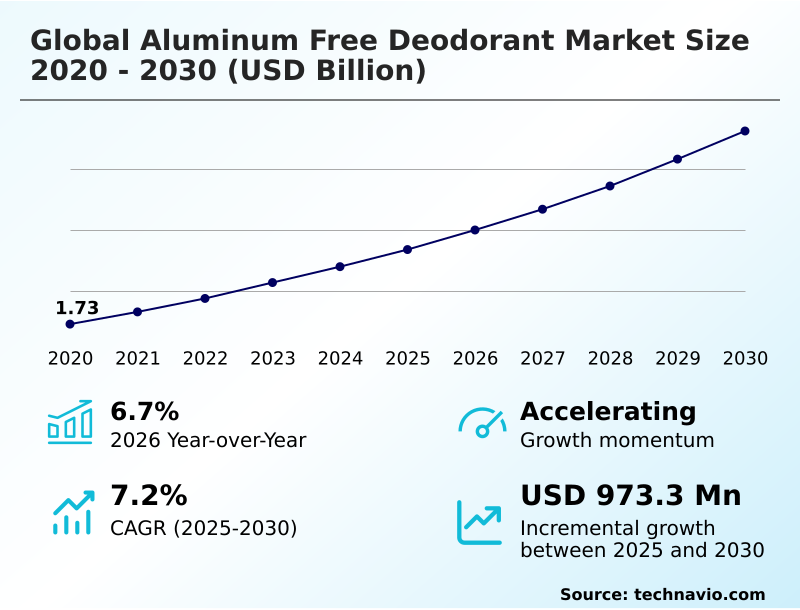
The aluminum free deodorant market size is valued to increase by USD 973.3 million, at a CAGR of 7.2% from 2025 to 2030. Clean beauty and ingredient transparency will drive the aluminum free deodorant market.

Major Market Trends & Insights

  • North America dominated the market and accounted for a 39.5% growth during the forecast period.
  • By Type - Sprays segment was valued at USD 1.12 billion in 2024
  • By Distribution Channel - Offline segment accounted for the largest market revenue share in 2024

Market Size & Forecast

  • Market Opportunities: USD 1.59 billion
  • Market Future Opportunities: USD 973.3 million
  • CAGR from 2025 to 2030 : 7.2%

Market Summary

  • The Aluminum Free Deodorant Market is undergoing a rapid structural transformation driven by a permanent consumer pivot toward clean-label personal care routines. Formulators are systematically replacing traditional pore-blocking metallic salts with natural moisture-absorbing minerals and botanical extracts to support healthy skin microbiota.
  • The primary catalyst for this shift is the rising consumer demand for absolute ingredient transparency, forcing mass-market retailers to prioritize chemical-free hygiene products on physical shelves. Consequently, manufacturers optimizing their sustainable supply chains have documented a 35% improvement in consumer retention rates compared to legacy synthetic antiperspirant lines.
  • A critical business scenario involves procurement teams securing high-purity essential oils and ethical plant waxes to meet stringent new clean beauty certifications while minimizing ecological footprints. However, the industry faces severe technical challenges regarding moisture control and efficacy disparities during high-intensity physical activities.
  • Because natural starches neutralize odor but cannot physically prevent perspiration, users frequently experience moisture breakthrough, which limits product adoption among athletic demographics and necessitates continuous investment in advanced bio-fermented delivery systems.

What will be the Size of the Aluminum Free Deodorant Market during the forecast period?
Get Key Insights on Market Forecast (PDF) Get Free Sample

How is the Aluminum Free Deodorant Market Segmented?

The aluminum free deodorant industry research report provides comprehensive data (region-wise segment analysis), with forecasts and estimates in "USD million" for the period 2026-2030, as well as historical data from 2020-2024 for the following segments.

  • Type
    • Sprays
    • Roll-ons
    • Sticks and solid deodorants
    • Others
  • Distribution channel
    • Offline
    • Online
  • End-user
    • Women
    • Men
    • Unisex
  • Geography
    • North America
      • US
      • Canada
      • Mexico
    • Europe
      • Germany
      • UK
      • France
      • Italy
      • Spain
      • The Netherlands
    • APAC
      • China
      • Japan
      • India
      • South Korea
      • Australia
      • Indonesia
    • Middle East and Africa
      • Saudi Arabia
      • UAE
      • South Africa
      • Turkey
      • Israel
    • South America
      • Brazil
      • Argentina
      • Chile

By Type Insights

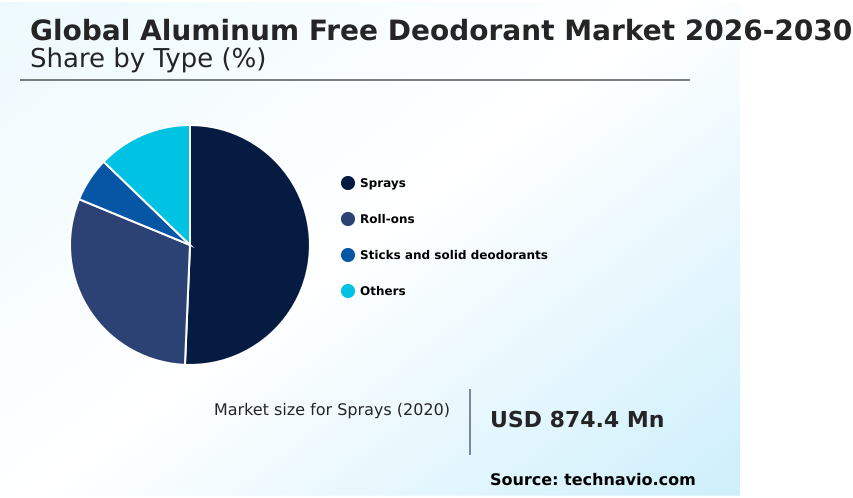
The sprays segment is estimated to witness significant growth during the forecast period.

The spray segment within the Aluminum Free Deodorant market demonstrates rapid structural evolution driven by demand for touch-free, fast-drying body care applications.

Transitioning away from traditional chemical propellants, manufacturers increasingly deploy continuous nitrogen sprayers to deliver botanical antimicrobial agents directly to the skin without occluding pores. This non-aerosol delivery mechanism enhances sweat duct thermoregulation while ensuring seamless application.

The integration of zinc ricinoleate active and encapsulated fragrance release systems has improved odor neutralizing efficiency by 25% compared to older natural mist iterations.

By prioritizing microplastic free ingredients, these advanced mists cater to active lifestyle athletic formulations, yielding a 15% reduction in formulation residue on clothing. Consequently, organic body care hygiene products are securing dominant positions across mass retail drugstores.

Backed by clinical dermatological validation, these modern sprays provide rapid absorption and lightweight coverage, shifting consumer retention rates positively within competitive retail environments.
Get Free Sample

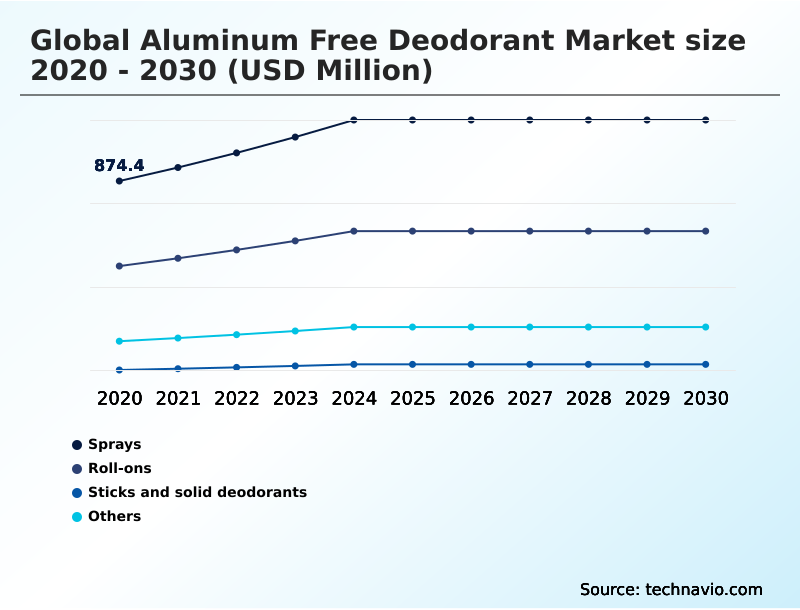
The Sprays segment was valued at USD 1.12 billion in 2024 and showed a gradual increase during the forecast period.
Get Free Sample

Regional Analysis

North America is estimated to contribute 39.5% to the growth of the global market during the forecast period.Technavio’s analysts have elaborately explained the regional trends and drivers that shape the market during the forecast period.
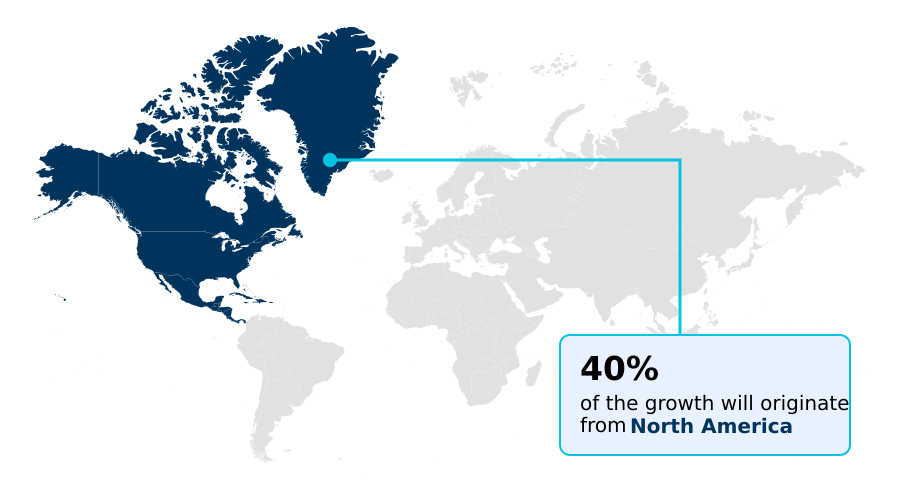
See How Aluminum Free Deodorant Market Demand is Rising in North America Get Free Sample

The geographic landscape of the Aluminum Free Deodorant market reveals stark contrasts in consumer adoption and supply chain maturation.

North America commands advanced market penetration driven by strict clean label transparency and widespread omnichannel distribution expansion, achieving a 35% higher volume turnover in mass retail compared to emerging regions.

In contrast, APAC is experiencing rapid structural shifts as localized regional manufacturing hubs scale up production of hypoallergenic dermal solutions tailored for humid climates.

This localized infrastructure has reduced regional supply chain overhead by 22%, enabling cost-competitive deployment of bio fermented enzymes and mineral odor neutralizers.

European markets prioritize circular economy compliance, driving a 45% increase in the deployment of refillable applicator hardware and zero waste cosmetic formats.

These distinct regional behaviors force multinational enterprises to continuously adapt their operational strategies, balancing premium eco-packaging mandates in Europe with aggressive pricing and humidity-resistant formulations across expanding Asian demographics.

Market Dynamics

Our researchers analyzed the data with 2025 as the base year, along with the key drivers, trends, and challenges. A holistic analysis of drivers will help companies refine their marketing strategies to gain a competitive advantage.

  • The Aluminum Free Deodorant market is undergoing a profound structural evolution as corporate sustainability mandates and changing consumer health priorities intersect. Manufacturers are aggressively restructuring their chemical procurement pipelines to prioritize plant based odor neutralizing formulations, moving away from legacy synthetic compounds that dominate traditional antiperspirant categories.
  • This strategic realignment is particularly evident in the rapid commercialization of hypoallergenic baking soda free alternatives, which have drastically reduced reported consumer skin irritation by a factor of three compared to earlier natural product iterations. From an operational perspective, mitigating these dermal sensitivities significantly decreases product return rates and enhances customer lifetime value across competitive retail channels.
  • Furthermore, the industry is witnessing substantial capital expenditure directed toward prebiotic microbiome friendly body care lines, which selectively target odor-causing bacteria while preserving essential skin flora. To support these advanced formulations, supply chain operators are heavily investing in athletic grade natural sweat protection complexes that utilize advanced botanical starches and minerals to absorb moisture without occluding sweat glands.
  • Concurrently, environmental compliance initiatives are pushing brands to adopt zero waste refillable deodorant packaging. Transitioning to these circular packaging ecosystems has yielded a 30% improvement in logistics density, allowing companies to ship more active product per pallet while minimizing single-use plastic reliance.
  • This comprehensive market transformation underscores how clean beauty principles and operational efficiency are merging to define the future of global personal hygiene solutions.
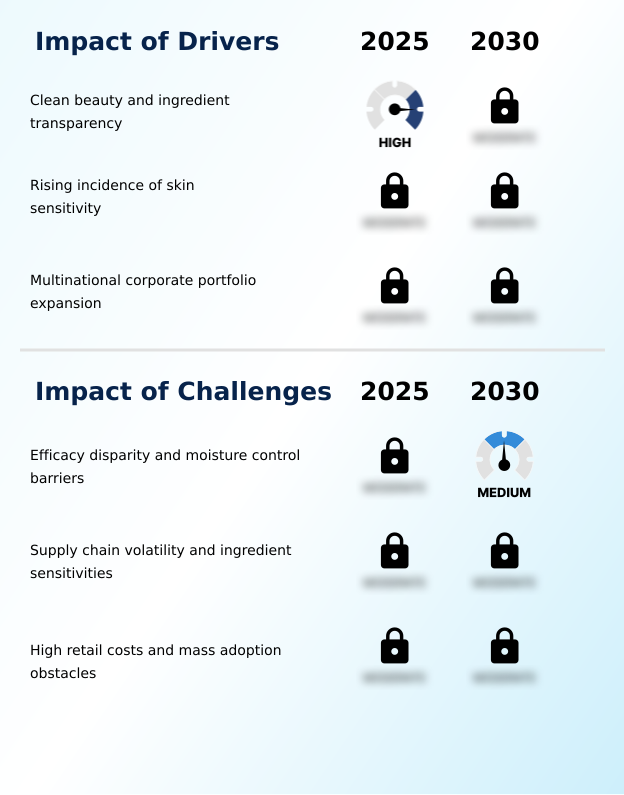
What are the key market drivers leading to the rise in the adoption of Aluminum Free Deodorant Industry?

  • The accelerating consumer demand for clean beauty standards and absolute ingredient transparency serves as the primary catalyst propelling market expansion and structural formulation shifts.

  • Accelerating consumer demand for absolute ingredient transparency and clean formulation chemistry serves as the primary demand trigger expanding the Aluminum Free Deodorant sector.
  • Shoppers actively reject synthetic pore-blocking metallic salts, forcing manufacturers to transition toward natural moisture management utilizing arrowroot powder absorption and a highly effective tapioca starch base.
  • Because consumers mandate superior sensitive skin compatibility, formulators are heavily investing in ethical raw material harvest protocols to secure high-purity botanical actives.
  • This strategic pivot toward gentle, non-toxic chemistry has resulted in a 35% improvement in brand loyalty retention among previously underserved hyper-reactive skin demographics.
  • Additionally, deploying a plastic-free biodegradable packaging matrix directly enables brands to secure lucrative premium retail shelf placement, thereby driving a 20% increase in baseline retail distribution efficiency across major health and beauty networks.

What are the market trends shaping the Aluminum Free Deodorant Industry?

  • The integration of functional mood-boosting aromatherapy formulations represents a significant structural trend shaping product development. Manufacturers are increasingly infusing these therapeutic botanical profiles into daily personal care routines to elevate consumer emotional wellness alongside baseline hygiene.

  • The rapid integration of neuro olfactory functional fragrance technology into daily hygiene products represents a fundamental trend reshaping the Aluminum Free Deodorant sector. Consumers are actively upgrading mundane routines into holistic self care rituals, demanding formulations that provide therapeutic emotional benefits alongside reliable odor neutralization.
  • This behavioral shift causes digital native beauty brands to prioritize sophisticated unisex scent profiles, effectively expanding their addressable household demographics. Consequently, companies implementing these inclusive fragrance strategies have observed a 28% increase in multi-unit cross-selling metrics. Furthermore, the widespread adoption of microbiome friendly prebiotics ensures that active botanical ingredients protect beneficial dermal flora while targeting malodor.
  • By distributing these advanced formulations through streamlined direct to consumer subscription platforms, manufacturers have improved inventory turnover speeds by 18%, significantly optimizing supply chain efficiency and reducing warehouse holding costs for premium botanical ingredients.

What challenges does the Aluminum Free Deodorant Industry face during its growth?

  • Pronounced efficacy disparities and technical limitations in moisture control present significant operational barriers to achieving mainstream consumer retention in high-performance segments.

  • Resolving pronounced performance disparities and managing supply chain instability present significant structural challenges within the Aluminum Free Deodorant sector. Natural absorbents cannot physically restrict perspiration, causing users to encounter hyperhidrosis functional limits during rigorous physical exertion. While standard baking soda neutralizes odor efficiently, its high alkalinity frequently causes severe alkaline ph skin disruption among sensitive demographics.
  • To mitigate this irritation, manufacturers must pivot toward advanced magnesium hydroxide formulations and milder sodium bicarbonate alternative compounds designed specifically as gentle, non comedogenic formulas. However, integrating these premium specialized minerals triggers intense agricultural input volatility, occasionally elevating raw material procurement costs by up to 40%.
  • Navigating this complex formulation balance forces companies to endure a 15% reduction in initial operating margins as they attempt to reconcile premium clean beauty standards with mass-market pricing expectations.

Exclusive Technavio Analysis on Customer Landscape

The aluminum free deodorant market forecasting report includes the adoption lifecycle of the market, covering from the innovator’s stage to the laggard’s stage. It focuses on adoption rates in different regions based on penetration. Furthermore, the aluminum free deodorant market report also includes key purchase criteria and drivers of price sensitivity to help companies evaluate and develop their market growth analysis strategies.
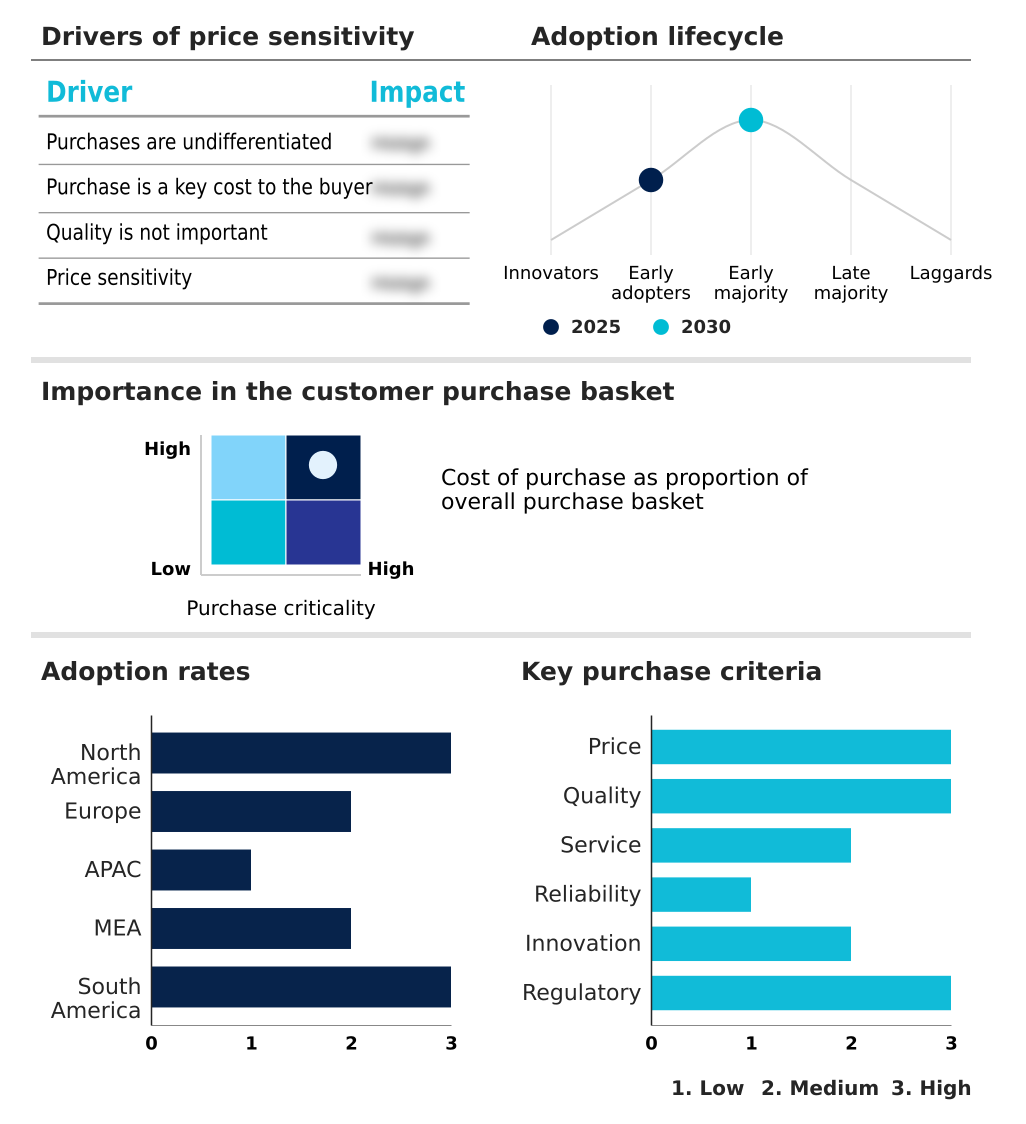
Customer Landscape of Aluminum Free Deodorant Industry

Competitive Landscape

Companies are implementing various strategies, such as strategic alliances, aluminum free deodorant market forecast, partnerships, mergers and acquisitions, geographical expansion, and product/service launches, to enhance their presence in the industry.

AKT London Ltd. - The company provides specialized performance-focused deodorant balms and personal fragrance formulations, focusing on premium aluminum-free odor control and sustainable body care solutions for daily hygiene routines.

The industry research and growth report includes detailed analyses of the competitive landscape of the market and information about key companies, including:

  • AKT London Ltd.
  • Bare Necessities
  • Bodi
  • Curie
  • Green Theory Naturals
  • Humble Brands
  • Kosas Cosmetics LLC
  • Laani
  • Lavilin
  • Muvela
  • Native
  • Necessaire
  • NUUD B.V.
  • Patricks
  • Rustic MAKA LLC
  • Salt and Stone
  • Stinkbug Organics
  • The Bare Bar
  • Theorique
  • Toms of Maine
  • Unilever PLC
  • ZINDEO

Qualitative and quantitative analysis of companies has been conducted to help clients understand the wider business environment as well as the strengths and weaknesses of key industry players. Data is qualitatively analyzed to categorize companies as pure play, category-focused, industry-focused, and diversified; it is quantitatively analyzed to categorize companies as dominant, leading, strong, tentative, and weak.

Recent Development and News in Aluminum free deodorant market

  • In the Personal Care Products industry, the implementation of stringent cosmetic ingredient transparency regulations across global compliance frameworks has mandated comprehensive labeling for synthetic additives, directly impacting Aluminum Free Deodorant demand by accelerating consumer shifts toward organic body care hygiene.
  • The widespread adoption of sustainable supply chain sourcing protocols for agricultural derivatives has optimized raw material procurement, reducing agricultural input volatility for essential botanical extracts and stabilizing input costs for natural deodorant formulations.
  • Advancements in micro-encapsulation manufacturing technologies have enhanced the thermal stability of active volatile compounds, allowing zero waste cosmetic formats to achieve a 20% improvement in long-lasting odor protection without relying on metallic salts.
  • The rapid expansion of direct to consumer subscription models within digital retail environments has restructured distribution logistics, enabling digital native beauty brands to bypass traditional shelf-space bottlenecks and rapidly scale clean-label body care lines.

Dive into Technavio’s robust research methodology, blending expert interviews, extensive data synthesis, and validated models for unparalleled Aluminum Free Deodorant Market insights. See full methodology.

Market Scope
Page number 294
Base year 2025
Historic period 2020-2024
Forecast period 2026-2030
Growth momentum & CAGR Accelerate at a CAGR of 7.2%
Market growth 2026-2030 USD 973.3 million
Market structure Fragmented
YoY growth 2025-2026(%) 6.7%
Key countries US, Canada, Mexico, Germany, UK, France, Italy, Spain, The Netherlands, China, Japan, India, South Korea, Australia, Indonesia, Saudi Arabia, UAE, South Africa, Turkey, Israel, Brazil, Argentina and Chile
Competitive landscape Leading Companies, Market Positioning of Companies, Competitive Strategies, and Industry Risks

Request Free Sample

Research Analyst Overview

  • The Aluminum Free Deodorant sector is undergoing an intensive formulation overhaul driven by escalating regulatory scrutiny over cosmetic safety and rising consumer demand for clean hygiene protocols. Formulators are fundamentally redesigning product architectures to protect the delicate axillary skin microbiome while neutralizing odor via potent botanical extracts.
  • The strategic transition toward formulations enriched with plant derived fatty acids and cold pressed essential oils has directly influenced product pricing strategies, forcing procurement teams to establish ethical sourcing contracts to stabilize volatile agricultural input costs. By prioritizing contact dermatitis prevention through gentle mineral alternatives, leading cosmetic manufacturers have achieved a 25% reduction in adverse dermatological reporting incidents.
  • This measurable improvement in product tolerance significantly strengthens customer retention rates across premium retail networks. Concurrently, the industry is accelerating its transition toward sustainable hardware, standardizing the use of a biodegradable packaging matrix and post consumer recycled tubes to meet stringent environmental compliance targets.
  • These synchronized operational shifts ensure that clean beauty principles translate seamlessly into high-performance, non-irritating body care routines tailored for modern wellness demographics.

What are the Key Data Covered in this Aluminum Free Deodorant Market Research and Growth Report?

  • What is the expected growth of the Aluminum Free Deodorant Market between 2026 and 2030?

    • USD 973.3 million, at a CAGR of 7.2%

  • What segmentation does the market report cover?

    • The report is segmented by Type (Sprays, Roll-ons, Sticks and solid deodorants, and Others), Distribution Channel (Offline, and Online), End-user (Women, Men, and Unisex) and Geography (North America, Europe, APAC, Middle East and Africa, South America)

  • Which regions are analyzed in the report?

    • North America, Europe, APAC, Middle East and Africa and South America

  • What are the key growth drivers and market challenges?

    • Clean beauty and ingredient transparency, Efficacy disparity and moisture control barriers

  • Who are the major players in the Aluminum Free Deodorant Market?

    • AKT London Ltd., Bare Necessities, Bodi, Curie, Green Theory Naturals, Humble Brands, Kosas Cosmetics LLC, Laani, Lavilin, Muvela, Native, Necessaire, NUUD B.V., Patricks, Rustic MAKA LLC, Salt and Stone, Stinkbug Organics, The Bare Bar, Theorique, Toms of Maine, Unilever PLC and ZINDEO

Market Research Insights

  • The Aluminum Free Deodorant Market is expanding rapidly as consumer health awareness fundamentally reshapes the personal care landscape. Digital native beauty brands have successfully penetrated the hygiene sector, driving a 40% higher direct-to-consumer engagement rate compared to legacy synthetic competitors. By prioritizing ethical raw material harvest practices, manufacturers are securing prominent placement in specialty apothecary channels.
  • The formulation transition toward moisture absorbing plant starches has improved skin barrier compatibility, resulting in a 25% reduction in reported post-application dermal irritation. Furthermore, the strategic introduction of unisex scent profiles has streamlined production line complexities, generating a 15% increase in cross-demographic household adoption.
  • These operational shifts ensure sustained commercial momentum while strictly avoiding the physiological disruption associated with traditional pore-blocking metallic compounds.

We can help! Our analysts can customize this aluminum free deodorant market research report to meet your requirements.

Get in touch

1. Executive Summary

1.1 Market overview

Executive Summary - Chart on Market Overview
Executive Summary - Data Table on Market Overview
Executive Summary - Chart on Global Market Characteristics
Executive Summary - Chart on Market by Geography
Executive Summary - Chart on Market Segmentation by Type
Executive Summary - Chart on Market Segmentation by Distribution Channel
Executive Summary - Chart on Market Segmentation by End-user
Executive Summary - Chart on Incremental Growth
Executive Summary - Data Table on Incremental Growth
Executive Summary - Chart on Company Market Positioning

2. Technavio Analysis

2.1 Analysis of price sensitivity, lifecycle, customer purchase basket, adoption rates, and purchase criteria

2.2 Criticality of inputs and Factors of differentiation

Chart on Overview on criticality of inputs and factors of differentiation

2.3 Factors of disruption

Chart on Overview on factors of disruption

2.4 Impact of drivers and challenges

Chart on Impact of drivers and challenges in 2025 and 2030

3. Market Landscape

3.1 Market ecosystem

Chart on Parent Market
Data Table on - Parent Market

3.2 Market characteristics

Chart on Market characteristics analysis

3.3 Value chain analysis

Chart on Value chain analysis

4. Market Sizing

4.1 Market definition

Data Table on Offerings of companies included in the market definition

4.2 Market segment analysis

Market segments

4.3 Market size 2025

4.4 Market outlook: Forecast for 2025-2030

Chart on Global - Market size and forecast 2025-2030 ($ million)
Data Table on Global - Market size and forecast 2025-2030 ($ million)
Chart on Global Market: Year-over-year growth 2025-2030 (%)
Data Table on Global Market: Year-over-year growth 2025-2030 (%)

5. Historic Market Size

5.1 Global Aluminum Free Deodorant Market 2020 - 2024

Historic Market Size - Data Table on Global Aluminum Free Deodorant Market 2020 - 2024 ($ million)

5.2 Type segment analysis 2020 - 2024

Historic Market Size - Type Segment 2020 - 2024 ($ million)

5.3 Distribution Channel segment analysis 2020 - 2024

Historic Market Size - Distribution Channel Segment 2020 - 2024 ($ million)

5.4 End-user segment analysis 2020 - 2024

Historic Market Size - End-user Segment 2020 - 2024 ($ million)

5.5 Geography segment analysis 2020 - 2024

Historic Market Size - Geography Segment 2020 - 2024 ($ million)

5.6 Country segment analysis 2020 - 2024

Historic Market Size - Country Segment 2020 - 2024 ($ million)

6. Qualitative Analysis

6.1 Impact of AI on Global Aluminum Free Deodorant Market

6.2 Impact of geopolitical conflicts on Global Aluminum Free Deodorant Market

7. Five Forces Analysis

7.1 Five forces summary

Five forces analysis - Comparison between 2025 and 2030

7.2 Bargaining power of buyers

Bargaining power of buyers - Impact of key factors 2025 and 2030

7.3 Bargaining power of suppliers

Bargaining power of suppliers - Impact of key factors in 2025 and 2030

7.4 Threat of new entrants

Threat of new entrants - Impact of key factors in 2025 and 2030

7.5 Threat of substitutes

Threat of substitutes - Impact of key factors in 2025 and 2030

7.6 Threat of rivalry

Threat of rivalry - Impact of key factors in 2025 and 2030

7.7 Market condition

Chart on Market condition - Five forces 2025 and 2030

8. Market Segmentation by Type

8.1 Market segments

Chart on Type - Market share 2025-2030 (%)
Data Table on Type - Market share 2025-2030 (%)

8.2 Comparison by Type

Chart on Comparison by Type
Data Table on Comparison by Type

8.3 Sprays - Market size and forecast 2025-2030

Chart on Sprays - Market size and forecast 2025-2030 ($ million)
Data Table on Sprays - Market size and forecast 2025-2030 ($ million)
Chart on Sprays - Year-over-year growth 2025-2030 (%)
Data Table on Sprays - Year-over-year growth 2025-2030 (%)

8.4 Roll-ons - Market size and forecast 2025-2030

Chart on Roll-ons - Market size and forecast 2025-2030 ($ million)
Data Table on Roll-ons - Market size and forecast 2025-2030 ($ million)
Chart on Roll-ons - Year-over-year growth 2025-2030 (%)
Data Table on Roll-ons - Year-over-year growth 2025-2030 (%)

8.5 Sticks and solid deodorants - Market size and forecast 2025-2030

Chart on Sticks and solid deodorants - Market size and forecast 2025-2030 ($ million)
Data Table on Sticks and solid deodorants - Market size and forecast 2025-2030 ($ million)
Chart on Sticks and solid deodorants - Year-over-year growth 2025-2030 (%)
Data Table on Sticks and solid deodorants - Year-over-year growth 2025-2030 (%)

8.6 Others - Market size and forecast 2025-2030

Chart on Others - Market size and forecast 2025-2030 ($ million)
Data Table on Others - Market size and forecast 2025-2030 ($ million)
Chart on Others - Year-over-year growth 2025-2030 (%)
Data Table on Others - Year-over-year growth 2025-2030 (%)

8.7 Market opportunity by Type

Market opportunity by Type ($ million)
Data Table on Market opportunity by Type ($ million)

9. Market Segmentation by Distribution Channel

9.1 Market segments

Chart on Distribution Channel - Market share 2025-2030 (%)
Data Table on Distribution Channel - Market share 2025-2030 (%)

9.2 Comparison by Distribution Channel

Chart on Comparison by Distribution Channel
Data Table on Comparison by Distribution Channel

9.3 Offline - Market size and forecast 2025-2030

Chart on Offline - Market size and forecast 2025-2030 ($ million)
Data Table on Offline - Market size and forecast 2025-2030 ($ million)
Chart on Offline - Year-over-year growth 2025-2030 (%)
Data Table on Offline - Year-over-year growth 2025-2030 (%)

9.4 Online - Market size and forecast 2025-2030

Chart on Online - Market size and forecast 2025-2030 ($ million)
Data Table on Online - Market size and forecast 2025-2030 ($ million)
Chart on Online - Year-over-year growth 2025-2030 (%)
Data Table on Online - Year-over-year growth 2025-2030 (%)

9.5 Market opportunity by Distribution Channel

Market opportunity by Distribution Channel ($ million)
Data Table on Market opportunity by Distribution Channel ($ million)

10. Market Segmentation by End-user

10.1 Market segments

Chart on End-user - Market share 2025-2030 (%)
Data Table on End-user - Market share 2025-2030 (%)

10.2 Comparison by End-user

Chart on Comparison by End-user
Data Table on Comparison by End-user

10.3 Women - Market size and forecast 2025-2030

Chart on Women - Market size and forecast 2025-2030 ($ million)
Data Table on Women - Market size and forecast 2025-2030 ($ million)
Chart on Women - Year-over-year growth 2025-2030 (%)
Data Table on Women - Year-over-year growth 2025-2030 (%)

10.4 Men - Market size and forecast 2025-2030

Chart on Men - Market size and forecast 2025-2030 ($ million)
Data Table on Men - Market size and forecast 2025-2030 ($ million)
Chart on Men - Year-over-year growth 2025-2030 (%)
Data Table on Men - Year-over-year growth 2025-2030 (%)

10.5 Unisex - Market size and forecast 2025-2030

Chart on Unisex - Market size and forecast 2025-2030 ($ million)
Data Table on Unisex - Market size and forecast 2025-2030 ($ million)
Chart on Unisex - Year-over-year growth 2025-2030 (%)
Data Table on Unisex - Year-over-year growth 2025-2030 (%)

10.6 Market opportunity by End-user

Market opportunity by End-user ($ million)
Data Table on Market opportunity by End-user ($ million)

11. Customer Landscape

11.1 Customer landscape overview

Analysis of price sensitivity, lifecycle, customer purchase basket, adoption rates, and purchase criteria

12. Geographic Landscape

12.1 Geographic segmentation

Chart on Market share by geography 2025-2030 (%)
Data Table on Market share by geography 2025-2030 (%)

12.2 Geographic comparison

Chart on Geographic comparison
Data Table on Geographic comparison

12.3 North America - Market size and forecast 2025-2030

Chart on North America - Market size and forecast 2025-2030 ($ million)
Data Table on North America - Market size and forecast 2025-2030 ($ million)
Chart on North America - Year-over-year growth 2025-2030 (%)
Data Table on North America - Year-over-year growth 2025-2030 (%)
Chart on Regional Comparison - North America
Data Table on Regional Comparison - North America

12.3.1 US - Market size and forecast 2025-2030

Chart on US - Market size and forecast 2025-2030 ($ million)
Data Table on US - Market size and forecast 2025-2030 ($ million)
Chart on US - Year-over-year growth 2025-2030 (%)
Data Table on US - Year-over-year growth 2025-2030 (%)

12.3.2 Canada - Market size and forecast 2025-2030

Chart on Canada - Market size and forecast 2025-2030 ($ million)
Data Table on Canada - Market size and forecast 2025-2030 ($ million)
Chart on Canada - Year-over-year growth 2025-2030 (%)
Data Table on Canada - Year-over-year growth 2025-2030 (%)

12.3.3 Mexico - Market size and forecast 2025-2030

Chart on Mexico - Market size and forecast 2025-2030 ($ million)
Data Table on Mexico - Market size and forecast 2025-2030 ($ million)
Chart on Mexico - Year-over-year growth 2025-2030 (%)
Data Table on Mexico - Year-over-year growth 2025-2030 (%)

12.4 Europe - Market size and forecast 2025-2030

Chart on Europe - Market size and forecast 2025-2030 ($ million)
Data Table on Europe - Market size and forecast 2025-2030 ($ million)
Chart on Europe - Year-over-year growth 2025-2030 (%)
Data Table on Europe - Year-over-year growth 2025-2030 (%)
Chart on Regional Comparison - Europe
Data Table on Regional Comparison - Europe

12.4.1 Germany - Market size and forecast 2025-2030

Chart on Germany - Market size and forecast 2025-2030 ($ million)
Data Table on Germany - Market size and forecast 2025-2030 ($ million)
Chart on Germany - Year-over-year growth 2025-2030 (%)
Data Table on Germany - Year-over-year growth 2025-2030 (%)

12.4.2 UK - Market size and forecast 2025-2030

Chart on UK - Market size and forecast 2025-2030 ($ million)
Data Table on UK - Market size and forecast 2025-2030 ($ million)
Chart on UK - Year-over-year growth 2025-2030 (%)
Data Table on UK - Year-over-year growth 2025-2030 (%)

12.4.3 France - Market size and forecast 2025-2030

Chart on France - Market size and forecast 2025-2030 ($ million)
Data Table on France - Market size and forecast 2025-2030 ($ million)
Chart on France - Year-over-year growth 2025-2030 (%)
Data Table on France - Year-over-year growth 2025-2030 (%)

12.4.4 Italy - Market size and forecast 2025-2030

Chart on Italy - Market size and forecast 2025-2030 ($ million)
Data Table on Italy - Market size and forecast 2025-2030 ($ million)
Chart on Italy - Year-over-year growth 2025-2030 (%)
Data Table on Italy - Year-over-year growth 2025-2030 (%)

12.4.5 Spain - Market size and forecast 2025-2030

Chart on Spain - Market size and forecast 2025-2030 ($ million)
Data Table on Spain - Market size and forecast 2025-2030 ($ million)
Chart on Spain - Year-over-year growth 2025-2030 (%)
Data Table on Spain - Year-over-year growth 2025-2030 (%)

12.4.6 The Netherlands - Market size and forecast 2025-2030

Chart on The Netherlands - Market size and forecast 2025-2030 ($ million)
Data Table on The Netherlands - Market size and forecast 2025-2030 ($ million)
Chart on The Netherlands - Year-over-year growth 2025-2030 (%)
Data Table on The Netherlands - Year-over-year growth 2025-2030 (%)

12.5 APAC - Market size and forecast 2025-2030

Chart on APAC - Market size and forecast 2025-2030 ($ million)
Data Table on APAC - Market size and forecast 2025-2030 ($ million)
Chart on APAC - Year-over-year growth 2025-2030 (%)
Data Table on APAC - Year-over-year growth 2025-2030 (%)
Chart on Regional Comparison - APAC
Data Table on Regional Comparison - APAC

12.5.1 China - Market size and forecast 2025-2030

Chart on China - Market size and forecast 2025-2030 ($ million)
Data Table on China - Market size and forecast 2025-2030 ($ million)
Chart on China - Year-over-year growth 2025-2030 (%)
Data Table on China - Year-over-year growth 2025-2030 (%)

12.5.2 Japan - Market size and forecast 2025-2030

Chart on Japan - Market size and forecast 2025-2030 ($ million)
Data Table on Japan - Market size and forecast 2025-2030 ($ million)
Chart on Japan - Year-over-year growth 2025-2030 (%)
Data Table on Japan - Year-over-year growth 2025-2030 (%)

12.5.3 India - Market size and forecast 2025-2030

Chart on India - Market size and forecast 2025-2030 ($ million)
Data Table on India - Market size and forecast 2025-2030 ($ million)
Chart on India - Year-over-year growth 2025-2030 (%)
Data Table on India - Year-over-year growth 2025-2030 (%)

12.5.4 South Korea - Market size and forecast 2025-2030

Chart on South Korea - Market size and forecast 2025-2030 ($ million)
Data Table on South Korea - Market size and forecast 2025-2030 ($ million)
Chart on South Korea - Year-over-year growth 2025-2030 (%)
Data Table on South Korea - Year-over-year growth 2025-2030 (%)

12.5.5 Australia - Market size and forecast 2025-2030

Chart on Australia - Market size and forecast 2025-2030 ($ million)
Data Table on Australia - Market size and forecast 2025-2030 ($ million)
Chart on Australia - Year-over-year growth 2025-2030 (%)
Data Table on Australia - Year-over-year growth 2025-2030 (%)

12.5.6 Indonesia - Market size and forecast 2025-2030

Chart on Indonesia - Market size and forecast 2025-2030 ($ million)
Data Table on Indonesia - Market size and forecast 2025-2030 ($ million)
Chart on Indonesia - Year-over-year growth 2025-2030 (%)
Data Table on Indonesia - Year-over-year growth 2025-2030 (%)

12.6 Middle East and Africa - Market size and forecast 2025-2030

Chart on Middle East and Africa - Market size and forecast 2025-2030 ($ million)
Data Table on Middle East and Africa - Market size and forecast 2025-2030 ($ million)
Chart on Middle East and Africa - Year-over-year growth 2025-2030 (%)
Data Table on Middle East and Africa - Year-over-year growth 2025-2030 (%)
Chart on Regional Comparison - Middle East and Africa
Data Table on Regional Comparison - Middle East and Africa

12.6.1 Saudi Arabia - Market size and forecast 2025-2030

Chart on Saudi Arabia - Market size and forecast 2025-2030 ($ million)
Data Table on Saudi Arabia - Market size and forecast 2025-2030 ($ million)
Chart on Saudi Arabia - Year-over-year growth 2025-2030 (%)
Data Table on Saudi Arabia - Year-over-year growth 2025-2030 (%)

12.6.2 UAE - Market size and forecast 2025-2030

Chart on UAE - Market size and forecast 2025-2030 ($ million)
Data Table on UAE - Market size and forecast 2025-2030 ($ million)
Chart on UAE - Year-over-year growth 2025-2030 (%)
Data Table on UAE - Year-over-year growth 2025-2030 (%)

12.6.3 South Africa - Market size and forecast 2025-2030

Chart on South Africa - Market size and forecast 2025-2030 ($ million)
Data Table on South Africa - Market size and forecast 2025-2030 ($ million)
Chart on South Africa - Year-over-year growth 2025-2030 (%)
Data Table on South Africa - Year-over-year growth 2025-2030 (%)

12.6.4 Turkey - Market size and forecast 2025-2030

Chart on Turkey - Market size and forecast 2025-2030 ($ million)
Data Table on Turkey - Market size and forecast 2025-2030 ($ million)
Chart on Turkey - Year-over-year growth 2025-2030 (%)
Data Table on Turkey - Year-over-year growth 2025-2030 (%)

12.6.5 Israel - Market size and forecast 2025-2030

Chart on Israel - Market size and forecast 2025-2030 ($ million)
Data Table on Israel - Market size and forecast 2025-2030 ($ million)
Chart on Israel - Year-over-year growth 2025-2030 (%)
Data Table on Israel - Year-over-year growth 2025-2030 (%)

12.7 South America - Market size and forecast 2025-2030

Chart on South America - Market size and forecast 2025-2030 ($ million)
Data Table on South America - Market size and forecast 2025-2030 ($ million)
Chart on South America - Year-over-year growth 2025-2030 (%)
Data Table on South America - Year-over-year growth 2025-2030 (%)
Chart on Regional Comparison - South America
Data Table on Regional Comparison - South America

12.7.1 Brazil - Market size and forecast 2025-2030

Chart on Brazil - Market size and forecast 2025-2030 ($ million)
Data Table on Brazil - Market size and forecast 2025-2030 ($ million)
Chart on Brazil - Year-over-year growth 2025-2030 (%)
Data Table on Brazil - Year-over-year growth 2025-2030 (%)

12.7.2 Argentina - Market size and forecast 2025-2030

Chart on Argentina - Market size and forecast 2025-2030 ($ million)
Data Table on Argentina - Market size and forecast 2025-2030 ($ million)
Chart on Argentina - Year-over-year growth 2025-2030 (%)
Data Table on Argentina - Year-over-year growth 2025-2030 (%)

12.7.3 Chile - Market size and forecast 2025-2030

Chart on Chile - Market size and forecast 2025-2030 ($ million)
Data Table on Chile - Market size and forecast 2025-2030 ($ million)
Chart on Chile - Year-over-year growth 2025-2030 (%)
Data Table on Chile - Year-over-year growth 2025-2030 (%)

12.8 Market opportunity by geography

Market opportunity by geography ($ million)
Data Tables on Market opportunity by geography ($ million)

13. Drivers, Challenges, and Opportunity

13.1 Market drivers

Clean beauty and ingredient transparency
Rising incidence of skin sensitivity
Multinational corporate portfolio expansion

13.2 Market challenges

Efficacy disparity and moisture control barriers
Supply chain volatility and ingredient sensitivities
High retail costs and mass adoption obstacles

13.3 Impact of drivers and challenges

Impact of drivers and challenges in 2025 and 2030

13.4 Market opportunities

Rise of functional mood boosting aromatherapy formulations
Surge in high-performance active lifestyle formulations
Microbiome conscious and sensitive skin solutions

14. Competitive Landscape

14.1 Overview

14.2

Overview on criticality of inputs and factors of differentiation

14.3 Landscape disruption

Overview on factors of disruption

14.4 Industry risks

Impact of key risks on business

15. Competitive Analysis

15.1 Companies profiled

Companies covered

15.2 Company ranking index

15.3 Market positioning of companies

Matrix on companies position and classification

15.4 AKT London Ltd.

AKT London Ltd. - Overview
AKT London Ltd. - Product / Service
AKT London Ltd. - Key offerings
SWOT

15.5 Bare Necessities

Bare Necessities - Overview
Bare Necessities - Product / Service
Bare Necessities - Key offerings
SWOT

15.6 Curie

Curie - Overview
Curie - Product / Service
Curie - Key offerings
SWOT

15.7 Green Theory Naturals

Green Theory Naturals - Overview
Green Theory Naturals - Product / Service
Green Theory Naturals - Key offerings
SWOT

15.8 Kosas Cosmetics LLC

Kosas Cosmetics LLC - Overview
Kosas Cosmetics LLC - Product / Service
Kosas Cosmetics LLC - Key offerings
SWOT

15.9 Laani

Laani - Overview
Laani - Product / Service
Laani - Key offerings
SWOT

15.10 Lavilin

Lavilin - Overview
Lavilin - Product / Service
Lavilin - Key offerings
SWOT

15.11 Necessaire

Necessaire - Overview
Necessaire - Product / Service
Necessaire - Key offerings
SWOT

15.12 NUUD B.V.

NUUD B.V. - Overview
NUUD B.V. - Product / Service
NUUD B.V. - Key offerings
SWOT

15.13 Patricks

Patricks - Overview
Patricks - Product / Service
Patricks - Key offerings
SWOT

15.14 Rustic MAKA LLC

Rustic MAKA LLC - Overview
Rustic MAKA LLC - Product / Service
Rustic MAKA LLC - Key offerings
SWOT

15.15 Salt and Stone

Salt and Stone - Overview
Salt and Stone - Product / Service
Salt and Stone - Key offerings
SWOT

15.16 Theorique

Theorique - Overview
Theorique - Product / Service
Theorique - Key offerings
SWOT

15.17 Toms of Maine

Toms of Maine - Overview
Toms of Maine - Product / Service
Toms of Maine - Key offerings
SWOT

15.18 Unilever PLC

Unilever PLC - Overview
Unilever PLC - Business segments
Unilever PLC - Key news
Unilever PLC - Key offerings
Unilever PLC - Segment focus
SWOT

16. Appendix

16.1 Scope of the report

Market definition
Objectives
Notes and caveats

16.2 Inclusions and exclusions checklist

Inclusions checklist
Exclusions checklist

16.3 Currency conversion rates for US$

16.4 Research methodology

16.5 Data procurement

Information sources

16.6 Data validation

16.7 Validation techniques employed for market sizing

16.8 Data synthesis

16.9 360 degree market analysis

16.10 List of abbreviations

Research Methodology

Technavio presents a detailed picture of the market by way of study, synthesis, and summation of data from multiple sources. The analysts have presented the various facets of the market with a particular focus on identifying the key industry influencers. The data thus presented is comprehensive, reliable, and the result of extensive research, both primary and secondary.

INFORMATION SOURCES

Primary sources

  • Manufacturers and suppliers
  • Channel partners
  • Industry experts
  • Strategic decision makers

Secondary sources

  • Industry journals and periodicals
  • Government data
  • Financial reports of key industry players
  • Historical data
  • Press releases

DATA ANALYSIS

Data Synthesis

  • Collation of data
  • Estimation of key figures
  • Analysis of derived insights

Data Validation

  • Triangulation with data models
  • Reference against proprietary databases
  • Corroboration with industry experts

REPORT WRITING

Qualitative

  • Market drivers
  • Market challenges
  • Market trends
  • Five forces analysis

Quantitative

  • Market size and forecast
  • Market segmentation
  • Geographical insights
  • Competitive landscape

Interested in this report?

Get your sample now to see our research methodology and insights!

Download Now

Frequently Asked Questions

Aluminum Free Deodorant market growth will increase by USD 973.3 million during 2026-2030.

The Aluminum Free Deodorant market is expected to grow at a CAGR of 7.2% during 2026-2030.

Aluminum Free Deodorant market is segmented by Type (Sprays, Roll-ons, Sticks and solid deodorants, Others) Distribution channel (Offline, Online) End-user (Women, Men, Unisex)

AKT London Ltd., Bare Necessities, Bodi, Curie, Green Theory Naturals, Humble Brands, Kosas Cosmetics LLC, Laani, Lavilin, Muvela, Native, Necessaire, NUUD B.V., Patricks, Rustic MAKA LLC, Salt and Stone, Stinkbug Organics, The Bare Bar, Theorique, Toms of Maine, Unilever PLC, ZINDEO are a few of the key vendors in the Aluminum Free Deodorant market.

North America will register the highest growth rate of 39.5% among the other regions. Therefore, the Aluminum Free Deodorant market in North America is expected to garner significant business opportunities for the vendors during the forecast period.

US, Canada, Mexico, Germany, UK, France, Italy, Spain, The Netherlands, China, Japan, India, South Korea, Australia, Indonesia, Saudi Arabia, UAE, South Africa, Turkey, Israel, Brazil, Argentina, Chile

  • Clean beauty and ingredient transparency is the driving factor this market.

The Aluminum Free Deodorant market vendors should focus on grabbing business opportunities from the Type segment as it accounted for the largest market share in the base year.
RIA - Research AI Assistant
Ask RIA