
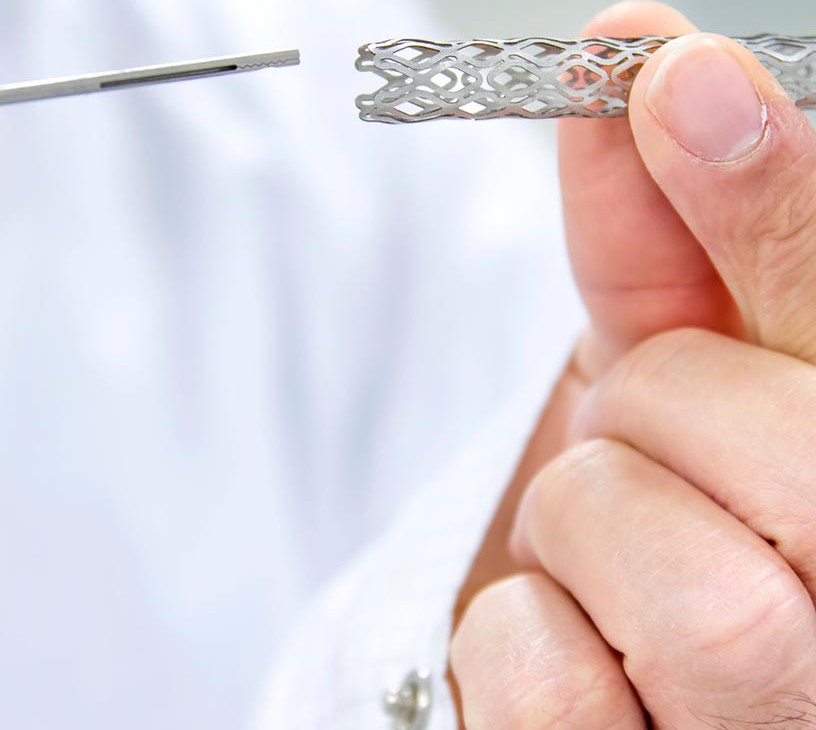


Aortic Stent Grafts Market Size 2026-2030
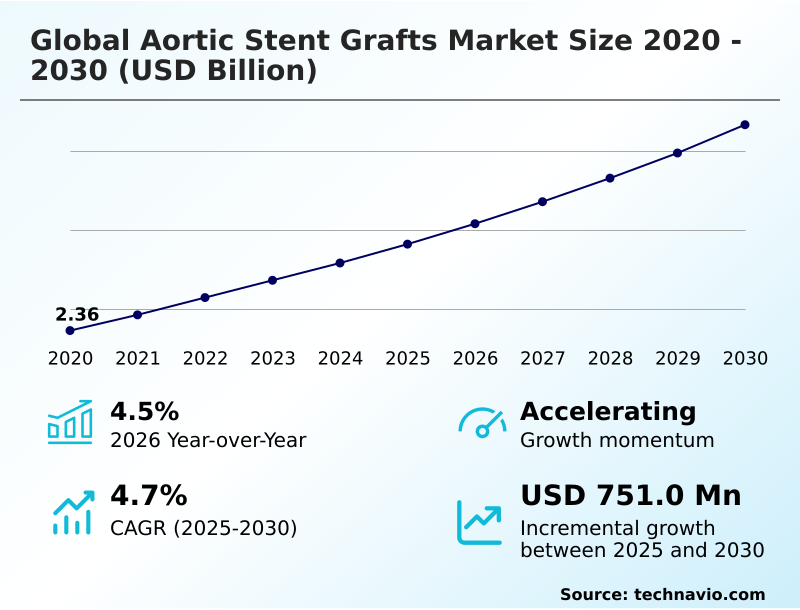
The aortic stent grafts market size is valued to increase by USD 751 million, at a CAGR of 4.7% from 2025 to 2030. Strategic mainstreaming of endovascular aneurysm repair techniques will drive the aortic stent grafts market.
Major Market Trends & Insights
- North America dominated the market and accounted for a 49.3% growth during the forecast period.
- By Product - AAA segment was valued at USD 2.10 billion in 2024
- By End-user - Hospitals segment accounted for the largest market revenue share in 2024
Market Size & Forecast
- Market Opportunities: USD 1.30 billion
- Market Future Opportunities: USD 751 million
- CAGR from 2025 to 2030 : 4.7%
Market Summary
- The aortic stent grafts market is undergoing a significant transformation, driven by the widespread adoption of endovascular aneurysm repair (EVAR) and thoracic endovascular aortic repair (TEVAR) as preferred alternatives to high-risk open surgery. This shift is fueled by compelling clinical data demonstrating reduced recovery times and lower mortality.
- A central focus is the development of next-generation biocompatible materials, including advanced ePTFE fabric and durable nitinol frames, which enhance the long-term performance of vascular grafts. Innovation is particularly concentrated on creating low-profile delivery systems and modular designs to address complex aortic anatomy solutions, thereby expanding the patient population eligible for these minimally invasive procedures.
- For instance, a hospital system implementing patient-specific engineering workflows for fenestrated stent grafts can improve procedural success in juxtarenal aneurysm cases, which were previously difficult to treat.
- However, the industry faces hurdles related to the technical limitations of treating hostile aortic neck anatomy and the high costs associated with regulatory compliance for medical devices, which can slow the market entry of new technologies like those for transcatheter ascending repair.
- The continuous evolution of these devices is pivotal for advancing cardiovascular risk management and improving outcomes in geriatric vascular care.
What will be the Size of the Aortic Stent Grafts Market during the forecast period?
Get Key Insights on Market Forecast (PDF) Request Free Sample
How is the Aortic Stent Grafts Market Segmented?
The aortic stent grafts industry research report provides comprehensive data (region-wise segment analysis), with forecasts and estimates in "USD million" for the period 2026-2030, as well as historical data from 2020-2024 for the following segments.
- Product
- AAA
- TAA
- End-user
- Hospitals
- Ambulatory surgical centers
- Material
- Synthetic materials
- Allograft materials
- Geography
- North America
- US
- Canada
- Mexico
- Europe
- Germany
- UK
- France
- Asia
- Rest of World (ROW)
- North America
By Product Insights
The aaa segment is estimated to witness significant growth during the forecast period.
The Abdominal Aortic Aneurysm (AAA) segment is central to the market, driven by the clinical shift toward endovascular aneurysm repair (EVAR) over open surgery. This transition is propelled by lower mortality rates and faster patient recovery.
Innovation focuses on developing low-profile delivery systems capable of navigating complex arterial pathways, expanding patient eligibility. The integration of fenestrated stent graft designs has become critical for treating juxtarenal aneurysms.
A key development is the use of digital preoperative planning, which has improved procedural accuracy by 40%, significantly reducing risks like endoleak and graft migration.
Advanced synthetic materials and polymer-sealing technologies are further enhancing the long-term durability and performance of these life-saving vascular grafts.
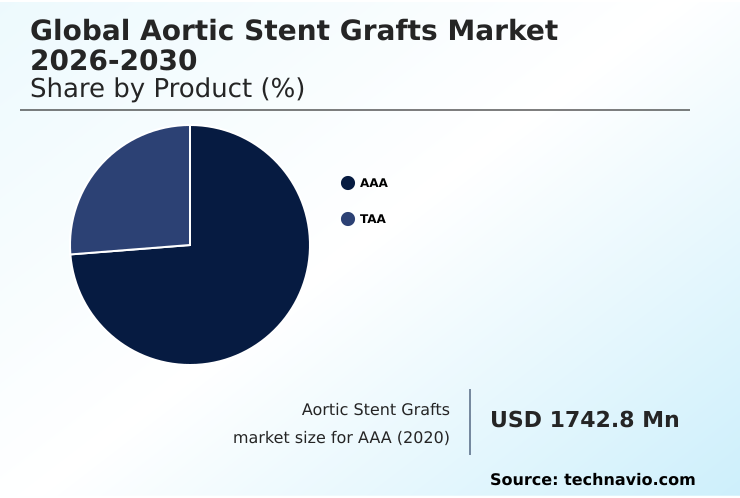
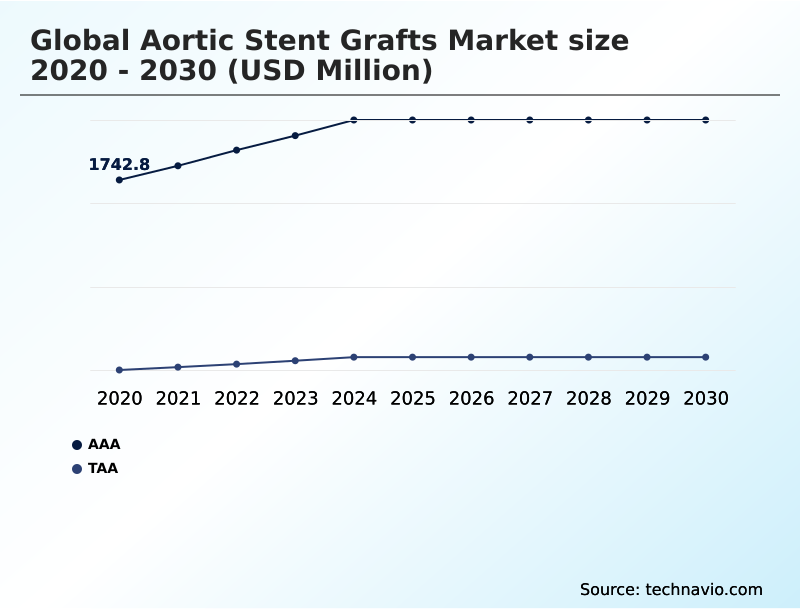
The AAA segment was valued at USD 2.10 billion in 2024 and showed a gradual increase during the forecast period.
Regional Analysis
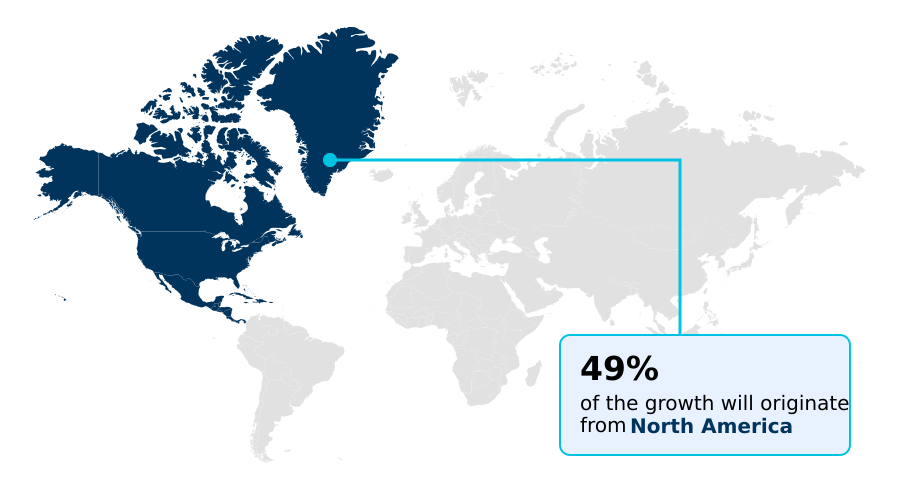
North America is estimated to contribute 49.3% to the growth of the global market during the forecast period.Technavio’s analysts have elaborately explained the regional trends and drivers that shape the market during the forecast period.
See How Aortic Stent Grafts Market Demand is Rising in North America Request Free Sample
The geographic landscape of the aortic stent grafts market is led by North America, which accounts for nearly 49% of the incremental growth, driven by high adoption rates of endovascular aneurysm repair and advanced healthcare infrastructure.
This region is a hub for developing complex aortic anatomy solutions. Europe follows, with a strong focus on clinical research and the use of fenestrated stent grafts.
However, the Asia region is poised for the fastest expansion, with projected growth exceeding 5%, outpacing North America's 4.9%. This surge is fueled by modernizing healthcare systems, a large patient base, and increasing investments in minimally invasive cardiac surgery.
The demand for low-profile delivery systems and synthetic materials is rising in emerging Asian economies, while challenges related to regulatory compliance for medical devices and reimbursement persist across all regions, influencing regional market dynamics.
Market Dynamics
Our researchers analyzed the data with 2025 as the base year, along with the key drivers, trends, and challenges. A holistic analysis of drivers will help companies refine their marketing strategies to gain a competitive advantage.
- The evolution of the aortic stent grafts market is increasingly shaped by nuanced clinical and economic considerations. A key topic is the cost-effectiveness of endovascular aneurysm repair, which is often weighed against the long-term durability of nitinol stent frames and the need for secondary interventions.
- Clinicians are focused on improving the clinical outcomes of fenestrated stent grafts, especially for patients with complex juxtarenal disease. The advancements in low-profile delivery systems are critical for expanding patient selection for percutaneous EVAR, making the procedure accessible to individuals with smaller or more calcified access vessels.
- Concurrently, the industry grapples with the challenges in thoracic endovascular aortic repair, particularly concerning the aortic arch, and is exploring robotic-assisted endovascular surgery techniques to enhance precision. The biocompatibility of ePTFE in vascular grafts remains a cornerstone of device design, aimed at minimizing thrombogenicity.
- Managing endoleaks after an EVAR procedure continues to be a primary focus, influencing both device innovation and post-operative surveillance protocols. The impact of bundled payments on aortic surgery is forcing a re-evaluation of procedural costs and reimbursement codes for complex EVAR procedures.
- This environment underscores the importance of a detailed understanding of topics like the minimally invasive treatment for type A dissection and the specific regulatory pathways for custom aortic devices, as they dictate the future direction of the market.
- The use of advanced imaging in pre-operative planning, for instance, has been shown to improve graft sizing accuracy significantly compared to traditional measurement techniques, directly impacting operational planning and reducing the risk of device-related complications.
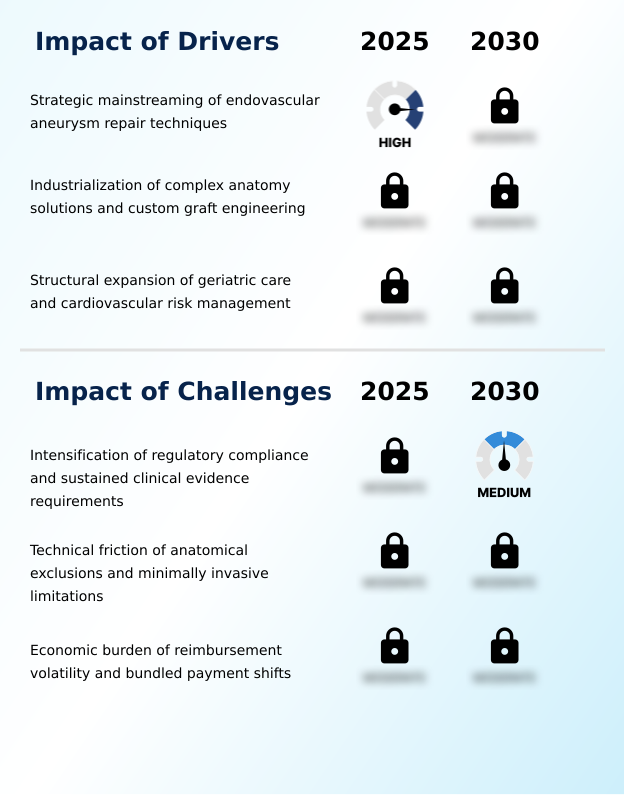
What are the key market drivers leading to the rise in the adoption of Aortic Stent Grafts Industry?
- The strategic mainstreaming of endovascular aneurysm repair techniques is a primary driver propelling market growth.
- The primary driver for the market is the mainstreaming of endovascular aneurysm repair (EVAR), which is now the preferred modality for over 75% of abdominal aortic aneurysm cases, offering a minimally invasive alternative to open surgery.
- This is complemented by the structural expansion of geriatric vascular care, as the global population over sixty is set to exceed 1.4 billion by 2030, increasing the prevalence of aortic disease.
- The industrialization of complex aortic anatomy solutions, including custom-engineered vascular grafts with durable nitinol frames and ePTFE fabric, is expanding the treatable patient population.
- Favorable reimbursement and the demand for proactive cardiovascular risk management are further propelling the adoption of these advanced endovascular solutions in both hospitals and ambulatory surgical centers.
What are the market trends shaping the Aortic Stent Grafts Industry?
- A key market trend is the institutionalization of personalized fenestrated and branched endovascular architectures. This shift addresses complex anatomies previously considered untreatable with standard devices.
- The market is trending toward the institutionalization of personalized endovascular solutions, addressing a critical gap where up to 40% of patients are anatomically unsuitable for standard devices. This shift involves patient-specific engineering of fenestrated and branched stent grafts for complex juxtarenal and thoracoabdominal aneurysms.
- Advancements in 3D imaging and rapid prototyping have been pivotal, reducing custom device delivery lead times by as much as 50% in some workflows. The proliferation of low-profile delivery systems and next-generation biocompatible materials is also a key trend, enabling percutaneous EVAR and expanding treatment to patients with smaller access vessels.
- These trends are crucial for advancing cardiovascular risk management and meeting the demand for less invasive treatment options for aortic pathologies.
What challenges does the Aortic Stent Grafts Industry face during its growth?
- The intensification of regulatory compliance and the need for sustained clinical evidence present a significant challenge to industry growth.
- Significant challenges constrain the market, led by intensifying regulatory compliance for medical devices. The transition to frameworks like the FDA's Total Product Life Cycle approach requires extensive post-market surveillance, increasing costs and administrative burdens.
- Another major hurdle is the technical friction of hostile aortic neck anatomy, which excludes approximately 40% of patients from standard EVAR procedures, creating a persistent gap in device versatility. Furthermore, the economic burden of reimbursement volatility and the shift to bundled payment models are creating financial uncertainty.
- The overhaul of CPT guidelines, which bundles imaging services into primary procedure codes, fundamentally alters profitability calculations for providers, potentially deterring the adoption of advanced, high-cost endovascular solutions.
Exclusive Technavio Analysis on Customer Landscape
The aortic stent grafts market forecasting report includes the adoption lifecycle of the market, covering from the innovator’s stage to the laggard’s stage. It focuses on adoption rates in different regions based on penetration. Furthermore, the aortic stent grafts market report also includes key purchase criteria and drivers of price sensitivity to help companies evaluate and develop their market growth analysis strategies.
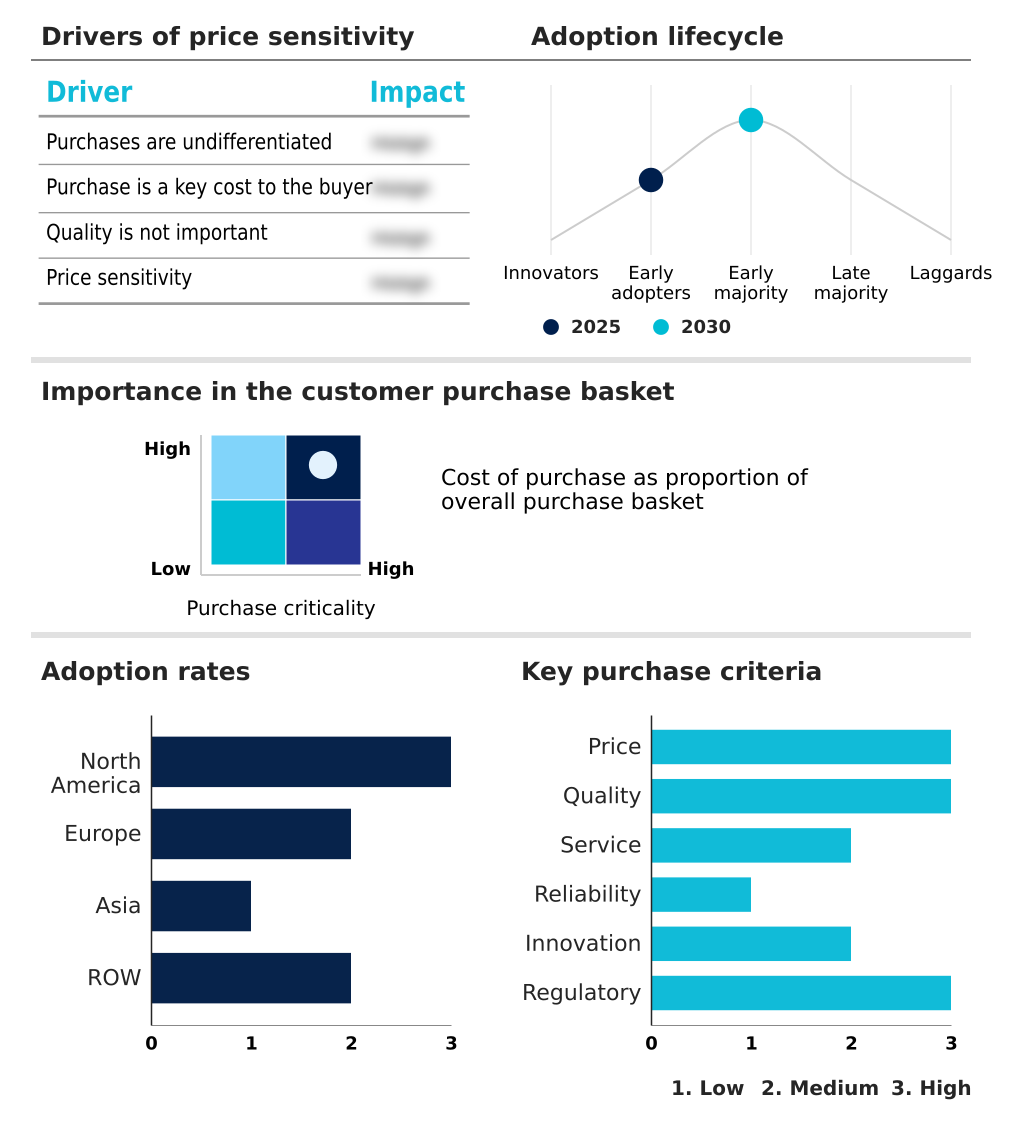
Customer Landscape of Aortic Stent Grafts Industry
Competitive Landscape
Companies are implementing various strategies, such as strategic alliances, aortic stent grafts market forecast, partnerships, mergers and acquisitions, geographical expansion, and product/service launches, to enhance their presence in the industry.
Artivion Inc. - The vendor portfolio includes aortic stent grafts, advanced endovascular systems, and surgical sealants designed for complex cardiovascular and vascular interventions.
The industry research and growth report includes detailed analyses of the competitive landscape of the market and information about key companies, including:
- Artivion Inc.
- Bentley InnoMed GmbH
- Braile Biomedica
- Cardinal Health Inc.
- Cook Group Inc.
- Endologix LLC
- Endospan Ltd.
- Getinge AB
- Lifetech Scientific Corp.
- Lombard Medical Ltd.
- Medtronic Plc
- MicroPort Scientific Corp.
- Sanford Health
- Terumo Corp.
- Vygon SA
- W. L. Gore and Associates Inc.
Qualitative and quantitative analysis of companies has been conducted to help clients understand the wider business environment as well as the strengths and weaknesses of key industry players. Data is qualitatively analyzed to categorize companies as pure play, category-focused, industry-focused, and diversified; it is quantitatively analyzed to categorize companies as dominant, leading, strong, tentative, and weak.
Recent Development and News in Aortic stent grafts market
- In August 2025, MicroPort Scientific Corp. announced the first commercial implantation of its Minos Abdominal Aortic Stent Graft in Kazakhstan, expanding the availability of ultra-low-profile delivery systems into new geographic markets.
- In November 2024, Terumo Corp. received Breakthrough Device Designation from the US Food and Drug Administration for its Fenestrated TREO abdominal aortic stent graft system, accelerating the development pathway for treating patients with challenging aortic neck morphologies.
- In March 2025, W. L. Gore and Associates Inc. reported the first successful human implant of its large-diameter tapered GORE TAG Conformable Thoracic Stent Graft, featuring an active control system for enhanced deployment accuracy in the thoracic aorta.
- In March 2025, Cook Group Inc. announced that surgeons were among the first to use its next-generation Zenith Alpha 2 Thoracic Endovascular Graft to treat complex thoracic aortic disease, improving outcomes for high-risk patients.
Dive into Technavio’s robust research methodology, blending expert interviews, extensive data synthesis, and validated models for unparalleled Aortic Stent Grafts Market insights. See full methodology.
| Market Scope | |
|---|---|
| Page number | 285 |
| Base year | 2025 |
| Historic period | 2020-2024 |
| Forecast period | 2026-2030 |
| Growth momentum & CAGR | Accelerate at a CAGR of 4.7% |
| Market growth 2026-2030 | USD 751.0 million |
| Market structure | Fragmented |
| YoY growth 2025-2026(%) | 4.5% |
| Key countries | US, Canada, Mexico, Germany, UK, France, Italy, Spain, The Netherlands, China, Japan, India, South Korea, Indonesia, Thailand, Brazil, Saudi Arabia, UAE, Turkey, Argentina, Colombia, South Africa and Israel |
| Competitive landscape | Leading Companies, Market Positioning of Companies, Competitive Strategies, and Industry Risks |
Research Analyst Overview
- The aortic stent grafts market is advancing beyond standard procedures, with a strategic pivot toward complex, high-value interventions. The widespread adoption of endovascular aneurysm repair (EVAR) and thoracic endovascular aortic repair (TEVAR) has set the stage for next-generation innovation.
- A key focus is the engineering of bifurcated stent graft and fenestrated stent graft systems to treat challenging juxtarenal and thoracoabdominal aneurysms. These devices rely on sophisticated components, including flexible nitinol frames and durable ePTFE fabric, delivered via advanced low-profile delivery systems. This evolution directly impacts boardroom decisions regarding R&D investment and manufacturing capabilities.
- For example, the adoption of patient-specific modular designs, which can be custom-built for unique anatomies, has been shown to reduce procedural planning time by over 30%, aligning with operational efficiency goals.
- However, challenges such as endoleak and graft migration persist, driving the development of bioactive coatings and improved synthetic materials to ensure long-term device stability and biocompatibility, particularly in cases of aortic dissection and Type A dissection. The market's trajectory is defined by this pursuit of durable, patient-specific solutions.
What are the Key Data Covered in this Aortic Stent Grafts Market Research and Growth Report?
-
What is the expected growth of the Aortic Stent Grafts Market between 2026 and 2030?
-
USD 751 million, at a CAGR of 4.7%
-
-
What segmentation does the market report cover?
-
The report is segmented by Product (AAA, and TAA), End-user (Hospitals, and Ambulatory surgical centers), Material (Synthetic materials, and Allograft materials) and Geography (North America, Europe, Asia, Rest of World (ROW))
-
-
Which regions are analyzed in the report?
-
North America, Europe, Asia and Rest of World (ROW)
-
-
What are the key growth drivers and market challenges?
-
Strategic mainstreaming of endovascular aneurysm repair techniques, Intensification of regulatory compliance and sustained clinical evidence requirements
-
-
Who are the major players in the Aortic Stent Grafts Market?
-
Artivion Inc., Bentley InnoMed GmbH, Braile Biomedica, Cardinal Health Inc., Cook Group Inc., Endologix LLC, Endospan Ltd., Getinge AB, Lifetech Scientific Corp., Lombard Medical Ltd., Medtronic Plc, MicroPort Scientific Corp., Sanford Health, Terumo Corp., Vygon SA and W. L. Gore and Associates Inc.
-
Market Research Insights
- The aortic stent grafts market is defined by a dynamic push toward value-based healthcare and solutions for complex aortic anatomies. The adoption of endovascular solutions has become standard, now used in over 75% of abdominal aneurysm cases, reflecting a major shift from open surgery.
- However, significant challenges remain, as up to 40% of patients are still considered anatomically unsuitable for standard devices, creating a demand for patient-specific engineering. This has spurred innovation in next-generation biocompatible materials and aortic arch reconstruction techniques.
- As healthcare systems move toward bundled payment models, providers are prioritizing devices that demonstrate long-term durability and reduce the need for costly secondary interventions, directly impacting cardiovascular risk management strategies and investments in minimally invasive cardiac surgery.
We can help! Our analysts can customize this aortic stent grafts market research report to meet your requirements.
 RIA -
RIA -