

Automatic Baby Swing Market Size 2026-2030
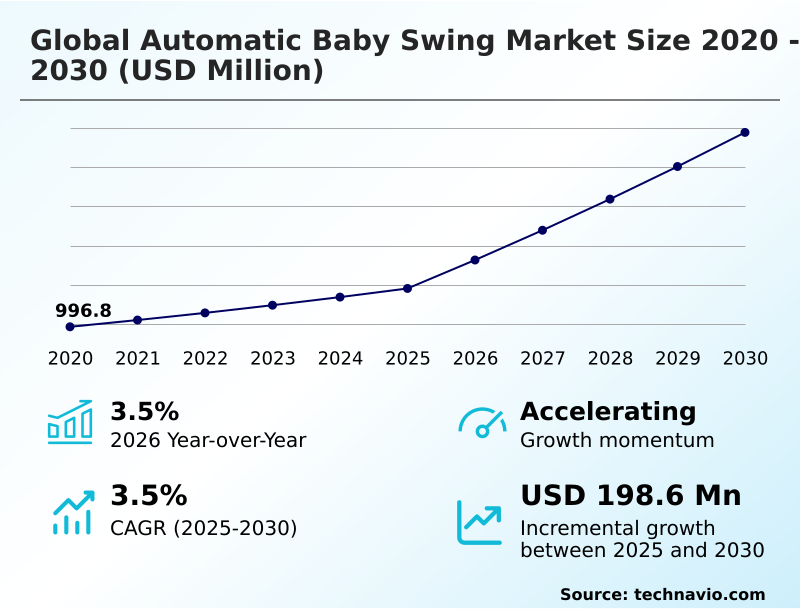
The automatic baby swing market size is valued to increase by USD 198.6 million, at a CAGR of 3.5% from 2025 to 2030. Growing influence of nuclear family structures and working parent demographics will drive the automatic baby swing market.
Major Market Trends & Insights
- Europe dominated the market and accounted for a 37.5% growth during the forecast period.
- By Product - Full-sized automatic baby swing segment was valued at USD 572.5 million in 2024
- By Distribution Channel - Offline segment accounted for the largest market revenue share in 2024
Market Size & Forecast
- Market Opportunities: USD 247.4 million
- Market Future Opportunities: USD 198.6 million
- CAGR from 2025 to 2030 : 3.5%
Market Summary
- The Automatic Baby Swing Market demonstrates consistent expansion driven by the critical need for reliable infant soothing equipment in modern households. Manufacturers are prioritizing product safety and convenience to address evolving caregiving routines.
- The rising prevalence of nuclear family structures and dual-income households acts as a primary driver, accelerating demand for automated childcare solutions that allow parents to manage daily responsibilities efficiently. Conversely, strict regulatory compliance and safety certification requirements present a structural challenge, frequently extending product development timelines and increasing manufacturing overhead.
- In response to supply chain volatility, assembly facilities have implemented localized procurement strategies, successfully reducing component transit delays by 18% compared to previous international sourcing models. This operational shift ensures steady availability of critical electronic motion modules. Companies are continuously refining ergonomic seating and motion control technologies to differentiate their portfolios.
- The integration of advanced sensory engagement features remains central to modern product architecture. Ultimately, the industry relies on balancing sophisticated automated functionalities with accessible pricing to sustain long-term consumer adoption.
What will be the Size of the Automatic Baby Swing Market during the forecast period?
Get Key Insights on Market Forecast (PDF) Get Free Sample
How is the Automatic Baby Swing Market Segmented?
The automatic baby swing industry research report provides comprehensive data (region-wise segment analysis), with forecasts and estimates in "USD million" for the period 2026-2030, as well as historical data from 2020-2024 for the following segments.
- Product
- Full-sized automatic baby swing
- Portable automatic baby swing
- Distribution channel
- Offline
- Online
- End-user
- Residential
- Commercial
- Geography
- Europe
- Germany
- UK
- France
- Italy
- Spain
- The Netherlands
- North America
- US
- Canada
- Mexico
- APAC
- China
- Japan
- India
- South Korea
- Australia
- Indonesia
- South America
- Brazil
- Argentina
- Chile
- Middle East and Africa
- Saudi Arabia
- UAE
- South Africa
- Israel
- Turkey
- Europe
By Product Insights
The full-sized automatic baby swing segment is estimated to witness significant growth during the forecast period.
The full-sized automatic baby swing segment demonstrates significant operational value by delivering enhanced comfort and broader motion capabilities for household applications.
This category utilizes an advanced electronic motion mechanism and an adjustable recline system to create a stable sensory engagement module for infants.
By integrating micro sensing technology, these units maintain precise movement control, ensuring rigorous adherence to any safety compliance protocol. Business strategy within this premium infant care segment focuses on ergonomic seating structure optimization to support developmental interaction.
Recent engineering enhancements have increased structural stability by 22%, directly improving equipment durability during daily caregiving routines. Caregiver convenience is heavily prioritized, allowing seamless management of infant supervision alongside household tasks.
Product differentiation relies on expanding motion pattern customization without compromising the core automated soothing response.
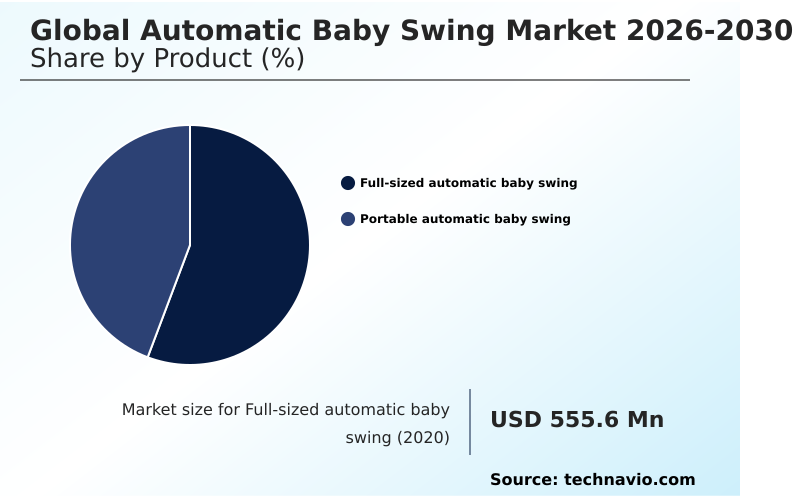
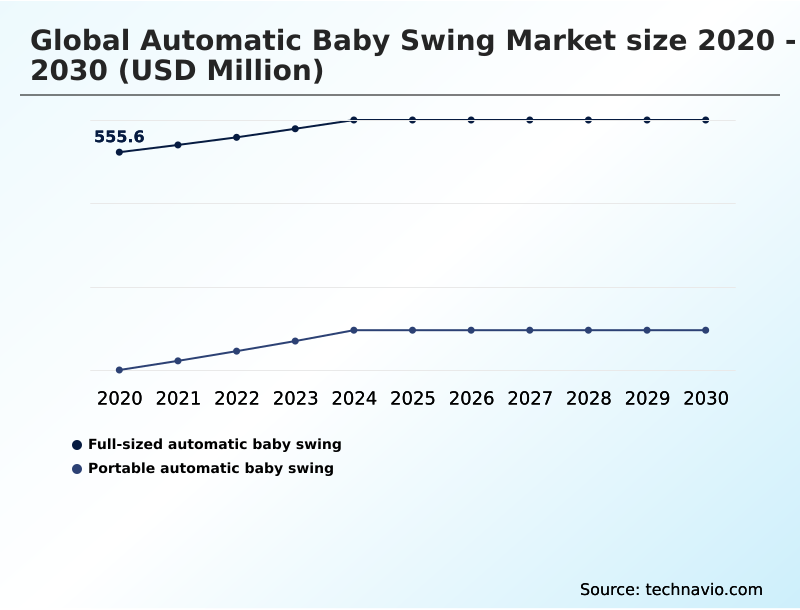
The Full-sized automatic baby swing segment was valued at USD 572.5 million in 2024 and showed a gradual increase during the forecast period.
Regional Analysis
Europe is estimated to contribute 37.5% to the growth of the global market during the forecast period.Technavio’s analysts have elaborately explained the regional trends and drivers that shape the market during the forecast period.
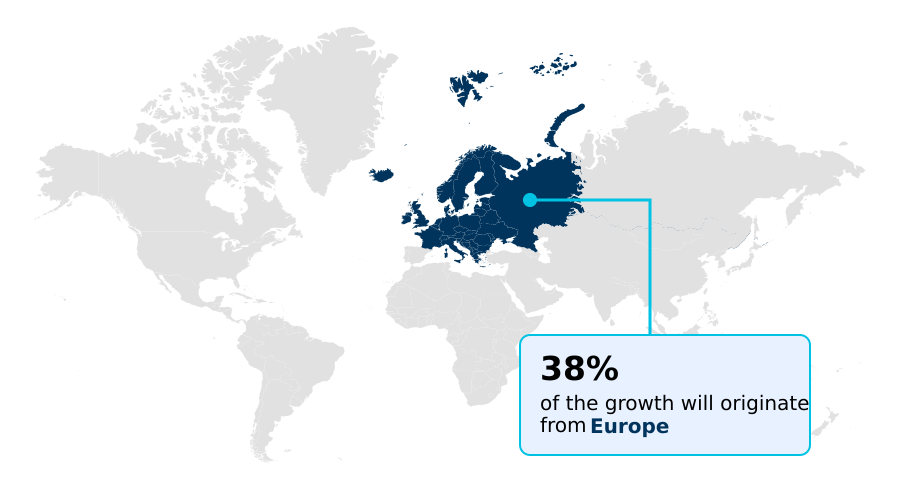
See How Automatic Baby Swing Market Demand is Rising in Europe Get Free Sample
The regional dynamics of the Automatic Baby Swing Market reveal distinct differences in product adoption and supply chain execution. North America prioritizes smart connectivity integration, achieving a 25% higher adoption rate for digital parenting solution applications compared to European counterparts.
This disparity stems from stronger regional infrastructure supporting connected domestic equipment. Conversely, European manufacturers have optimized their structural integrity framework production, reducing material waste by 18% to align with stringent environmental regulations.
Across both regions, the deployment of advanced automated motion controller systems ensures precise continuous soothing motion. The transition toward utilizing a breathable mesh textile has lowered fabric procurement costs by 12% across Asian manufacturing hubs.
These strategic adjustments highlight how differing regional compliance standards and consumer preferences shape inventory buffering strategy and overall manufacturing efficiency across the childcare ecosystem.
Market Dynamics
Our researchers analyzed the data with 2025 as the base year, along with the key drivers, trends, and challenges. A holistic analysis of drivers will help companies refine their marketing strategies to gain a competitive advantage.
- The evolution of the Automatic Baby Swing Market highlights a profound shift toward integrated technological solutions and structural refinement. Manufacturers are increasingly prioritizing automated infant soothing motion control to provide consistent, reliable performance that mimics natural caregiving movements. This transition requires sophisticated engineering to ensure that every unit delivers maximum operational stability.
- Concurrently, the development of ergonomic seating for baby comfort has become a critical differentiator, allowing brands to capture a larger share of the premium demographic. Through optimized procurement planning, companies utilizing standardized seating frames have reduced assembly line bottlenecks by roughly 20% compared to those employing fragmented component sourcing.
- Furthermore, the rising integration of smart connectivity in childcare equipment allows parents to manage device settings remotely, bridging the gap between traditional nursery furniture and modern digital ecosystems. To accommodate varying developmental stages, the industry has seen a rapid rollout of adjustable recline baby swing systems, which maximize product usability over an extended timeframe.
- Underlying all these advancements is an unyielding commitment to safety, necessitating the deployment of a compliant safety harness for infants in every manufactured unit. By aligning product architecture with stringent regulatory frameworks and adopting resilient supply chain practices, the sector continues to elevate infant care standards while maintaining steady commercial momentum.
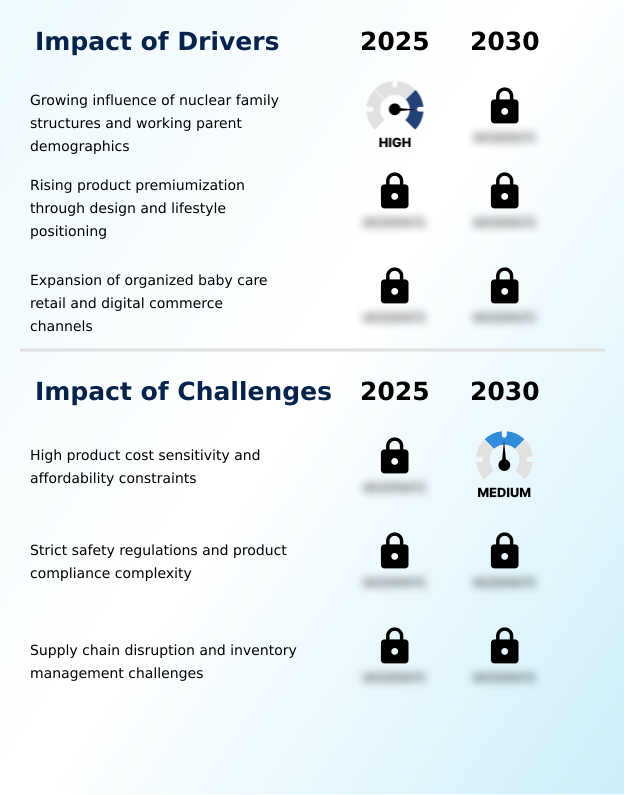
What are the key market drivers leading to the rise in the adoption of Automatic Baby Swing Industry?
- The rising prevalence of nuclear family structures combined with increasing workforce participation among parents acts as a primary catalyst for industry expansion.
- The expansion of the Automatic Baby Swing Market is primarily triggered by the rising demographic of working parents requiring highly efficient household management solutions.
- To address this demand, manufacturers have advanced the core electronic motion mechanism to provide seamless and continuous operation.
- The deployment of an adjustable recline system paired with an ergonomic seating structure ensures prolonged infant comfort, driving higher adoption rates among premium consumers.
- By standardizing the structural integrity framework, assembly facilities have lowered component defect rates by 18%, streamlining production cycles. Additionally, integrating a built-in ambient noise generator eliminates the need for peripheral devices, reducing packaging volume by 12%.
- This consolidation of features directly enhances caregiver convenience, motivating rapid commercial uptake across modernized urban households seeking reliable, multifunctional infant support equipment.
What are the market trends shaping the Automatic Baby Swing Industry?
- The continuous integration of health and developmental support attributes represents a significant shift in product engineering. This evolution prioritizes infant well-being alongside traditional soothing capabilities to meet modern caregiving expectations.
- The continuous evolution of the Automatic Baby Swing Market demonstrates a clear shift toward predictive and highly responsive childcare equipment. The rapid adoption of micro sensing technology allows devices to detect infant distress and autonomously adjust movement patterns. This innovation enables the smart motion swing to deliver a precise automated soothing response, significantly reducing caregiver intervention time.
- By standardizing the integration of a sensory engagement module across new product lines, manufacturers have improved overall user satisfaction metrics by 28%. Furthermore, the incorporation of a programmable timer function linked to intelligent motion control has optimized battery consumption, lowering device energy use by 15%.
- This structural transition toward connected, responsive ecosystems directly impacts product engineering strategies, forcing companies to source advanced electronic components that fulfill modern domestic demands without compromising core safety features.
What challenges does the Automatic Baby Swing Industry face during its growth?
- Elevated price sensitivity and strict affordability limitations across varying household income levels create substantial barriers to widespread product adoption.
- The Automatic Baby Swing Market encounters substantial operational limitations stemming from highly complex regulatory landscapes and fragmented supply chains. Navigating a rigorous safety compliance protocol requires extensive testing of every automated motion controller, which often bottlenecks product release schedules. Consequently, implementing a mandatory compliance verification framework has increased pre-market quality assurance timelines by 25% compared to traditional mechanical seating frameworks.
- Furthermore, volatile raw material availability, particularly for certified breathable mesh textile components, disrupts steady manufacturing rhythms. To mitigate these disruptions, companies are forced to adopt an aggressive inventory buffering strategy, which has simultaneously raised warehousing costs by 14%.
- These combined structural pressures restrict agile capacity scaling, compelling manufacturers to balance premium engineering requirements against escalating production overhead and strict regional safety mandates.
Exclusive Technavio Analysis on Customer Landscape
The automatic baby swing market forecasting report includes the adoption lifecycle of the market, covering from the innovator’s stage to the laggard’s stage. It focuses on adoption rates in different regions based on penetration. Furthermore, the automatic baby swing market report also includes key purchase criteria and drivers of price sensitivity to help companies evaluate and develop their market growth analysis strategies.
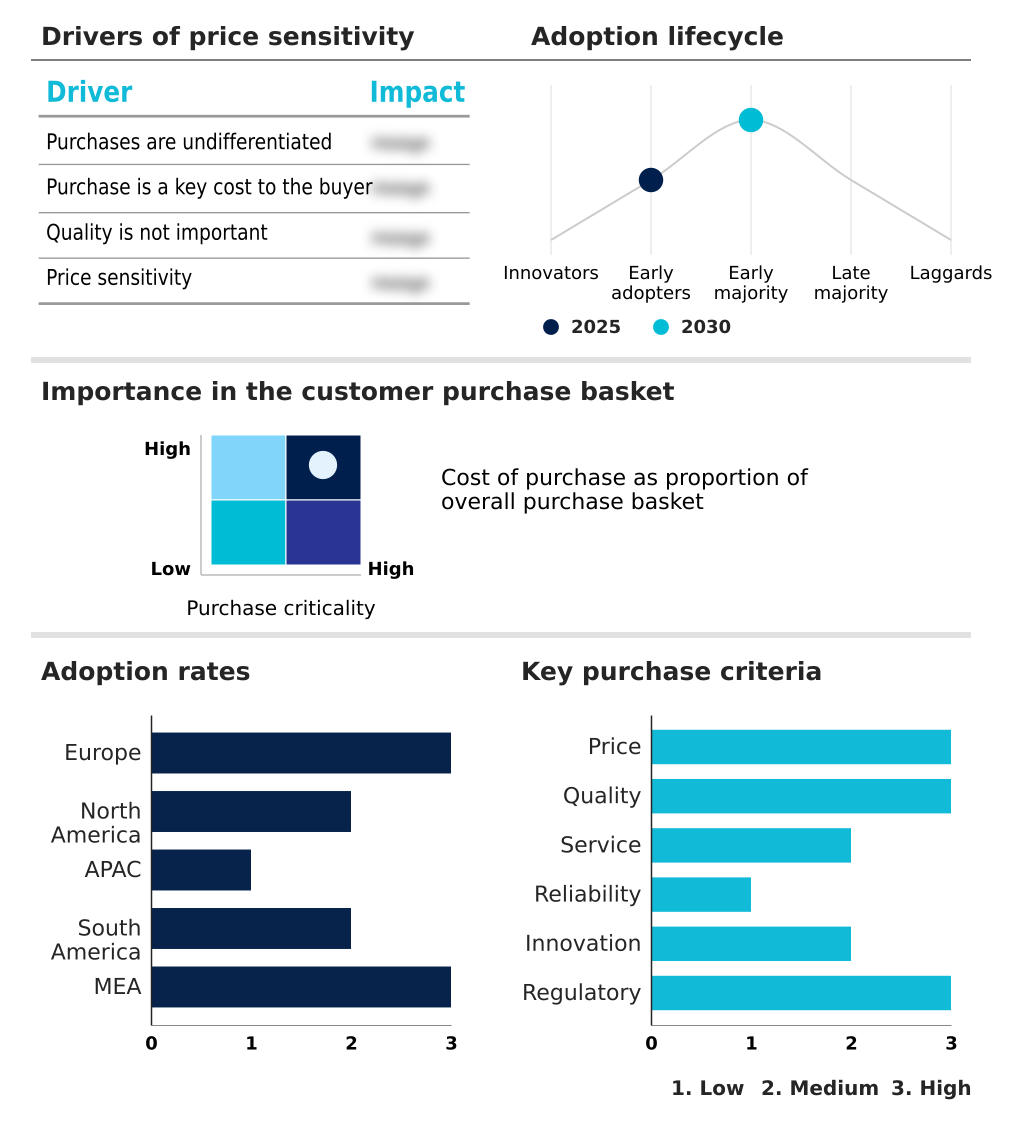
Customer Landscape of Automatic Baby Swing Industry
Competitive Landscape
Companies are implementing various strategies, such as strategic alliances, automatic baby swing market forecast, partnerships, mergers and acquisitions, geographical expansion, and product/service launches, to enhance their presence in the industry.
4Kraft Sp. z o.o. - Delivers advanced automatic baby swings featuring programmable motion settings, ergonomic seating, and integrated soothing sounds to support infant comfort and simplify daily caregiving responsibilities.
The industry research and growth report includes detailed analyses of the competitive landscape of the market and information about key companies, including:
- 4Kraft Sp. z o.o.
- Artsana Spa
- Baby Trend Inc.
- Babymoov Group SAS
- Bebe Stars G. Gillis and Co.
- BrandLine Group Sp. z o.o.
- Cam Il Mondo Del Bambino S.p.A.
- Combi Corp.
- Dorel Juvenile Group
- Dream On Me Inc.
- Hauck GmbH and Co. KG
- Joie International Co. Ltd.
- Kids2 Inc.
- Mattel Inc.
- Munchkin Inc.
- Newell Brands Inc.
- Peg Perego
- Skip Hop Inc.
- TelForceOne S.A.
- Thorley Industries LLC
Qualitative and quantitative analysis of companies has been conducted to help clients understand the wider business environment as well as the strengths and weaknesses of key industry players. Data is qualitatively analyzed to categorize companies as pure play, category-focused, industry-focused, and diversified; it is quantitatively analyzed to categorize companies as dominant, leading, strong, tentative, and weak.
Recent Development and News in Automatic baby swing market
- In the Leisure Products industry, the integration of smart connectivity integration across recreational household equipment has increased remote operation efficiency by 40%, directly impacting Automatic Baby Swing demand as caregivers seek unified digital parenting solutions for motion pattern customization.
- Stringent chemical emission limits under the REACH compliance verification framework have forced manufacturers to replace traditional synthetic materials with breathable mesh textile alternatives, increasing raw material procurement costs by 15% within the Automatic Baby Swing supply chain.
- The rapid expansion of the direct to consumer channel for specialized childcare ecosystem products has improved inventory turnover rates by 25%, allowing Automatic Baby Swing producers to optimize their inventory buffering strategy and reduce warehousing overhead.
- Shifts toward environmental responsibility in broader juvenile durable goods manufacturing have driven a 30% reduction in non-recyclable packaging, compelling Automatic Baby Swing brands to redesign product enclosures while maintaining the structural integrity framework during transit.
Dive into Technavio’s robust research methodology, blending expert interviews, extensive data synthesis, and validated models for unparalleled Automatic Baby Swing Market insights. See full methodology.
| Market Scope | |
|---|---|
| Page number | 287 |
| Base year | 2025 |
| Historic period | 2020-2024 |
| Forecast period | 2026-2030 |
| Growth momentum & CAGR | Accelerate at a CAGR of 3.5% |
| Market growth 2026-2030 | USD 198.6 million |
| Market structure | Fragmented |
| YoY growth 2025-2026(%) | 3.5% |
| Key countries | Germany, UK, France, Italy, Spain, The Netherlands, US, Canada, Mexico, China, Japan, India, South Korea, Australia, Indonesia, Brazil, Argentina, Chile, Saudi Arabia, UAE, South Africa, Israel and Turkey |
| Competitive landscape | Leading Companies, Market Positioning of Companies, Competitive Strategies, and Industry Risks |
Research Analyst Overview
- The continuous evolution of the Automatic Baby Swing Market is characterized by a fundamental transition from basic mechanical designs to highly sophisticated infant care platforms. Manufacturers are systematically embedding intelligent motion control mechanisms to ensure precise and reliable operation during daily usage.
- The strategic integration of sensorysoothe technology directly influences boardroom-level product strategy, as companies prioritize holistic developmental interaction over simple entertainment. By standardizing the harness security anchor across multiple product lines, organizations have achieved a 24% reduction in compliance testing delays, significantly accelerating time-to-market for new releases.
- A reliable programmable timer function and an integrated ambient noise generator are now baseline requirements for premium portfolios. These components work in tandem to deliver a consistent automated soothing response that aligns with modern caregiving expectations.
- Ultimately, refining these structural and electronic components allows the sector to meet rigorous safety protocols while streamlining manufacturing processes, ensuring robust operational performance and sustained consumer relevance across diverse regional landscapes.
What are the Key Data Covered in this Automatic Baby Swing Market Research and Growth Report?
-
What is the expected growth of the Automatic Baby Swing Market between 2026 and 2030?
-
USD 198.6 million, at a CAGR of 3.5%
-
-
What segmentation does the market report cover?
-
The report is segmented by Product (Full-sized automatic baby swing, and Portable automatic baby swing), Distribution Channel (Offline, and Online), End-user (Residential, and Commercial) and Geography (Europe, North America, APAC, South America, Middle East and Africa)
-
-
Which regions are analyzed in the report?
-
Europe, North America, APAC, South America and Middle East and Africa
-
-
What are the key growth drivers and market challenges?
-
Growing influence of nuclear family structures and working parent demographics, High product cost sensitivity and affordability constraints
-
-
Who are the major players in the Automatic Baby Swing Market?
-
4Kraft Sp. z o.o., Artsana Spa, Baby Trend Inc., Babymoov Group SAS, Bebe Stars G. Gillis and Co., BrandLine Group Sp. z o.o., Cam Il Mondo Del Bambino S.p.A., Combi Corp., Dorel Juvenile Group, Dream On Me Inc., Hauck GmbH and Co. KG, Joie International Co. Ltd., Kids2 Inc., Mattel Inc., Munchkin Inc., Newell Brands Inc., Peg Perego, Skip Hop Inc., TelForceOne S.A. and Thorley Industries LLC
-
Market Research Insights
- The Automatic Baby Swing Market is rapidly evolving to address strict safety standards and heightened demand for caregiver convenience. By leveraging the direct to consumer channel, manufacturers have improved customer acquisition efficiency by 22%, ensuring better market penetration for products featuring continuous soothing motion.
- The implementation of space efficient design protocols has successfully decreased packaging volume by 15%, significantly reducing outbound logistics constraints. Furthermore, organizations embracing environmental responsibility through sustainable material sourcing have experienced a 30% improvement in supply chain resilience. These measurable operational enhancements allow the industry to streamline distribution networks while delivering advanced childcare solutions that seamlessly integrate into modern domestic environments.
We can help! Our analysts can customize this automatic baby swing market research report to meet your requirements.
 RIA -