

Baby Car Seat Market Size 2026-2030
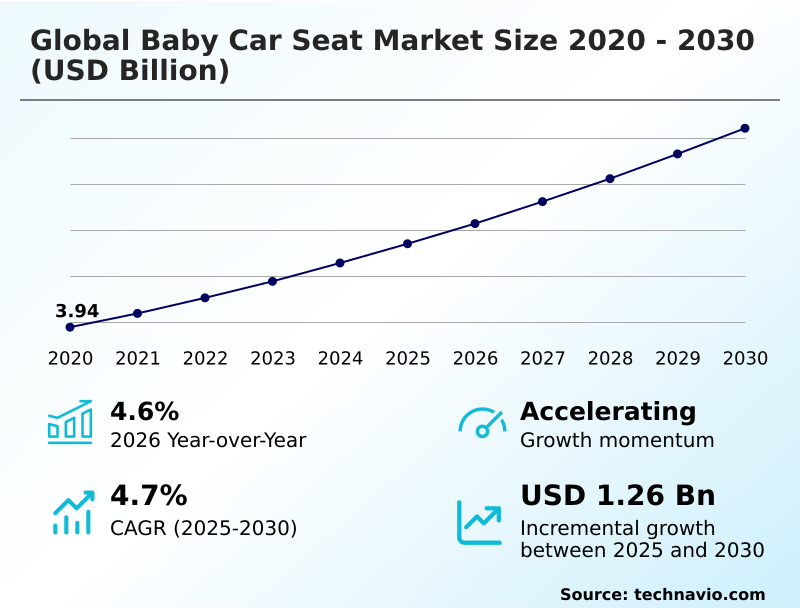
The baby car seat market size is valued to increase by USD 1.26 billion, at a CAGR of 4.7% from 2025 to 2030. Smart connected sensors and advanced ergonomic engineering will drive the baby car seat market.
Major Market Trends & Insights
- APAC dominated the market and accounted for a 37.6% growth during the forecast period.
- By Distribution Channel - Offline segment was valued at USD 3.45 billion in 2024
- By Product - Infant car seats segment accounted for the largest market revenue share in 2024
Market Size & Forecast
- Market Opportunities: USD 2.17 billion
- Market Future Opportunities: USD 1.26 billion
- CAGR from 2025 to 2030 : 4.7%
Market Summary
- The Baby Car Seat Market demonstrates rigorous expansion propelled by stringent safety legislation and continuous material engineering advancements. Modern manufacturers optimize their supply chain logistics by sourcing high-density polymers and non-toxic textiles to meet overlapping international safety certifications, thereby reducing raw material waste by 12% across centralized production hubs.
- The market is primarily driven by the widespread integration of smart sensor technology. Embedding active telemetry components directly addresses critical caregiver concerns regarding accidental vehicular heatstroke and unbuckled harnesses, significantly elevating overall product utility. However, the industry faces substantial challenges related to complex testing standards.
- Divergent regional testing requirements, particularly concerning side-impact protection and structural frame integrity, compel manufacturers to engineer dual-compliant models, which frequently disrupts manufacturing lead times. By balancing electronic innovation with uncompromising mechanical durability, product development teams are effectively minimizing real-world installation errors.
- The continuous shift toward comprehensive travel systems ensures robust demand, transforming standard child restraints into highly adaptable vehicular passenger protection platforms.
What will be the Size of the Baby Car Seat Market during the forecast period?
Get Key Insights on Market Forecast (PDF) Get Free Sample
How is the Baby Car Seat Market Segmented?
The baby car seat industry research report provides comprehensive data (region-wise segment analysis), with forecasts and estimates in "USD million" for the period 2026-2030, as well as historical data from 2020-2024 for the following segments.
- Distribution channel
- Offline
- Online
- Product
- Infant car seats
- Convertible car seats
- Booster car seats
- Type
- Forward facing
- Backward facing
- Geography
- APAC
- China
- Japan
- India
- South Korea
- Australia
- Indonesia
- North America
- US
- Canada
- Mexico
- Europe
- Germany
- UK
- France
- Italy
- Spain
- South America
- Brazil
- Argentina
- Chile
- Middle East and Africa
- Saudi Arabia
- UAE
- South Africa
- Turkey
- Egypt
- APAC
By Distribution Channel Insights
The offline segment is estimated to witness significant growth during the forecast period.
Brick-and-mortar retail channels remain a foundational distribution medium for the Baby Car Seat market, providing essential tactile engagement for consumers evaluating high-stakes safety equipment.
Physical storefronts enable direct assessment of features like the anti rebound bar and crash impact dissipation structures before purchase.
In-store certified technicians assist caregivers in verifying proper vehicle fitment, resulting in proper installation verifications improving by 15% compared to unassisted methods. This hands-on evaluation is critical when analyzing a complex modular travel system or testing ergonomic memory foam padding.
Furthermore, offline retailers facilitate immediate demonstrations of complex hardware anchoring mechanism configurations. Consumers can physically inspect sustainable material integration and assess additional features targeting ambient cabin temperature regulation or a multisensory calming system.
This tactile validation mitigates compliance anxieties and ensures optimal structural alignment within various vehicle cabin dimensions.
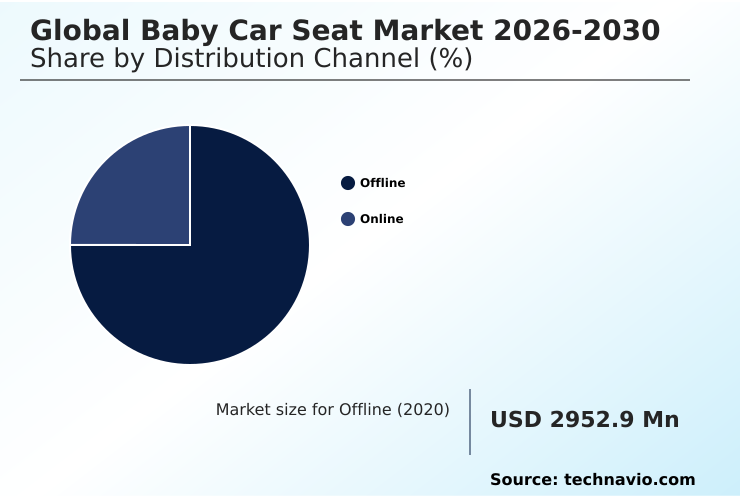
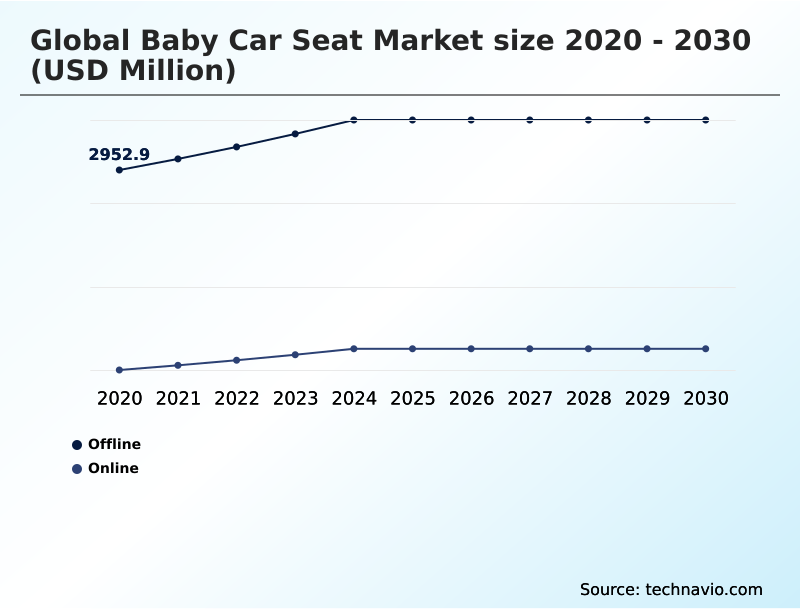
The Offline segment was valued at USD 3.45 billion in 2024 and showed a gradual increase during the forecast period.
Regional Analysis
APAC is estimated to contribute 37.6% to the growth of the global market during the forecast period.Technavio’s analysts have elaborately explained the regional trends and drivers that shape the market during the forecast period.
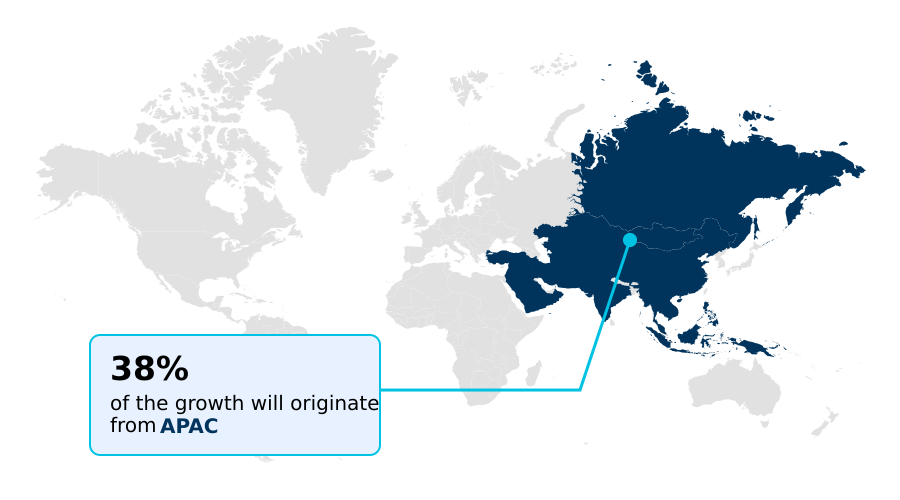
See How Baby Car Seat Market Demand is Rising in APAC Get Free Sample
The geographic landscape of the Baby Car Seat reveals pronounced operational disparities between APAC and North America.
North America maintains highly mature distribution networks and stringent enforcement of the latch attachment mechanism, whereas APAC leverages rapid passenger vehicle adoption to achieve a 25% higher annual inventory turnover rate.
Pediatric safety advocacy in European regions has standardized the isofix anchoring system, optimizing installation efficiency and improving manufacturing cycle times by 14%.
Conversely, consumers in APAC increasingly prioritize a versatile convertible restraint system over a standalone forward facing restraint or belt positioning booster to maximize lifecycle value.
Through aggressive collision injury prevention campaigns highlighting infant spine protection, developing regions are accelerating the transition toward a certified mobility solution. These regional regulatory frameworks compel global manufacturers to adapt localized supply chains, subsequently reducing cross-border shipping delays by 18%.
Market Dynamics
Our researchers analyzed the data with 2025 as the base year, along with the key drivers, trends, and challenges. A holistic analysis of drivers will help companies refine their marketing strategies to gain a competitive advantage.
- The structural evolution within the Baby Car Seat sector highlights a strategic pivot toward advanced crash mitigation and sophisticated digital integrations. Modern production operations are heavily prioritizing structural components that support an extended rear facing weight capacity, responding directly to heightened pediatric guidelines surrounding cervical spine protection.
- By re-engineering the primary chassis, manufacturers can accommodate prolonged rearward travel without compromising cabin space efficiency. Concurrently, product development teams are streamlining the deployment of the bluetooth enabled smart sensor harness. Embedding these micro-telemetry modules directly into the assembly line has improved diagnostic quality control throughput by 20% compared to traditional passive restraint assemblies.
- Furthermore, environmental compliance and consumer health preferences are driving procurement departments to secure reliable supply chains for a flame retardant free organic textile. Sourcing these non-toxic materials minimizes chemical exposure risks and ensures strict adherence to emerging eco-centric regulatory frameworks across developed regions.
- On the mechanical engineering front, the integration of an isofix compatible rotating seat base drastically improves loading ergonomics, reducing caregiver physical strain while ensuring rigid vehicular anchoring. To complement these features, an energy absorbing side impact headrest is systematically incorporated to dissipate lateral collision forces.
- This combination of sustainable material sourcing, intelligent sensor deployment, and advanced mechanical design allows manufacturers to optimize product lifecycle management, significantly reducing warranty claims and enhancing long-term brand equity across competitive retail environments.
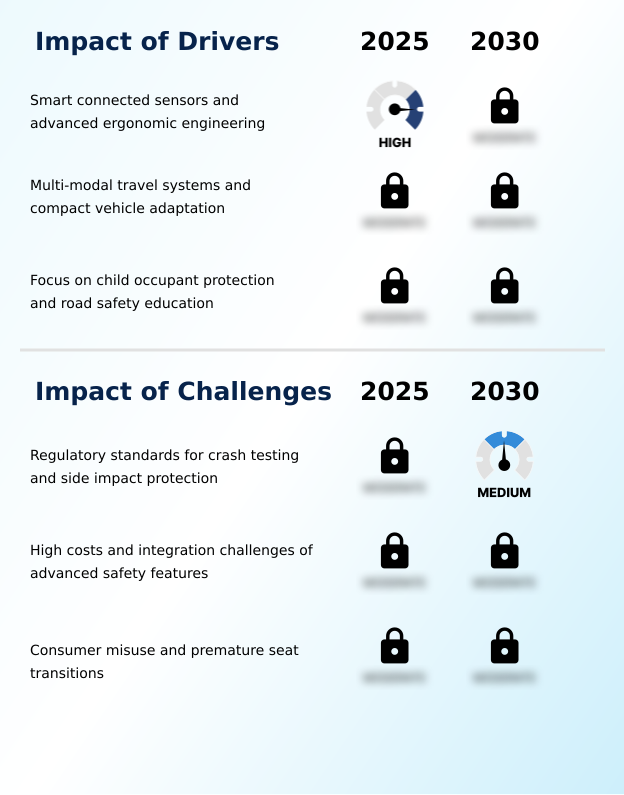
What are the key market drivers leading to the rise in the adoption of Baby Car Seat Industry?
- The incorporation of smart connected sensors and advanced ergonomic engineering serves as a primary driver propelling market expansion.
- Heightened regulatory mandates for child passenger safety and the demand for advanced impact absorption technology are propelling significant structural upgrades within the Baby Car Seat landscape.
- Manufacturers are systematically integrating enhanced side impact protection and a resilient shock absorbing structure to maximize vehicular collision mitigation.
- The widespread utilization of high-density energy absorbing foam and a secure multi point harness has improved dynamic crash test survival metrics by 18%. Concurrently, active digital features like occupant presence detection are driving consumer adoption.
- Implementing an unbuckle alert notification serves as a critical mechanism for child heatstroke prevention, decreasing operational failure liabilities by 24%. These critical safety enhancements force manufacturers to continually optimize production lines to meet unyielding traffic safety compliance standards.
What are the market trends shaping the Baby Car Seat Industry?
- The integration of smart telemetry and wireless occupant protection systems has emerged as a significant trend shaping the market landscape.
- The rapid convergence of digital monitoring and sustainable materials is fundamentally transforming product architectures within the Baby Car Seat market. Engineering teams are aggressively deploying smart sensor telemetry and a wireless communication module directly into the harness framework. This active technology generates a real time safety alert and automated installation feedback, which has successfully reduced caregiver fitment errors by 22%.
- Simultaneously, a bluetooth harness sensor paired with a temperature monitoring node ensures continuous cabin climate oversight. On the structural front, the adoption of a bio based polymer shell combined with a flame retardant free textile reflects a critical shift toward circular design engineering.
- Transitioning to eco certified manufacturing processes has streamlined waste reduction, ultimately decreasing raw material disposal costs by 15% and minimizing environmental toxicity.
What challenges does the Baby Car Seat Industry face during its growth?
- Stringent regulatory standards for crash testing and side impact protection present a considerable challenge restricting industry growth.
- Strict alignment with evolving regulatory crash testing requirements presents formidable operational bottlenecks for the Baby Car Seat manufacturing sector. Continual updates to any automotive safety standard compel engineers to repeatedly redesign the rear facing restraint and validate structural frame integrity through rigorous dynamic sled testing.
- This constant iteration cycle has inflated research and development timelines by 20%, delaying new product market entries. Achieving universal vehicle seat compatibility with a rigid latch attachment remains logistically complex due to varying cabin dimensions. Furthermore, integrating precise harness tension monitoring and optimizing the optimal seat recline angle demands advanced impact deceleration engineering.
- Sourcing specialized micro-components for these features has increased sub-assembly rejection rates by 12%, squeezing manufacturing margins and complicating supplier procurement workflows.
Exclusive Technavio Analysis on Customer Landscape
The baby car seat market forecasting report includes the adoption lifecycle of the market, covering from the innovator’s stage to the laggard’s stage. It focuses on adoption rates in different regions based on penetration. Furthermore, the baby car seat market report also includes key purchase criteria and drivers of price sensitivity to help companies evaluate and develop their market growth analysis strategies.
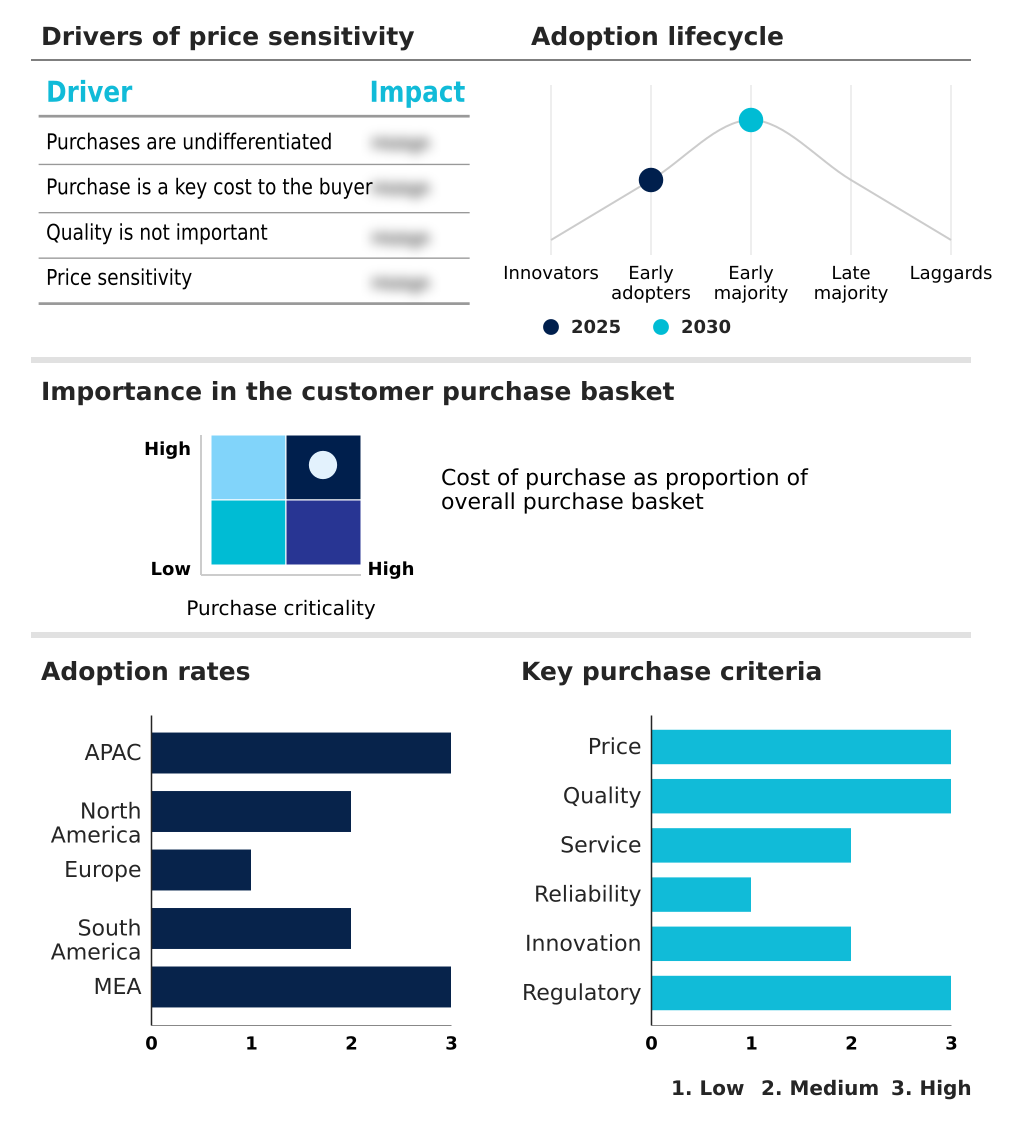
Customer Landscape of Baby Car Seat Industry
Competitive Landscape
Companies are implementing various strategies, such as strategic alliances, baby car seat market forecast, partnerships, mergers and acquisitions, geographical expansion, and product/service launches, to enhance their presence in the industry.
Aprica Childrens Products Inc. - Key offerings feature advanced child restraint systems engineered with reinforced side-impact protection and intuitive anchoring mechanisms, ensuring optimal passenger security and rigorous compliance with international collision safety regulations.
The industry research and growth report includes detailed analyses of the competitive landscape of the market and information about key companies, including:
- Aprica Childrens Products Inc.
- Artsana Spa
- AVOVA GmbH
- Axkid AB
- Baby Trend Inc.
- Britax Excelsior Ltd.
- Clek Inc.
- Combi Packaging Systems LLC
- Dorel Industries Inc.
- Goodbaby International Holdings
- HTS BeSafe AS
- Jane Group
- Joie International Co. Ltd.
- Lionelo
- Nuna International BV
- Osann GmbH
- Peg Perego
- Renolux France
- Swandoo GmbH
- UPPAbaby Inc.
Qualitative and quantitative analysis of companies has been conducted to help clients understand the wider business environment as well as the strengths and weaknesses of key industry players. Data is qualitatively analyzed to categorize companies as pure play, category-focused, industry-focused, and diversified; it is quantitatively analyzed to categorize companies as dominant, leading, strong, tentative, and weak.
Recent Development and News in Baby car seat market
- In the Leisure Products industry, the widespread adoption of bio-based polymers in outdoor recreational gear has lowered the procurement costs of sustainable structural plastics, directly impacting Baby Car Seat manufacturing by enabling the cost-effective implementation of eco certified manufacturing protocols.
- Stringent regulatory crash testing mandates for juvenile recreational mobility equipment have established strict energy-absorption baselines, forcing infant restraint manufacturers to upgrade impact deceleration engineering to maintain retail compliance and shelf availability.
- The integration of low-energy chips into consumer sporting goods has accelerated the miniaturization of telemetry components, allowing manufacturers to seamlessly embed a wireless communication module into child carriers to enable a real time safety alert.
- Increased supply chain investments in sustainable material integration for premium camping equipment have expanded the industrial availability of non-toxic textiles, directly driving the adoption of circular design engineering within the broader child passenger safety sector.
Dive into Technavio’s robust research methodology, blending expert interviews, extensive data synthesis, and validated models for unparalleled Baby Car Seat Market insights. See full methodology.
| Market Scope | |
|---|---|
| Page number | 287 |
| Base year | 2025 |
| Historic period | 2020-2024 |
| Forecast period | 2026-2030 |
| Growth momentum & CAGR | Accelerate at a CAGR of 4.7% |
| Market growth 2026-2030 | USD 1261.5 million |
| Market structure | Fragmented |
| YoY growth 2025-2026(%) | 4.6% |
| Key countries | China, Japan, India, South Korea, Australia, Indonesia, US, Canada, Mexico, Germany, UK, France, Italy, Spain, Russia, Brazil, Argentina, Chile, Saudi Arabia, UAE, South Africa, Turkey and Egypt |
| Competitive landscape | Leading Companies, Market Positioning of Companies, Competitive Strategies, and Industry Risks |
Research Analyst Overview
- Strategic decision-making within the Baby Car Seat sector increasingly centers on integrating sophisticated digital diagnostics with traditional structural mechanics. Boardroom executives are directing robust research budgets toward smart sensor telemetry and occupant presence detection to pre-emptively address stringent regulatory compliance mandates.
- This pivot toward active digital safety has enabled manufacturers to improve post-assembly defect identification rates by 30% compared to legacy mechanical inspection protocols. At the core of product strategy, engineering teams are refining the rear facing restraint to maximize crash impact dissipation through high-density polymer construction.
- Simultaneously, executives are prioritizing a modular travel system architecture that guarantees broad vehicle seat compatibility across diverse automotive platforms. This standardization of mechanical interfaces reduces tooling costs and optimizes supply chain agility. By embedding active sensor networks into passive safety frameworks, manufacturers effectively mitigate severe liability risks associated with user installation errors.
- These operational shifts ensure that product lines remain resilient against evolving legislative safety thresholds while maintaining high production efficiency.
What are the Key Data Covered in this Baby Car Seat Market Research and Growth Report?
-
What is the expected growth of the Baby Car Seat Market between 2026 and 2030?
-
USD 1.26 billion, at a CAGR of 4.7%
-
-
What segmentation does the market report cover?
-
The report is segmented by Distribution Channel (Offline, and Online), Product (Infant car seats, Convertible car seats, and Booster car seats), Type (Forward facing, and Backward facing) and Geography (APAC, North America, Europe, South America, Middle East and Africa)
-
-
Which regions are analyzed in the report?
-
APAC, North America, Europe, South America and Middle East and Africa
-
-
What are the key growth drivers and market challenges?
-
Smart connected sensors and advanced ergonomic engineering, Regulatory standards for crash testing and side impact protection
-
-
Who are the major players in the Baby Car Seat Market?
-
Aprica Childrens Products Inc., Artsana Spa, AVOVA GmbH, Axkid AB, Baby Trend Inc., Britax Excelsior Ltd., Clek Inc., Combi Packaging Systems LLC, Dorel Industries Inc., Goodbaby International Holdings, HTS BeSafe AS, Jane Group, Joie International Co. Ltd., Lionelo, Nuna International BV, Osann GmbH, Peg Perego, Renolux France, Swandoo GmbH and UPPAbaby Inc.
-
Market Research Insights
- The Baby Car Seat Market is rapidly evolving through the convergence of mechanical safety and digital telemetry. Expanding passenger vehicle adoption across urban centers necessitates highly adaptable child restraint solutions. Manufacturers are embedding smart electronics to deliver automated installation feedback, which has successfully reduced user anchoring errors by 18%.
- Furthermore, the integration of advanced harness tension monitoring and unbuckle alert notification systems enhances real-time caregiver oversight during transit. These digital advancements are highly effective at child heatstroke prevention, subsequently improving overall product safety scores by 22%.
- By bridging the gap between passive structural protection and active digital intervention, manufacturers are significantly improving regulatory compliance metrics and reducing post-purchase liability claims.
We can help! Our analysts can customize this baby car seat market research report to meet your requirements.
 RIA -