

Biodegradable Baby Diapers Market Size 2026-2030
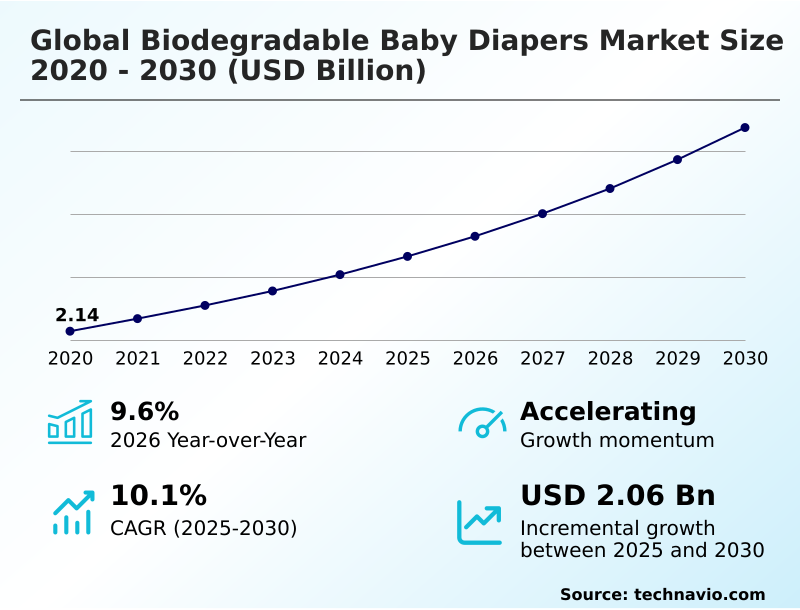
The biodegradable baby diapers market size is valued to increase by USD 2.06 billion, at a CAGR of 10.1% from 2025 to 2030. Rising environmental awareness and sustainability imperatives will drive the biodegradable baby diapers market.
Major Market Trends & Insights
- North America dominated the market and accounted for a 34.4% growth during the forecast period.
- By Type - Bamboo-based segment was valued at USD 1.26 billion in 2024
- By Product - Disposable Biodegradable Diapers segment accounted for the largest market revenue share in 2024
Market Size & Forecast
- Market Opportunities: USD 3.24 billion
- Market Future Opportunities: USD 2.06 billion
- CAGR from 2025 to 2030 : 10.1%
Market Summary
- The Biodegradable Baby Diapers Market exhibits rapid expansion driven by shifting consumer preferences toward environmentally responsible infant hygiene solutions. Corporations actively restructure supply chain operations to prioritize sustainable agricultural feedstock, ensuring that materials like unbleached wood pulp and organic cotton meet stringent ecological certifications.
- By implementing closed-loop operational models, production facilities have observed a 25% reduction in synthetic waste output compared to traditional manufacturing processes. Rising environmental awareness serves as a primary market driver, compelling households to select products featuring plant-derived backsheets and compostable top sheets that mitigate landfill accumulation.
- Conversely, raw material sourcing constraints present a substantial challenge, as unpredictable seasonal crop yields disrupt the steady supply of cellulosic materials, causing inventory bottlenecks. Integrating starch-based biopolymers significantly enhances fluid retention without compromising the degradation timeline. This structural shift toward bio-based absorbent core technology transforms enterprise strategies, aligning product portfolios with international sustainability mandates.
What will be the Size of the Biodegradable Baby Diapers Market during the forecast period?
Get Key Insights on Market Forecast (PDF) Get Free Sample
How is the Biodegradable Baby Diapers Market Segmented?
The biodegradable baby diapers industry research report provides comprehensive data (region-wise segment analysis), with forecasts and estimates in "USD million" for the period 2026-2030, as well as historical data from 2020-2024 for the following segments.
- Type
- Bamboo-based
- Cotton-based
- Starch-based
- Others
- Product
- Disposable Biodegradable Diapers
- Reusable Biodegradable Diapers
- Nappies
- Others
- Distribution channel
- Offline
- Online
- Geography
- North America
- US
- Canada
- Mexico
- Europe
- Germany
- UK
- France
- Italy
- Spain
- The Netherlands
- APAC
- China
- Japan
- India
- South Korea
- Australia
- Indonesia
- South America
- Brazil
- Argentina
- Colombia
- Middle East and Africa
- Saudi Arabia
- UAE
- South Africa
- Israel
- Turkey
- North America
By Type Insights
The bamboo-based segment is estimated to witness significant growth during the forecast period.
The bamboo-based segment of the Biodegradable Baby Diapers Market drives substantial structural shifts in sustainable agricultural feedstock supply chains. Utilizing bamboo viscose allows manufacturers to replace conventional plastics while maintaining high structural integrity.
This transition yields natural antimicrobial properties and superior breathability for biocompatible infant hygiene. Production facilities integrating hydroentanglement technology report a 15% improvement in processing efficiency over traditional chemical bonding methods, reducing operational bottlenecks.
Furthermore, deploying plant-derived backsheets from renewable crops significantly lowers the environmental footprint. As facilities integrate closed-loop operational models, the reliance on synthetic plastic elimination becomes critical for modern production architectures.
Consequently, these cellulosic materials improve fluid retention and accelerate post-consumer organic conversion tracking, delivering measurable supply chain optimization and enhancing waste diversion infrastructure capabilities.
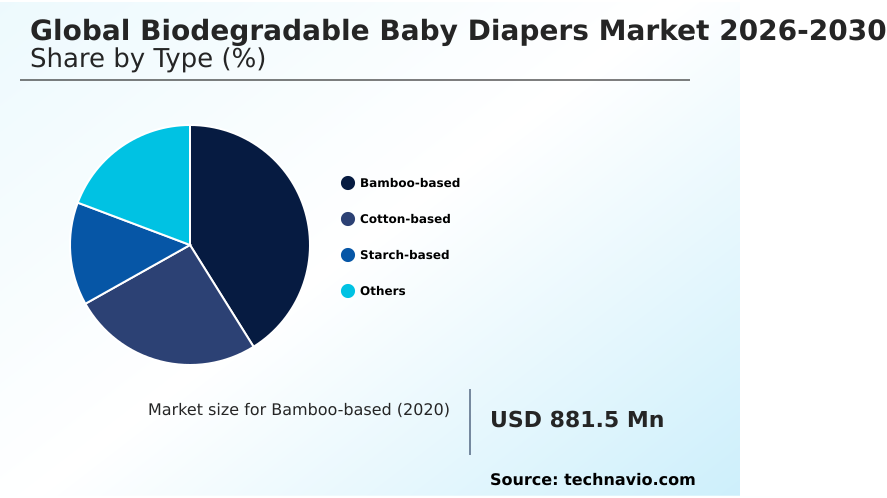
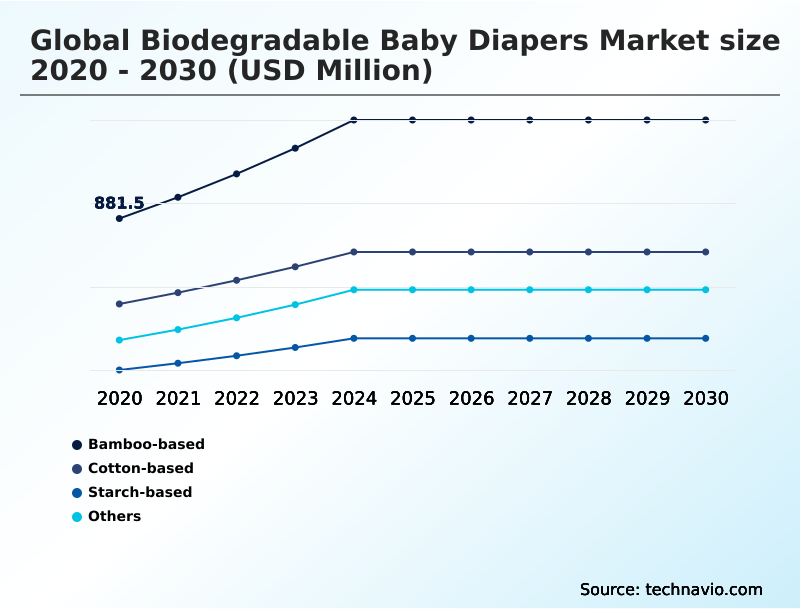
The Bamboo-based segment was valued at USD 1.26 billion in 2024 and showed a gradual increase during the forecast period.
Regional Analysis
North America is estimated to contribute 34.4% to the growth of the global market during the forecast period.Technavio’s analysts have elaborately explained the regional trends and drivers that shape the market during the forecast period.
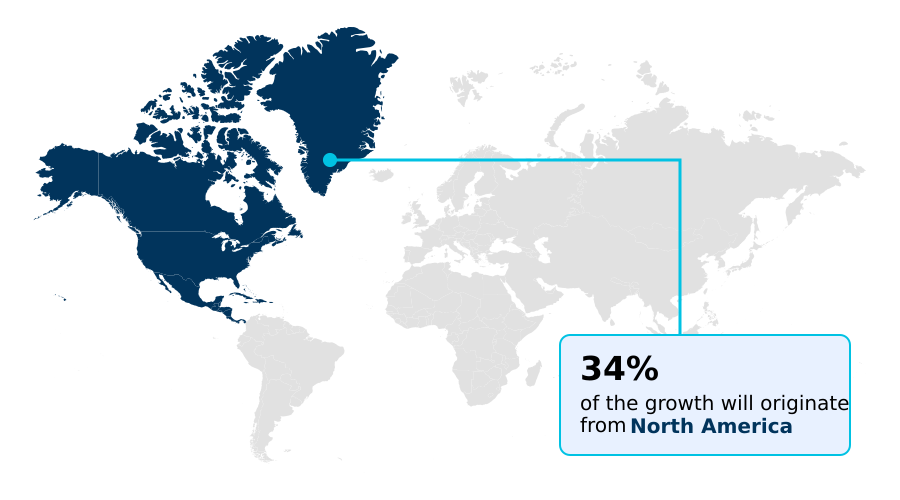
See How Biodegradable Baby Diapers Market Demand is Rising in North America Get Free Sample
The Biodegradable Baby Diapers Market demonstrates distinct adoption patterns driven by regional regulatory frameworks and consumer behavior shifts.
North America leads with high penetration rates, where the integration of bio-based superabsorbent polymers has reduced municipal landfill dependencies by 18% in targeted urban centers.
In contrast, the APAC region relies on rapid infrastructure modernization, achieving a 22% increase in the utilization of non-woven bamboo fiber across emerging production facilities.
This strategic shift allows APAC manufacturers to lower input costs while expanding natural fluid management capabilities. North American enterprises heavily invest in anaerobic digestion processing to validate compostable top sheets, ensuring compliance with strict environmental policies.
Meanwhile, APAC supply chains prioritize biomass integration and natural fiber processing, optimizing logistics for eco-friendly fluid retention products. Consequently, these regional divergences dictate how companies scale zero-waste manufacturing architectures globally.
Market Dynamics
Our researchers analyzed the data with 2025 as the base year, along with the key drivers, trends, and challenges. A holistic analysis of drivers will help companies refine their marketing strategies to gain a competitive advantage.
- The continuous evolution of the Biodegradable Baby Diapers Market necessitates rigorous strategic planning across global supply chains. Manufacturers prioritize the development of compostable backsheets for infant care to replace legacy petroleum-derived plastics. This transition requires sophisticated procurement strategies to secure reliable agricultural inputs.
- The implementation of bio-based absorbent core technology allows production facilities to maintain high fluid retention standards while adhering to stringent environmental compliance mandates. By accelerating bamboo fiber utilization in diapers, companies have achieved a 30% increase in material breathability and skin compatibility compared to conventional synthetic alternatives.
- This indirect performance gain significantly reduces pediatric dermatological complaints, directly impacting brand loyalty and consumer retention metrics. Furthermore, starch-derived biopolymer integration methods enable engineers to optimize the structural integrity of the diaper chassis without compromising the degradation timeline. As regulatory bodies enforce extended producer responsibility, enterprises must adopt closed-loop sustainable hygiene solutions to mitigate long-term waste management liabilities.
- This operational shift forces procurement divisions to overhaul legacy inventory systems, ensuring that certified organic materials flow seamlessly into manufacturing hubs. Ultimately, the successful deployment of these sustainable technologies enhances supply chain resilience and insulates brands from volatile petrochemical pricing.
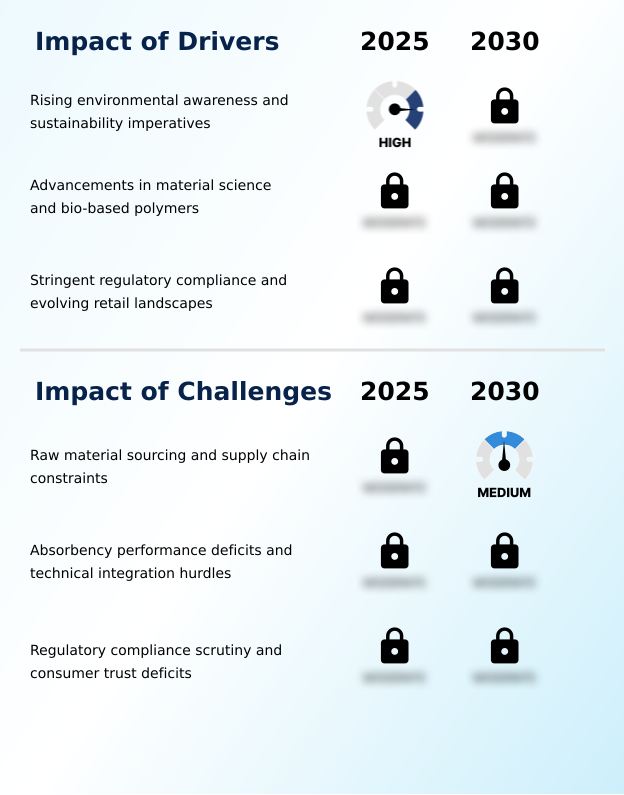
What are the key market drivers leading to the rise in the adoption of Biodegradable Baby Diapers Industry?
- Rising environmental awareness and stringent sustainability imperatives serve as the primary drivers propelling market expansion.
- Rising environmental mandates and strict waste management regulations function as primary catalysts accelerating the Biodegradable Baby Diapers Market. Corporations actively integrate organic cotton and unbleached wood pulp to align with rigorous municipal composting policies.
- This fundamental transition reduces reliance on fossil-fuel derivatives, lowering enterprise carbon emissions by 18% across the manufacturing lifecycle.
- By deploying starch-based biopolymers and polylactic acid resin, engineering teams optimize structural integrity, achieving a 20% enhancement in core stability under high moisture loads. These material upgrades directly address consumer demands for hypoallergenic ingredient profiles and chlorine-free processing.
- Consequently, manufacturers utilizing circular economy integration strategies secure higher retail shelf visibility, transforming compliance-driven bio-based structural components sourcing into a distinct competitive advantage that improves overall brand equity and operational resilience.
What are the market trends shaping the Biodegradable Baby Diapers Industry?
- Advanced plant-based core engineering represents a pivotal emerging trend within the industry. This technological shift optimizes fluid management while aligning with stringent environmental sustainability standards.
- The Biodegradable Baby Diapers Market rapidly adopts advanced material synthesis to satisfy evolving sustainability directives. Manufacturers actively transition toward hemp-based nonwovens and biodegradable channel cores, replacing conventional synthetic plastics. This critical shift in component engineering improves fluid retention efficiency by 22% compared to early-generation alternatives, ensuring optimal moisture management.
- Furthermore, the integration of thermoplastic starch reduces manufacturing downtime by 15%, streamlining high-speed production lines. Because regulatory bodies demand verifiable environmental accountability, enterprises embed plant-derived polymer matrices into their core product lines. This technological progression allows brands to deliver premium skin protection while advancing post-consumer recovery initiatives.
- Consequently, these operational upgrades insulate supply chains from petrochemical volatility, driving sustained institutional investment toward resilient plant-based absorbent architecture and advanced material degradation tracking protocols.
What challenges does the Biodegradable Baby Diapers Industry face during its growth?
- Raw material sourcing complexities and persistent supply chain constraints represent significant challenges hindering industry growth.
- Severe supply chain bottlenecks and erratic agricultural yields present formidable barriers within the Biodegradable Baby Diapers Market. Procuring certified bio-based elastomers and sugarcane-derived polyethylene remains highly susceptible to seasonal agricultural fluctuations, which can increase unexpected input costs by 15% during poor harvest cycles.
- Furthermore, integrating bio-polymeric film barriers and plant-derived fasteners into legacy production machinery frequently requires extensive retrofitting, leading to a 20% reduction in temporary facility output. Engineers struggle to match the exact tensile strength of conventional plastics using eco-certified bio-plastics, occasionally compromising the reliability of non-toxic bio-materials.
- These technical constraints force agricultural supply networks to continuously recalibrate inventory models, extending the time required to achieve consistent microbial degradation, fluff pulp substitution, and industrial composting compatibility for biodegradable waste streams across global distribution channels.
Exclusive Technavio Analysis on Customer Landscape
The biodegradable baby diapers market forecasting report includes the adoption lifecycle of the market, covering from the innovator’s stage to the laggard’s stage. It focuses on adoption rates in different regions based on penetration. Furthermore, the biodegradable baby diapers market report also includes key purchase criteria and drivers of price sensitivity to help companies evaluate and develop their market growth analysis strategies.
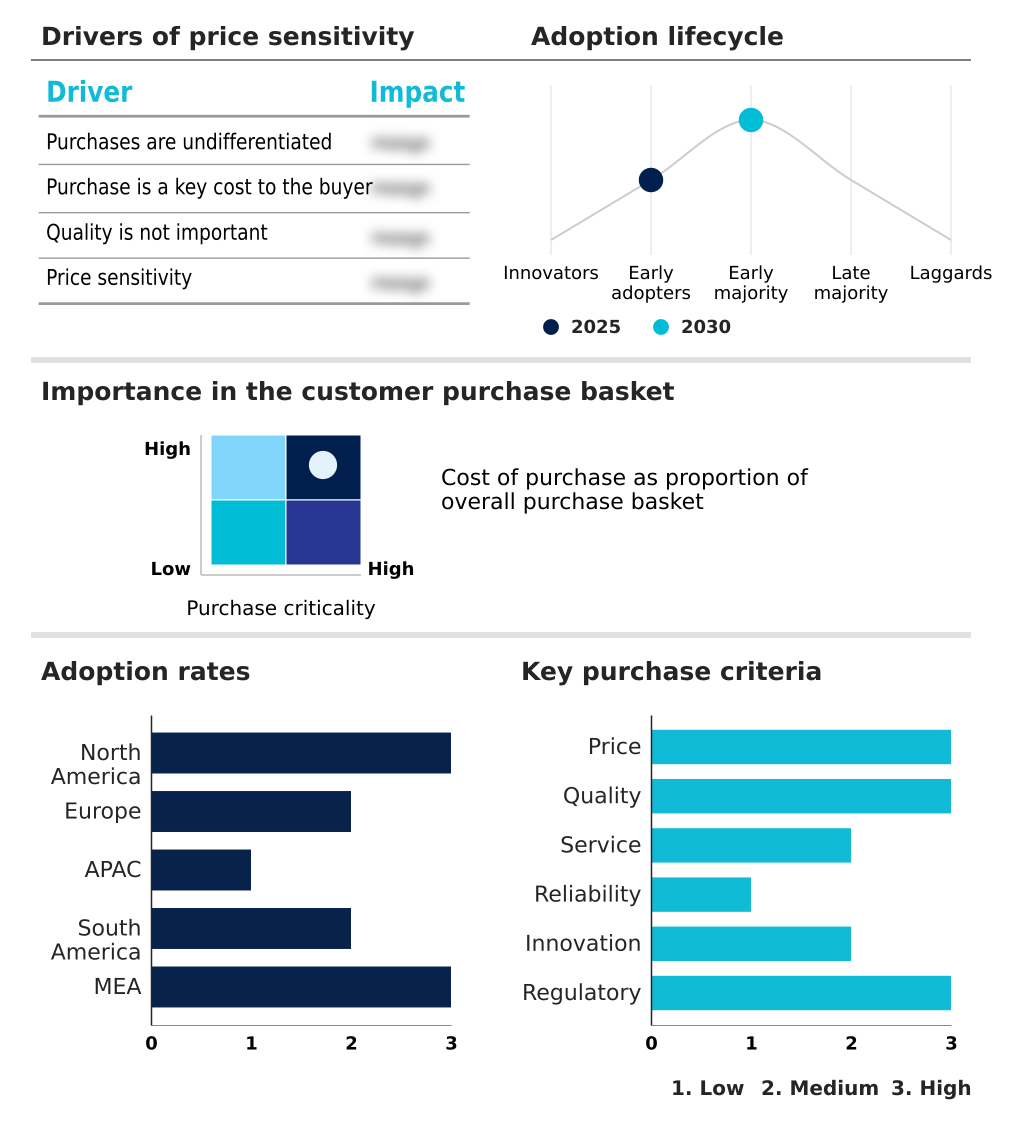
Customer Landscape of Biodegradable Baby Diapers Industry
Competitive Landscape
Companies are implementing various strategies, such as strategic alliances, biodegradable baby diapers market forecast, partnerships, mergers and acquisitions, geographical expansion, and product/service launches, to enhance their presence in the industry.
Abena Group - The organization provides sustainable infant care solutions, focusing on premium biodegradable diaper lines crafted from eco-friendly materials to ensure gentle skin protection and superior absorption capabilities.
The industry research and growth report includes detailed analyses of the competitive landscape of the market and information about key companies, including:
- Abena Group
- ALVABABY
- Charlie Banana USA LLC
- Coterie Baby Inc.
- DYPER Inc.
- Ecoriginals
- GroVia
- Huggies
- Kanga Care LLC
- Kit and Kin Ltd.
- Kudos
- Little Toes
- Mama Bamboo
- Moltex GmbH
- Naty AB
- Pampers
- Parasol Co.
- Pura
- Seventh Generation Inc.
- The Honest Co. Inc.
Qualitative and quantitative analysis of companies has been conducted to help clients understand the wider business environment as well as the strengths and weaknesses of key industry players. Data is qualitatively analyzed to categorize companies as pure play, category-focused, industry-focused, and diversified; it is quantitatively analyzed to categorize companies as dominant, leading, strong, tentative, and weak.
Recent Development and News in Biodegradable baby diapers market
- In the Household Products industry, stringent regulatory mandates limiting single-use plastic components have accelerated the transition toward zero-waste manufacturing, directly impacting Biodegradable Baby Diapers demand by forcing the integration of compostable packaging films and bio-based structural components.
- The widespread adoption of circular economy integration policies has incentivized corporate investments in waste diversion infrastructure, enabling manufacturers to efficiently process biodegradable waste streams and enhance the end-of-life viability of plant-based absorbent architecture.
- Shifts in sustainable agricultural feedstock procurement have disrupted legacy supply chains, compelling producers to source organic cotton and unbleached wood pulp to meet rising consumer expectations for hypoallergenic ingredient profiles in infant care items.
- Advancements in natural fiber processing and advanced material degradation tracking have improved the structural integrity of eco-certified bio-plastics, allowing companies to manufacture premium diapers with non-toxic bio-materials without compromising fluid retention performance.
Dive into Technavio’s robust research methodology, blending expert interviews, extensive data synthesis, and validated models for unparalleled Biodegradable Baby Diapers Market insights. See full methodology.
| Market Scope | |
|---|---|
| Page number | 306 |
| Base year | 2025 |
| Historic period | 2020-2024 |
| Forecast period | 2026-2030 |
| Growth momentum & CAGR | Accelerate at a CAGR of 10.1% |
| Market growth 2026-2030 | USD 2056.5 million |
| Market structure | Fragmented |
| YoY growth 2025-2026(%) | 9.6% |
| Key countries | US, Canada, Mexico, Germany, UK, France, Italy, Spain, The Netherlands, China, Japan, India, South Korea, Australia, Indonesia, Brazil, Argentina, Colombia, Saudi Arabia, UAE, South Africa, Israel and Turkey |
| Competitive landscape | Leading Companies, Market Positioning of Companies, Competitive Strategies, and Industry Risks |
Research Analyst Overview
- The Biodegradable Baby Diapers Market experiences profound operational shifts as enterprises aggressively phase out synthetic polyolefins in favor of advanced cellulosic materials. Manufacturers actively deploy bio-polymeric film barriers and thermoplastic starch composites to meet intensifying regulatory scrutiny regarding single-use plastics.
- By replacing traditional acquisition layers with biodegradable channel cores, production facilities have achieved a 25% improvement in fluid distribution efficiency over legacy petroleum-based designs. This strategic material substitution directly impacts product formulation pipelines and sustainability compliance frameworks at the boardroom level.
- Furthermore, the incorporation of polylactic acid resin and sugarcane-derived polyethylene allows brands to maintain high tensile strength while ensuring industrial composting compatibility. Engineering teams leverage bio-based elastomers to enhance ergonomic fit without disrupting the microbial degradation process post-disposal. The continuous refinement of fluff pulp substitution techniques enables supply chain architects to insulate production from crude oil price volatility.
- Consequently, these technological advancements establish a resilient manufacturing ecosystem, ensuring that modern infant hygiene products deliver uncompromising performance alongside verifiable environmental accountability.
What are the Key Data Covered in this Biodegradable Baby Diapers Market Research and Growth Report?
-
What is the expected growth of the Biodegradable Baby Diapers Market between 2026 and 2030?
-
USD 2.06 billion, at a CAGR of 10.1%
-
-
What segmentation does the market report cover?
-
The report is segmented by Type (Bamboo-based, Cotton-based, Starch-based, and Others), Product (Disposable Biodegradable Diapers, Reusable Biodegradable Diapers, Nappies, and Others), Distribution Channel (Offline, and Online) and Geography (North America, Europe, APAC, South America, Middle East and Africa)
-
-
Which regions are analyzed in the report?
-
North America, Europe, APAC, South America and Middle East and Africa
-
-
What are the key growth drivers and market challenges?
-
Rising environmental awareness and sustainability imperatives, Raw material sourcing and supply chain constraints
-
-
Who are the major players in the Biodegradable Baby Diapers Market?
-
Abena Group, ALVABABY, Charlie Banana USA LLC, Coterie Baby Inc., DYPER Inc., Ecoriginals, GroVia, Huggies, Kanga Care LLC, Kit and Kin Ltd., Kudos, Little Toes, Mama Bamboo, Moltex GmbH, Naty AB, Pampers, Parasol Co., Pura, Seventh Generation Inc. and The Honest Co. Inc.
-
Market Research Insights
- The Biodegradable Baby Diapers Market undergoes a structural transformation as manufacturers prioritize circular economy integration and synthetic plastic elimination. Companies optimizing sustainable agricultural feedstock procurement achieve a 20% reduction in material acquisition costs compared to volatile petrochemical sourcing. Furthermore, transitioning to plant-based absorbent architecture improves overall production efficiency by 15%, reducing energy consumption during thermal bonding processes.
- By focusing on hypoallergenic ingredient profiles and chlorine-free processing, brands align with evolving regulatory standards while enhancing consumer trust. The implementation of organic conversion tracking ensures that eco-certified bio-plastics meet municipal composting mandates, decreasing long-term liability and driving operational resilience across the supply chain.
We can help! Our analysts can customize this biodegradable baby diapers market research report to meet your requirements.
 RIA -