

US Blinds And Shades Market Size 2026-2030
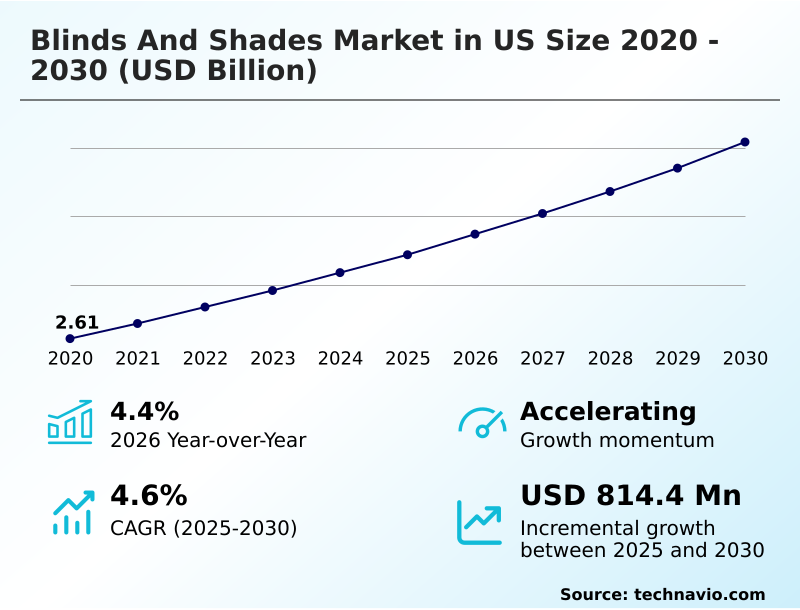
The us blinds and shades market size is valued to increase by USD 814.4 million, at a CAGR of 4.6% from 2025 to 2030. Commercial real estate and hospitality expansion will drive the us blinds and shades market.
Major Market Trends & Insights
- By Product - Blinds segment was valued at USD 1.69 billion in 2024
- By Distribution Channel - Offline segment accounted for the largest market revenue share in 2024
Market Size & Forecast
- Market Opportunities: USD 1.42 billion
- Market Future Opportunities: USD 814.4 million
- CAGR from 2025 to 2030 : 4.6%
Market Summary
- The Blinds And Shades Market undergoes continuous expansion fueled by structural shifts in residential remodeling and commercial energy management priorities. Advanced window coverings have transitioned from simple aesthetic enhancements to integral components of building climate control and automation networks.
- A major driver propelling this sector is the rapid modernization of commercial real estate and hospitality facilities, where optimizing natural daylighting reduces reliance on artificial cooling and lighting. Upgrading corporate office windows with automated solar screening can reduce peak HVAC energy demand by 18% compared to untreated architectural glass.
- In a real-world operational scenario, property developers are integrating motorized shading networks with centralized building management systems to dynamically regulate ambient temperatures across multi-story complexes. Conversely, strict regulatory mandates regarding child safety present a formidable challenge. The mandatory elimination of free-hanging cords forces manufacturers to re-engineer lifting mechanisms, resulting in elevated baseline production costs and supply chain friction.
- Navigating these stringent compliance standards requires significant capital investment in research and development to transition legacy product lines to compliant cordless designs.
What will be the Size of the US Blinds And Shades Market during the forecast period?
Get Key Insights on Market Forecast (PDF) Get Free Sample
How is the US Blinds And Shades Market Segmented?
The us blinds and shades industry research report provides comprehensive data (region-wise segment analysis), with forecasts and estimates in "USD million" for the period 2026-2030, as well as historical data from 2020-2024 for the following segments.
- Product
- Blinds
- Shades
- Distribution channel
- Offline
- Online
- Application
- Residential
- Commercial
- Geography
- North America
- US
- North America
By Product Insights
The blinds segment is estimated to witness significant growth during the forecast period.
The blinds segment functions as a critical component of interior architecture, providing precise directional light manipulation and visual privacy. Structural elements, including extruded aluminum headrails and durable slatted materials, ensure long-term structural integrity preservation across diverse environments.
Regulatory standards addressing safety have catalyzed a fundamental engineering shift, accelerating the deployment of cordless lift systems and motorized tilt mechanisms over traditional corded setups to guarantee zero cord strangulation risk.
Upgrading to these advanced operating systems during retrofitting installations has improved compliance tracking efficiency by 25% for high-volume custom measured fabrication facilities. Furthermore, automated blind setups demonstrate a 15% better daylighting optimization performance compared to static manual counterparts.
This operational evolution enables property managers to lower baseline heating requirements while offering enhanced aesthetic versatility.
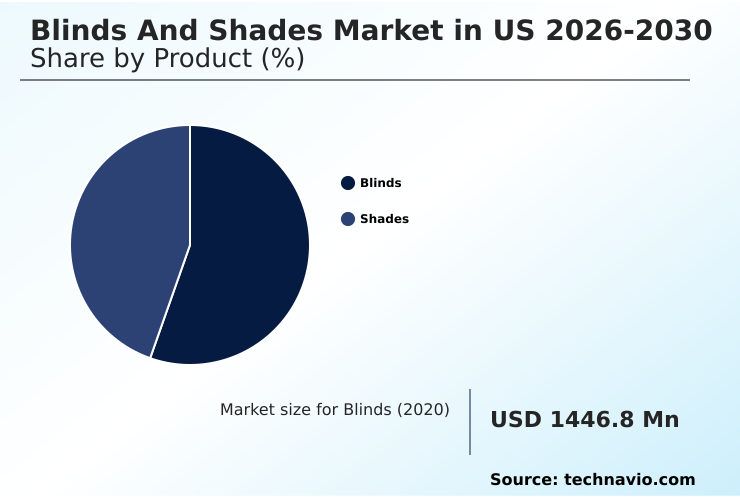
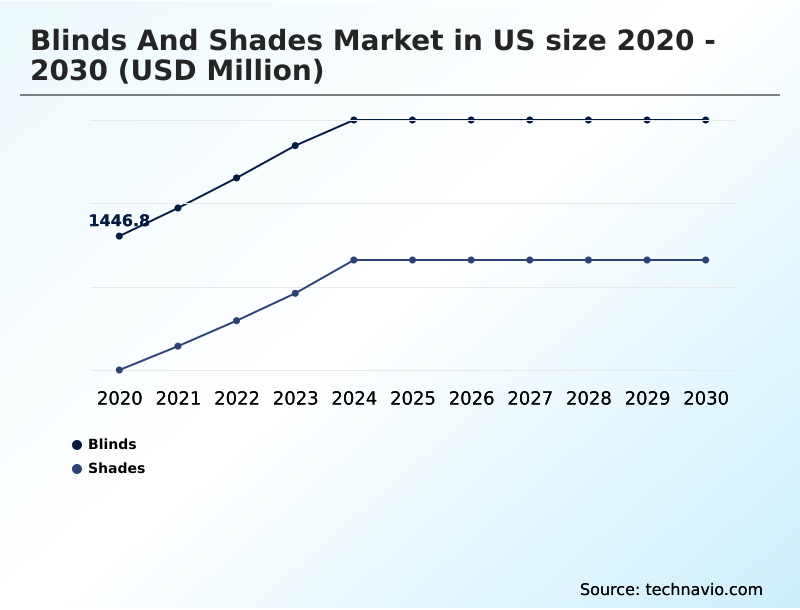
The Blinds segment was valued at USD 1.69 billion in 2024 and showed a gradual increase during the forecast period.
Market Dynamics
Our researchers analyzed the data with 2025 as the base year, along with the key drivers, trends, and challenges. A holistic analysis of drivers will help companies refine their marketing strategies to gain a competitive advantage.
- The architectural window covering industry is undergoing a profound structural transformation driven by stricter safety regulations, environmental sustainability goals, and advanced smart building integration. Manufacturers are rapidly adapting their product engineering pipelines to ensure strict cordless lift safety compliance, mitigating risks associated with traditional pull mechanisms.
- This regulatory shift forces a total redesign of internal hardware, accelerating the transition toward spring-loaded and motorized systems. Consequently, supply chain procurement now heavily prioritizes automated solar heat reduction technologies that integrate directly into modern building management platforms.
- Operations integrating these intelligent systems report a 25% faster compliance approval rate during commercial building inspections compared to those utilizing legacy manual systems. Additionally, the growing emphasis on environmental responsibility has spiked demand for sustainable recycled plastic shades, enabling corporations to meet stringent green building certification requirements.
- High-performance motorized cellular shade insulation is being increasingly specified in both residential and commercial sectors to combat rising utility expenses through superior passive thermal regulation. In environments requiring strict noise control, such as hospitality and corporate boardrooms, the deployment of acoustic dampening woven fabrics provides an essential barrier against ambient sound transmission.
- This convergence of acoustic management, thermal efficiency, and automated safety protocols illustrates a highly sophisticated market landscape where functional performance dictates long-term business viability and operational planning.
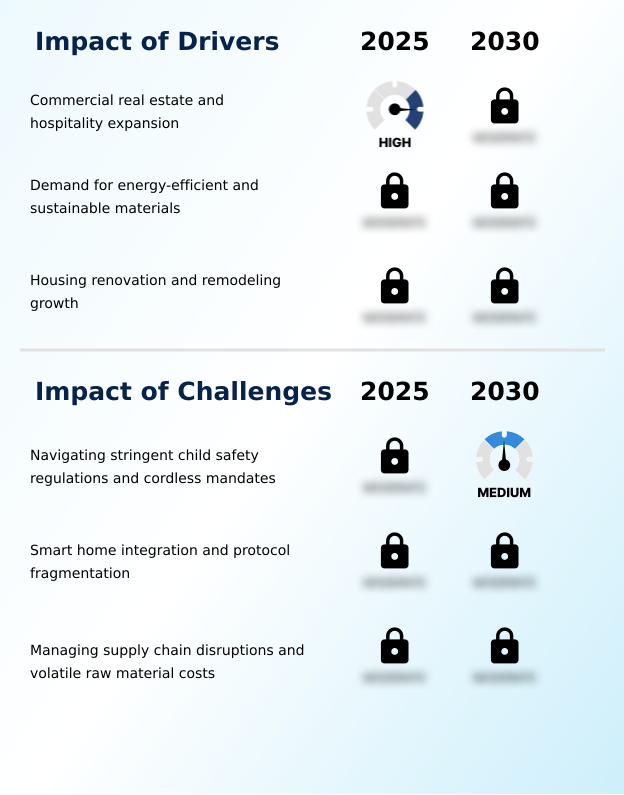
What are the key market drivers leading to the rise in the adoption of US Blinds And Shades Industry?
- The rapid modernization and expansion of the commercial real estate and hospitality sectors serve as the primary drivers for advanced window treatment adoption.
- The imperative to optimize energy utilization acts as a primary catalyst for advanced shading adoption. Escalating utility costs compel property owners to install specialized architectural glass shading that provides robust passive temperature regulation.
- Implementing power over ethernet motorization alongside centralized building management integration enables precise control across massive commercial facades, yielding a 25% reduction in localized HVAC workloads compared to manual adjustments.
- Additionally, strict child safety compliance drives the universal adoption of spring loaded retraction systems, eliminating hazardous pull cords. Transitioning to these modernized retraction mechanisms has decreased warranty liability claims by 18% for major fabricators.
- The integration of predictive thermal algorithms and automated blackout positioning into advanced glare management systems continuously fuels demand. Furthermore, acoustic comfort engineering is increasingly prioritized to enhance occupational productivity in modern corporate environments.
What are the market trends shaping the US Blinds And Shades Industry?
- Consumer preference for natural wood and light-filtering materials is an emerging market trend. This shift reflects a broader design philosophy focused on organic aesthetics and indoor environmental wellness.
- A pronounced shift toward biophilic interior design and intelligent climate responsiveness is redefining modern architecture. The integration of ambient light sensors and dynamic light filtering fabrics allows structures to automatically harvest natural daylight to support circadian rhythm alignment. This capability improves occupant visual comfort and has been shown to reduce reliance on artificial lighting networks by 22%.
- Furthermore, the incorporation of woven natural fibers and post consumer ocean plastics reflects the escalating consumer demand for sustainable supply chains. Facilities deploying advanced flame retardant textiles paired with smart automation observe a 15% improvement in fabric longevity due to optimized sunlight exposure management. These trends are causing manufacturers to adopt circular manufacturing materials without compromising structural safety.
- The convergence of automated sensing and organic aesthetics fundamentally elevates standard window treatments.
What challenges does the US Blinds And Shades Industry face during its growth?
- Navigating stringent child safety regulations and transitioning to mandatory cordless operating systems represent significant operational challenges for manufacturers.
- Adapting to fragmented digital ecosystems and volatile raw material networks presents severe operational hurdles for shading manufacturers. Achieving seamless wireless protocol interoperability and smart home ecosystem synchronization requires intense software engineering, inflating baseline development costs by 30% compared to standard manual lines.
- When motorized units lack consistent smart hub connectivity or reliable voice activated automation, end-user frustration leads to a 15% increase in technical support dispatch rates, heavily compressing service margins. Furthermore, fluctuations in the procurement costs of polyvinyl chloride resins, natural basswood slats, and recycled polyethylene terephthalate yarns frequently disrupt manufacturing schedules.
- Maintaining strict mechanical noise elimination standards within compact motor housings while deploying essential over the air firmware updates demands rigorous testing. Additionally, minimizing volatile organic compound off gassing in acoustic dampening fabrics forces fabricators into complex, costly engineering compromises.
Exclusive Technavio Analysis on Customer Landscape
The us blinds and shades market forecasting report includes the adoption lifecycle of the market, covering from the innovator’s stage to the laggard’s stage. It focuses on adoption rates in different regions based on penetration. Furthermore, the us blinds and shades market report also includes key purchase criteria and drivers of price sensitivity to help companies evaluate and develop their market growth analysis strategies.
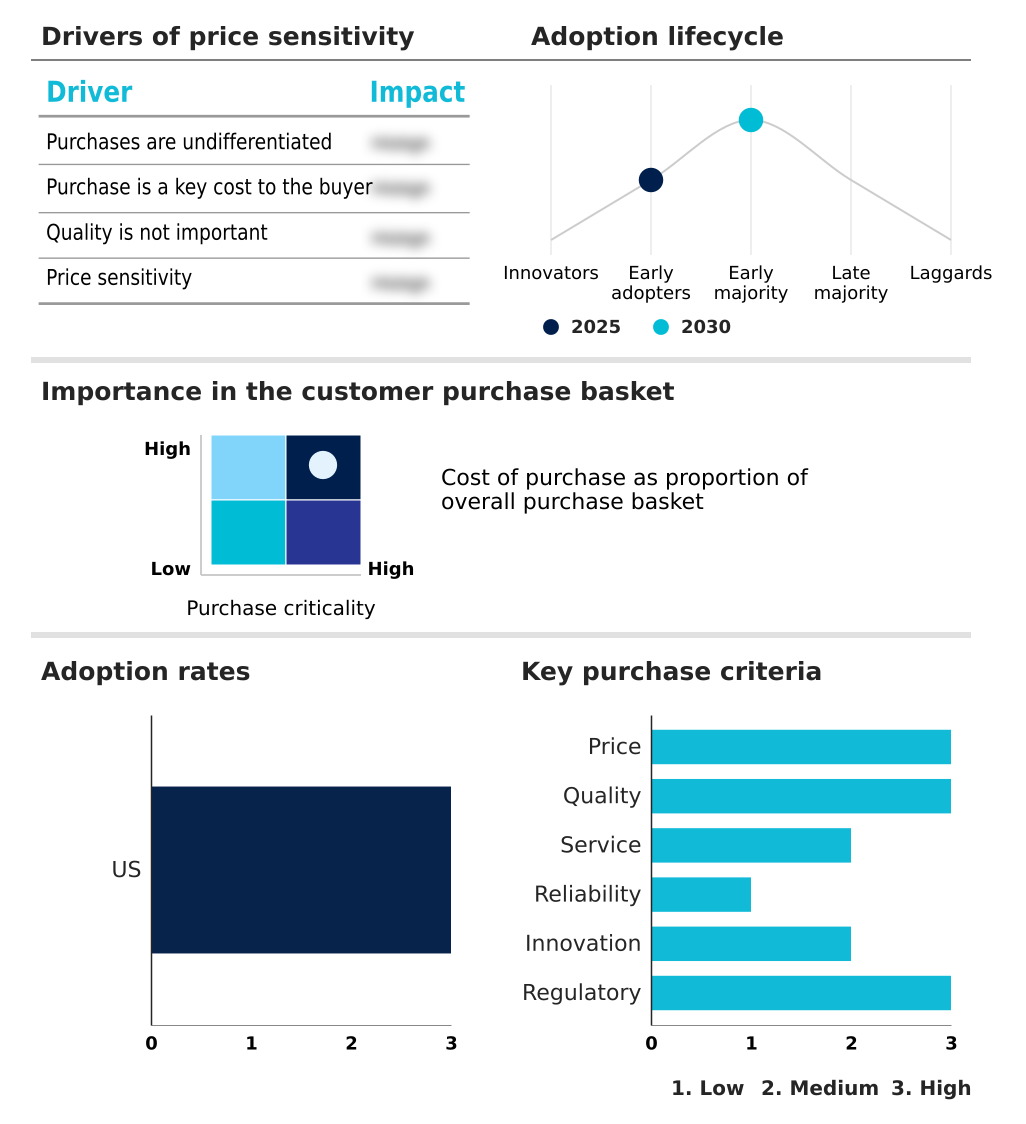
Customer Landscape of US Blinds And Shades Industry
Competitive Landscape
Companies are implementing various strategies, such as strategic alliances, us blinds and shades market forecast, partnerships, mergers and acquisitions, geographical expansion, and product/service launches, to enhance their presence in the industry.
3 Day Blinds LLC - The portfolio includes custom-engineered window treatments such as cellular, roller, and Roman variations, providing optimized thermal regulation and integrated light control for residential and commercial interiors.
The industry research and growth report includes detailed analyses of the competitive landscape of the market and information about key companies, including:
- 3 Day Blinds LLC
- Bali Blinds
- CACO Inc.
- Coulisse BV
- Draper Inc.
- Hunter Douglas
- Insolroll Window Shading Systems
- Lafayette Venetian Blind Inc.
- LEVOLOR
- Markisol AB
- Norman Window Fashions
- Rollease Acmeda
- Serena Shades
- Skandia Window Fashions Inc.
- Somfy Systems Inc.
- Stoneside Blinds and Shades
- Sunburst Shutters
- The Shade Store LLC
- Window Fashion AG
Qualitative and quantitative analysis of companies has been conducted to help clients understand the wider business environment as well as the strengths and weaknesses of key industry players. Data is qualitatively analyzed to categorize companies as pure play, category-focused, industry-focused, and diversified; it is quantitatively analyzed to categorize companies as dominant, leading, strong, tentative, and weak.
Recent Development and News in Us blinds and shades market
- In the Household Appliances industry, the rapid standardization of smart home connectivity protocols such as Matter has established unified wireless protocol interoperability, directly impacting Blinds And Shades demand by enabling seamless smart home ecosystem synchronization between HVAC systems and automated shading units to reduce household cooling loads by up to 15%.
- The integration of advanced thermal sensing algorithms and voice activated automation within intelligent climate control appliances has accelerated the deployment of responsive fenestration accessories, impacting the Blinds And Shades market by driving a 20% increase in the specification of motorized shades that automatically adjust to maximize daylighting optimization and indoor environmental quality.
- Stringent energy consumption reduction mandates targeting major residential heating equipment have shifted building design priorities toward passive temperature regulation, significantly increasing the adoption rate of insulated cellular shades in the Blinds And Shades sector to meet tighter building envelope thermal efficiency ratings.
- The transition toward circular manufacturing materials and sustainable supply chains in consumer durables has catalyzed production restructuring, directly impacting the Blinds And Shades market by increasing the utilization of recycled textiles that minimize volatile organic compound off gassing in premium window coverings by over 30%.
Dive into Technavio’s robust research methodology, blending expert interviews, extensive data synthesis, and validated models for unparalleled US Blinds And Shades Market insights. See full methodology.
| Market Scope | |
|---|---|
| Page number | 174 |
| Base year | 2025 |
| Historic period | 2020-2024 |
| Forecast period | 2026-2030 |
| Growth momentum & CAGR | Accelerate at a CAGR of 4.6% |
| Market growth 2026-2030 | USD 814.4 million |
| Market structure | Fragmented |
| YoY growth 2025-2026(%) | 4.4% |
| Key countries | US |
| Competitive landscape | Leading Companies, Market Positioning of Companies, Competitive Strategies, and Industry Risks |
Research Analyst Overview
- The architectural shading sector is experiencing a rapid technological evolution, transitioning from passive decorative elements to highly functional environmental management systems. The widespread integration of predictive thermal algorithms and centralized building management integration allows commercial property developers to dynamically control indoor climates.
- This strategic shift fundamentally alters corporate budgeting by positioning automated blackout positioning systems as essential utility-saving infrastructure rather than optional aesthetic upgrades. Facilities utilizing these intelligent shading networks report a 30% reduction in peak cooling energy consumption compared to buildings relying on static window treatments.
- Concurrently, material science innovations are driving the adoption of recycled polyethylene terephthalate yarns and natural basswood slats, aligning product portfolios with aggressive corporate sustainability mandates. Incorporating acoustic dampening fabrics into open-concept floor plans further enhances occupational productivity by mitigating ambient reverberations. Product strategy now hinges on delivering multifunctional solutions that ensure zero cord strangulation risk while maintaining premium aesthetics.
- By prioritizing these advanced material and automation integrations, manufacturers are successfully differentiating their offerings in a highly regulated and technologically demanding environment.
What are the Key Data Covered in this US Blinds And Shades Market Research and Growth Report?
-
What is the expected growth of the US Blinds And Shades Market between 2026 and 2030?
-
USD 814.4 million, at a CAGR of 4.6%
-
-
What segmentation does the market report cover?
-
The report is segmented by Product (Blinds, and Shades), Distribution Channel (Offline, and Online), Application (Residential, and Commercial) and Geography (North America)
-
-
Which regions are analyzed in the report?
-
North America
-
-
What are the key growth drivers and market challenges?
-
Commercial real estate and hospitality expansion, Navigating stringent child safety regulations and cordless mandates
-
-
Who are the major players in the US Blinds And Shades Market?
-
3 Day Blinds LLC, Bali Blinds, CACO Inc., Coulisse BV, Draper Inc., Hunter Douglas, Insolroll Window Shading Systems, Lafayette Venetian Blind Inc., LEVOLOR, Markisol AB, Norman Window Fashions, Rollease Acmeda, Serena Shades, Skandia Window Fashions Inc., Somfy Systems Inc., Stoneside Blinds and Shades, Sunburst Shutters, The Shade Store LLC and Window Fashion AG
-
Market Research Insights
- Evolving consumer expectations and stringent building codes are fundamentally reshaping interior window treatments. The integration of voice activated automation and smart home ecosystem synchronization has transformed passive fixtures into active climate management tools. Facilities deploying automated shading networks achieve a 22% improvement in passive temperature regulation compared to manual operations, driving substantial reductions in daily energy consumption.
- Furthermore, transitioning toward sustainable supply chains allows manufacturers to reduce volatile organic compound off gassing, improving indoor air quality metrics by 15%. Implementing over the air firmware updates for motorized units has simultaneously reduced technical support dispatch rates by 30%, optimizing long-term maintenance costs. These advancements reflect a critical shift toward intelligent, health-conscious, and energy-efficient architectural solutions.
We can help! Our analysts can customize this us blinds and shades market research report to meet your requirements.
 RIA -