

Carboxymethyl Cellulose (Cmc) Market Size 2026-2030
The carboxymethyl cellulose (cmc) market size is valued to increase by USD 611.1 million, at a CAGR of 5.8% from 2025 to 2030. Expansion of processed food and clean-label beverage applications will drive the carboxymethyl cellulose (cmc) market.
Major Market Trends & Insights
- APAC dominated the market and accounted for a 40.7% growth during the forecast period.
- By Application - Food and beverages segment was valued at USD 624.4 million in 2024
- By Grade Type - Highly purified segment accounted for the largest market revenue share in 2024
Market Size & Forecast
- Market Opportunities: USD 1.01 billion
- Market Future Opportunities: USD 611.1 million
- CAGR from 2025 to 2030 : 5.8%
Market Summary
- The Carboxymethyl Cellulose (CMC) Market exhibits robust upward momentum driven by the systemic industrial shift toward sustainable, bio-based chemical additives. This versatile polymer functions as an essential rheology modifier and stabilizer across food processing, pharmaceutical manufacturing, and heavy industrial applications.
- The rapid expansion of processed food applications and clean-label consumer goods acts as a primary catalyst propelling the Carboxymethyl Cellulose (CMC) Market. Food manufacturers are aggressively substituting synthetic thickeners with plant-derived alternatives to meet modern dietary demands, achieving up to a 20% improvement in shelf-life stability for dairy alternatives.
- A prominent real-world business scenario involves the strategic localization of chemical production facilities near automotive gigafactories to supply ultra-pure battery-grade binders, insulating the supply chain from maritime freight volatility. However, manufacturers face persistent challenges stemming from stringent regulatory compliance barriers and shifting purity standardizations.
- Navigating these regional updates forces operators to invest heavily in advanced purification machinery, which drives up initial operating costs and introduces substantial validation lag times across distribution networks.
What will be the Size of the Carboxymethyl Cellulose (Cmc) Market during the forecast period?

Get Key Insights on Market Forecast (PDF) Get Free Sample
How is the Carboxymethyl Cellulose (Cmc) Market Segmented?
The carboxymethyl cellulose (cmc) industry research report provides comprehensive data (region-wise segment analysis), with forecasts and estimates in "USD million" for the period 2026-2030, as well as historical data from 2020-2024 for the following segments.
- Application
- Food and beverages
- Pharmaceutical and cosmetics
- Oil and gas
- Paper
- Others
- Grade type
- Highly purified
- Technical grade
- Industrial grade
- Material
- Wood pulp
- Cotton linters
- Others
- Geography
- APAC
- China
- India
- Japan
- South Korea
- Australia
- Indonesia
- North America
- US
- Canada
- Mexico
- Europe
- Germany
- UK
- France
- Italy
- Spain
- The Netherlands
- Middle East and Africa
- Saudi Arabia
- UAE
- South Africa
- Turkey
- Israel
- South America
- Brazil
- Argentina
- Chile
- APAC
By Application Insights
The food and beverages segment is estimated to witness significant growth during the forecast period.
The food and beverages segment commands a prominent position due to the multi-functional properties of the anionic water soluble polymer. This chemical compound operates as a highly efficient thickening agent and moisture retention element across diverse dietary configurations.
Within the commercial ice cream sector, the inclusion of this natural cellulose modification inhibits ice crystallization and maintains uniform fat dispersion, preserving a smooth mouthfeel during extended storage.
The modern escalation in consumer demand for convenience foods and clean label transparency solidifies the reliance on highly purified food grade carboxymethyl cellulose.
In gluten-free bread production, formulators integrate this additive to mimic the rheological properties of traditional wheat flour, enhancing product crumb structure.
By implementing these advanced texturizers, commercial bakeries have improved formulation stability by 15%, optimizing physical consistency across diverse supply lines.
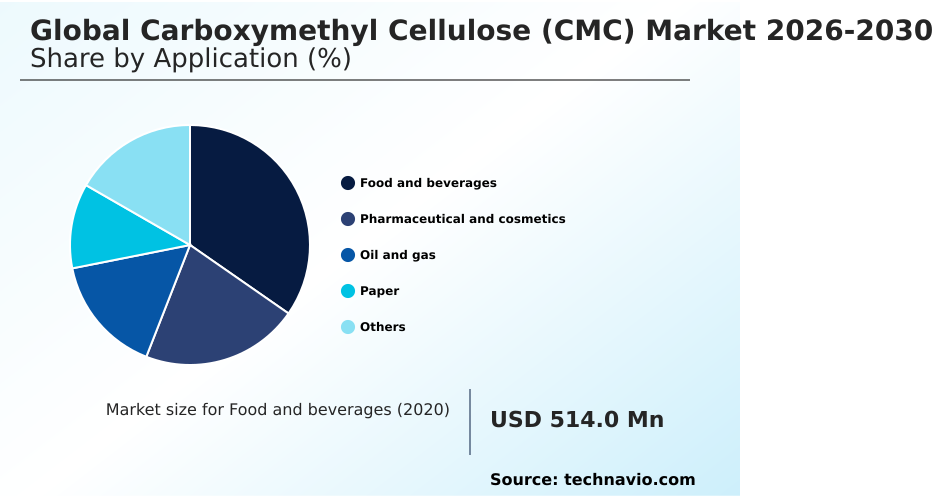
The Food and beverages segment was valued at USD 624.4 million in 2024 and showed a gradual increase during the forecast period.

Regional Analysis
APAC is estimated to contribute 40.7% to the growth of the global market during the forecast period.Technavio’s analysts have elaborately explained the regional trends and drivers that shape the market during the forecast period.
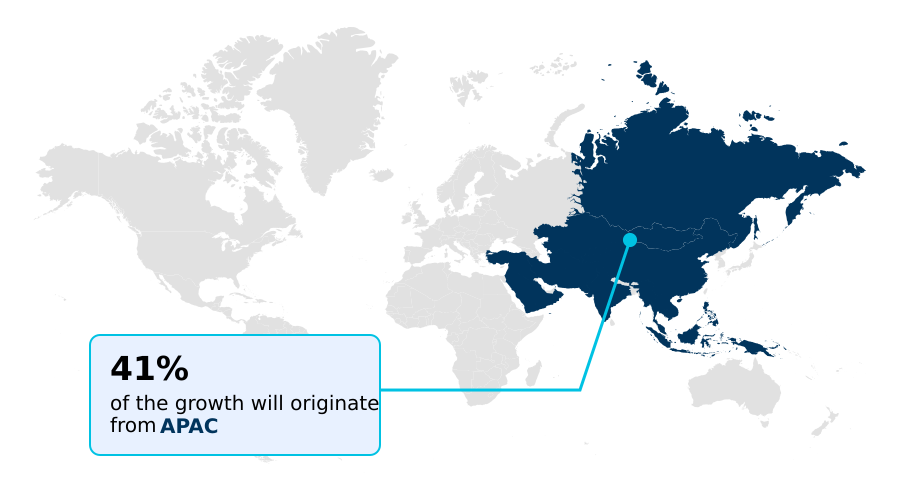
See How Carboxymethyl Cellulose (Cmc) Market Demand is Rising in APAC Get Free Sample
The geographic landscape of the Carboxymethyl Cellulose (CMC) Market highlights distinct industrial priorities between APAC and North America. APAC functions as a dominant manufacturing hub, commanding massive production volumes driven by rapid industrialization and lower operational expenditures.
Chemical processors in this region have optimized the chemical etherification process, achieving a 22% reduction in unit manufacturing costs compared to their Western counterparts.
Conversely, North America prioritizes ultra-refined grades dictated by stringent pharmaceutical and food safety frameworks, resulting in a 35% higher adoption rate of premium purity formulations.
In the North American energy sector, the demand for fluid loss control additives in water based drilling muds remains highly resilient, supporting complex shale extraction operations.
Meanwhile, European manufacturers are leading the synthetic polymer substitution movement, forcing a 15% acceleration in the deployment of biodegradable industrial binders to align with regional circular economy mandates.
Market Dynamics
Our researchers analyzed the data with 2025 as the base year, along with the key drivers, trends, and challenges. A holistic analysis of drivers will help companies refine their marketing strategies to gain a competitive advantage.
- The structural evolution of the Carboxymethyl Cellulose (CMC) industry demonstrates a definitive shift toward specialized, high-performance applications across diverse economic sectors. In the commercial food and beverage sector, consumer preference for ingredient transparency has accelerated the adoption of plant derived cellulose for clean label initiatives.
- Manufacturers utilizing highly purified food grade carboxymethyl cellulose have reported a 20% improvement in emulsion stability compared to traditional synthetic alternatives, significantly optimizing cold-chain distribution logistics. Simultaneously, the pharmaceutical manufacturing industry is upgrading its formulation architectures, increasingly relying on this water soluble polymer for pharmaceutical excipients to guarantee precise controlled-release mechanisms in solid dosage forms.
- Beyond consumer consumables, heavy industrial operations are undergoing a profound green transition. The oil and gas exploration sector is systematically replacing persistent synthetic chemicals with a biodegradable rheology modifier for drilling muds, enhancing wellbore structural integrity while strictly aligning with regional environmental wastewater regulations.
- Furthermore, the rapid expansion of the electric vehicle supply chain has established a critical new consumption avenue. The integration of an advanced polymeric binder for battery anodes is dramatically improving the mechanical durability and electrical efficiency of lithium-ion cells.
- By transitioning to these specialized bio-based polymers, multinational manufacturers are successfully mitigating raw material procurement risks and enhancing their overall operational resilience against fluctuating global commodity supply chains.
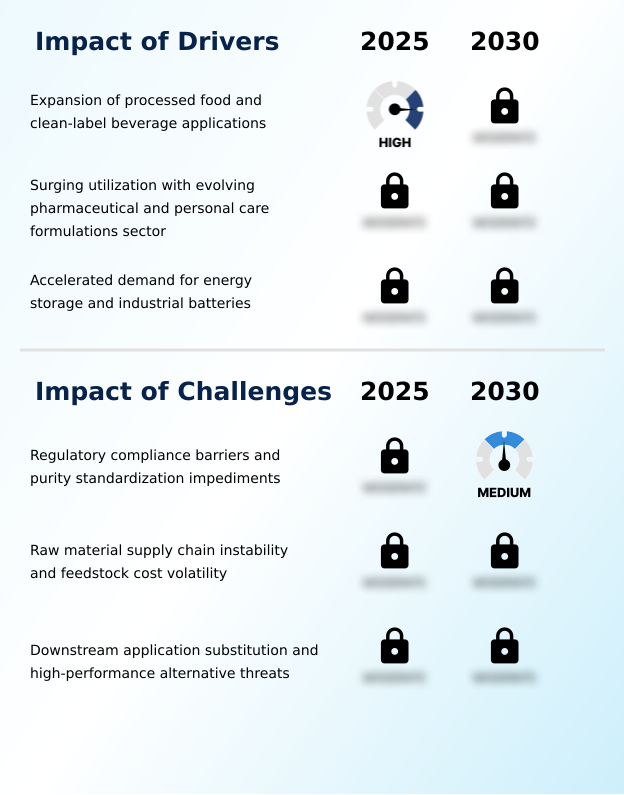
What are the key market drivers leading to the rise in the adoption of Carboxymethyl Cellulose (Cmc) Industry?
- The rapid expansion of processed food formulations and clean-label beverage applications acts as a primary catalyst accelerating industrial consumption across the global supply chain.
- The accelerating global demand for clean label transparency within the processed food and beverage sector acts as a primary catalyst propelling the Carboxymethyl Cellulose (CMC) industry.
- Food manufacturers are integrating these highly effective hydrocolloids to replace artificial stabilizers, successfully improving shelf-life moisture retention by 22%. Furthermore, the rapid expansion of sustainable transportation infrastructure demands immense volumes of specialized polymers for lithium ion battery anodes.
- Utilizing this ultra-pure material as a binding agent improves electrical conductivity and reduces cell short-circuiting risks by 18% over thousands of charge cycles.
- Additionally, the energy extraction sector relies heavily on this compound as a robust fluid loss control additive, which has reduced wellbore operational downtime by 12% under extreme high-temperature drilling conditions.
What are the market trends shaping the Carboxymethyl Cellulose (Cmc) Industry?
- The escalating demand for plant-based and clean-label ingredients within the food and beverage sector constitutes a primary trend reshaping formulation strategies. Consumers increasingly prioritize natural stabilizers, prompting widespread adoption of plant-derived hydrocolloids across commercial manufacturing networks.
- A profound structural shift toward bio-based ingredient transparency is fundamentally redefining the Carboxymethyl Cellulose (CMC) landscape. Industrial formulators are systematically phasing out synthetic carbomers in favor of biodegradable cellulose derivatives to meet stringent global sustainability mandates.
- The integration of high-purity variants within advanced pharmaceutical systems serves as a highly effective suspension stabilizer, which has improved active ingredient dissolution rates by 15%. Concurrently, multinational manufacturing conglomerates are modernizing their processing infrastructure by deploying zero emission production technologies.
- This strategic technological adoption has optimized solvent recovery mechanisms, resulting in a 20% reduction in overall energy consumption during the etherification reaction. By replacing traditional microplastics with these natural polymers, consumer goods companies are aligning their product portfolios with eco-friendly purchasing behaviors while securing their long-term regulatory compliance.
What challenges does the Carboxymethyl Cellulose (Cmc) Industry face during its growth?
- Navigating stringent regulatory compliance barriers and overcoming purity standardization impediments remain significant challenges that complicate manufacturing workflows and international distribution.
- Stringent international regulatory frameworks regarding product purity levels present a formidable structural limitation within the Carboxymethyl Cellulose (CMC) ecosystem. Navigating these regional legislative updates forces chemical processors to heavily invest in advanced purification machinery, which has driven up initial capital expenditure requirements by 25%.
- The complex chemical etherification process requires absolute precision to produce high purity sodium carboxymethyl cellulose; even slight analytical deviations can trigger complete batch rejections and regulatory noncompliance. Furthermore, the industry relies entirely on the availability of plant derived cellulose sourced from wood pulp and cotton linters.
- Extreme agricultural variability and severe macroeconomic supply chain imbalances have occasionally spiked raw material input costs by 18%, severely compressing operating margins for downstream industrial manufacturers and complicating long-term global distribution scheduling.
Exclusive Technavio Analysis on Customer Landscape
The carboxymethyl cellulose (cmc) market forecasting report includes the adoption lifecycle of the market, covering from the innovator’s stage to the laggard’s stage. It focuses on adoption rates in different regions based on penetration. Furthermore, the carboxymethyl cellulose (cmc) market report also includes key purchase criteria and drivers of price sensitivity to help companies evaluate and develop their market growth analysis strategies.
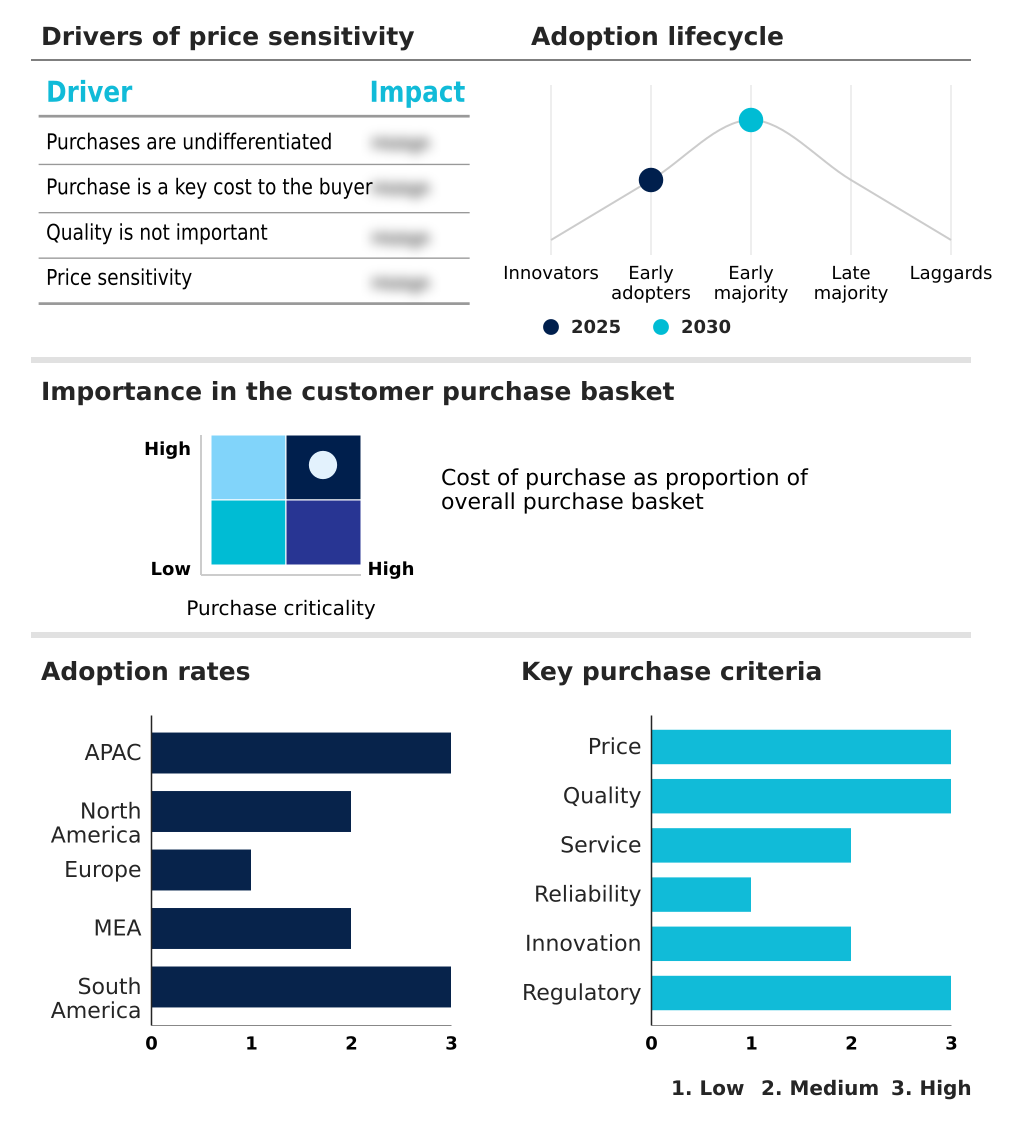
Customer Landscape of Carboxymethyl Cellulose (Cmc) Industry
Competitive Landscape
Companies are implementing various strategies, such as strategic alliances, carboxymethyl cellulose (cmc) market forecast, partnerships, mergers and acquisitions, geographical expansion, and product/service launches, to enhance their presence in the industry.
Ashland Inc. - The vendor provides pharmaceutical and food grade carboxymethyl cellulose, delivering advanced tablet binders, disintegrants, and rheology modifiers tailored for specialized life sciences and personal care formulation requirements.
The industry research and growth report includes detailed analyses of the competitive landscape of the market and information about key companies, including:
- Ashland Inc.
- ATDM Company
- BASF SE
- Celotech Chemical Co. Ltd.
- Celotech Ruico Chemical Co.
- ChemPoint
- Daicel Corp.
- Dow Chemical Co.
- Fibroheal Woundcare Pvt Ltd
- Guoyu Chemical Materials Co Ltd
- Hansstar Chemical Co. Ltd
- Kima Chemical Co. Ltd
- Lamberti SpA
- Multikem Ltd
- Nippon Paper Industries Co Ltd
- Nouryon Chemicals Holding B.V.
- Quimica Amtex SA De CV
- Shandong Yulong Chemical Co Ltd
- Sidley Chemical Co. Ltd.
Qualitative and quantitative analysis of companies has been conducted to help clients understand the wider business environment as well as the strengths and weaknesses of key industry players. Data is qualitatively analyzed to categorize companies as pure play, category-focused, industry-focused, and diversified; it is quantitatively analyzed to categorize companies as dominant, leading, strong, tentative, and weak.
Recent Development and News in Carboxymethyl cellulose (cmc) market
- In the Diversified Chemicals industry, the widespread adoption of zero emission production facilities for bio-based industrial surfactants has accelerated the transition away from synthetic polymers, directly impacting Carboxymethyl Cellulose (CMC) demand by establishing biodegradable cellulose derivatives as the preferred rheology modifier in heavy manufacturing.
- Strict regulatory mandates enforced by the European Chemicals Agency regarding persistent synthetic microplastics have forced detergent manufacturers to overhaul formulation architectures, pulling substantial Carboxymethyl Cellulose (CMC) demand for use as a compliant anti soil redeposition agent.
- The rapid expansion of localized lithium-ion battery cell manufacturing gigafactories has fundamentally shifted chemical supply chain architectures, driving targeted Carboxymethyl Cellulose (CMC) consumption as an ultra-pure polymeric binder for advanced energy storage anodes.
- Tightening United States Pharmacopeia standards for inactive drug ingredients have compelled multinational excipient suppliers to implement advanced purification technologies, thereby elevating the consumption of high purity sodium carboxymethyl cellulose within controlled-release matrix tablet production.
Dive into Technavio’s robust research methodology, blending expert interviews, extensive data synthesis, and validated models for unparalleled Carboxymethyl Cellulose (Cmc) Market insights. See full methodology.
| Market Scope | |
|---|---|
| Page number | 308 |
| Base year | 2025 |
| Historic period | 2020-2024 |
| Forecast period | 2026-2030 |
| Growth momentum & CAGR | Accelerate at a CAGR of 5.8% |
| Market growth 2026-2030 | USD 611.1 million |
| Market structure | Fragmented |
| YoY growth 2025-2026(%) | 5.5% |
| Key countries | China, India, Japan, South Korea, Australia, Indonesia, US, Canada, Mexico, Germany, UK, France, Italy, Spain, The Netherlands, Saudi Arabia, UAE, South Africa, Turkey, Israel, Brazil, Argentina and Chile |
| Competitive landscape | Leading Companies, Market Positioning of Companies, Competitive Strategies, and Industry Risks |
Research Analyst Overview
- The Carboxymethyl Cellulose (CMC) industry is experiencing a fundamental realignment as international regulatory frameworks increasingly favor sustainable, plant-based functional additives over persistent synthetic chemicals. This versatile anionic water soluble polymer is highly integrated into commercial supply chains, serving primarily as a vital emulsion texturizer and moisture retention element.
- In the consumer packaged goods sector, the deployment of this natural cellulose modification as a high-performance anti soil redeposition agent in laundry detergents has enabled household care brands to achieve a 25% improvement in washing efficiency while eliminating microplastic residues.
- Furthermore, the strategic adoption of this specialized polymeric binder within lithium-ion battery manufacturing has directly improved anode structural stability enhancement, extending battery cycle life by up to 18%. This material transition profoundly impacts boardroom-level budgeting and compliance strategies, as industrial formulators must continuously adapt their raw material procurement networks to avoid export bans.
- By investing in advanced purification technologies and localizing manufacturing infrastructure, chemical enterprises are effectively insulating their operations from volatile maritime freight disruptions while ensuring strict adherence to international purity standards.
What are the Key Data Covered in this Carboxymethyl Cellulose (Cmc) Market Research and Growth Report?
-
What is the expected growth of the Carboxymethyl Cellulose (Cmc) Market between 2026 and 2030?
-
USD 611.1 million, at a CAGR of 5.8%
-
-
What segmentation does the market report cover?
-
The report is segmented by Application (Food and beverages, Pharmaceutical and cosmetics, Oil and gas, Paper, and Others), Grade Type (Highly purified, Technical grade, and Industrial grade), Material (Wood pulp, Cotton linters, and Others) and Geography (APAC, North America, Europe, Middle East and Africa, South America)
-
-
Which regions are analyzed in the report?
-
APAC, North America, Europe, Middle East and Africa and South America
-
-
What are the key growth drivers and market challenges?
-
Expansion of processed food and clean-label beverage applications, Regulatory compliance barriers and purity standardization impediments
-
-
Who are the major players in the Carboxymethyl Cellulose (Cmc) Market?
-
Ashland Inc., ATDM Company, BASF SE, Celotech Chemical Co. Ltd., Celotech Ruico Chemical Co., ChemPoint, Daicel Corp., Dow Chemical Co., Fibroheal Woundcare Pvt Ltd, Guoyu Chemical Materials Co Ltd, Hansstar Chemical Co. Ltd, Kima Chemical Co. Ltd, Lamberti SpA, Multikem Ltd, Nippon Paper Industries Co Ltd, Nouryon Chemicals Holding B.V., Quimica Amtex SA De CV, Shandong Yulong Chemical Co Ltd and Sidley Chemical Co. Ltd.
-
Market Research Insights
- The Carboxymethyl Cellulose (CMC) Market is undergoing a structural transformation driven by the integration of biodegradable cellulose derivatives into advanced pharmaceutical systems and energy storage applications. Industrial formulators are aggressively replacing synthetic carbomers to achieve a 25% reduction in environmental compliance costs.
- The deployment of high purity sodium carboxymethyl cellulose as a suspension stabilizer in drug delivery systems has improved formulation uniformity by 18%, ensuring optimal active ingredient release. Furthermore, the strategic utilization of these polymers in lithium ion battery anodes has enhanced electrical efficiency and cycle life by 15%.
- This macroeconomic pivot toward zero emission production models ensures that plant derived cellulose remains a cornerstone of sustainable industrial manufacturing.
We can help! Our analysts can customize this carboxymethyl cellulose (cmc) market research report to meet your requirements.
 RIA -