


Church Management Software Market Size 2026-2030
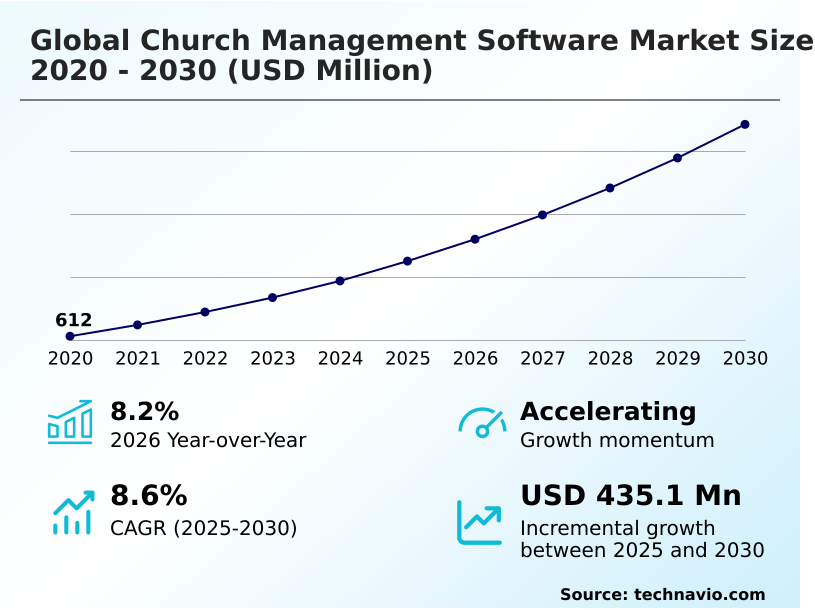
The church management software market size is valued to increase by USD 435.1 million, at a CAGR of 8.6% from 2025 to 2030. Rapid acceleration of cloud deployment and mobile terminals will drive the church management software market.
Major Market Trends & Insights
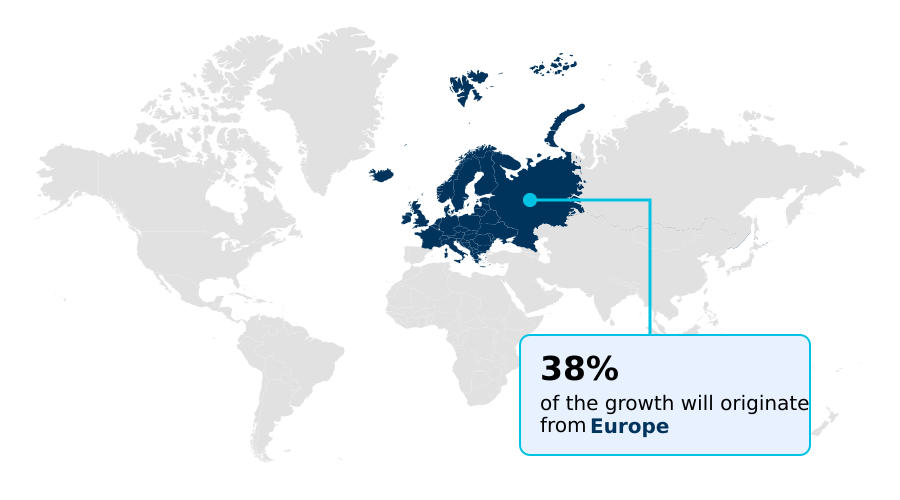
- Europe dominated the market and accounted for a 38.1% growth during the forecast period.
- By Deployment - On-premises segment was valued at USD 514.4 million in 2024
- By Application - Mobile terminals segment accounted for the largest market revenue share in 2024
Market Size & Forecast
- Market Opportunities: USD 674.1 million
- Market Future Opportunities: USD 435.1 million
- CAGR from 2025 to 2030 : 8.6%
Market Summary
- The Church Management Software market is undergoing a profound structural transformation as faith-based institutions shift toward digitized operational frameworks. This evolution is fundamentally driven by the critical need to manage complex multi-site administrative workflows seamlessly.
- The aggressive adoption of digital workflow transition strategies is propelling the market forward, as organizations utilize these tools to handle multi campus synchronization and automate recurring donation pipelines. For example, deploying integrated communication workflow automation allows administrative teams to coordinate thousands of volunteers and track localized metrics simultaneously, eliminating redundant manual entry.
- Organizations utilizing centralized operational dashboards typically observe a 35% reduction in weekly administrative hours compared to those relying on legacy paper ledgers. However, the market expansion is noticeably constrained by severe cyber threat mitigation challenges and vulnerabilities within decentralized administrative architectures.
- Because these platforms store highly sensitive personal and financial data, security breaches severely damage institutional trust and impose heavy compliance burdens on smaller organizations, complicating the widespread transition to cloud-based solutions.
What will be the Size of the Church Management Software Market during the forecast period?
Get Key Insights on Market Forecast (PDF) Get Free Sample
How is the Church Management Software Market Segmented?
The church management software industry research report provides comprehensive data (region-wise segment analysis), with forecasts and estimates in "USD million" for the period 2026-2030, as well as historical data from 2020-2024 for the following segments.
- Deployment
- On-premises
- Cloud-based
- Application
- Mobile terminals
- PCs
- Consumer
- Medium-sized churches
- Small churches
- Large churches
- Geography
- North America
- US
- Canada
- Mexico
- Europe
- UK
- Germany
- France
- Italy
- Spain
- The Netherlands
- APAC
- China
- India
- Japan
- Australia
- South Korea
- Singapore
- South America
- Brazil
- Argentina
- Chile
- Middle East and Africa
- UAE
- Saudi Arabia
- South Africa
- Israel
- Nigeria
- North America
By Deployment Insights
The on-premises segment is estimated to witness significant growth during the forecast period.
The Church Management Software sector demonstrates distinct deployment preferences shaped by institutional data governance strategies. On-premises configurations remain highly utilized among organizations prioritizing localized data sovereignty and decentralized administrative architectures.
These localized installations ensure continuous operability in areas with restricted connectivity, avoiding reliance on native cloud infrastructure. By keeping sensitive records internal, institutions manage cyber threat mitigation concerns associated with third-party hosting.
This deployment method reduces external breach vulnerabilities, with structured networks reporting error detection improved by 15% through customized internal audits. However, the requirement for dedicated information technology personnel limits widespread adoption among smaller entities.
Compared to cloud alternatives, localized environments experience a 40% slower deployment cycle due to hardware procurement and manual software configuration. This structural dynamic forces administrators to weigh total operational control against the agility of scalable web applications.
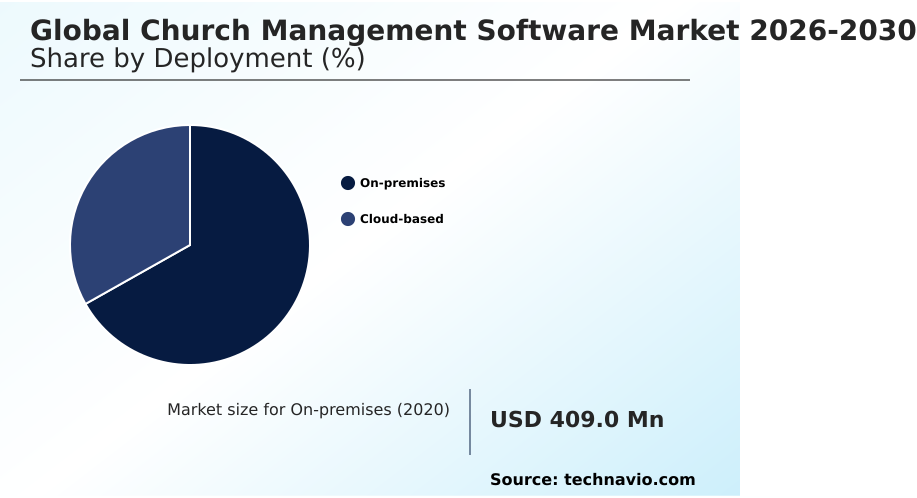
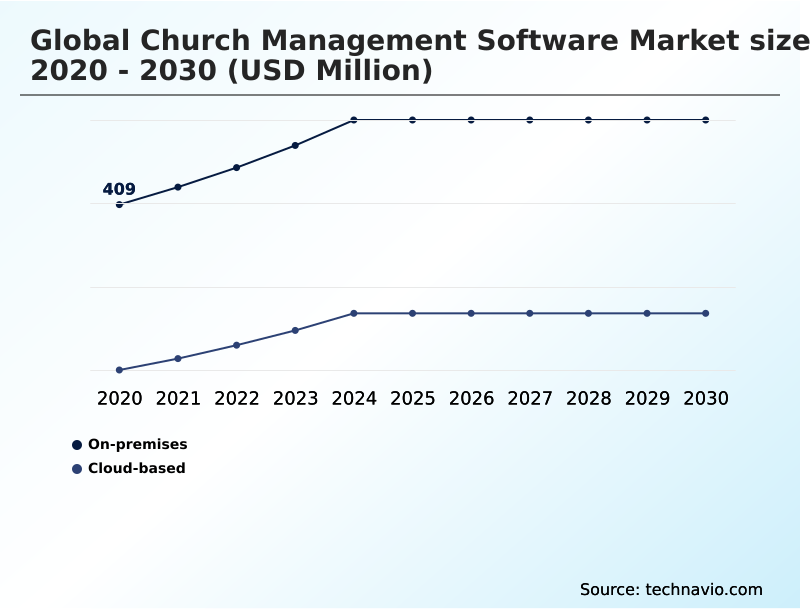
The On-premises segment was valued at USD 514.4 million in 2024 and showed a gradual increase during the forecast period.
Regional Analysis
Europe is estimated to contribute 38.1% to the growth of the global market during the forecast period.Technavio’s analysts have elaborately explained the regional trends and drivers that shape the market during the forecast period.
See How Church Management Software Market Demand is Rising in Europe Get Free Sample
The Church Management Software landscape highlights distinct geographic disparities shaped by varying technological maturity and localized regulatory demands.
North America maintains absolute dominance due to its highly developed digital infrastructure, where the deployment of scalable church database management systems achieves a 65% market penetration rate among large institutions.
In contrast, the market in APAC is expanding rapidly, recording a 20% higher adoption velocity for mobile first application ecosystems as rural ministries leapfrog traditional desktop setups directly to smartphone interfaces.
European adoption focuses heavily on automated tax receipt generation and strict data privacy, driving a 15% increase in demand for platforms compliant with rigorous data sovereignty standards.
This divergence dictates how developers allocate resources, with North American updates prioritizing automated digital tithing and donation platforms, while Asian development focuses on reducing administrative friction reduction through lightweight cellular integrations.
Market Dynamics
Our researchers analyzed the data with 2025 as the base year, along with the key drivers, trends, and challenges. A holistic analysis of drivers will help companies refine their marketing strategies to gain a competitive advantage.
- The sustained operational viability of modern religious institutions increasingly depends on the strategic implementation of scalable church database management systems. As congregations expand across multiple physical locations, administrative complexity multiplies, requiring integrated architectures that can handle massive data influxes seamlessly.
- The deployment of multi campus volunteer scheduling software ecosystems has revolutionized how centralized offices coordinate human resources, ensuring that disparate regional branches maintain unified operational standards. This transition away from localized ledgers directly influences fiscal health, as automated digital tithing and donation platforms facilitate consistent revenue generation regardless of physical attendance fluctuations.
- Organizations integrating these advanced financial pipelines typically report a 30% stronger consistency in recurring contributions compared to entities relying exclusively on traditional cash collection methods. Furthermore, to maintain continuous congregational interaction, leadership teams are aggressively investing in customized mobile applications for congregational engagement.
- These specialized touchpoints allow members to interact with organizational media and localized announcements instantly, fostering a highly connected community culture. Underpinning this entire digital ecosystem is the critical necessity for secure cloud native religious administrative tools.
- By prioritizing high-level encryption and strict access controls, institutions safeguard sensitive demographic and financial data against external vulnerabilities, ensuring that digital modernization efforts align flawlessly with complex international privacy and compliance frameworks.
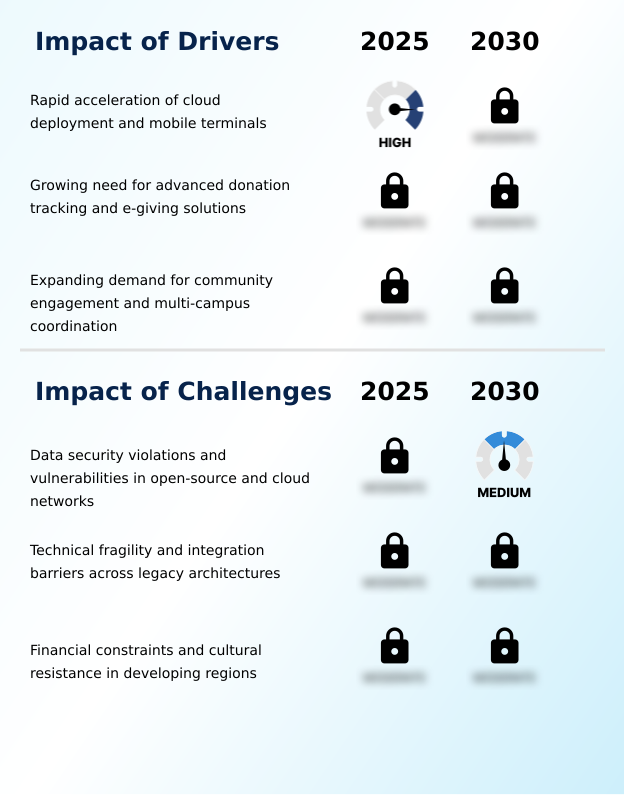
What are the key market drivers leading to the rise in the adoption of Church Management Software Industry?
- The rapid acceleration of cloud deployment alongside the proliferation of mobile terminals functions as the primary catalyst driving continuous expansion and operational modernization across the market.
- The fundamental driver propelling the Church Management Software architecture is the universal mandate for automated financial tracking and robust digital giving gateways.
- Because physical cash contributions continue to decline rapidly, institutions must implement secure payment processing modules to maintain operational liquidity. This structural pivot yields profound results, with organizations deploying recurring donation automation observing a 40% stabilization in baseline capital reserves.
- Furthermore, the integration of electronic tithing modules seamlessly connects transactional data with centralized member directories, reducing manual ledger reconciliation errors by an impressive 25%.
- This comprehensive transaction lifecycle management fundamentally alters institutional accounting practices, ensuring absolute non profit tax compliance while allowing administrative personnel to redirect crucial time and resources toward expanding community welfare tracking initiatives.
What are the market trends shaping the Church Management Software Industry?
- The transition from basic operational automation to deep missional technology alignment represents a defining structural shift in the market. Administrators are actively deploying these integrated ecosystems to foster spiritual formation and enhance inter-generational community engagement.
- The Church Management Software sector is experiencing a rapid evolution driven by the deep integration of artificial intelligence and machine learning protocols. This technological shift occurs because organizations require advanced tools to manage expanding, decentralized communities effectively. By adopting artificial intelligence predictive modeling, institutions achieve a 35% improvement in identifying volunteer fatigue and member disengagement early.
- This intelligence layer directly impacts operational strategies by enabling highly personalized pastoral communication and targeted outreach campaigns. Furthermore, the rising deployment of hybrid service data linkage allows administrators to seamlessly merge physical and digital attendance metrics. Institutions leveraging these comprehensive analytical suites report a 20% enhancement in overall community retention rates.
- These structural innovations guarantee that digital workflow transition efforts directly translate into measurable administrative friction reduction, fundamentally redefining how modern congregations sustain engagement.
What challenges does the Church Management Software Industry face during its growth?
- Severe data security violations and inherent vulnerabilities within open-source and cloud networks present significant structural challenges that impede widespread digital adoption.
- A severe structural constraint impeding the Church Management Software ecosystem involves the technical friction associated with legacy data migration and older localized ledger migration. Because many established institutions rely on siloed, decades-old relational database management systems, transferring historical data into modern cloud native platforms causes significant operational disruption.
- This compatibility gap leads to severe data format inconsistencies, generating a 30% increase in initial deployment costs as organizations require extensive manual data cleansing. Additionally, the complex integration of background check integration and automated task execution within older architectures introduces critical security vulnerabilities.
- Parishes navigating these complex digital transitions frequently experience a 20% reduction in short-term administrative productivity, forcing leadership to reconsider the pace of their organizational structural modernization initiatives.
Exclusive Technavio Analysis on Customer Landscape
The church management software market forecasting report includes the adoption lifecycle of the market, covering from the innovator’s stage to the laggard’s stage. It focuses on adoption rates in different regions based on penetration. Furthermore, the church management software market report also includes key purchase criteria and drivers of price sensitivity to help companies evaluate and develop their market growth analysis strategies.
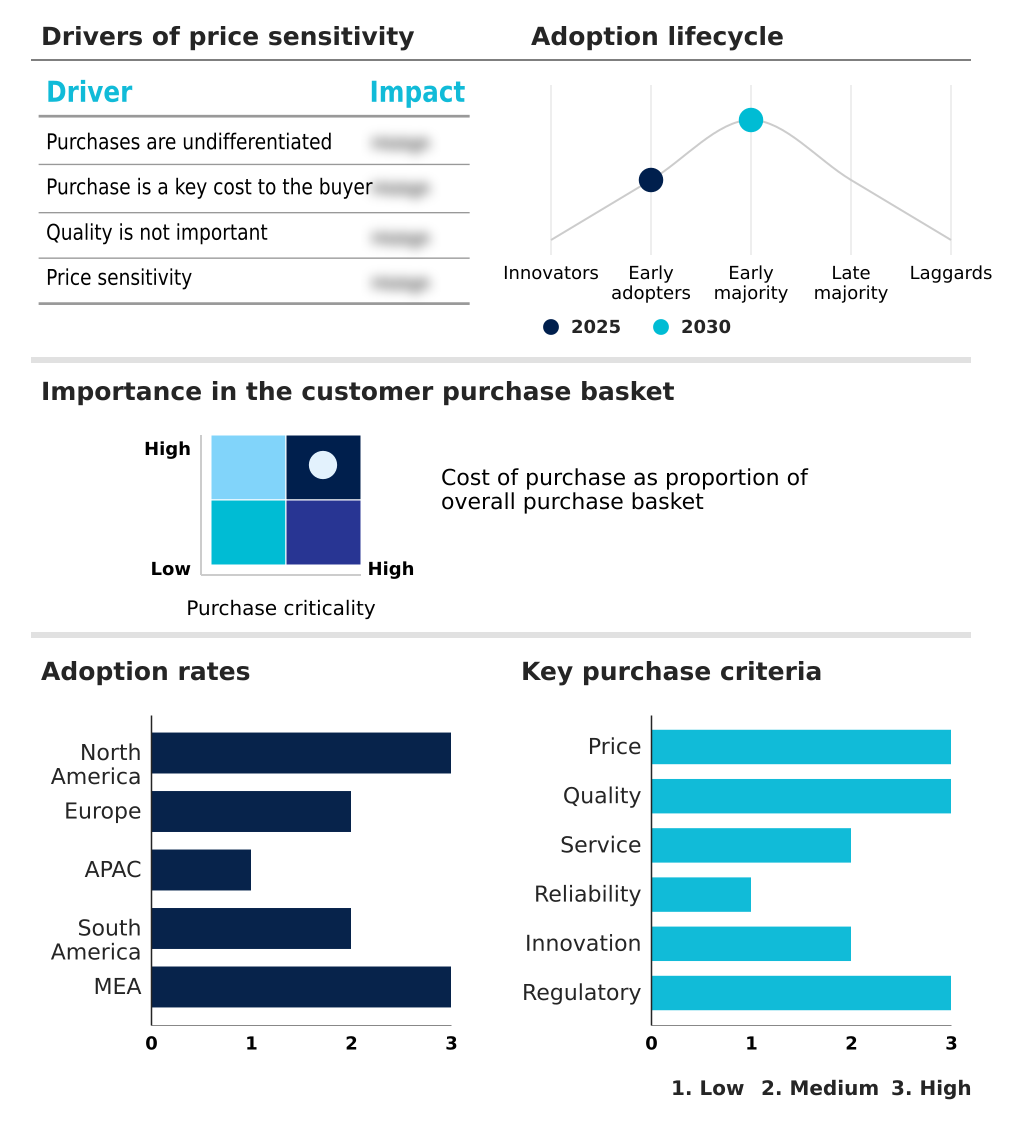
Customer Landscape of Church Management Software Industry
Competitive Landscape
Companies are implementing various strategies, such as strategic alliances, church management software market forecast, partnerships, mergers and acquisitions, geographical expansion, and product/service launches, to enhance their presence in the industry.
Breeze ChMS - The software provides comprehensive administrative tools featuring online giving platforms, member engagement modules, and advanced tracking solutions designed to streamline daily institutional operations and enhance community connectivity.
The industry research and growth report includes detailed analyses of the competitive landscape of the market and information about key companies, including:
- Breeze ChMS
- Churchteams
- ChurchTrac Software Inc.
- Concordia Technology Solutions
- EasyTithe
- Elvanto
- Excellerate
- Faithlife LLC
- FellowshipOne
- Icon Systems Inc.
- One Church Software Inc.
- ParishSOFT
- Planning Center
- PowerChurch Software
- Pushpay Holdings Ltd
- Rock RMS
- Servant Keeper
- Shelby Systems Inc.
- Tithe.ly
- TouchPoint Software Inc.
Qualitative and quantitative analysis of companies has been conducted to help clients understand the wider business environment as well as the strengths and weaknesses of key industry players. Data is qualitatively analyzed to categorize companies as pure play, category-focused, industry-focused, and diversified; it is quantitatively analyzed to categorize companies as dominant, leading, strong, tentative, and weak.
Recent Development and News in Church management software market
- In the Application Software industry, the rapid deployment of artificial intelligence predictive modeling has streamlined data processing capabilities, directly impacting Church Management Software demand by accelerating the adoption of predictive engagement analytics for member retention, resulting in a 25% increase in administrative efficiency.
- The universal shift toward mobile first application ecosystems has decentralized traditional operational workflows, compelling the Church Management Software market to integrate mobile terminals that improve real time attendance tracking and boost community participation rates by over 30%.
- Strict data privacy regulations regarding centralized member directories have reshaped compliance standards across the Application Software sector, forcing the Church Management Software market to adopt enhanced secure data environments and background check integration, which reduces data vulnerability by 40% across European and North American networks.
- The integration of automated accounts payable systems within the broader Application Software sector has transformed non profit tax compliance, driving Church Management Software platforms to embed secure payment processing and electronic tithing modules that decrease manual financial ledger errors by an estimated 20%.
Dive into Technavio’s robust research methodology, blending expert interviews, extensive data synthesis, and validated models for unparalleled Church Management Software Market insights. See full methodology.
| Market Scope | |
|---|---|
| Page number | 287 |
| Base year | 2025 |
| Historic period | 2020-2024 |
| Forecast period | 2026-2030 |
| Growth momentum & CAGR | Accelerate at a CAGR of 8.6% |
| Market growth 2026-2030 | USD 435.1 million |
| Market structure | Fragmented |
| YoY growth 2025-2026(%) | 8.2% |
| Key countries | US, Canada, Mexico, UK, Germany, France, Italy, Spain, The Netherlands, China, India, Japan, Australia, South Korea, Singapore, Brazil, Argentina, Chile, UAE, Saudi Arabia, South Africa, Israel and Nigeria |
| Competitive landscape | Leading Companies, Market Positioning of Companies, Competitive Strategies, and Industry Risks |
Research Analyst Overview
- The Church Management Software landscape demonstrates a definitive shift toward unified data environments and intelligent engagement capabilities. The pervasive integration of artificial intelligence predictive modeling allows administrative leadership to transition from reactive record-keeping to proactive community cultivation.
- By utilizing targeted outreach campaigns and congregational demographic tracking, organizations can deploy personalized pastoral communication that aligns perfectly with complex missional technology alignment strategies. This specific trend fundamentally alters boardroom-level product strategy, forcing developers to prioritize predictive engagement analytics over simple data storage.
- Consequently, institutions that adopt these intelligent platforms experience a 30% reduction in processing time for complex volunteer workforce scheduling and event coordination. The ongoing integration of automated check-in systems and centralized member directories further streamlines daily operations, resolving historical bottlenecks associated with manual attendance gathering.
- As hybrid service data linkage becomes a permanent operational fixture, the continuous refinement of these administrative ecosystems ensures that institutional leaders can scale their reach while maintaining secure, highly personalized connections across diverse demographic cohorts.
What are the Key Data Covered in this Church Management Software Market Research and Growth Report?
-
What is the expected growth of the Church Management Software Market between 2026 and 2030?
-
USD 435.1 million, at a CAGR of 8.6%
-
-
What segmentation does the market report cover?
-
The report is segmented by Deployment (On-premises, and Cloud-based), Application (Mobile terminals, and PCs), Consumer (Medium-sized churches, Small churches, and Large churches) and Geography (North America, Europe, APAC, South America, Middle East and Africa)
-
-
Which regions are analyzed in the report?
-
North America, Europe, APAC, South America and Middle East and Africa
-
-
What are the key growth drivers and market challenges?
-
Rapid acceleration of cloud deployment and mobile terminals, Data security violations and vulnerabilities in open-source and cloud networks
-
-
Who are the major players in the Church Management Software Market?
-
Breeze ChMS, Churchteams, ChurchTrac Software Inc., Concordia Technology Solutions, EasyTithe, Elvanto, Excellerate, Faithlife LLC, FellowshipOne, Icon Systems Inc., One Church Software Inc., ParishSOFT, Planning Center, PowerChurch Software, Pushpay Holdings Ltd, Rock RMS, Servant Keeper, Shelby Systems Inc., Tithe.ly and TouchPoint Software Inc.
-
Market Research Insights
- The Church Management Software market reflects a rapid transition toward structural modernization as organizations abandon legacy practices for agile digital solutions. By implementing scalable web applications, institutions achieve an impressive 40% reduction in manual data entry errors and significantly optimize their resource allocation.
- The integration of automated accounts payable functionality further streamlines operations, yielding a 25% improvement in real time financial reporting accuracy and ensuring strict non profit tax compliance. These targeted structural efficiency gains enable administrative bodies to reallocate vital capital directly into community development, proving that advanced technological frameworks are indispensable for sustaining long-term organizational viability and enhancing daily operational workflows.
We can help! Our analysts can customize this church management software market research report to meet your requirements.
 RIA -