


Cleanroom Storage Cabinet Market Size 2026-2030
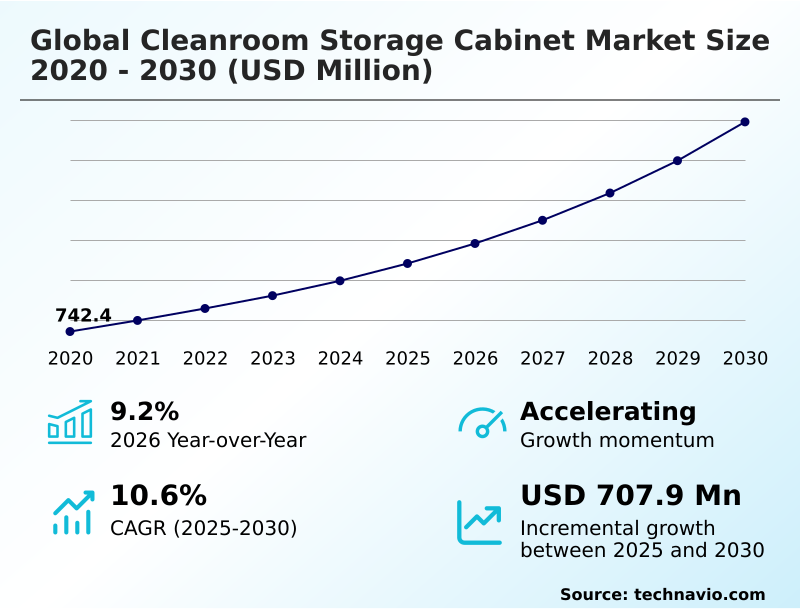
The cleanroom storage cabinet market size is valued to increase by USD 707.9 million, at a CAGR of 10.6% from 2025 to 2030. Robust expansion of pharmaceutical and biotechnology industries will drive the cleanroom storage cabinet market.
Major Market Trends & Insights
- APAC dominated the market and accounted for a 42.5% growth during the forecast period.
- By End-user - Medical segment was valued at USD 503.1 million in 2024
- By Type - Stainless steel segment accounted for the largest market revenue share in 2024
Market Size & Forecast
- Market Opportunities: USD 1.05 billion
- Market Future Opportunities: USD 707.9 million
- CAGR from 2025 to 2030 : 10.6%
Market Summary
- The cleanroom storage cabinet market is expanding as industries demand stricter contamination control for high-value manufacturing and research. Growth is driven by the pharmaceutical and semiconductor sectors, where particulate contamination control is essential for product integrity and yield. A key trend is the integration of smart technologies, transforming cabinets into networked assets with environmental monitoring systems for temperature and humidity.
- For instance, a biologics facility can use cabinets with differential pressure monitoring and laminar airflow to ensure an aseptic environment, automatically logging access and conditions to streamline validation documentation and meet cGMP compliance. This enhances operational efficiency and reduces the risk of contamination.
- However, the market faces challenges from volatile raw material prices and the need to adapt designs for automated robotics. The diversification into new applications, like advanced battery manufacturing and aerospace, further propels the need for specialized solutions, including nitrogen-purged desiccator cabinets. Success hinges on providing customized, compliant, and intelligent storage solutions that address these complex industrial requirements for biocontamination control.
What will be the Size of the Cleanroom Storage Cabinet Market during the forecast period?
Get Key Insights on Market Forecast (PDF) Get Free Sample
How is the Cleanroom Storage Cabinet Market Segmented?
The cleanroom storage cabinet industry research report provides comprehensive data (region-wise segment analysis), with forecasts and estimates in "USD million" for the period 2026-2030, as well as historical data from 2020-2024 for the following segments.
- End-user
- Medical
- Semiconductor
- Others
- Type
- Stainless steel
- Plastic
- Product
- Tall cabinets
- Wall-mounted cabinets
- Pass-through cabinets
- Under-counter cabinets
- Mobile cabinets
- Geography
- APAC
- China
- Japan
- South Korea
- North America
- US
- Canada
- Mexico
- Europe
- Germany
- UK
- France
- South America
- Brazil
- Argentina
- Colombia
- Middle East and Africa
- Saudi Arabia
- UAE
- South Africa
- Rest of World (ROW)
- APAC
By End-user Insights
The medical segment is estimated to witness significant growth during the forecast period.
The medical segment's demand is driven by the absolute necessity for an aseptic environment in applications ranging from pharmaceutical research and development to medical device manufacturing.
Adherence to Good Manufacturing Practices (GMP) and other strict regulations necessitates advanced sterile storage solutions for sterile instrument storage and clinical trial material storage.
Effective biocontamination control is paramount, with facilities investing heavily in equipment that supports aseptic compounding and provides particulate-free storage. Achieving cGMP compliance through comprehensive cleanroom validation services has been shown to reduce contamination-related batch failures by over 15%.
This focus on validated sterile manufacturing supplies underscores the critical role of specialized storage in maintaining product integrity and patient safety.
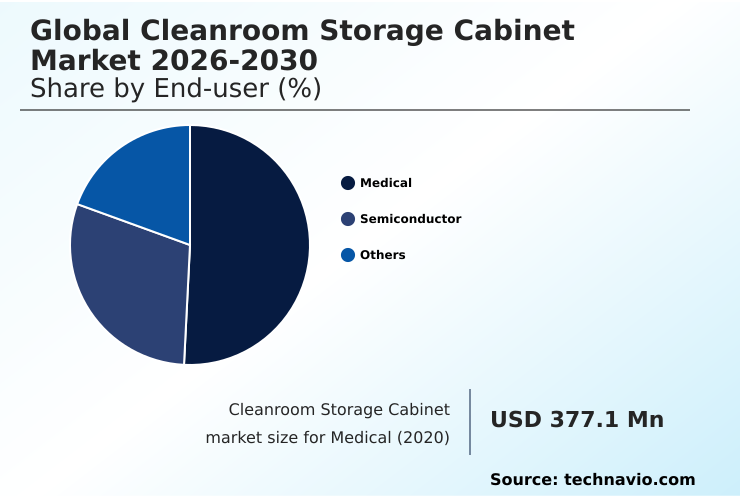
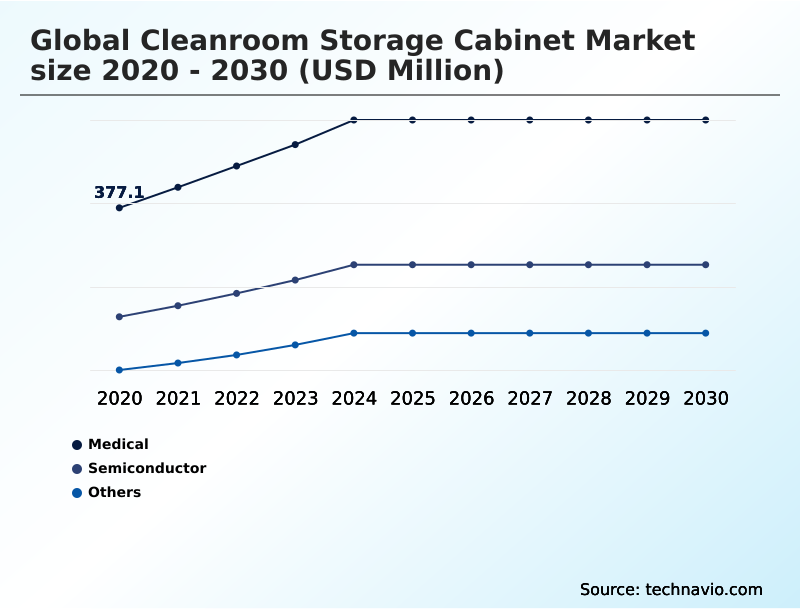
The Medical segment was valued at USD 503.1 million in 2024 and showed a gradual increase during the forecast period.
Regional Analysis
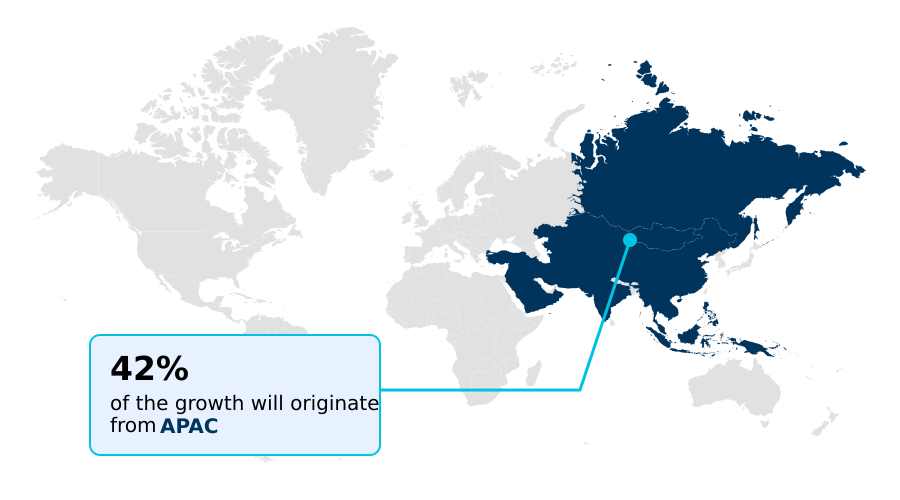
APAC is estimated to contribute 42.5% to the growth of the global market during the forecast period.Technavio’s analysts have elaborately explained the regional trends and drivers that shape the market during the forecast period.
See How Cleanroom Storage Cabinet Market Demand is Rising in APAC Get Free Sample
The geographic landscape is dominated by APAC, which accounts for over 42% of the market’s incremental growth, driven by its leadership in semiconductor and electronics manufacturing.
The construction of new semiconductor fabrication plant facilities requires advanced equipment with features like outgassing prevention. North America and Europe are also significant, with strong pharmaceutical and biotechnology sectors focusing on gene therapy manufacturing and viral vector production.
In Europe, demand is increasing from automotive electronics manufacturing and solid-state battery production. For example, facilities are adopting turnkey sterile storage solution systems, which can accelerate project completion by up to 20% compared to sourcing individual components.
This is crucial for applications from sterile compounding area setups to large-scale biologics manufacturing. Specialized requirements also come from the aerospace sector for optical systems assembly and satellite component protection.
Market Dynamics
Our researchers analyzed the data with 2025 as the base year, along with the key drivers, trends, and challenges. A holistic analysis of drivers will help companies refine their marketing strategies to gain a competitive advantage.
- Strategic decisions in acquiring cleanroom storage solutions require a detailed analysis of operational needs and total cost of ownership. The choice between polypropylene vs stainless steel cabinets often depends on the specific chemicals used, while a cleanroom cabinet with UV-C sterilization offers enhanced aseptic assurance.
- For facilities focused on microelectronics, an ESD safe cleanroom storage cabinet is non-negotiable, and the specifications for a cleanroom cabinet for semiconductor fabs are among the most stringent. In pharmaceuticals, a HEPA filtered garment storage cabinet is standard for gowning areas, and a pass-through cabinet for sterile processing is essential for material transfer.
- The cost of building a cleanroom is a major factor, pushing many to adopt mobile cleanroom storage cabinet solutions and modular cleanroom furniture for flexibility to adapt to changing workflows. For instance, facilities using modular designs report project deployment times that are up to 30% faster than traditional construction.
- The cleanroom cabinet validation process is critical for ensuring compliance with ISO 7 cleanroom storage requirements. Customization is also key, as seen in demand for custom cleanroom cabinet design specifications for temperature controlled cleanroom storage and specialized gowning room storage for sterile garments.
- Desiccator cabinets for moisture control are vital in battery manufacturing, and the nitrogen purge desiccator cabinet cost must be weighed against the high cost of product failure. Finally, understanding aseptic processing storage best practices is essential for designing effective cleanroom furniture for pharmaceutical labs and ensuring efficient cleanroom storage for sterile compounding with anti-static cabinets for electronics.
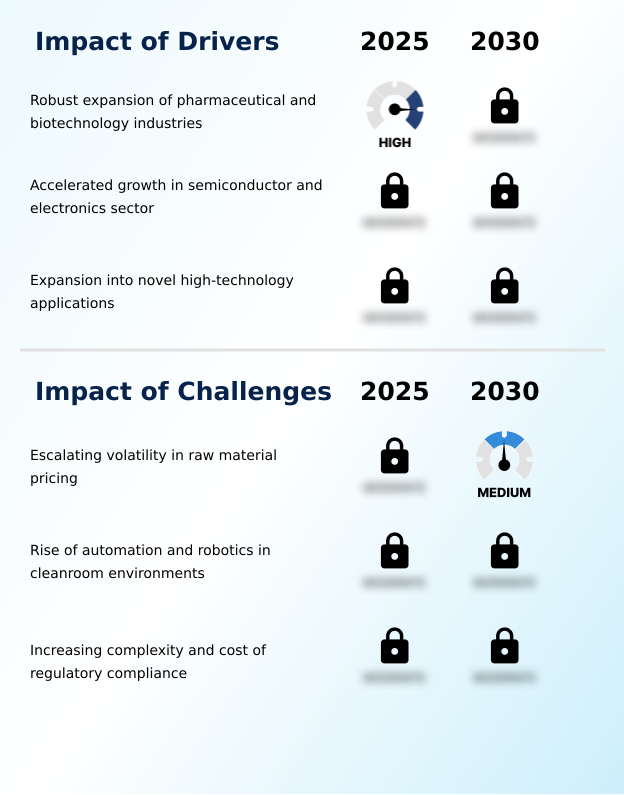
What are the key market drivers leading to the rise in the adoption of Cleanroom Storage Cabinet Industry?
- The robust and sustained expansion of the pharmaceutical and biotechnology industries serves as a primary driver propelling growth in the global cleanroom storage cabinet market.
- Market growth is driven by the robust expansion of pharmaceutical and biotechnology industries, where maintaining an aseptic environment is critical.
- The need for sterile storage solutions that support cGMP compliance and prevent biocontamination control is paramount for applications like medical device manufacturing.
- Simultaneously, the accelerated growth in semiconductor and electronics sector fuels demand for specialized equipment that ensures particulate contamination control for semiconductor wafer storage. These systems have been shown to improve manufacturing yields by over 5% by minimizing defects.
- A third driver is the expansion into novel high-technology applications, such as advanced battery manufacturing, which requires nitrogen-purged desiccator cabinets to prevent moisture contamination and ensure product performance.
What are the market trends shaping the Cleanroom Storage Cabinet Industry?
- The integration of Industry 4.0 and smart technologies is a key market trend. This is transforming passive storage units into intelligent, networked assets within a connected cleanroom ecosystem.
- A key trend is the integration of smart technologies into modular cleanroom furniture, transforming controlled environment storage into intelligent assets. Modern cabinets feature integrated environmental monitoring systems that provide real-time data on temperature, humidity, and differential pressure monitoring, ensuring compliance with ISO 14644 standards. This cleanroom workflow optimization can reduce monitoring labor by up to 30%.
- Advanced units incorporate HEPA filtration and UV-C sterilization to maintain particulate-free storage conditions, vital for aseptic processing. Digitalization also enhances cleanroom material handling and simplifies validation documentation with automated logging, which cuts audit preparation time by 25%. This shift toward intelligent, adaptable systems supports more efficient and compliant operations.
What challenges does the Cleanroom Storage Cabinet Industry face during its growth?
- Escalating volatility in the pricing of essential raw materials, such as stainless steel and specialized polymers, poses a significant challenge to manufacturers and affects market stability.
- The market faces challenges from the escalating volatility in raw material pricing, particularly for materials like electropolished stainless steel and corrosion-resistant polymers, which can increase production costs by 10-15% unpredictably. Another challenge is the rise of automation and robotics in cleanroom environments, which alters demand from standard laboratory casework solutions to specialized, robot-compatible units for aseptic fill-finish operations.
- Finally, the increasing complexity and cost of regulatory compliance requires significant investment in testing and cleanroom validation services. This burden is particularly high for manufacturers of pharmaceutical cleanroom equipment and biotechnology lab furniture, impacting both large companies and contract development and manufacturing organization (CDMO) partners trying to maintain profitability.
Exclusive Technavio Analysis on Customer Landscape
The cleanroom storage cabinet market forecasting report includes the adoption lifecycle of the market, covering from the innovator’s stage to the laggard’s stage. It focuses on adoption rates in different regions based on penetration. Furthermore, the cleanroom storage cabinet market report also includes key purchase criteria and drivers of price sensitivity to help companies evaluate and develop their market growth analysis strategies.
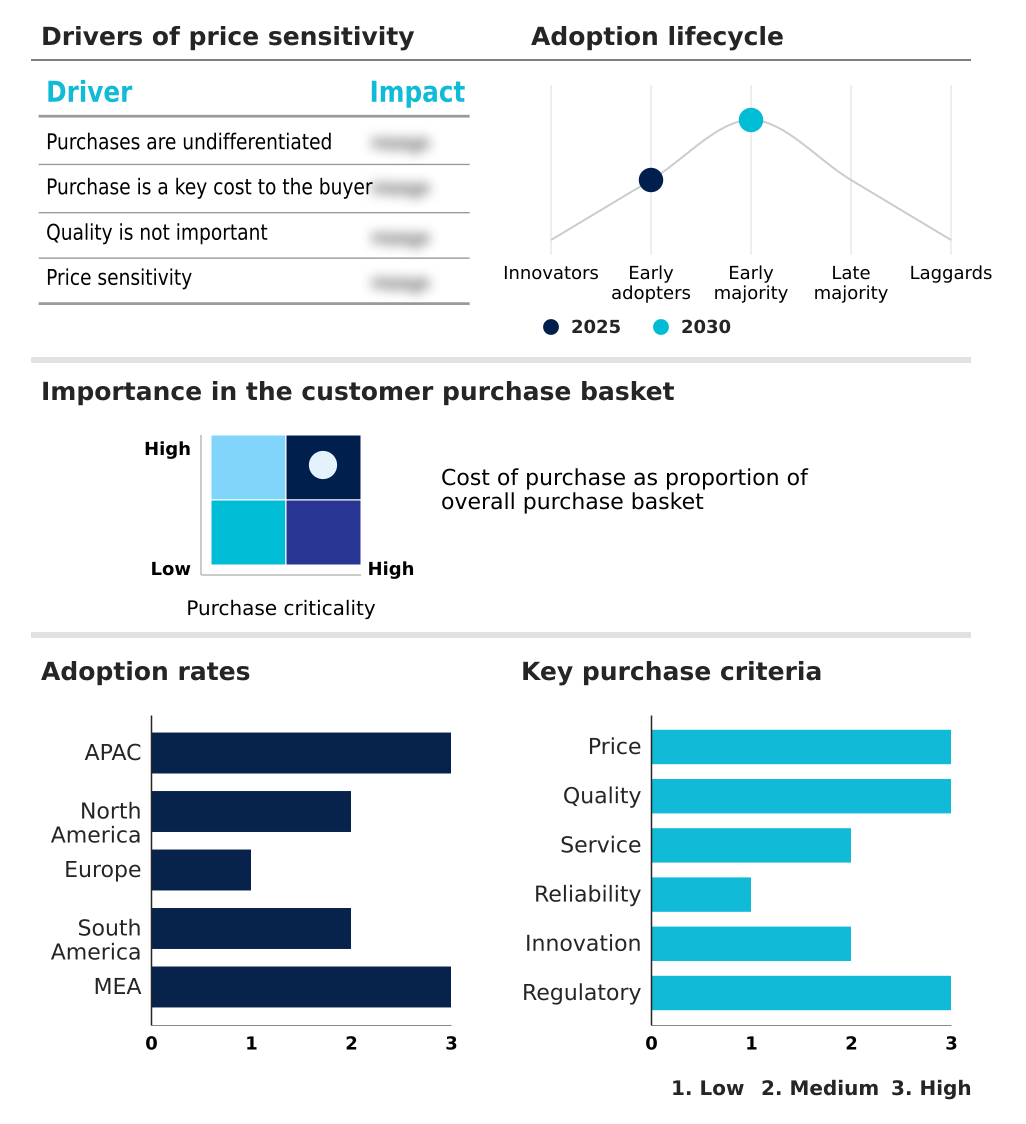
Customer Landscape of Cleanroom Storage Cabinet Industry
Competitive Landscape
Companies are implementing various strategies, such as strategic alliances, cleanroom storage cabinet market forecast, partnerships, mergers and acquisitions, geographical expansion, and product/service launches, to enhance their presence in the industry.
AirClean Systems - Offers specialized filtered storage cabinets designed for secure chemical and biological safety in controlled environments, protecting critical materials and medical probes from contamination.
The industry research and growth report includes detailed analyses of the competitive landscape of the market and information about key companies, including:
- AirClean Systems
- Azbil Telstar SL
- Biobase Biodusty Shandong Co. Ltd.
- Clean Air Products
- Cleatech LLC
- Connect 2 Cleanrooms Ltd.
- Eagle Group
- Erlab DFS
- Esco Lifesciences
- Germfree Laboratories Inc.
- HEMCO Corp.
- Integrated Cleanroom Technologies
- Kewaunee Scientific Corp.
- Laminar Flow Inc.
- Nicomac Srl
- Palbam AC Ltd.
- Sentry Air Systems Inc.
- Technical Air Products
- Terra Universal Inc.
- Thermo Fisher Scientific Inc.
Qualitative and quantitative analysis of companies has been conducted to help clients understand the wider business environment as well as the strengths and weaknesses of key industry players. Data is qualitatively analyzed to categorize companies as pure play, category-focused, industry-focused, and diversified; it is quantitatively analyzed to categorize companies as dominant, leading, strong, tentative, and weak.
Recent Development and News in Cleanroom storage cabinet market
- In March 2025, Honeywell and Camfil formed a strategic partnership to provide integrated modular cleanroom and filtration solutions tailored for the life sciences manufacturing sector.
- In February 2025, a leading international biotechnology consortium announced a multi-billion dollar investment for a new viral vector manufacturing facility in Singapore, aimed at producing components for next-generation gene therapies.
- In March 2025, a major technology conglomerate announced a landmark investment to build a new semiconductor fabrication plant in Germany, designed for sub-5-nanometer chip production.
- In May 2025, a major European automotive group announced a fifty billion Euro investment to construct multiple gigafactories for solid-state battery production, requiring ISO 6 certified dry rooms.
Dive into Technavio’s robust research methodology, blending expert interviews, extensive data synthesis, and validated models for unparalleled Cleanroom Storage Cabinet Market insights. See full methodology.
| Market Scope | |
|---|---|
| Page number | 299 |
| Base year | 2025 |
| Historic period | 2020-2024 |
| Forecast period | 2026-2030 |
| Growth momentum & CAGR | Accelerate at a CAGR of 10.6% |
| Market growth 2026-2030 | USD 707.9 million |
| Market structure | Fragmented |
| YoY growth 2025-2026(%) | 9.2% |
| Key countries | China, Japan, South Korea, India, Malaysia, Singapore, US, Canada, Mexico, Germany, UK, France, Italy, Spain, The Netherlands, Brazil, Argentina, Colombia, Saudi Arabia, UAE, South Africa, Turkey and Egypt |
| Competitive landscape | Leading Companies, Market Positioning of Companies, Competitive Strategies, and Industry Risks |
Research Analyst Overview
- The cleanroom storage cabinet market is defined by its role in enabling high-stakes manufacturing and research where particulate contamination control is paramount. The core technology centers on creating an aseptic environment through advanced systems like HEPA filtration, laminar airflow, and UV-C sterilization. Materials are critical, with electropolished stainless steel, corrosion-resistant polymers, and other non-shedding materials being standard for ensuring chemical-resistant surfaces.
- Adherence to ISO 14644 standards and cGMP compliance is mandatory, requiring extensive validation documentation for all equipment, from a desiccator cabinet to a pass-through chamber. Boardroom decisions are increasingly influenced by the need for equipment that supports both current and future operational models.
- For example, the integration of environmental monitoring systems for differential pressure monitoring can reduce manual compliance checks by over 40%. The demand for specialized solutions like nitrogen-purged desiccator units for outgassing prevention in optics, anti-static properties in electronics, and robust gowning room furniture for cleanroom garment storage is growing.
- The market is moving toward modular cleanroom furniture with cleanroom-grade casters to offer flexibility, supporting everything from aseptic processing and biocontamination control to creating a dedicated sterile compounding area with turnkey sterile storage solution. This evolution is about delivering microbial contamination prevention, sterile storage solutions and enabling cleanroom workflow optimization for sterile instrument storage and aseptic material transfer.
What are the Key Data Covered in this Cleanroom Storage Cabinet Market Research and Growth Report?
-
What is the expected growth of the Cleanroom Storage Cabinet Market between 2026 and 2030?
-
USD 707.9 million, at a CAGR of 10.6%
-
-
What segmentation does the market report cover?
-
The report is segmented by End-user (Medical, Semiconductor, and Others), Type (Stainless steel, and Plastic), Product (Tall cabinets, Wall-mounted cabinets, Pass-through cabinets, Under-counter cabinets, and Mobile cabinets) and Geography (APAC, North America, Europe, South America, Middle East and Africa)
-
-
Which regions are analyzed in the report?
-
APAC, North America, Europe, South America and Middle East and Africa
-
-
What are the key growth drivers and market challenges?
-
Robust expansion of pharmaceutical and biotechnology industries, Escalating volatility in raw material pricing
-
-
Who are the major players in the Cleanroom Storage Cabinet Market?
-
AirClean Systems, Azbil Telstar SL, Biobase Biodusty Shandong Co. Ltd., Clean Air Products, Cleatech LLC, Connect 2 Cleanrooms Ltd., Eagle Group, Erlab DFS, Esco Lifesciences, Germfree Laboratories Inc., HEMCO Corp., Integrated Cleanroom Technologies, Kewaunee Scientific Corp., Laminar Flow Inc., Nicomac Srl, Palbam AC Ltd., Sentry Air Systems Inc., Technical Air Products, Terra Universal Inc. and Thermo Fisher Scientific Inc.
-
Market Research Insights
- The market is shaped by a shift toward specialized solutions for diverse industrial needs. The adoption of controlled environment storage in biotechnology lab furniture and for semiconductor wafer storage is standard. However, expansion into aerospace cleanroom applications and electronics assembly environment demands new functionalities. For instance, integrated systems improve cleanroom material handling efficiency by over 25% compared to manual processes.
- This is critical for aseptic fill-finish operations and medical device manufacturing, where adherence to Good Manufacturing Practices (GMP) is non-negotiable. Furthermore, end-to-end cleanroom validation services for pharmaceutical cleanroom equipment can reduce compliance documentation errors by 18%, a vital metric for operations in sterile manufacturing supplies, aseptic compounding, and particulate-free storage.
- The focus is now on delivering systems for complex environments like ISO Class 5 cleanroom facilities and optimizing the cleanroom gowning procedure through better laboratory casework solutions.
We can help! Our analysts can customize this cleanroom storage cabinet market research report to meet your requirements.
 RIA -
RIA -