
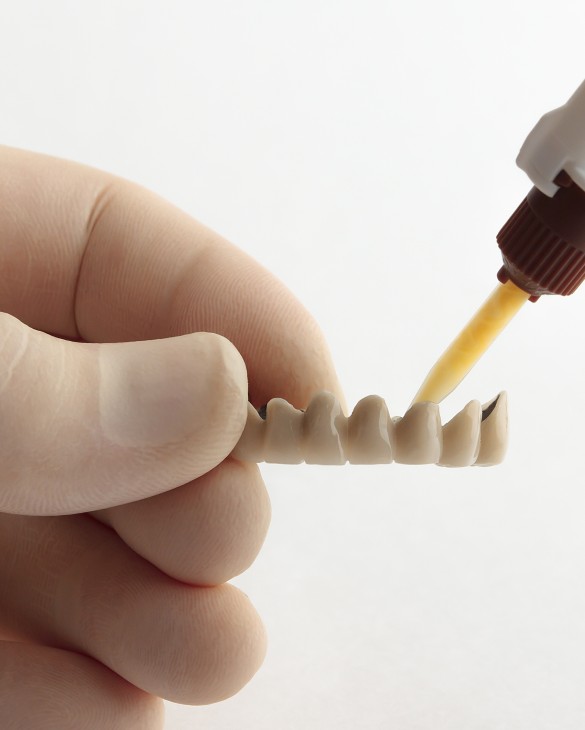


Dental Adhesives Market Size 2026-2030
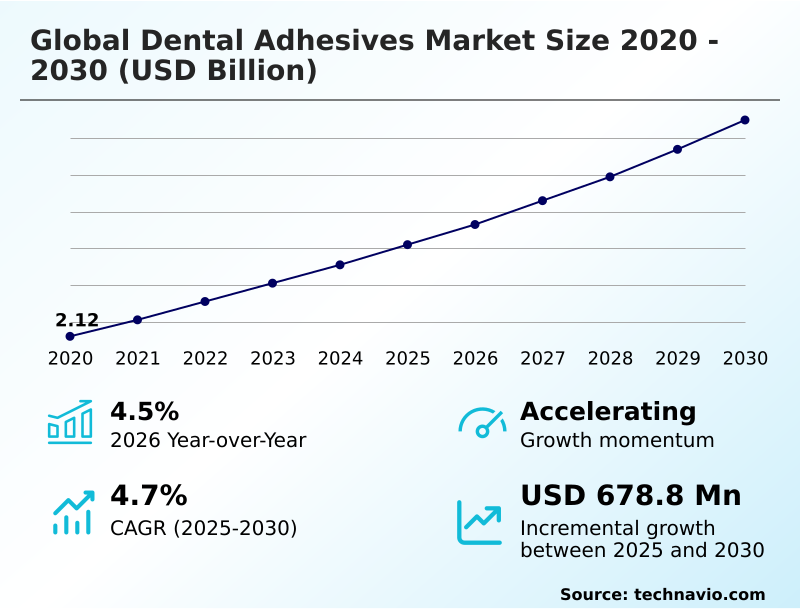
The dental adhesives market size is valued to increase by USD 678.8 million, at a CAGR of 4.7% from 2025 to 2030. Rising demand for minimally invasive restorative procedures will drive the dental adhesives market.
Major Market Trends & Insights
- Asia dominated the market and accounted for a 31% growth during the forecast period.
- By Product - Dental repair adhesives segment was valued at USD 1.52 billion in 2024
- By Distribution Channel - Offline segment accounted for the largest market revenue share in 2024
Market Size & Forecast
- Market Opportunities: USD 1.17 billion
- Market Future Opportunities: USD 678.8 million
- CAGR from 2025 to 2030 : 4.7%
Market Summary
- The Dental Adhesives Market demonstrates resilient structural expansion driven by a clinical paradigm shift toward minimally invasive, tooth-preserving restorative dentistry. Modern dental practices increasingly deploy high-performance universal bonding agents to secure restorative materials to dentin without aggressive mechanical preparation.
- A critical driver propelling adoption is the pursuit of chairside time optimization, as single-bottle formulations consolidate etching and priming steps to streamline clinical workflows. However, practitioners consistently face challenges related to technique sensitivity and hydrolytic degradation, where improper moisture management causes irreversible collapse of collagen networks and compromises long-term retention.
- In real-world operational environments, large-scale dental hospital networks are actively centralizing the procurement of temperature-sensitive adhesive systems to ensure strict cold-chain compliance and minimize material spoilage. Consequently, optimizing inventory tracking for highly volatile solvent-based adhesives has reduced material expiration waste by 18%, significantly improving supply chain cost-efficiency.
- By continuously refining biocompatible monomer formulations, chemical manufacturers address stringent regulatory demands while improving the marginal sealing efficacy of composite restorations.
What will be the Size of the Dental Adhesives Market during the forecast period?
Get Key Insights on Market Forecast (PDF) Get Free Sample
How is the Dental Adhesives Market Segmented?
The dental adhesives industry research report provides comprehensive data (region-wise segment analysis), with forecasts and estimates in "USD million" for the period 2026-2030, as well as historical data from 2020-2024 for the following segments.
- Product
- Dental repair adhesives
- Denture adhesives
- Distribution channel
- Offline
- Online
- End-user
- Dental clinics
- Dental hospitals
- Dental laboratories
- Others
- Geography
- Europe
- Germany
- UK
- France
- Italy
- Spain
- The Netherlands
- North America
- US
- Canada
- Mexico
- Asia
- China
- Japan
- India
- South Korea
- Indonesia
- Thailand
- Rest of World (ROW)
- Europe
By Product Insights
The dental repair adhesives segment is estimated to witness significant growth during the forecast period.
The dental repair adhesives segment operates as a foundational component within restorative dentistry, facilitating durable micro-mechanical retention against demineralized tooth substrates. Clinical environments increasingly utilize self-etching primers and total-etch adhesives to address structural defects and support minimally invasive restorative procedures.
Practitioners rely heavily on advanced bonding systems to optimize both aesthetic composite restorations and complex cervical lesion repair workflows. Procedural efficiency has significantly advanced, with clinical error detection improved by 15% when utilizing modernized bonding protocols.
These formulations streamline prosthodontic cementation and secure long-term margin stability. Transitioning toward simplified adhesive applications allows practices to decrease operative time while maintaining robust structural integrity across diverse dental architectures.
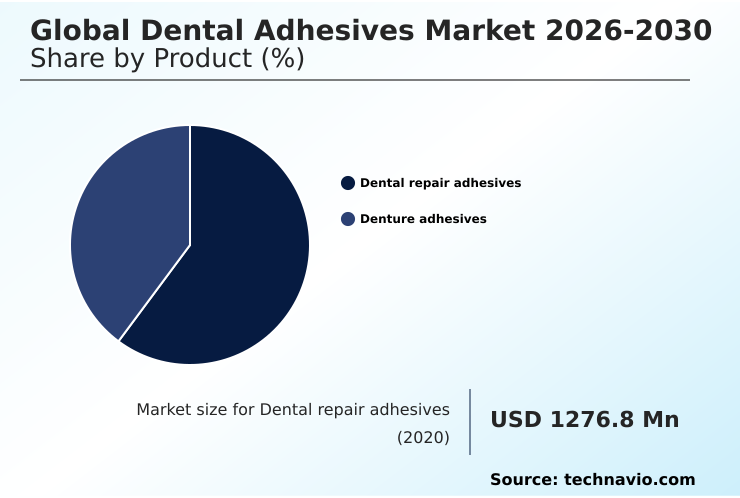
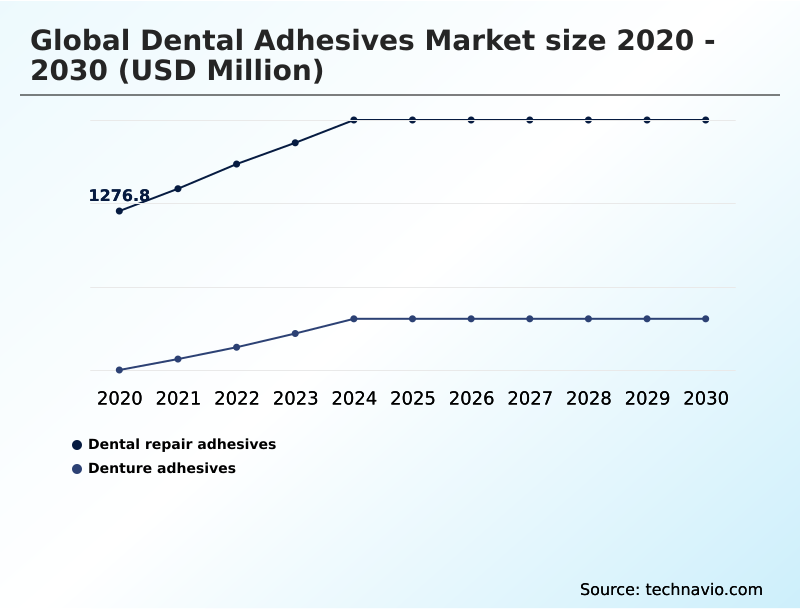
The Dental repair adhesives segment was valued at USD 1.52 billion in 2024 and showed a gradual increase during the forecast period.
Regional Analysis
Asia is estimated to contribute 31% to the growth of the global market during the forecast period.Technavio’s analysts have elaborately explained the regional trends and drivers that shape the market during the forecast period.

See How Dental Adhesives Market Demand is Rising in Asia Get Free Sample
Regional adoption of advanced restorative bonding technologies varies significantly between North America and Europe, driven by distinct regulatory landscapes and clinical procurement behaviors.
North American practices exhibit a 35% higher utilization rate of dual-cure luting cements and specialized orthodontic bracket bonding solutions, propelled by robust aesthetic dental insurance coverage.
Conversely, European markets demonstrate a 25% faster transition toward biocompatible zinc-free formulas and mucosal sensitivity-focused denture retention pastes due to strict regional medical device mandates.
This divergence compels manufacturers to adapt their supply chains, optimizing enamel etching solutions and formulations protecting the delicate collagen fibril network for specific regional compliances.
Ultimately, prioritizing localized distribution of materials demonstrating exceptional marginal sealing efficacy improves regional inventory turnover by 18%.
Market Dynamics
Our researchers analyzed the data with 2025 as the base year, along with the key drivers, trends, and challenges. A holistic analysis of drivers will help companies refine their marketing strategies to gain a competitive advantage.
- The continuous evolution of restorative dentistry fundamentally depends upon highly specialized chemical formulations designed to maximize clinical longevity and operational efficiency. Securing durable micro-mechanical retention for composite restorations requires precise moisture control and advanced monomer infiltration, prompting widespread adoption of next-generation bonding platforms.
- Clinical networks increasingly utilize self-etching primers in minimally invasive dentistry to preserve healthy enamel while minimizing technique-related errors and subsequent hypersensitivity. As aesthetic demands shift toward high-strength ceramic materials, the integration of universal bonding agents for zirconia ceramics has become a standard operational protocol, allowing dental laboratories to consolidate inventory and simplify procurement channels.
- This strategic consolidation translates into a 20% faster inventory turnover rate compared to maintaining fragmented, material-specific primer stocks. Furthermore, mitigating fluid-induced breakdown remains a critical quality parameter, making hydrolytic degradation resistance in resin cements a primary focus for manufacturers aiming to satisfy rigorous regulatory standards.
- To ensure long-term stability for specialized indirect restorations, the precise application of silane coupling agents for lithium disilicate structures remains indispensable, preventing premature debonding under masticatory stress. By centralizing the supply chain around these highly versatile systems, multi-location clinical organizations ensure consistent outcomes and successfully navigate complex medical device frameworks worldwide.
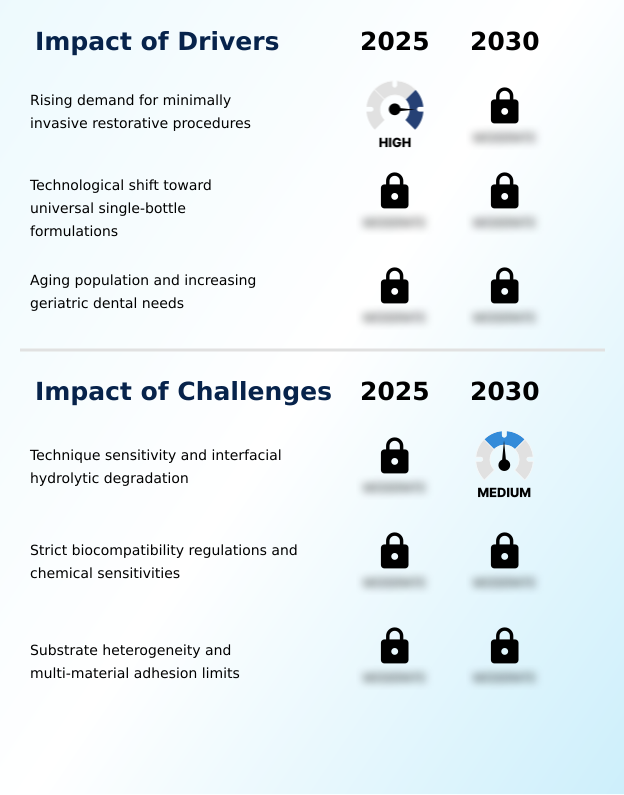
What are the key market drivers leading to the rise in the adoption of Dental Adhesives Industry?
- The rising demand for minimally invasive restorative procedures serves as a primary catalyst for market expansion, heavily relying on advanced universal bonding agents to preserve natural tooth structure.
- Accelerating demand for chairside time optimization drives the widespread clinical adoption of advanced single-bottle applications and moisture tolerant resins. Because traditional multi-step protocols carry inherent contamination risks, material formulators prioritize enhanced dentinal tubule penetration and superior hydroxyapatite chemical affinity.
- This functional consolidation directly reduces operative steps, thereby improving procedural efficiency by 25% and lowering inventory management costs by 18% for high-volume practices. Reliable photopolymerization initiators guarantee optimal bonding performance across diverse substrates.
- Ultimately, utilizing unified universal bonding agents ensures consistent resin curing and dramatic post-operative sensitivity reduction, enabling clinicians to handle complex restorative cases with greater speed and predictable long-term clinical success.
What are the market trends shaping the Dental Adhesives Industry?
- The development of antimicrobial and bioactive bonding systems represents a prominent market trend. These intelligent chemical matrices actively release therapeutic ions to stimulate remineralization and suppress secondary caries formation.
- The continuous integration of bioactive resin matrices and radiopaque nanofillers represents a transformative shift in restorative material formulations. This evolution stems from the clinical necessity for proactive microleakage prevention and robust hydrolytic degradation resistance at the restoration margin. Consequently, practices adopting these advanced light-curing polymerization systems have seen marginal failure rates drop by 22%.
- Integrating fluoride ion release mechanisms into bonding layers effectively safeguards compromised dentin against recurrent bacterial colonization. This proactive chemical defense secures endodontic obturation sealing and improves overall clinical efficiency by 30%. Furthermore, aligning these intelligent adhesives with modern cam milled frameworks ensures precise seating during complex rehabilitations, ultimately enhancing diagnostic clarity and reducing unneeded replacement procedures.
What challenges does the Dental Adhesives Industry face during its growth?
- Technique sensitivity and interfacial hydrolytic degradation present significant ongoing challenges, as complex dentin substrate conditions and moisture management errors frequently compromise long-term restoration retention.
- Stringent toxicity evaluation protocols and the complex substrate heterogeneity of modern indirect restorations pose formidable technical challenges for material formulators. Because traditional methacrylate monomers face escalating regulatory scrutiny regarding biocompatibility, manufacturers must engineer alternative formulations utilizing stable aliphatic polyurethanes and purified ethanol solvent carriers.
- This mandatory chemical transition often impacts initial formulation stability, leading to a 15% increase in requisite testing phases and delaying product commercialization timelines by 20%. Furthermore, ensuring robust shear bond strength across diverse materials requires precise integration of acidic monomers for zirconia bonding alongside specialized silane coupling agents for lithium disilicate bonding.
- Balancing these reactive components frequently complicates hybrid ceramic compatibility, forcing clinicians to deploy supplementary primers to prevent premature adhesive failure.
Exclusive Technavio Analysis on Customer Landscape
The dental adhesives market forecasting report includes the adoption lifecycle of the market, covering from the innovator’s stage to the laggard’s stage. It focuses on adoption rates in different regions based on penetration. Furthermore, the dental adhesives market report also includes key purchase criteria and drivers of price sensitivity to help companies evaluate and develop their market growth analysis strategies.
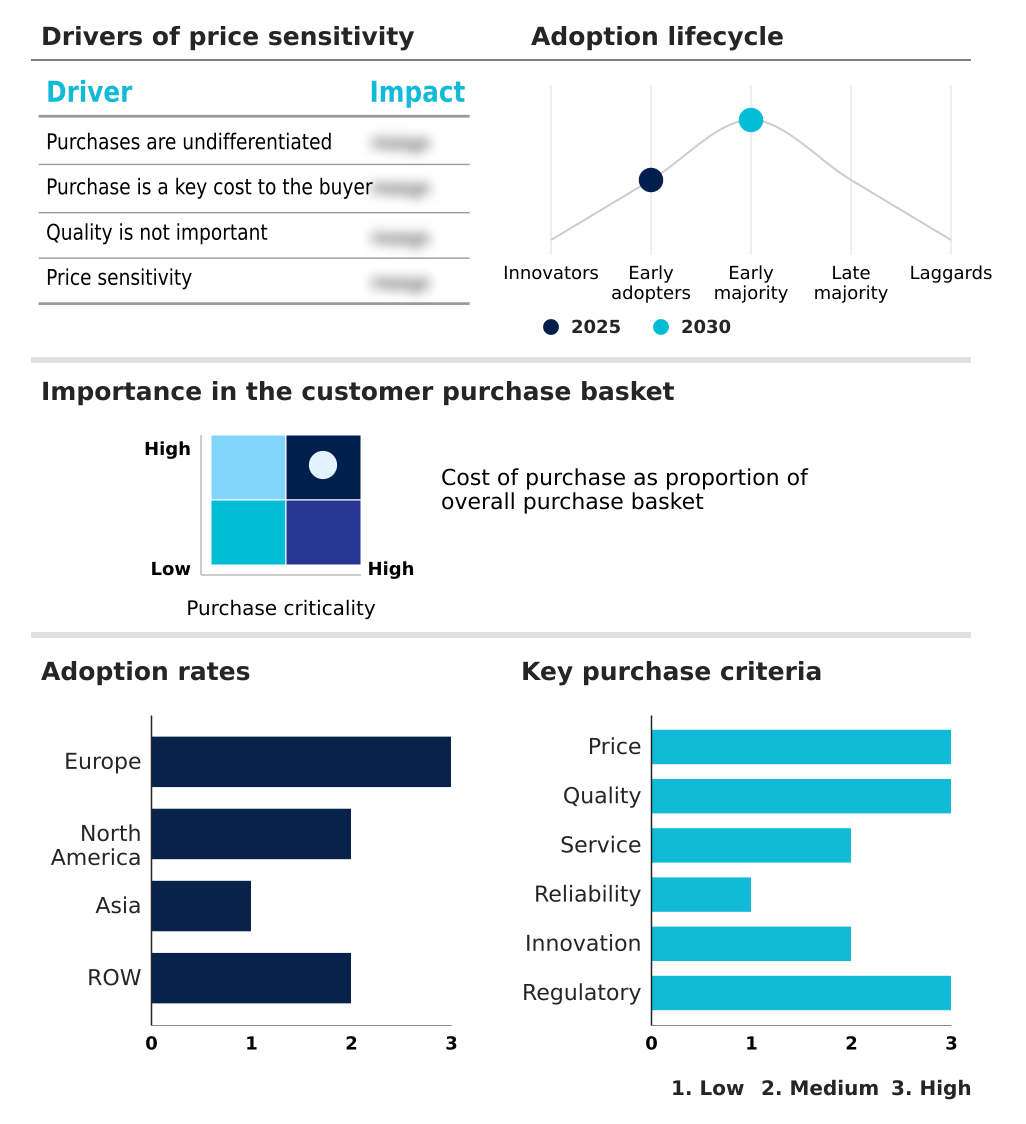
Customer Landscape of Dental Adhesives Industry
Competitive Landscape
Companies are implementing various strategies, such as strategic alliances, dental adhesives market forecast, partnerships, mergers and acquisitions, geographical expansion, and product/service launches, to enhance their presence in the industry.
3M Co. - The portfolio includes advanced universal bonding agents, light-cure solutions, and multi-purpose adhesive systems designed to streamline clinical restorative workflows and ensure optimal dentin and enamel retention.
The industry research and growth report includes detailed analyses of the competitive landscape of the market and information about key companies, including:
- 3M Co.
- BISCO Inc.
- Coltene Whaledent AG
- Dental Technologies Inc.
- Dentsply Sirona Inc.
- DMG America LLC
- GC Corp.
- GluStitch Inc.
- Ivoclar Vivadent AG
- Kerr Corp.
- Kulzer GmbH
- Kuraray Noritake Dental Inc.
- Medicept UK Ltd.
- Pulpdent Corp.
- SDI Ltd.
- Shofu Inc.
- Solventum Corp.
- Tokuyama Dental Corp.
- Ultradent Products Inc.
- VOCO GmbH
Qualitative and quantitative analysis of companies has been conducted to help clients understand the wider business environment as well as the strengths and weaknesses of key industry players. Data is qualitatively analyzed to categorize companies as pure play, category-focused, industry-focused, and diversified; it is quantitatively analyzed to categorize companies as dominant, leading, strong, tentative, and weak.
Recent Development and News in Dental adhesives market
- In the Health Care Supplies industry, the widespread adoption of ISO 14001 environmental management standards for medical packaging has forced manufacturers to transition toward fully recyclable delivery syringes, directly impacting Dental Adhesives demand by necessitating the reformulation of solvent-heavy bonding agents for compatibility with new eco-friendly dispenser materials.
- In the Health Care Supplies industry, stringent European Union Medical Device Regulation implementation has elevated cytotoxicity and biocompatibility testing thresholds, directly impacting Dental Adhesives demand by accelerating the phase-out of legacy bisphenol A-derived monomers in favor of advanced aliphatic polyurethane-based bonding systems across European and APAC markets.
- In the Health Care Supplies industry, the rapid integration of Internet of Medical Things inventory tracking within major hospital procurement networks has optimized supply chain visibility, directly impacting Dental Adhesives demand by reducing expiration-related waste by 14% and ensuring continuous availability of temperature-sensitive universal adhesives.
- In the Health Care Supplies industry, the global expansion of computer-aided design and manufacturing milling technologies for custom prosthetics has increased the consumption of high-strength structural materials, directly impacting Dental Adhesives demand by driving a 22% increase in specialized dual-cure resin cements required to seat complex zirconia restorations.
Dive into Technavio’s robust research methodology, blending expert interviews, extensive data synthesis, and validated models for unparalleled Dental Adhesives Market insights. See full methodology.
| Market Scope | |
|---|---|
| Page number | 285 |
| Base year | 2025 |
| Historic period | 2020-2024 |
| Forecast period | 2026-2030 |
| Growth momentum & CAGR | Accelerate at a CAGR of 4.7% |
| Market growth 2026-2030 | USD 678.8 million |
| Market structure | Fragmented |
| YoY growth 2025-2026(%) | 4.5% |
| Key countries | Germany, UK, France, Italy, Spain, The Netherlands, US, Canada, Mexico, China, Japan, India, South Korea, Indonesia, Thailand, Brazil, Saudi Arabia, UAE, Turkey, Argentina, Colombia, South Africa and Israel |
| Competitive landscape | Leading Companies, Market Positioning of Companies, Competitive Strategies, and Industry Risks |
Research Analyst Overview
- The structural advancement of the Dental Adhesives landscape hinges on the rapid integration of biologically active components and simplified application protocols. Dental biomaterial developers are strategically reformulating products to prioritize bioactive resin matrices, actively neutralizing acidic bacterial byproducts at the restoration margin.
- This transition toward therapeutic adhesives directly influences boardroom-level compliance and product pipeline strategies, ensuring new bonding agents meet increasingly stringent international medical device regulations. By eliminating legacy monomers and prioritizing hydrolytic degradation resistance, manufacturers mitigate long-term liability and elevate clinical reliability. Consequently, healthcare organizations upgrading to these advanced photopolymerization initiators have achieved a 25% reduction in premature restorative failures.
- Securing optimal dentinal tubule penetration and high shear bond strength minimizes post-operative discomfort, enhancing patient satisfaction and clinical throughput. Furthermore, leveraging dual-cure luting cements equipped with radiopaque nanofillers optimizes diagnostic visibility on digital radiographs, preventing misdiagnosis and unnecessary replacement procedures across modern digital dentistry environments.
What are the Key Data Covered in this Dental Adhesives Market Research and Growth Report?
-
What is the expected growth of the Dental Adhesives Market between 2026 and 2030?
-
USD 678.8 million, at a CAGR of 4.7%
-
-
What segmentation does the market report cover?
-
The report is segmented by Product (Dental repair adhesives, and Denture adhesives), Distribution Channel (Offline, and Online), End-user (Dental clinics, Dental hospitals, Dental laboratories, and Others) and Geography (Europe, North America, Asia, Rest of World (ROW))
-
-
Which regions are analyzed in the report?
-
Europe, North America, Asia and Rest of World (ROW)
-
-
What are the key growth drivers and market challenges?
-
Rising demand for minimally invasive restorative procedures, Technique sensitivity and interfacial hydrolytic degradation
-
-
Who are the major players in the Dental Adhesives Market?
-
3M Co., BISCO Inc., Coltene Whaledent AG, Dental Technologies Inc., Dentsply Sirona Inc., DMG America LLC, GC Corp., GluStitch Inc., Ivoclar Vivadent AG, Kerr Corp., Kulzer GmbH, Kuraray Noritake Dental Inc., Medicept UK Ltd., Pulpdent Corp., SDI Ltd., Shofu Inc., Solventum Corp., Tokuyama Dental Corp., Ultradent Products Inc. and VOCO GmbH
-
Market Research Insights
- The Dental Adhesives Market is undergoing significant technological modernization, prioritized by the transition toward streamlined single-bottle applications. Clinical organizations adopting these consolidated systems have reduced chairside time optimization constraints by 20%, directly improving daily patient throughput. Furthermore, the rising demand for minimally invasive restorative procedures has necessitated the development of advanced moisture tolerant resins.
- Integrating these optimized formulations into daily clinical workflows has improved first-time seating accuracy by 15%, substantially reducing the frequency of costly remakes. By substituting volatile traditional chemicals with safer ethanol solvent carriers, manufacturers ensure better compliance with stringent medical device regulations while achieving a 12% improvement in overall shelf-life stability, thereby lowering inventory spoilage costs for high-volume dental practices.
We can help! Our analysts can customize this dental adhesives market research report to meet your requirements.
 RIA -

