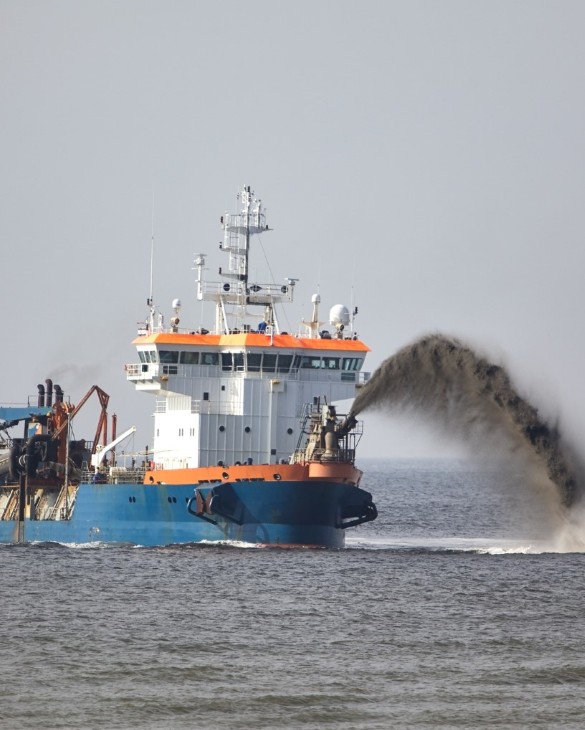


Dredger Market Size 2026-2030
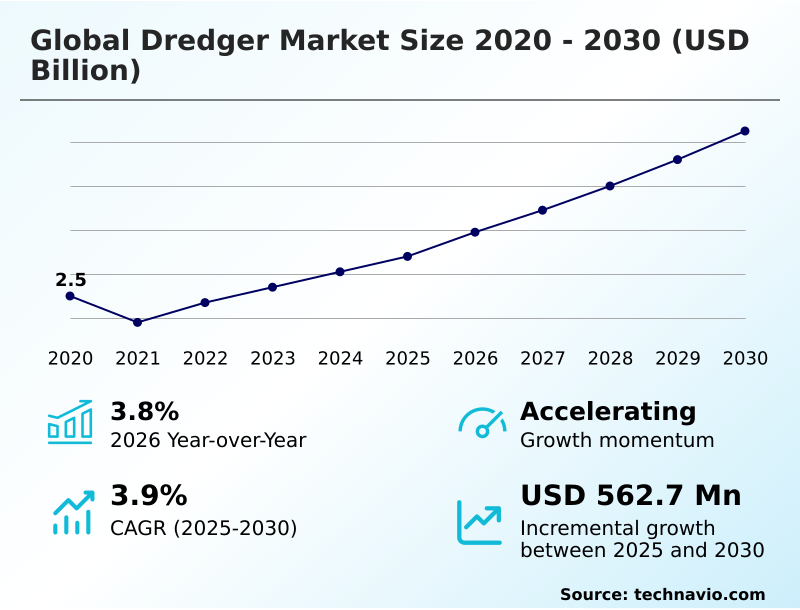
The dredger market size is valued to increase by USD 562.7 million, at a CAGR of 3.9% from 2025 to 2030. Expansion of international maritime trade and port infrastructure enhancement will drive the dredger market.
Major Market Trends & Insights
- North America dominated the market and accounted for a 29.4% growth during the forecast period.
- By Type - Hydraulic dredgers segment was valued at USD 1.83 billion in 2024
- By Application - Maintenance segment accounted for the largest market revenue share in 2024
Market Size & Forecast
- Market Opportunities: USD 744.9 million
- Market Future Opportunities: USD 562.7 million
- CAGR from 2025 to 2030 : 3.9%
Market Summary
- The Dredger Market operates as a foundational element of modern maritime infrastructure, facilitating continuous navigable waterway access and capital port expansions. Supply chain optimization within commercial harbor management frequently requires uninterrupted sediment extraction to accommodate ultra-large container vessels without halting port logistics.
- Operators adopting advanced routing and automated slurry monitoring achieve a 22% improvement in operational fuel efficiency compared to traditional mechanical excavation methods. The sustained expansion of international seaborne trade serves as a primary driver, compelling port authorities to deepen approach channels to maintain competitiveness, directly stimulating demand for high-capacity suction vessels.
- Conversely, stringent environmental compliance regulations regarding sediment plume dispersal present a formidable challenge, as operators must invest heavily in precision turbidity monitoring systems, thereby escalating total project expenditures and extending execution schedules. Strategic adaptation to these ecological standards remains critical for securing long-term public infrastructure contracts.
- By integrating hybrid propulsion and digital surveying technologies, marine engineering firms successfully balance aggressive port modernization targets with rigorous habitat conservation mandates.
What will be the Size of the Dredger Market during the forecast period?
Get Key Insights on Market Forecast (PDF) Get Free Sample
How is the Dredger Market Segmented?
The dredger industry research report provides comprehensive data (region-wise segment analysis), with forecasts and estimates in "USD million" for the period 2026-2030, as well as historical data from 2020-2024 for the following segments.
- Type
- Hydraulic dredgers
- Mechanical dredgers
- Others
- Application
- Maintenance
- Construction
- End-user
- Oil and gas
- Mining
- Renewable energy
- Government and municipal bodies
- Others
- Geography
- North America
- US
- Canada
- Mexico
- Europe
- The Netherlands
- Belgium
- UK
- Germany
- France
- Italy
- APAC
- China
- Japan
- India
- South Korea
- Australia
- Indonesia
- Middle East and Africa
- UAE
- Saudi Arabia
- Egypt
- South Africa
- Turkey
- South America
- Brazil
- Argentina
- Chile
- North America
By Type Insights
The hydraulic dredgers segment is estimated to witness significant growth during the forecast period.
Hydraulic marine excavation systems represent the cornerstone of modern harbor infrastructure and capital deepening projects. Utilizing a cutter suction dredger configuration, these vessels continuously dislodge hard-packed clay and gravel using high-velocity water jets and mechanical rotating cutterheads.
Material is efficiently lifted via centrifugal slurry pumps for onboard containment or direct discharge over vast distances. Incorporating satellite-guided positioning and electro-hydraulic boom controls, operators achieve precision excavation, reducing sediment over-dredging by 18% in complex maritime environments.
The deployment of specialized units, including water injection dredgers, pneumatic dredging systems, and amphibious multi-purpose dredgers, enhances operational versatility in shallow-water access. Furthermore, remote-controlled robotic sediment harvesters streamline industrial tailing pond remediation, mitigating hazardous exposure while ensuring consistent throughput.
These hydraulic systems continuously adapt to stringent marine engineering requirements, delivering high-capacity sediment removal essential for uninterrupted maritime commerce.
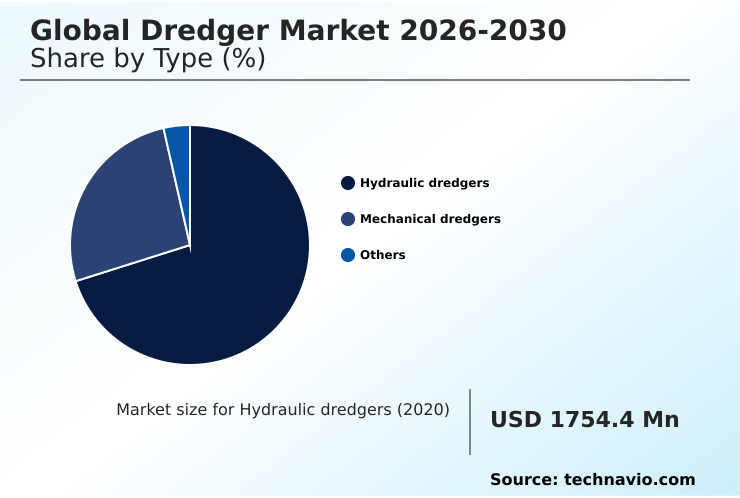
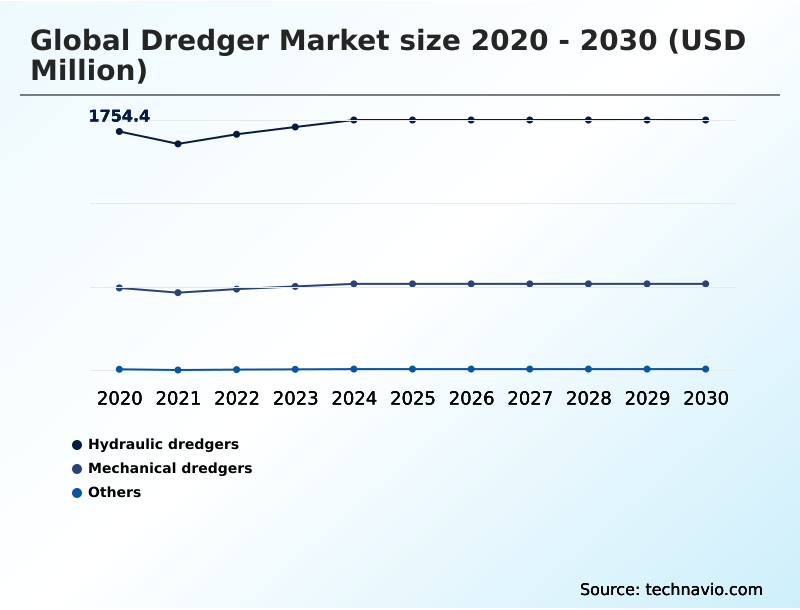
The Hydraulic dredgers segment was valued at USD 1.83 billion in 2024 and showed a gradual increase during the forecast period.
Regional Analysis
North America is estimated to contribute 29.4% to the growth of the global market during the forecast period.Technavio’s analysts have elaborately explained the regional trends and drivers that shape the market during the forecast period.
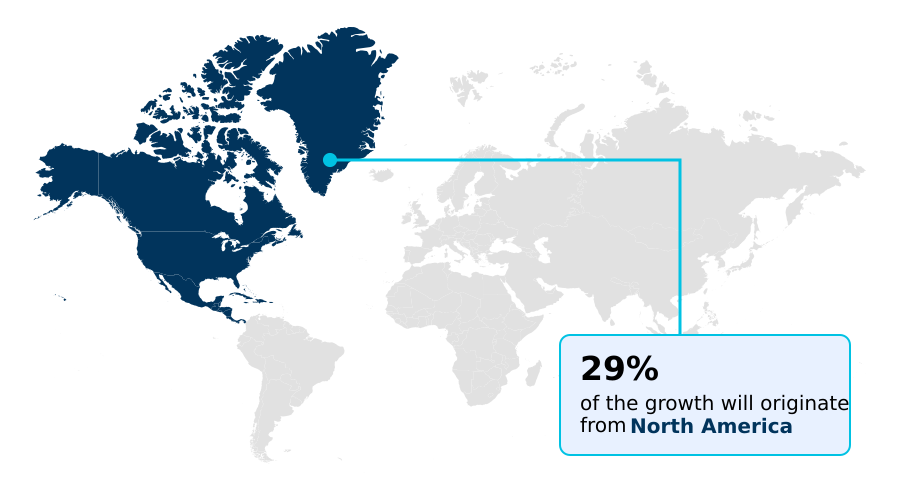
See How Dredger Market Demand is Rising in North America Get Free Sample
The geographic distribution of marine excavation activity reveals distinct strategic priorities between the APAC and European theaters. In Europe, the accelerated transition toward offshore renewable energy drives high utilization of fallpipe rock placement vessels for scour protection operations.
European contractors executing inter-array cable installation and precision seabed trenching achieve a 25% faster project completion rate by deploying advanced vessels equipped with hybrid battery configurations and dual-fuel capability, drastically reducing operational emissions.
Conversely, the APAC region exhibits a 40% higher demand for heavy mineral sand extraction, storm surge mitigation, and coastal resilience initiatives. APAC port authorities prioritize maximizing unfluidized material extraction from consolidated rock formations to support rapid channel deepening.
These divergent regulatory and commercial environments compel maritime operators to customize their fleet deployment strategies, balancing eco-friendly technological adoption in western markets with heavy-duty extraction capabilities required across emerging Asian economies.
Market Dynamics
Our researchers analyzed the data with 2025 as the base year, along with the key drivers, trends, and challenges. A holistic analysis of drivers will help companies refine their marketing strategies to gain a competitive advantage.
- Strategic marine engineering requires a multifaceted approach to address diverse infrastructure and ecological demands. Effective maintenance of navigable inland waterways ensures uninterrupted agricultural supply chains, operating at a 30% higher cost-efficiency than alternative overland transport routes.
- In the renewable energy sector, precise offshore wind turbine foundation preparation and subsea pipeline and cable trenching are vital for stabilizing structural assets against dynamic ocean currents. Coastal municipalities increasingly prioritize beach nourishment for coastal protection, utilizing amphibious equipment for municipal flood mitigation to shield urban zones from severe weather events.
- The safe handling of hazardous materials relies heavily on the contaminated industrial sediment safe containment to prevent secondary pollution. Industrial resource recovery leverages heavy mineral sands underwater mining, while the energy sector necessitates liquefied natural gas export facility deepening to accommodate high-capacity tankers.
- Technological integration is revolutionizing these operations; the deployment of autonomous dredging vessels for harbor maintenance and hybrid power systems in marine excavation drastically reduces fuel consumption and operational overhead. Operators utilize water injection methods for soft silt removal to minimize physical seabed disruption, aligning with circular engineering models in land reclamation that repurpose excavated materials.
- Stringent compliance mandates drive the adoption of benthic ecosystem protection during sediment extraction and rigorous turbidity monitoring in sensitive aquatic habitats. Furthermore, operators utilizing electro-hydraulic boom controls in mechanical excavation achieve superior precision, optimizing the extraction of compacted materials without compromising sensitive underwater environments or delaying project timelines.
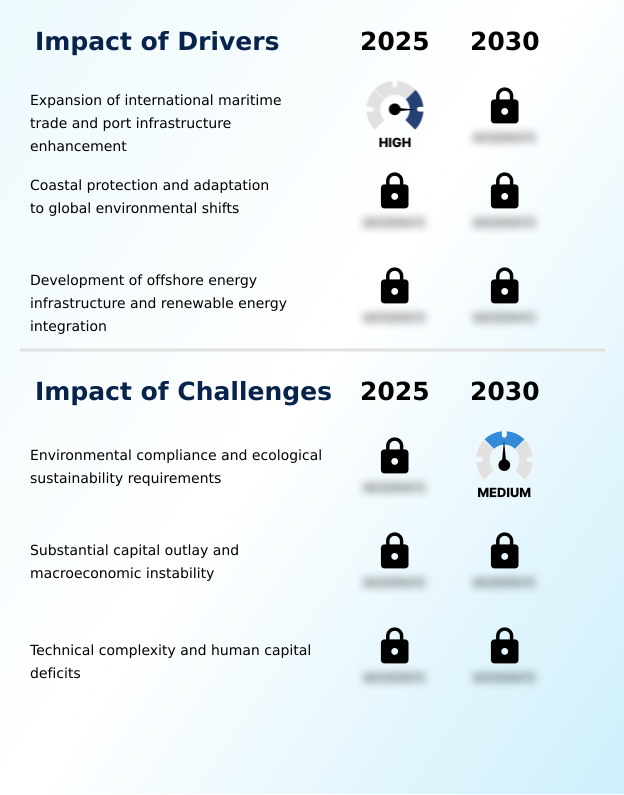
What are the key market drivers leading to the rise in the adoption of Dredger Industry?
- The continuous expansion of international maritime trade and the necessary enhancement of port infrastructure function as the primary drivers accelerating demand for specialized marine excavation services.
- The accelerating transition toward offshore renewable energy and the expansion of international commercial shipping act as primary catalysts for maritime infrastructure investments.
- Intensive capital channel deepening is required to accommodate modern mega-ships, driving immediate demand for the deployment of a heavy-duty trailing suction hopper dredger.
- Because ultra-large container vessels require substantial under-keel clearance, port authorities must execute rapid excavations that increase navigable efficiency by 22%.
- Simultaneously, aggressive offshore field development requires precise subsea pipeline trenching and offshore wind foundation preparation to anchor bottom-fixed offshore wind foundations. Securing subsea power export cables and subsea production templates lowers offshore grid failure risks by over 15%.
- Additionally, urgent coastal wetland protection and barrier island restoration projects, alongside large-scale liquefaction terminal construction, guarantee a continuous, long-term pipeline of capital excavation contracts.
What are the market trends shaping the Dredger Industry?
- The digitalization of marine excavation processes and the integration of autonomous operational technologies represent a critical structural trend. These advancements streamline project execution and optimize sediment removal efficiency across complex maritime environments.
- The fundamental shift toward decarbonization and operational automation defines the current trajectory of marine infrastructure development. Fleet operators are rapidly transitioning from traditional diesel mechanics to liquefied natural gas propulsion and hydrogen fuel cells, fundamentally altering maritime supply chain resilience.
- The integration of high-capacity electric batteries alongside advanced hydrodynamic hull designs and specialized anti-fouling coatings enables vessels to navigate with a 20% improvement in hydrodynamic efficiency compared to legacy models.
- Because environmental regulations now penalize excessive emissions, maritime contractors deploy autonomous dredging vessels equipped with automated dredging control software and predictive maintenance tools to optimize extraction cycles and minimize human error.
- Consequently, companies aligning with circular economy principles increasingly prioritize the beneficial use of dredge material for habitat restoration, transforming regulatory compliance constraints into lucrative operational advantages that secure long-term public infrastructure contracts and enhance overall project profitability.
What challenges does the Dredger Industry face during its growth?
- Stringent environmental compliance mandates and rigorous ecological sustainability requirements present substantial operational challenges that elevate project costs and constrain extraction timelines.
- Stringent ecological sustainability regulations and complex environmental compliance mandates impose substantial structural limitations on marine excavation projects. The critical necessity for benthic ecosystem preservation forces operators to strictly control sediment plume dispersal during extraction processes.
- Because uncontrolled suspended sediment management degrades local aquatic habitats, regulatory bodies mandate the deployment of physical silt curtains and highly sensitive turbidity monitoring sensors, which can increase compliance-related project expenditures by up to 18%. Furthermore, the mandatory adherence to tier III emission standards and rigorous ballast water management protocols requires expensive vessel retrofitting.
- Advanced morphological modeling and automated slurry density monitoring are essential for executing dynamic sand motor replenishments and complex subsea wellhead clearance without triggering environmental penalties. These stringent regulatory hurdles systematically delay operational timelines, reducing overall vessel utilization rates by nearly 12% across highly regulated maritime zones.
Exclusive Technavio Analysis on Customer Landscape
The dredger market forecasting report includes the adoption lifecycle of the market, covering from the innovator’s stage to the laggard’s stage. It focuses on adoption rates in different regions based on penetration. Furthermore, the dredger market report also includes key purchase criteria and drivers of price sensitivity to help companies evaluate and develop their market growth analysis strategies.
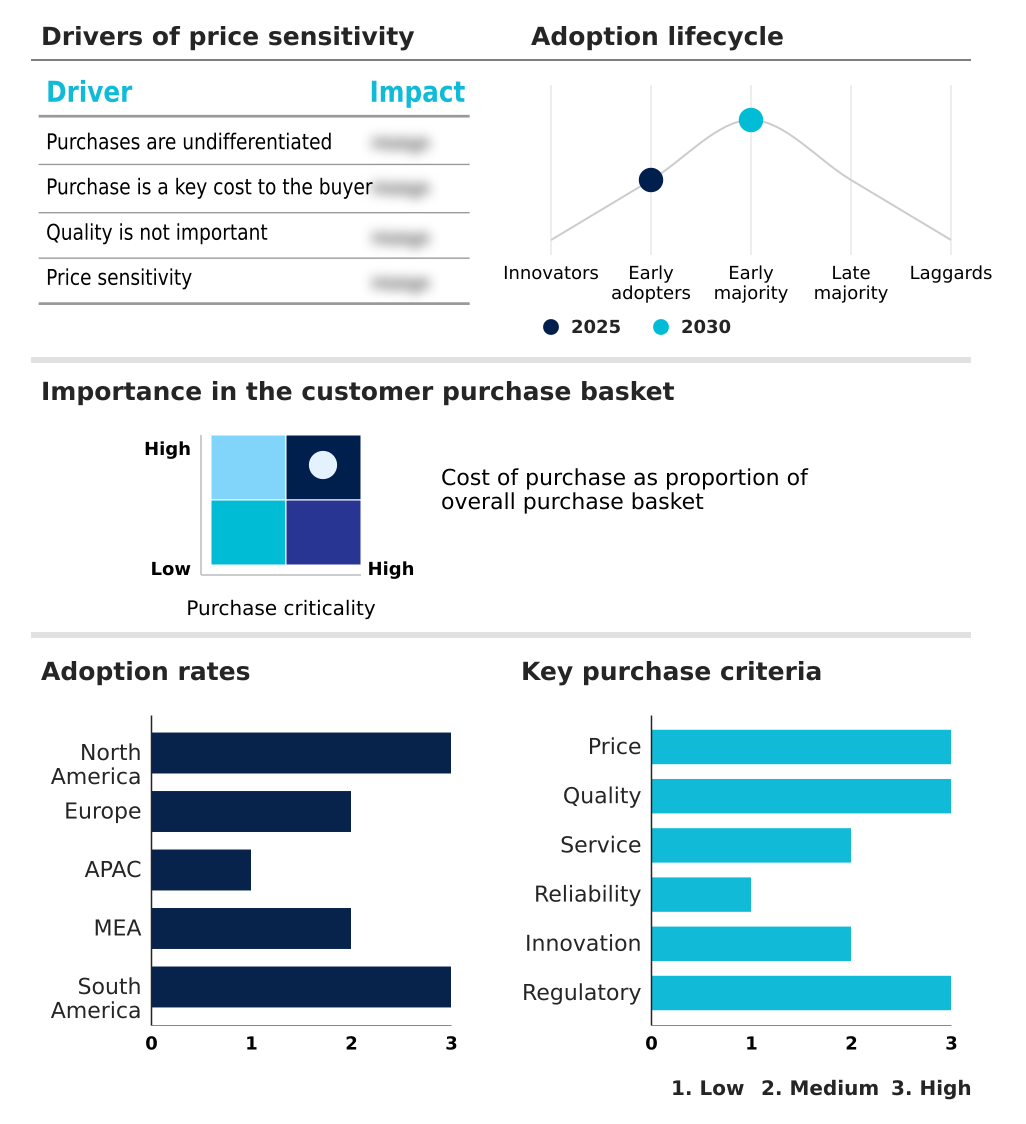
Customer Landscape of Dredger Industry
Competitive Landscape
Companies are implementing various strategies, such as strategic alliances, dredger market forecast, partnerships, mergers and acquisitions, geographical expansion, and product/service launches, to enhance their presence in the industry.
Bell Dredging Pumps B.V. - Advanced excavation solutions encompass heavy-duty slurry pumps, amphibious tracked excavators, modular suction vessels, and specialized seabed preparation tools engineered for demanding onshore and complex offshore marine environments.
The industry research and growth report includes detailed analyses of the competitive landscape of the market and information about key companies, including:
- Bell Dredging Pumps B.V.
- Bollinger Shipyards
- Conrad Industries Inc.
- Custom Dredge Works Inc.
- Damen Shipyards Group
- Dredge Yard B.V.
- DSC Dredge LLC
- Eastern Shipbuilding Inc.
- EDDY Pump Corp
- Ellicott Dredges LLC
- Halimar Shipyard LLC
- Holland Dredging Products B.V.
- Holland MT B.V.
- Italdraghe S.p.A.
- ROHR IDRECO Dredge Systems
- Royal IHC
- Seatrium Ltd.
- SRS Crisafulli Inc.
- Supreme Manufacturing Inc.
- VOSTA LMG
Qualitative and quantitative analysis of companies has been conducted to help clients understand the wider business environment as well as the strengths and weaknesses of key industry players. Data is qualitatively analyzed to categorize companies as pure play, category-focused, industry-focused, and diversified; it is quantitatively analyzed to categorize companies as dominant, leading, strong, tentative, and weak.
Recent Development and News in Dredger market
- In the Marine Transportation industry, the transition toward mega-ships and ultra-large container vessels has required extensive harbor deepening, directly impacting Dredger demand by increasing the necessity for precision seabed excavation operations that improve navigational draft capacities by over 20%.
- Stringent emission standards implemented by maritime regulatory bodies mandate significant reductions in nitrogen oxide output, compelling fleet operators to adopt advanced hull designs that improve fuel efficiency by up to 15% across marine extraction operations.
- The expansion of offshore renewable energy networks requires extensive seabed preparation, driving demand for specialized marine equipment capable of stabilizing subsea power cables at depths exceeding 40 meters.
- Growing investments in logistics resilience involve widespread coastal defense initiatives and storm surge mitigation projects, fueling the adoption of repurposed marine sediment to construct artificial barrier islands that enhance coastal protection efficiency by 30%.
Dive into Technavio’s robust research methodology, blending expert interviews, extensive data synthesis, and validated models for unparalleled Dredger Market insights. See full methodology.
| Market Scope | |
|---|---|
| Page number | 304 |
| Base year | 2025 |
| Historic period | 2020-2024 |
| Forecast period | 2026-2030 |
| Growth momentum & CAGR | Accelerate at a CAGR of 3.9% |
| Market growth 2026-2030 | USD 562.7 million |
| Market structure | Fragmented |
| YoY growth 2025-2026(%) | 3.8% |
| Key countries | US, Canada, Mexico, The Netherlands, Belgium, UK, Germany, France, Italy, China, Japan, India, South Korea, Australia, Indonesia, UAE, Saudi Arabia, Egypt, South Africa, Turkey, Brazil, Argentina and Chile |
| Competitive landscape | Leading Companies, Market Positioning of Companies, Competitive Strategies, and Industry Risks |
Research Analyst Overview
- The marine excavation industry requires continuous operational optimization to balance aggressive capital infrastructure development with stringent ecological preservation mandates. Boardroom-level procurement strategies increasingly prioritize the integration of automated software platforms, which allow fleet operators to dynamically adjust extraction parameters in real-time.
- This technological shift directly influences corporate budgeting by lowering fuel consumption and minimizing unnecessary mechanical wear, resulting in a 25% reduction in unplanned vessel downtime during complex underwater operations. Furthermore, the rapid expansion of renewable energy infrastructure necessitates precise seabed preparation for offshore foundation structures, compelling contractors to upgrade their hydrographic surveying capabilities.
- Corporate compliance strategies heavily rely on advanced data modeling to predict sediment transport patterns, ensuring that large-scale barrier island restoration and coastal wetland protection initiatives meet strict regulatory environmental standards.
- By prioritizing data-centric excavation technologies, marine engineering firms successfully mitigate project risk, accelerate completion schedules, and maintain robust profit margins while navigating the increasingly rigorous environmental frameworks governing international maritime construction and continuous waterway maintenance.
What are the Key Data Covered in this Dredger Market Research and Growth Report?
-
What is the expected growth of the Dredger Market between 2026 and 2030?
-
USD 562.7 million, at a CAGR of 3.9%
-
-
What segmentation does the market report cover?
-
The report is segmented by Type (Hydraulic dredgers, Mechanical dredgers, and Others), Application (Maintenance, and Construction), End-user (Oil and gas, Mining, Renewable energy, Government and municipal bodies, and Others) and Geography (North America, Europe, APAC, Middle East and Africa, South America)
-
-
Which regions are analyzed in the report?
-
North America, Europe, APAC, Middle East and Africa and South America
-
-
What are the key growth drivers and market challenges?
-
Expansion of international maritime trade and port infrastructure enhancement, Environmental compliance and ecological sustainability requirements
-
-
Who are the major players in the Dredger Market?
-
Bell Dredging Pumps B.V., Bollinger Shipyards, Conrad Industries Inc., Custom Dredge Works Inc., Damen Shipyards Group, Dredge Yard B.V., DSC Dredge LLC, Eastern Shipbuilding Inc., EDDY Pump Corp, Ellicott Dredges LLC, Halimar Shipyard LLC, Holland Dredging Products B.V., Holland MT B.V., Italdraghe S.p.A., ROHR IDRECO Dredge Systems, Royal IHC, Seatrium Ltd., SRS Crisafulli Inc., Supreme Manufacturing Inc. and VOSTA LMG
-
Market Research Insights
- The Dredger Market undergoes continuous transformation driven by the necessity for advanced maritime infrastructure and rigorous environmental stewardship. Effective suspended sediment extraction during capital deepening projects has enabled operators to decrease local ecosystem disruption by 25%, ensuring strict regulatory compliance.
- The implementation of automated ballast water treatment protocols further reduces invasive species transfer risks, cutting environmental penalty incidents by nearly 18% across major transit hubs. In offshore energy sectors, precision excavation techniques utilized for seabed leveling improve pipeline installation efficiency by 30% when navigating complex geologies.
- These strategic operational enhancements empower marine contractors to accelerate project delivery timelines while significantly lowering fuel consumption and minimizing overall ecological footprints in sensitive coastal environments.
We can help! Our analysts can customize this dredger market research report to meet your requirements.
 RIA -