



Electronics Manufacturing Service Market Size 2026-2030
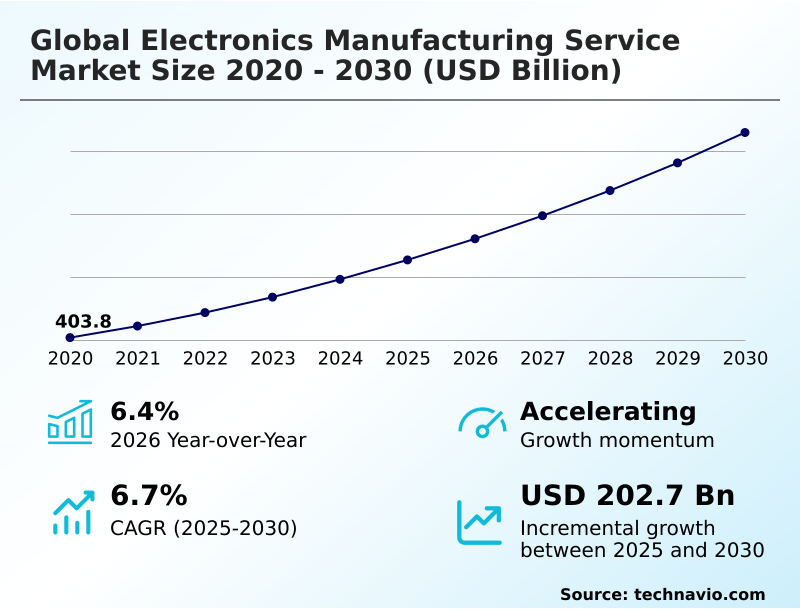
The electronics manufacturing service market size is valued to increase by USD 202.7 billion, at a CAGR of 6.7% from 2025 to 2030. Strategic proliferation of AI infrastructure and high-performance computing will drive the electronics manufacturing service market.
Major Market Trends & Insights
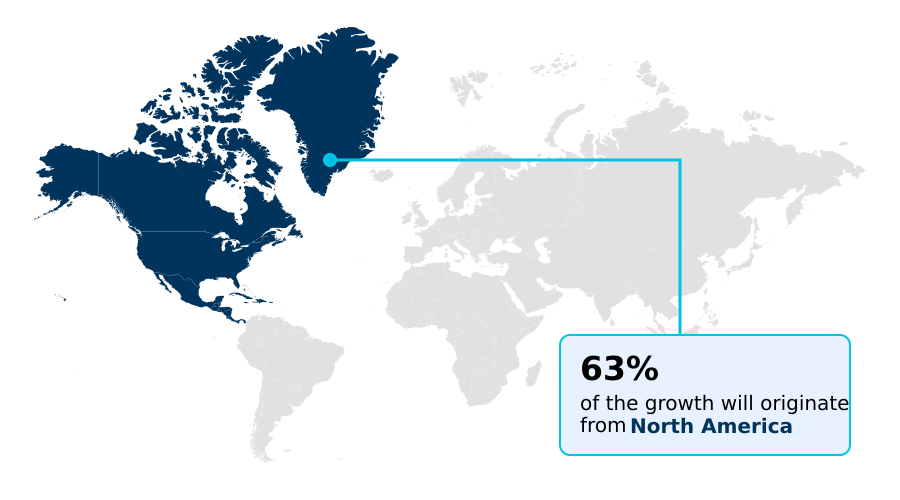
- APAC dominated the market and accounted for a 63% growth during the forecast period.
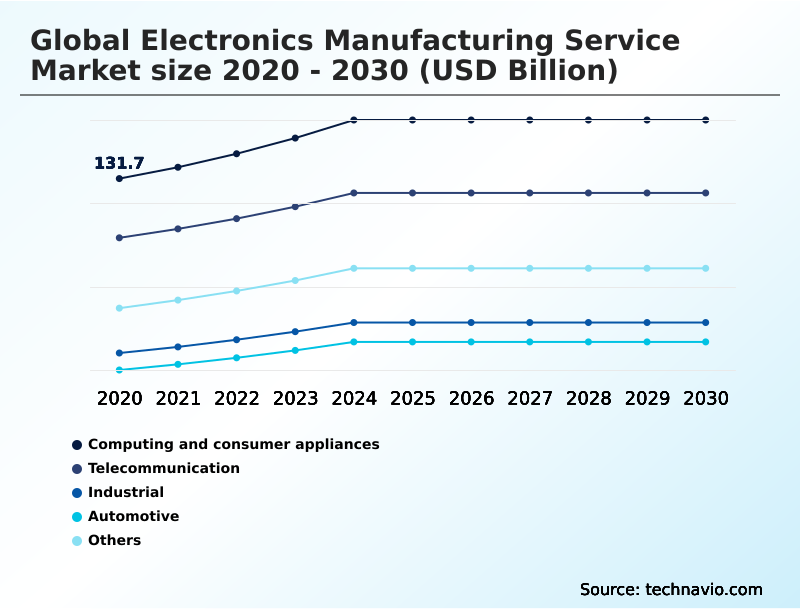
- By End-user - Computing and consumer appliances segment was valued at USD 158.6 billion in 2024
- By Service Type - Electronics design and engineering segment accounted for the largest market revenue share in 2024
Market Size & Forecast
- Market Opportunities: USD 326.3 billion
- Market Future Opportunities: USD 202.7 billion
- CAGR from 2025 to 2030 : 6.7%
Market Summary
- The Electronics Manufacturing Service acts as the critical backbone for modern technological deployment, transitioning original equipment manufacturers from internal production toward specialized external partnerships. This structural shift is propelled by the surging demand for artificial intelligence infrastructure, which necessitates highly controlled cleanroom environments and advanced thermal management solutions that legacy facilities cannot support.
- Consequently, businesses optimizing their supply chains are shifting toward regionalized nearshoring models, where localized assembly reduces component lead times by up to 25% compared to distant trans-Pacific routes. A major driver of the Electronics Manufacturing Service is the rapid electrification of the automotive sector, requiring specialized electronic control units and rigorous testing protocols.
- Conversely, the industry faces severe challenges from skilled labor shortages, which bottleneck the deployment of sophisticated processes like heterogeneous integration modules. By leveraging smart factory initiatives and robotic automation, assembly partners mitigate workforce constraints while maintaining the high reliability required for mission critical applications.
What will be the Size of the Electronics Manufacturing Service Market during the forecast period?
Get Key Insights on Market Forecast (PDF) Get Free Sample
How is the Electronics Manufacturing Service Market Segmented?
The electronics manufacturing service industry research report provides comprehensive data (region-wise segment analysis), with forecasts and estimates in "USD billion" for the period 2026-2030, as well as historical data from 2020-2024 for the following segments.
- End-user
- Computing and consumer appliances
- Telecommunication
- Industrial
- Automotive
- Others
- Service type
- Electronics design and engineering
- Electronics assembly
- Electronics manufacturing
- Others
- Technology
- Surface mount technology
- Advanced packaging or hybrid processes
- Through-hole technology
- Geography
- APAC
- China
- Japan
- South Korea
- India
- Vietnam
- Indonesia
- North America
- US
- Mexico
- Canada
- Europe
- Germany
- France
- UK
- Poland
- Czech Republic
- The Netherlands
- South America
- Brazil
- Argentina
- Chile
- Middle East and Africa
- UAE
- South Africa
- Israel
- Saudi Arabia
- Egypt
- APAC
By End-user Insights
The computing and consumer appliances segment is estimated to witness significant growth during the forecast period.
The computing and consumer appliances segment dictates substantial volume in the Electronics Manufacturing Service sector, driven by the rapid production of smart home devices and personal computers.
As original equipment manufacturers prioritize design, they increasingly outsource printed circuit board assembly and complex box build integration to specialized partners. The need for high performance computing hardware to support artificial intelligence applications necessitates sophisticated manufacturing capabilities.
Operational improvements are evident as facilities utilizing automated optical inspection report a 15% reduction in solder paste defects. Supply chain orchestration and component procurement strategies play a pivotal role in maintaining margins.
Firms adapt by implementing digital twin technology and predictive maintenance algorithms to optimize resource allocation. The integration of closed loop feedback ensures precision while balancing inventory carrying costs across the global network.
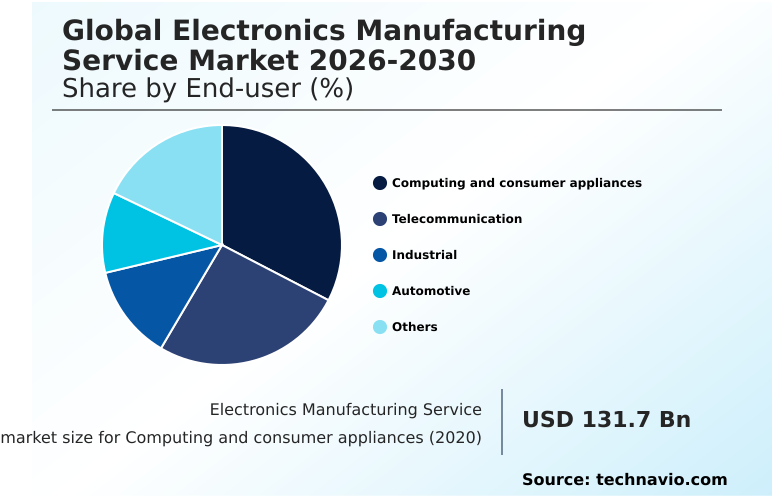
The Computing and consumer appliances segment was valued at USD 158.6 billion in 2024 and showed a gradual increase during the forecast period.
Regional Analysis
APAC is estimated to contribute 63% to the growth of the global market during the forecast period.Technavio’s analysts have elaborately explained the regional trends and drivers that shape the market during the forecast period.
See How Electronics Manufacturing Service Market Demand is Rising in APAC Get Free Sample
The geographic distribution of the Electronics Manufacturing Service highlights a distinct operational contrast between APAC and North America.
APAC maintains dominance through massive capacity, where the implementation of surface mount technology yields a 30% higher throughput compared to Western counterparts due to highly integrated local supply chains.
Conversely, North America prioritizes supply chain resilience, experiencing a 22% increase in localized advanced packaging and hybrid processes as firms actively mitigate geopolitical risks.
This regional divergence forces businesses to adapt; while APAC excels in scaling smart factory initiatives for rapid consumer device assembly, North America focuses on low-volume, high reliability outputs like advanced driver assistance systems.
Consequently, facilities integrating robotic soldering systems and real time data monitoring in nearshore environments achieve a 15% improvement in compliance alignment, ensuring secure, high performance computing deployments.
Market Dynamics
Our researchers analyzed the data with 2025 as the base year, along with the key drivers, trends, and challenges. A holistic analysis of drivers will help companies refine their marketing strategies to gain a competitive advantage.
- The modern Electronics Manufacturing Service relies heavily on continuous innovation to satisfy the rigorous demands of next generation digital infrastructure and consumer mobility. As facilities transition toward highly specialized operations, the integration of complex high density server assemblies becomes critical for supporting data intensive workloads.
- Managing the thermal output of these powerful systems requires the strategic deployment of liquid cooling solutions for servers, which effectively stabilizes operating temperatures and extends hardware longevity. Concurrently, the sector utilizes advanced packaging and hybrid processes to bypass traditional scaling limitations, enabling the creation of compact, high performance microelectronics.
- In the automotive sector, sophisticated vehicle electronics lifecycle management ensures that crucial safety and navigation components meet stringent regulatory standards from initial design through end of life recycling. By adopting automated quality assurance protocols, manufacturing partners achieve an error detection rate that is roughly 40% superior to legacy manual inspection methods, drastically reducing compliance risks and warranty claims.
- Meanwhile, the sheer scale of high volume consumer electronics manufacturing necessitates agile component procurement and flexible assembly lines to accommodate rapid product iterations. This delicate balance of extreme precision and massive scalability allows technology brands to continuously deploy reliable, cutting edge products while optimizing their overall supply chain expenditure.
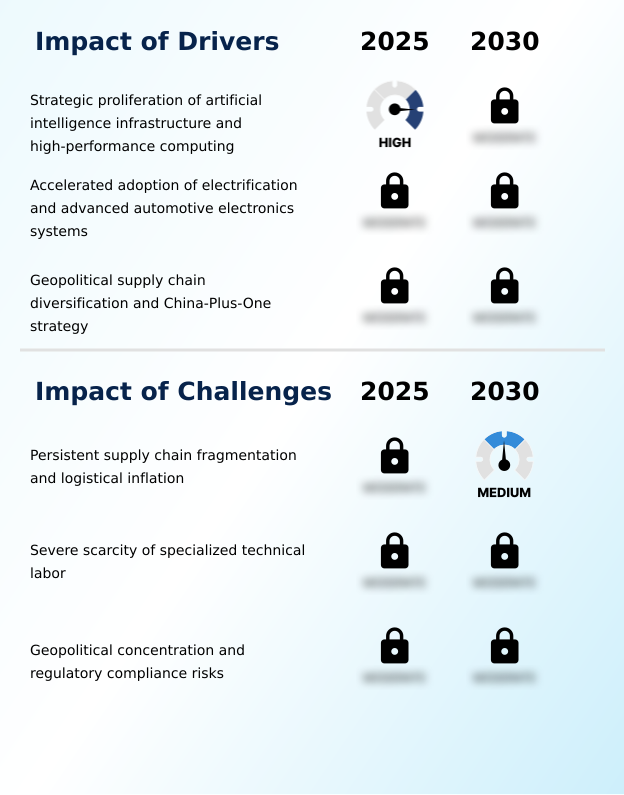
What are the key market drivers leading to the rise in the adoption of Electronics Manufacturing Service Industry?
- The strategic proliferation of artificial intelligence infrastructure and high performance computing acts as a primary catalyst accelerating global manufacturing demand.
- The exponential demand for artificial intelligence hardware and vehicle electrification acts as the primary catalyst propelling the Electronics Manufacturing Service.
- Original equipment manufacturers are increasingly outsourcing production because legacy in-house lines cannot accommodate the rigorous requirements of battery management systems, radio frequency modules, and power conversion electronics.
- This structural realignment forces reliance on specialized partners capable of executing flawless printed circuit board assembly at scale.
- By leveraging specialized external facilities, automotive and tech firms have reduced component lead times by 18% and lowered overall energy consumption during fabrication by 12%.
- This shift impacts businesses by converting fixed manufacturing overhead into variable costs, allowing aggressive capital reallocation toward core research. Ultimately, the necessity for robust electronic control units and structural realignment strategies ensures that contract manufacturing remains indispensable.
What are the market trends shaping the Electronics Manufacturing Service Industry?
- The proliferation of artificial intelligence and advanced data infrastructure demand represents a significant upcoming trend. This structural shift necessitates highly specialized hardware and robust cooling capabilities.
- A defining trend reshaping the Electronics Manufacturing Service is the rapid integration of artificial intelligence into the fabrication environment to escape the zero sum competition of legacy assembly. As product lifecycles shorten, facilities are deploying predictive maintenance algorithms and automated guided vehicles to eliminate production bottlenecks.
- This shift is driven by the urgent need to manage complex bills of materials and thermal management solutions without expanding human headcount. Consequently, assembly lines utilizing advanced machine learning for defect detection experience a 35% reduction in unplanned downtime and a 20% improvement in resource allocation accuracy compared to traditional setups.
- By adopting smart factory initiatives, manufacturers transition from reactive to proactive operations. This technological evolution allows businesses to seamlessly execute complex box build integration while maintaining stringent quality control, ultimately accelerating hardware deployment.
What challenges does the Electronics Manufacturing Service Industry face during its growth?
- Persistent supply chain fragmentation and severe logistical inflation constitute major barriers constraining industry expansion and operational profitability.
- Severe supply chain fragmentation and acute technical labor shortages present formidable operational challenges within the Electronics Manufacturing Service. As geopolitical tensions force companies to diversify their manufacturing footprints, managing cross border logistics and securing clean room capacity has become exceedingly complex.
- This geographical dispersion disrupts traditional models, leading to a 25% inflation in inventory carrying costs and a 15% increase in administrative overhead for multi-region coordination. The scarcity of specialized engineers capable of handling through hole technology and high density interconnects directly bottlenecks production scaling.
- Consequently, businesses are forced to absorb higher wage expenditures and deploy agentic artificial intelligence to compensate for the human capital deficit, restricting their ability to fully capitalize on the surging demand for advanced hardware platforms.
Exclusive Technavio Analysis on Customer Landscape
The electronics manufacturing service market forecasting report includes the adoption lifecycle of the market, covering from the innovator’s stage to the laggard’s stage. It focuses on adoption rates in different regions based on penetration. Furthermore, the electronics manufacturing service market report also includes key purchase criteria and drivers of price sensitivity to help companies evaluate and develop their market growth analysis strategies.
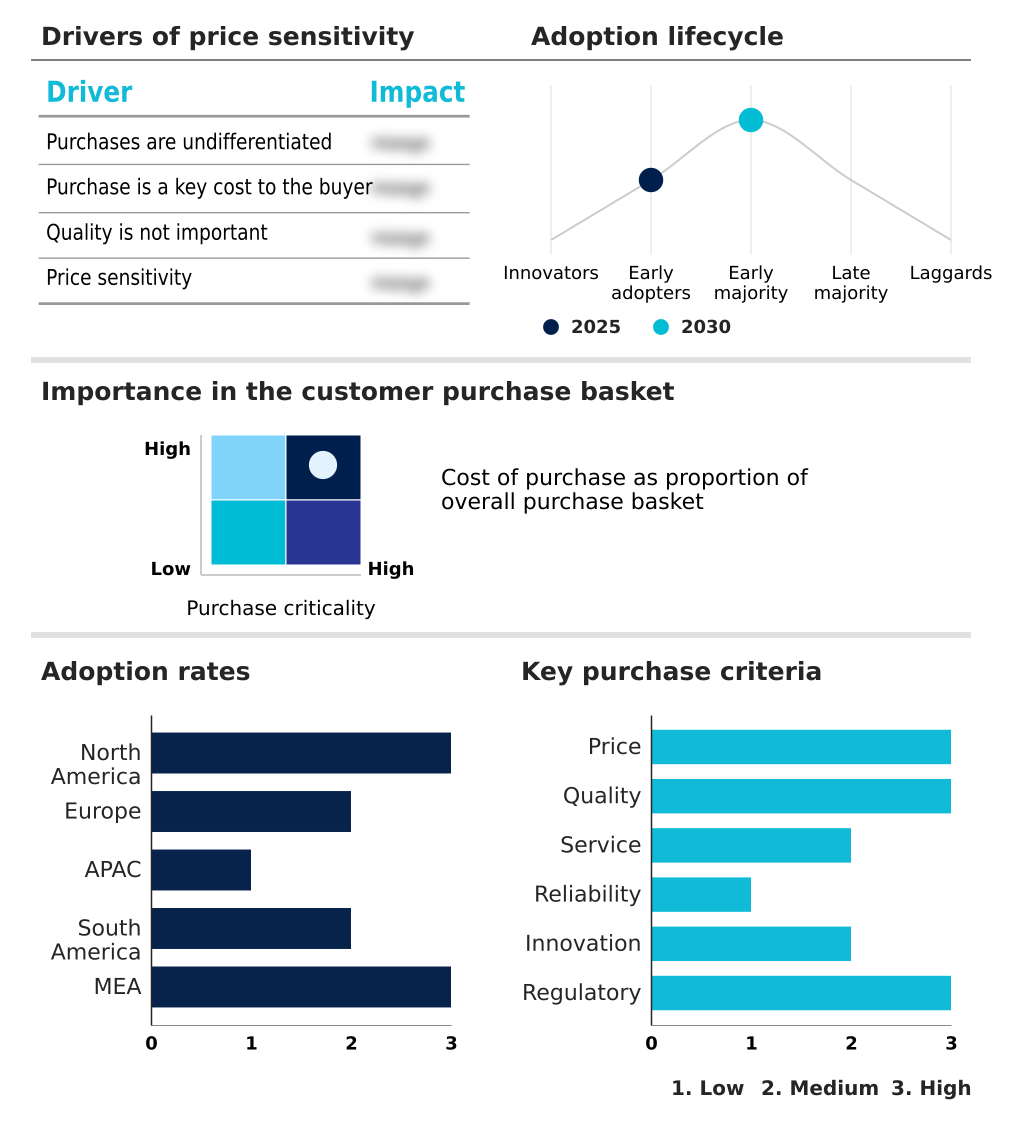
Customer Landscape of Electronics Manufacturing Service Industry
Competitive Landscape
Companies are implementing various strategies, such as strategic alliances, electronics manufacturing service market forecast, partnerships, mergers and acquisitions, geographical expansion, and product/service launches, to enhance their presence in the industry.
Asteelflash Group - The unified service portfolio delivers end to end printed circuit board assembly, subsystem integration, and comprehensive lifecycle manufacturing solutions engineered for highly regulated aerospace, medical, and industrial sectors.
The industry research and growth report includes detailed analyses of the competitive landscape of the market and information about key companies, including:
- Asteelflash Group
- Benchmark Electronics Inc.
- BYD Co. Ltd.
- Celestica Inc.
- Compal Electronics Inc.
- Fabrinet Co Ltd.
- Flex Ltd.
- Hon Hai Precision Ltd.
- Jabil Inc.
- Luxshare Precision Co. Ltd.
- MiTAC Holdings Corp.
- Pegatron Corp.
- Plexus Corp.
- Qisda Corp.
- Quanta Computer Inc.
- Sanmina Corp.
- Shenzhen Kaifa Technology Co.
- USI Insurance Services
- Venture Corp. Ltd.
- Wistron Corp.
Qualitative and quantitative analysis of companies has been conducted to help clients understand the wider business environment as well as the strengths and weaknesses of key industry players. Data is qualitatively analyzed to categorize companies as pure play, category-focused, industry-focused, and diversified; it is quantitatively analyzed to categorize companies as dominant, leading, strong, tentative, and weak.
Recent Development and News in Electronics manufacturing service market
- In the Diversified Support Services industry, the strategic transition toward outsourced facility management has optimized operational expenditure, directly impacting Electronics Manufacturing Service demand by allowing technology firms to reallocate capital toward core research and high density interconnects engineering.
- The widespread adoption of agentic artificial intelligence for vendor evaluation and automated quality control has streamlined complex procurement networks, directly impacting Electronics Manufacturing Service efficiency by reducing cross border logistics delays and enhancing hardware lifecycle management.
- Stringent circular economy principles and e-waste management regulations have forced rapid structural realignment strategies across industrial maintenance portfolios, directly impacting Electronics Manufacturing Service compliance by accelerating the need for sustainable green manufacturing and reverse logistics management.
- The deployment of advanced regionalized production hubs and localized production footprints to mitigate geopolitical trade risks has restructured global supply chains, directly impacting Electronics Manufacturing Service capacity by driving demand for nearshoring manufacturing solutions and localized clean room capacity.
Dive into Technavio’s robust research methodology, blending expert interviews, extensive data synthesis, and validated models for unparalleled Electronics Manufacturing Service Market insights. See full methodology.
| Market Scope | |
|---|---|
| Page number | 310 |
| Base year | 2025 |
| Historic period | 2020-2024 |
| Forecast period | 2026-2030 |
| Growth momentum & CAGR | Accelerate at a CAGR of 6.7% |
| Market growth 2026-2030 | USD 202.7 billion |
| Market structure | Fragmented |
| YoY growth 2025-2026(%) | 6.4% |
| Key countries | China, Japan, South Korea, India, Vietnam, Indonesia, US, Mexico, Canada, Germany, France, UK, Poland, Czech Republic, The Netherlands, Brazil, Argentina, Chile, UAE, South Africa, Israel, Saudi Arabia and Egypt |
| Competitive landscape | Leading Companies, Market Positioning of Companies, Competitive Strategies, and Industry Risks |
Research Analyst Overview
- The Electronics Manufacturing Service is undergoing a fundamental transformation as technological complexity outpaces the internal capabilities of traditional brands. Boardrooms are increasingly pivoting their capital expenditure strategies toward outsourcing, prioritizing partnerships that offer design for manufacturability and robust signal integrity testing. This strategic shift directly mitigates the risks associated with volatile component availability and stringent regulatory mandates.
- By leveraging external expertise in advanced packaging processes and flip chip packaging, companies successfully compress their new product introduction cycles. Facilities implementing sophisticated predictive maintenance algorithms report a 25% improvement in overall equipment effectiveness compared to those relying on reactive maintenance protocols. Furthermore, the integration of heterogeneous integration modules provides the necessary computational density for modern telecommunications and automotive applications.
- Securing access to specialized printed circuit boards through established contract manufacturers allows technology firms to bypass the intense capital requirements of cleanroom construction, effectively reallocating resources toward core software and brand development while ensuring hardware reliability remains uncompromised.
What are the Key Data Covered in this Electronics Manufacturing Service Market Research and Growth Report?
-
What is the expected growth of the Electronics Manufacturing Service Market between 2026 and 2030?
-
USD 202.7 billion, at a CAGR of 6.7%
-
-
What segmentation does the market report cover?
-
The report is segmented by End-user (Computing and consumer appliances, Telecommunication, Industrial, Automotive, and Others), Service Type (Electronics design and engineering, Electronics assembly, Electronics manufacturing, and Others), Technology (Surface mount technology, Advanced packaging or hybrid processes, and Through-hole technology) and Geography (APAC, North America, Europe, South America, Middle East and Africa)
-
-
Which regions are analyzed in the report?
-
APAC, North America, Europe, South America and Middle East and Africa
-
-
What are the key growth drivers and market challenges?
-
Strategic proliferation of AI infrastructure and high-performance computing, Persistent supply chain fragmentation and logistical inflation
-
-
Who are the major players in the Electronics Manufacturing Service Market?
-
Asteelflash Group, Benchmark Electronics Inc., BYD Co. Ltd., Celestica Inc., Compal Electronics Inc., Fabrinet Co Ltd., Flex Ltd., Hon Hai Precision Ltd., Jabil Inc., Luxshare Precision Co. Ltd., MiTAC Holdings Corp., Pegatron Corp., Plexus Corp., Qisda Corp., Quanta Computer Inc., Sanmina Corp., Shenzhen Kaifa Technology Co., USI Insurance Services, Venture Corp. Ltd. and Wistron Corp.
-
Market Research Insights
- The Electronics Manufacturing Service sector is evolving rapidly to support intricate digital architectures and automotive transformations. Firms deploying environmental stress testing and electromagnetic compatibility testing report a 20% reduction in post production failure rates, securing higher reliability for mission critical deployments.
- Furthermore, integrating advanced substrate materials into daily operations has improved thermal efficiency by 18%, optimizing power consumption across server racks. By embracing high mix low volume production strategies, service providers can adapt swiftly to fluctuating market demands.
- This flexibility, coupled with strategic original equipment manufacturers partnerships, ensures operational resilience while driving long term compliance alignment and measurable cost reductions across fragmented supply networks.
We can help! Our analysts can customize this electronics manufacturing service market research report to meet your requirements.
 RIA -

