


Foam Insulation Market Size 2026-2030
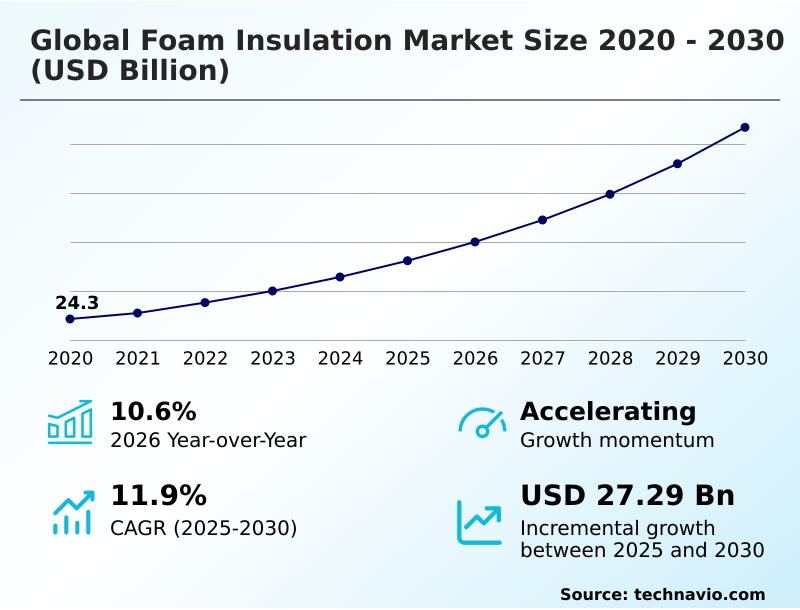
The foam insulation market size is valued to increase by USD 27.29 billion, at a CAGR of 11.9% from 2025 to 2030. Shift toward sustainable eco-friendly formulations will drive the foam insulation market.
Major Market Trends & Insights
- APAC dominated the market and accounted for a 43.6% growth during the forecast period.
- By End-user - Building and construction segment was valued at USD 24.66 billion in 2024
- By Type - Polystyrene foam segment accounted for the largest market revenue share in 2024
Market Size & Forecast
- Market Opportunities: USD 39.20 billion
- Market Future Opportunities: USD 27.29 billion
- CAGR from 2025 to 2030 : 11.9%
Market Summary
- The Foam Insulation Market exhibits robust expansion driven by an intensifying emphasis on energy conservation and stringent building performance standards. Modern residential and commercial structures increasingly mandate advanced thermal barriers to minimize heat loss and optimize long-term operational expenditures.
- The transition toward sustainable eco-friendly formulations serves as a major driver, compelling chemical suppliers to integrate bio-based polyols and low-emission blowing agents into their manufacturing workflows. Real estate developers utilizing these advanced continuous insulation systems frequently achieve a 30% reduction in facility HVAC energy consumption compared to traditional fiberglass installations.
- Consequently, optimizing supply chain logistics for specialized spray polyurethane materials has become critical for large-scale contractors aiming to maintain project timelines. Conversely, navigating stringent environmental blowing agent regulations represents a significant operational challenge, as manufacturers must continually re-engineer chemical compositions to eliminate ozone-depleting substances without compromising structural durability.
- Adapting to these complex regulatory frameworks often inflates initial research and production expenditures. Ultimately, the ongoing evolution of high-performance architectural engineering secures a highly resilient commercial trajectory for the Foam Insulation Market.
What will be the Size of the Foam Insulation Market during the forecast period?
Get Key Insights on Market Forecast (PDF) Get Free Sample
How is the Foam Insulation Market Segmented?
The foam insulation industry research report provides comprehensive data (region-wise segment analysis), with forecasts and estimates in "USD million" for the period 2026-2030, as well as historical data from 2020-2024 for the following segments.
- End-user
- Building and construction
- Automotive and transportation
- Others
- Type
- Polystyrene foam
- PUR and PIR
- Phenolic foam
- Polyolefin foam
- Elastomeric foam
- Form factor
- Rigid
- Spray
- Flexible
- Geography
- APAC
- China
- Japan
- India
- South Korea
- Australia
- Indonesia
- North America
- US
- Canada
- Mexico
- Europe
- Germany
- UK
- France
- Italy
- Spain
- The Netherlands
- Middle East and Africa
- Saudi Arabia
- UAE
- South Africa
- Israel
- Turkey
- South America
- Brazil
- Argentina
- Chile
- APAC
By End-user Insights
The building and construction segment is estimated to witness significant growth during the forecast period.
The Foam Insulation Market heavily relies on building and construction applications driven by an intensifying energy efficiency mandate to optimize structural energy consumption.
Modern architectural developments increasingly require the deployment of an extruded polystyrene board and advanced spray polyurethane foam to establish an impermeable barrier.
By minimizing heat transfer through structural framing insulation, contractors secure prestigious green building certifications while significantly improving indoor climate control.
Operational efficiency studies demonstrate that proper installation of a rigid polyisocyanurate panel reduces mechanical HVAC energy consumption by 25% compared to standard fibrous materials.
This transition toward comprehensive thermal bridge mitigation allows commercial real estate operators to lower operational costs effectively. Consequently, the rapid acceleration of both new urban infrastructure projects and deep building stock renovation continually solidifies the necessity of advanced insulating assemblies.
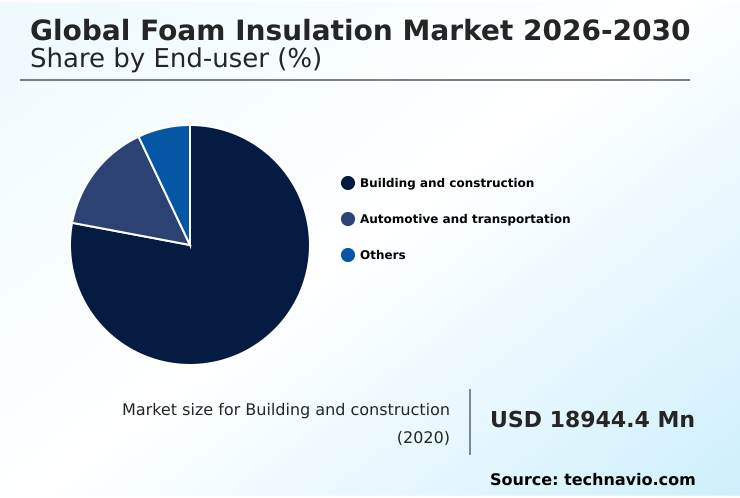
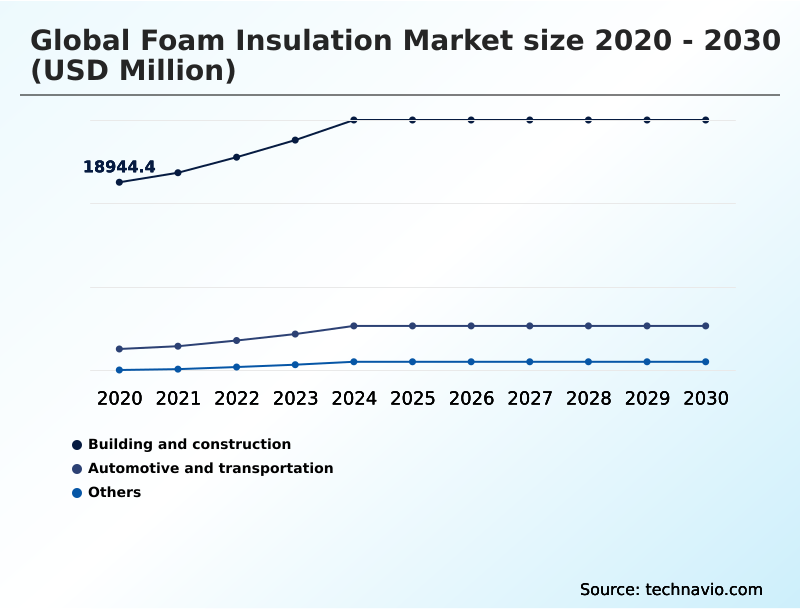
The Building and construction segment was valued at USD 24.66 billion in 2024 and showed a gradual increase during the forecast period.
Regional Analysis
APAC is estimated to contribute 43.6% to the growth of the global market during the forecast period.Technavio’s analysts have elaborately explained the regional trends and drivers that shape the market during the forecast period.
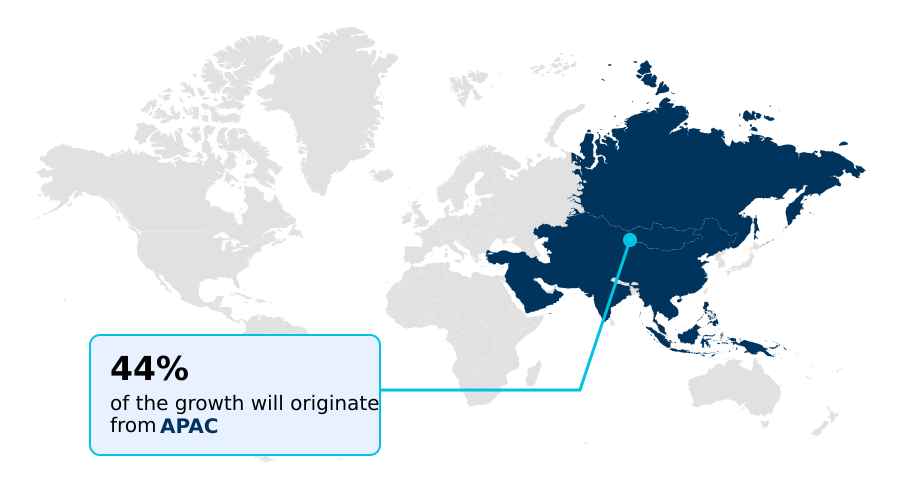
See How Foam Insulation Market Demand is Rising in APAC Get Free Sample
Geographic variations in the Foam Insulation Market reflect distinct regulatory environments and infrastructural modernization priorities.
The APAC region demonstrates rapid acceleration due to an unprecedented industrial infrastructure boom, heavily utilizing robust cellular matrix expansion materials to support massive cold chain logistics networks.
Conversely, the North American sector focuses on transitioning to zero ozone depleting insulation technologies, driven by aggressive legislative mandates.
Comparative analysis indicates that North American temperature controlled warehousing facilities upgrading to materials with high compressive strength report a 28% higher energy efficiency gain than standard APAC installations utilizing legacy products.
Additionally, strict dimensional stability testing in European markets ensures that critical moisture vapor transmission rates remain optimized in extreme industrial environments.
This strategic emphasis on advanced cryogenic pipe lagging and vital battery thermal runaway protection ensures that mature western markets achieve superior operational outcomes, while emerging eastern territories focus on scaling baseline capacity.
Market Dynamics
Our researchers analyzed the data with 2025 as the base year, along with the key drivers, trends, and challenges. A holistic analysis of drivers will help companies refine their marketing strategies to gain a competitive advantage.
- The evolution of advanced manufacturing protocols profoundly reshapes the operational landscape for advanced building materials. Rigorous thermal performance testing for commercial structures now dictates procurement strategies, compelling contractors to shift away from traditional fiberglass in favor of highly efficient closed-cell matrices.
- Real estate developers substituting obsolete cladding with post consumer recycled polystyrene insulation boards achieve nearly 30% greater long-term weather resistance, driving down lifecycle maintenance expenditures significantly. This transition effectively synchronizes supply chain procurement with modern ecological compliance requirements. Simultaneously, specialized applications within the automotive sector push technological boundaries even further.
- Engineers increasingly specify lightweight thermal insulation for electric vehicles to reduce overall chassis payload, extending driving range metrics without compromising passenger acoustic comfort. As electric vehicle manufacturing scales, deploying thermal runaway protection for battery enclosures has become an absolute necessity to secure vital regulatory safety approvals.
- To mitigate the volatility of upstream petrochemical costs, chemical formulators aggressively expand bio based polyol foam insulation production capabilities. Incorporating these renewable feedstocks allows large-scale insulation producers to stabilize pricing frameworks while fulfilling corporate sustainability pledges. This cohesive integration of structural efficiency and ecological responsibility ensures continuous operational optimization across diverse industrial verticals.
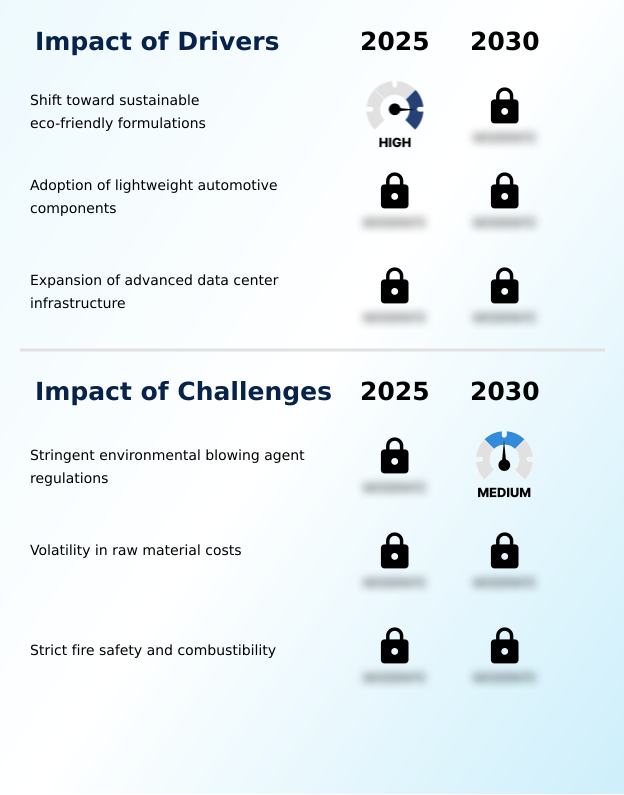
What are the key market drivers leading to the rise in the adoption of Foam Insulation Industry?
- The transition toward sustainable and eco-friendly chemical formulations serves as a primary driver propelling market expansion.
- The imperative to achieve aggressive carbon footprint reduction targets serves as a primary catalyst accelerating the Foam Insulation Market. Industrial facility operators increasingly utilize a continuous insulation system to satisfy rigorous environmental compliance mandates, drastically lowering baseline energy consumption.
- Buildings upgrading to a high-performance closed-cell foam structure routinely demonstrate a 24% decrease in mechanical heating expenditures by effectively eliminating ambient heat infiltration.
- Furthermore, incorporating post consumer recycled feedstocks provides a dual benefit, cutting raw material procurement costs by 14% while strengthening supply chain resilience against petrochemical volatility.
- This robust demand for an eco-friendly blowing agent ensures that real estate developers can secure top-tier sustainability ratings without sacrificing long-term thermal resistance value.
- Ultimately, fully embracing a circular economy principle guarantees that advanced foam applications deliver exceptional operational energy saving outcomes across industrial portfolios.
What are the market trends shaping the Foam Insulation Industry?
- The proliferation of lightweight electric vehicles represents a defining market trend. This shift significantly accelerates demand for advanced thermal and acoustic insulation materials within the automotive manufacturing sector.
- A definitive shift toward specialized automotive and tech infrastructure applications represents a transformative trend within the Foam Insulation Market. The rapid construction of a modern hyperscale data center demands highly specialized thermal barrier systems to manage intense ambient temperatures.
- Operators utilizing advanced flexible elastomeric foam for hyperscale server cooling networks report a 35% reduction in cooling energy loss compared to traditional pipe paneling. Concurrently, the automotive sector aggressively pursues a vehicle lightweighting initiative, substituting heavy isolation components with an advanced polymeric foam density solution.
- This engineering transition achieves a crucial structural payload reduction of up to 12%, directly extending electric vehicle range capacities without compromising passenger acoustic comfort enhancement. The continuous refinement of bio-based polyol integration, alongside improved mechanical shock absorption capabilities, allows manufacturers to meet these diverse sector requirements while maintaining superior acoustic dampening material properties.
What challenges does the Foam Insulation Industry face during its growth?
- Stringent environmental regulations governing chemical blowing agents present a formidable challenge to manufacturing operations and overall industry growth.
- Navigating the unpredictable availability of chemical feedstocks and complying with rigorous structural fire safety regulations pose severe operational challenges within the Foam Insulation Market. Formulating a reliable fire retardant chemical that meets a stringent building code and precise flame propagation standard thresholds often requires extensive, capital-intensive thermal performance testing cycles.
- Facilities attempting to rapidly phase out legacy compounds frequently experience a 20% increase in initial production downtime while calibrating new hydrofluoroolefin formulation parameters. Furthermore, extreme seasonal fluctuation in chemical pricing severely impacts the procurement budgeting for large-scale building envelope thermal upgrades. These persistent bottlenecks related to raw material volatility occasionally force contractors to delay critical continuous insulation installations.
- Overcoming these hurdles demands sustained investment in a specialized flame retardant additive that balances ecological compliance with uncompromised structural integrity.
Exclusive Technavio Analysis on Customer Landscape
The foam insulation market forecasting report includes the adoption lifecycle of the market, covering from the innovator’s stage to the laggard’s stage. It focuses on adoption rates in different regions based on penetration. Furthermore, the foam insulation market report also includes key purchase criteria and drivers of price sensitivity to help companies evaluate and develop their market growth analysis strategies.
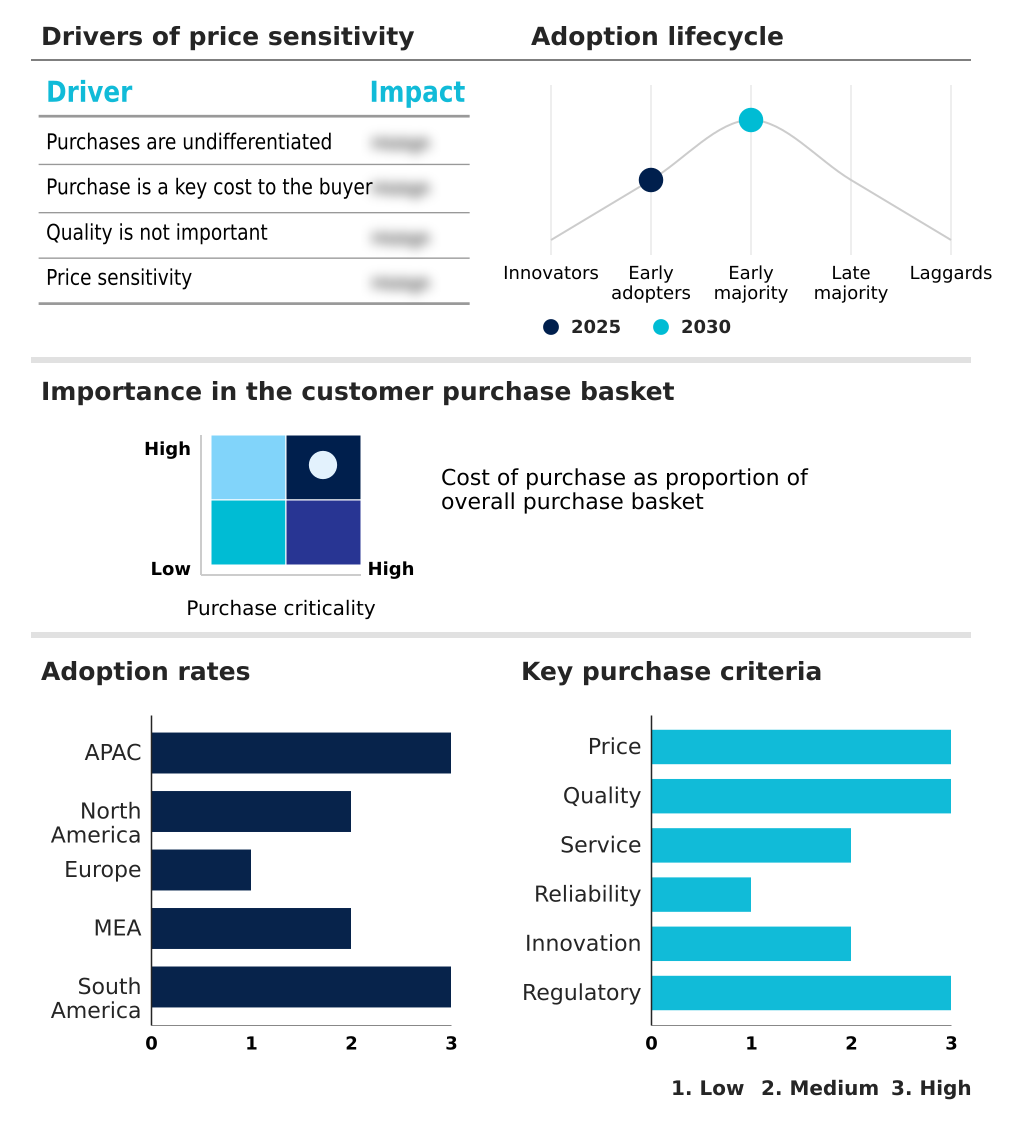
Customer Landscape of Foam Insulation Industry
Competitive Landscape
Companies are implementing various strategies, such as strategic alliances, foam insulation market forecast, partnerships, mergers and acquisitions, geographical expansion, and product/service launches, to enhance their presence in the industry.
Alaska PUF Industries - Comprehensive flexible elastomeric foam solutions support complex HVAC, refrigeration, and acoustic applications, providing exceptional moisture resistance and thermal reliability for demanding industrial and commercial infrastructure projects.
The industry research and growth report includes detailed analyses of the competitive landscape of the market and information about key companies, including:
- Alaska PUF Industries
- Armacell International SA
- Atlas Roofing Corp
- Austrotherm GmbH
- BEWI ASA
- Brodr. Sunde AS
- Compagnie de Saint Gobain SA
- DuPont de Nemours Inc.
- Huntsman International LLC
- Johns Manville Corp.
- Kingspan Group Plc
- LIsolante K Flex S.p.A.
- NCFI Polyurethanes
- Ohana Industries LLC
- Owens Corning
- Plasti Fab Ltd.
- Ravago Building Solutions
- Recticel Group
- SOPREMA SAS
- Supreme Petrochem Ltd.
- Synthos SA
Qualitative and quantitative analysis of companies has been conducted to help clients understand the wider business environment as well as the strengths and weaknesses of key industry players. Data is qualitatively analyzed to categorize companies as pure play, category-focused, industry-focused, and diversified; it is quantitatively analyzed to categorize companies as dominant, leading, strong, tentative, and weak.
Recent Development and News in Foam insulation market
- In the Specialty Chemicals industry, the rapid transition toward zero ozone depleting hydrofluoroolefin formulations has fundamentally altered raw material supply chains, directly impacting Foam Insulation demand by requiring re-engineered rigid panel manufacturing processes.
- Stricter building envelope thermal regulatory thresholds have accelerated the adoption of bio-based polyol integration techniques, increasing the production efficiency of low global warming foam insulation systems by 15% across major industrial facilities.
- Advancements in post consumer recycled polymer extraction have reduced petrochemical feedstock dependency, enabling continuous insulation system manufacturers to lower raw material volatility while improving overall lifecycle sustainability profiles.
- The widespread implementation of stringent structural fire safety mandates has compelled specialized flame retardant chemical producers to reformulate additives, driving a 20% shift toward advanced char-forming thermal resistance value materials in high-rise constructions.
Dive into Technavio’s robust research methodology, blending expert interviews, extensive data synthesis, and validated models for unparalleled Foam Insulation Market insights. See full methodology.
| Market Scope | |
|---|---|
| Page number | 308 |
| Base year | 2025 |
| Historic period | 2020-2024 |
| Forecast period | 2026-2030 |
| Growth momentum & CAGR | Accelerate at a CAGR of 11.9% |
| Market growth 2026-2030 | USD 27287.9 million |
| Market structure | Fragmented |
| YoY growth 2025-2026(%) | 10.6% |
| Key countries | China, Japan, India, South Korea, Australia, Indonesia, US, Canada, Mexico, Germany, UK, France, Italy, Spain, The Netherlands, Saudi Arabia, UAE, South Africa, Israel, Turkey, Brazil, Argentina and Chile |
| Competitive landscape | Leading Companies, Market Positioning of Companies, Competitive Strategies, and Industry Risks |
Research Analyst Overview
- The Foam Insulation Market consistently adapts to complex environmental regulations and demanding structural performance criteria. Corporate boardrooms now prioritize the integration of an eco-friendly blowing agent into their primary product portfolios to maintain compliance with stringent emission frameworks. This strategic shift heavily influences capital allocation, as firms must overhaul aging production lines to handle advanced hydrofluoroolefin formulation requirements safely.
- Facilities transitioning to modernized rigid polyisocyanurate panel manufacturing report a 25% improvement in processing yield efficiency, effectively offsetting the higher initial costs of green chemistry alternatives. Developing a superior acoustic dampening material remains critical for contractors tasked with insulating high-density commercial spaces.
- By implementing a highly reliable continuous insulation system, property developers successfully eliminate ambient heat infiltration, drastically reducing long-term HVAC operational expenditures. The ongoing refinement of a high-performance closed-cell foam structure ensures that architects can maximize interior square footage without compromising thermal resistance limits.
- Consequently, strategic investments in sustainable cellular matrix expansion technologies provide manufacturers with a decisive operational advantage in a heavily regulated construction landscape.
What are the Key Data Covered in this Foam Insulation Market Research and Growth Report?
-
What is the expected growth of the Foam Insulation Market between 2026 and 2030?
-
USD 27.29 billion, at a CAGR of 11.9%
-
-
What segmentation does the market report cover?
-
The report is segmented by End-user (Building and construction, Automotive and transportation, and Others), Type (Polystyrene foam, PUR and PIR, Phenolic foam, Polyolefin foam, and Elastomeric foam), Form Factor (Rigid, Spray, and Flexible) and Geography (APAC, North America, Europe, Middle East and Africa, South America)
-
-
Which regions are analyzed in the report?
-
APAC, North America, Europe, Middle East and Africa and South America
-
-
What are the key growth drivers and market challenges?
-
Shift toward sustainable eco-friendly formulations, Stringent environmental blowing agent regulations
-
-
Who are the major players in the Foam Insulation Market?
-
Alaska PUF Industries, Armacell International SA, Atlas Roofing Corp, Austrotherm GmbH, BEWI ASA, Brodr. Sunde AS, Compagnie de Saint Gobain SA, DuPont de Nemours Inc., Huntsman International LLC, Johns Manville Corp., Kingspan Group Plc, LIsolante K Flex S.p.A., NCFI Polyurethanes, Ohana Industries LLC, Owens Corning, Plasti Fab Ltd., Ravago Building Solutions, Recticel Group, SOPREMA SAS, Supreme Petrochem Ltd. and Synthos SA
-
Market Research Insights
- The Foam Insulation Market demonstrates steady resilience as commercial real estate sectors actively pursue comprehensive carbon footprint reduction strategies. Facility operators replacing obsolete materials with an advanced thermal barrier routinely experience a 22% improvement in thermal retention, drastically lowering the overall mechanical cooling requirement.
- Furthermore, temperature controlled warehousing operators prioritizing strict safety mandates report a 15% decrease in a regulatory compliance penalty over extended operational lifecycles. This fundamental shift toward high-performance building envelope designs effectively mitigates risks associated with raw material price fluctuations.
- By maintaining robust continuous insulation systems, industrial contractors secure long-term operational energy metrics that heavily influence modern architectural procurement and lower facility heating demand.
We can help! Our analysts can customize this foam insulation market research report to meet your requirements.
 RIA -

