

Foundation Repair Service Market Size 2026-2030
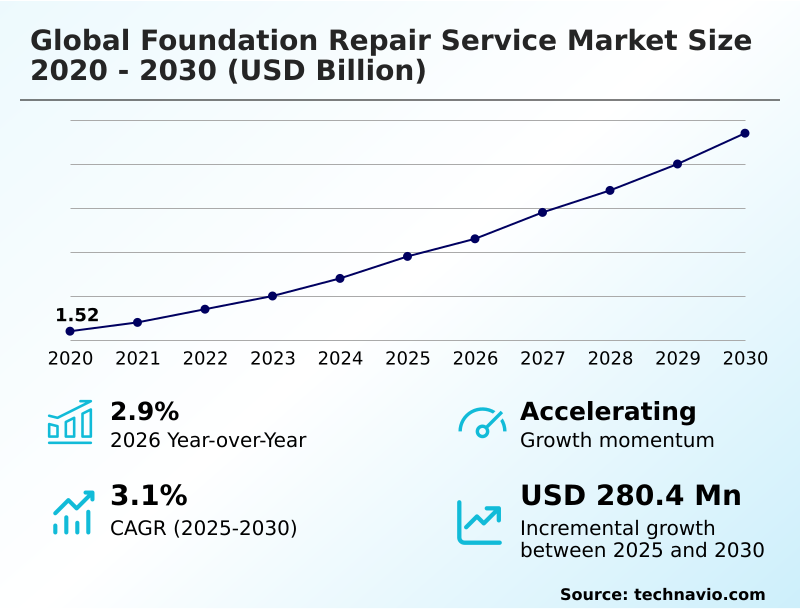
The foundation repair service market size is valued to increase by USD 280.4 million, at a CAGR of 3.1% from 2025 to 2030. Increasing residential foundation distress linked to soil movement and extreme weather conditions will drive the foundation repair service market.
Major Market Trends & Insights
- North America dominated the market and accounted for a 53.2% growth during the forecast period.
- By End-user - Residential segment was valued at USD 1.20 billion in 2024
- By Type - Settlement repair segment accounted for the largest market revenue share in 2024
Market Size & Forecast
- Market Opportunities: USD 441.8 million
- Market Future Opportunities: USD 280.4 million
- CAGR from 2025 to 2030 : 3.1%
Market Summary
- The Foundation Repair Service Market is experiencing a structural shift driven by the need to preserve aging infrastructure against intensifying environmental stressors. Shifting soil moisture levels and extreme weather conditions trigger widespread foundation distress, acting as a primary catalyst for increased stabilization and structural remediation services.
- To manage rising demand, service contractors are optimizing supply chain operations by adopting localized inventory hubs for steel piers and injection polymers, reducing project mobilization delays by 20% compared to centralized procurement models. This logistical refinement enables faster deployment during weather-induced settlement emergencies.
- However, the sector faces a critical constraint due to skilled labor shortages and an aging workforce, which restrict operational capacity and extend project timelines. Modernizing diagnostic capabilities allows companies to deploy resources more efficiently. Automated structural assessments and data-driven moisture mapping provide precise intervention targets, minimizing unnecessary excavation.
- The increasing focus on asset preservation forces property managers to prioritize proactive structural maintenance over reactive reconstruction, fundamentally altering service delivery frameworks.
What will be the Size of the Foundation Repair Service Market during the forecast period?
Get Key Insights on Market Forecast (PDF) Get Free Sample
How is the Foundation Repair Service Market Segmented?
The foundation repair service industry research report provides comprehensive data (region-wise segment analysis), with forecasts and estimates in "USD million" for the period 2026-2030, as well as historical data from 2020-2024 for the following segments.
- End-user
- Residential
- Commercial
- Type
- Settlement repair
- Wall repair
- Chimney repair
- Others
- Technique
- Underpinning
- Piering
- Slabjacking
- Wall anchors
- Others
- Geography
- North America
- US
- Canada
- Mexico
- Europe
- Germany
- UK
- France
- Italy
- Spain
- The Netherlands
- APAC
- China
- Japan
- India
- South Korea
- Australia
- Indonesia
- South America
- Brazil
- Argentina
- Chile
- Middle East and Africa
- Saudi Arabia
- UAE
- South Africa
- Turkey
- Israel
- North America
By End-user Insights
The residential segment is estimated to witness significant growth during the forecast period.
The residential segment of the global foundation repair service market 2026-2030 requires specialized intervention to counteract shifting soil profiles and weather-induced degradation. Property operators are deploying resin injection consolidation to rapidly restore asset stability without extensive excavation.
Dynamic soil compaction techniques have reduced site preparation timelines by 25% compared to traditional trenching. Advancements in geopolymer ground improvement enhance load tolerance, ensuring long-term structural integrity preservation for aging housing stocks.
Contractors increasingly utilize micro-piling techniques in constrained suburban lots where heavy machinery access remains limited. Strict foundation tilt monitoring ensures accuracy during structural load capacity testing, validating repair efficacy.
Furthermore, structural crack stitching prevents moisture ingress, reducing secondary interior damage claims by 15%. Incorporating corrosion-resistant piering alongside geotextile membrane integration improves foundation durability, lowering recurring maintenance costs and protecting the core building envelope against volatile environmental conditions.
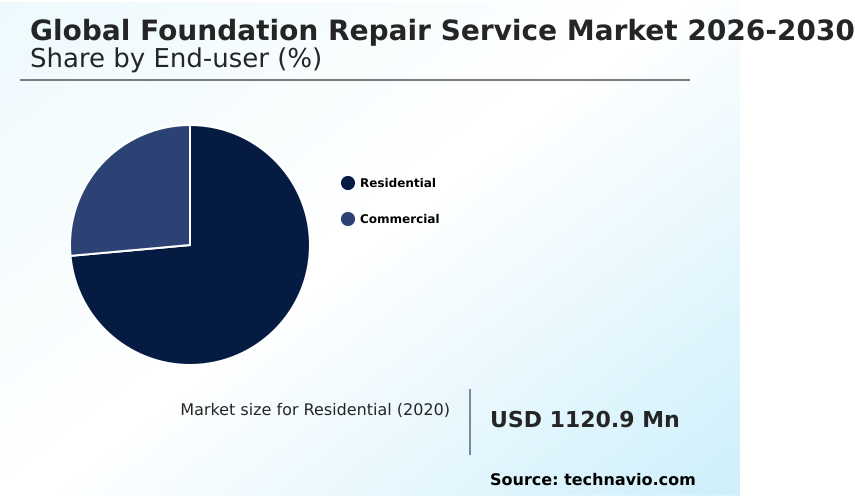
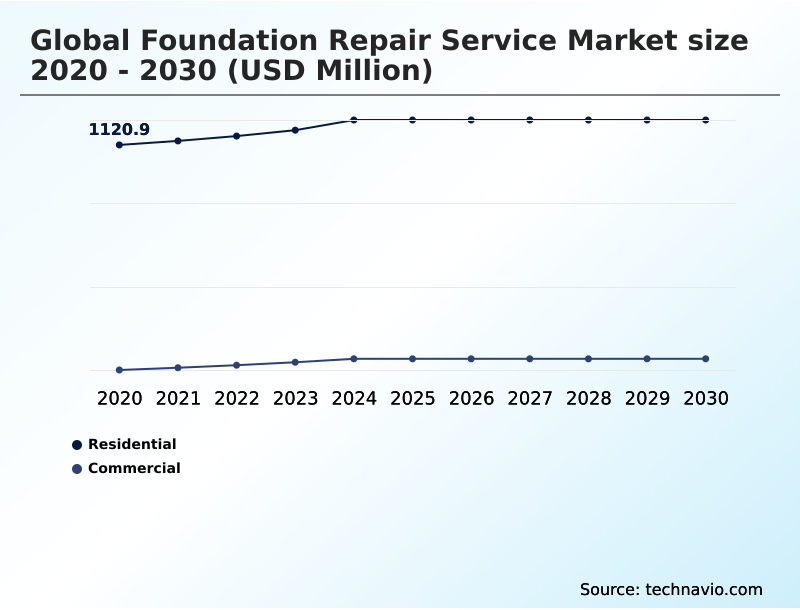
The Residential segment was valued at USD 1.20 billion in 2024 and showed a gradual increase during the forecast period.
Regional Analysis
North America is estimated to contribute 53.2% to the growth of the global market during the forecast period.Technavio’s analysts have elaborately explained the regional trends and drivers that shape the market during the forecast period.
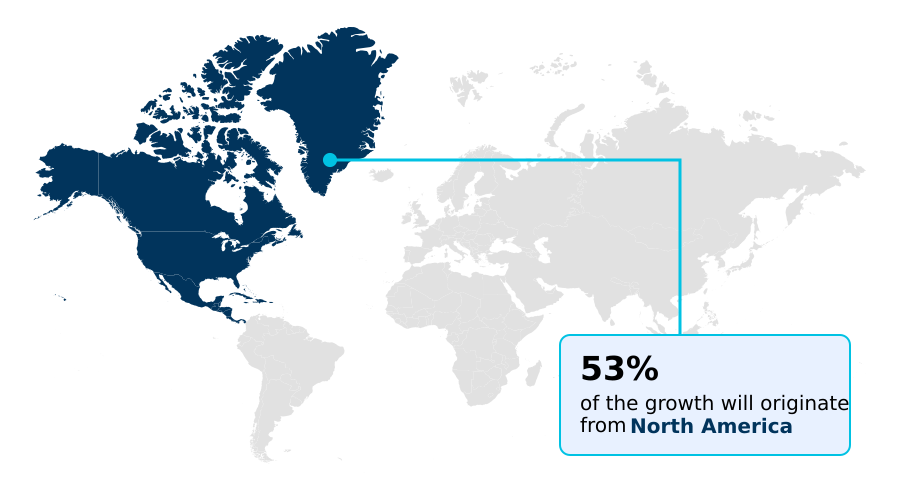
See How Foundation Repair Service Market Demand is Rising in North America Get Free Sample
The global foundation repair service market 2026-2030 demonstrates distinct operational variations between North America and Europe driven by geological factors and building stock profiles.
North America exhibits higher adoption of expansive clay remediation, experiencing a 25% higher frequency of structural failure prevention interventions compared to Europe due to extreme moisture fluctuations.
Property managers deploy subsurface drainage systems to manage hydrostatic pressure, decreasing water-induced deterioration by 18%. European operations prioritize load-bearing capacity enhancement for historical structures, utilizing strict foundation settlement monitoring protocols to preserve aging masonry.
Utilizing hydro-excavation clearance ensures safe digging around heritage utilities, while precise foundation heave correction stabilizes shifting ground. Integrating precise differential settlement correction methodologies improves structural load bearing assessment accuracy by 20% across European urban centers.
Meanwhile, North American contractors focus on sub-grade soil compaction to support modern residential developments. These geographic disparities force multinational providers to adapt their technical portfolios, balancing rapid stabilization demands with complex heritage preservation compliance requirements.
Market Dynamics
Our researchers analyzed the data with 2025 as the base year, along with the key drivers, trends, and challenges. A holistic analysis of drivers will help companies refine their marketing strategies to gain a competitive advantage.
- Operations within the Foundation Repair Service Market depend heavily on advanced stabilization technologies to restore asset integrity and ensure compliance with municipal safety standards. As property portfolios age, facility managers increasingly rely on helical pier structural load distribution to transfer building weight onto competent soil strata, avoiding the extensive downtime associated with traditional excavation.
- Integrating carbon fiber wall reinforcement systems into basement rehabilitation projects significantly strengthens bowing walls against lateral earth pressure. This method improves structural resilience by 30% compared to conventional steel beam bracing, accelerating supply chain material handling due to the lightweight nature of composite fabrics.
- When addressing sunken concrete surfaces, contractors execute the polyurethane foam slabjacking injection process, which cures rapidly and reduces site disruption, enabling commercial facilities to resume normal operations faster than cementitious grouting alternatives. Addressing volatile soil conditions requires robust expansive clay soil stabilization techniques that mitigate the extreme shrinking and swelling cycles threatening foundation perimeters.
- To protect these vulnerable structures from moisture accumulation, engineers implement comprehensive hydrostatic pressure mitigation drainage systems. Diverting groundwater away from building footings lowers the probability of moisture intrusion and subsequent material degradation. These targeted interventions allow property stakeholders to optimize long-term maintenance budgets and enhance structural reliability without replacing existing foundation assets.
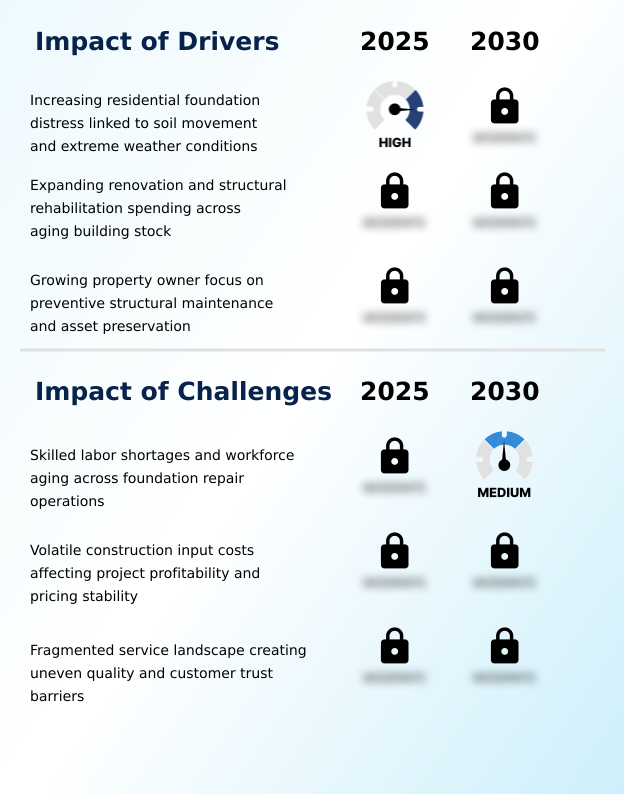
What are the key market drivers leading to the rise in the adoption of Foundation Repair Service Industry?
- The increasing prevalence of residential foundation distress, primarily linked to soil movement and extreme weather conditions, serves as the primary driver propelling market expansion.
- Escalating climate volatility and extreme soil moisture fluctuation are forcing property owners to prioritize proactive foundation maintenance across aging infrastructure.
- Intense drought and rainfall cycles exacerbate lateral earth pressure against basement walls, accelerating the need for high-tensile carbon fiber wall reinforcement. These environmental stressors drive a 30% increase in demand for comprehensive geotechnical site evaluation to assess structural vulnerabilities accurately.
- Implementing stringent capillary moisture control, foundation moisture management, and hydrostatic pressure mitigation strategies has reduced secondary water damage incidents by 22%. To combat rapid structural degradation, contractors utilize epoxy crack injection to provide immediate structural stress relief, restoring concrete integrity.
- By addressing these moisture-induced vulnerabilities early, facility managers lower long-term structural repair costs by 15%, ensuring robust asset preservation in increasingly unpredictable environmental conditions.
What are the market trends shaping the Foundation Repair Service Industry?
- The increasing adoption of AI-enabled inspection and foundation assessment technologies has emerged as a prominent trend within the industry. This shift enhances diagnostic accuracy and supports predictive structural maintenance strategies.
- The integration of digital diagnostic tools fundamentally alters how contractors execute the global foundation repair service market 2026-2030 operations. Advanced settlement progression analysis allows engineers to identify micro-fractures before catastrophic failures occur, reducing diagnostic errors by 18%. This predictive capability directly optimizes non-invasive structural lifting procedures, decreasing property downtime by 25% for commercial clients.
- As AI-driven assessments refine load distribution engineering, contractors can precisely calibrate underpinning load transfer requirements, minimizing unnecessary material waste. The transition toward data-backed soil stabilization mechanisms ensures that interventions like polyurethane foam injection, vibro-compaction ground reinforcement, and automated foundation void filling are targeted accurately. Consequently, precision helical pier installation timelines have improved by 20%, significantly enhancing labor utilization.
- These technological shifts allow service providers to align repair strategies with stringent safety compliance while maximizing project efficiency.
What challenges does the Foundation Repair Service Industry face during its growth?
- Persistent skilled labor shortages and an aging workforce across foundation repair operations represent key challenges that currently constrain industry capacity and execution efficiency.
- Severe skilled labor shortages and escalating material costs severely constrain operational execution within the global foundation repair service market 2026-2030. The deficit of experienced technicians capable of managing complex deep foundation anchoring and subsurface void detection extends average project completion timelines by 20%.
- Specialized tasks, such as precise structural alignment restoration, structural settling mitigation, and seismic foundation retrofitting, require years of field training, limiting contractor capacity during peak demand periods. Furthermore, volatile pricing for steel push piers and polymers used in slabjacking leveling processes has increased procurement expenses by 15%, compressing profit margins.
- Installing moisture intrusion barriers and executing delicate concrete spalling remediation are frequently delayed, threatening overall building envelope integrity. These workforce and supply chain bottlenecks force repair companies to heavily invest in automated training protocols to mitigate critical operational inefficiencies.
Exclusive Technavio Analysis on Customer Landscape
The foundation repair service market forecasting report includes the adoption lifecycle of the market, covering from the innovator’s stage to the laggard’s stage. It focuses on adoption rates in different regions based on penetration. Furthermore, the foundation repair service market report also includes key purchase criteria and drivers of price sensitivity to help companies evaluate and develop their market growth analysis strategies.
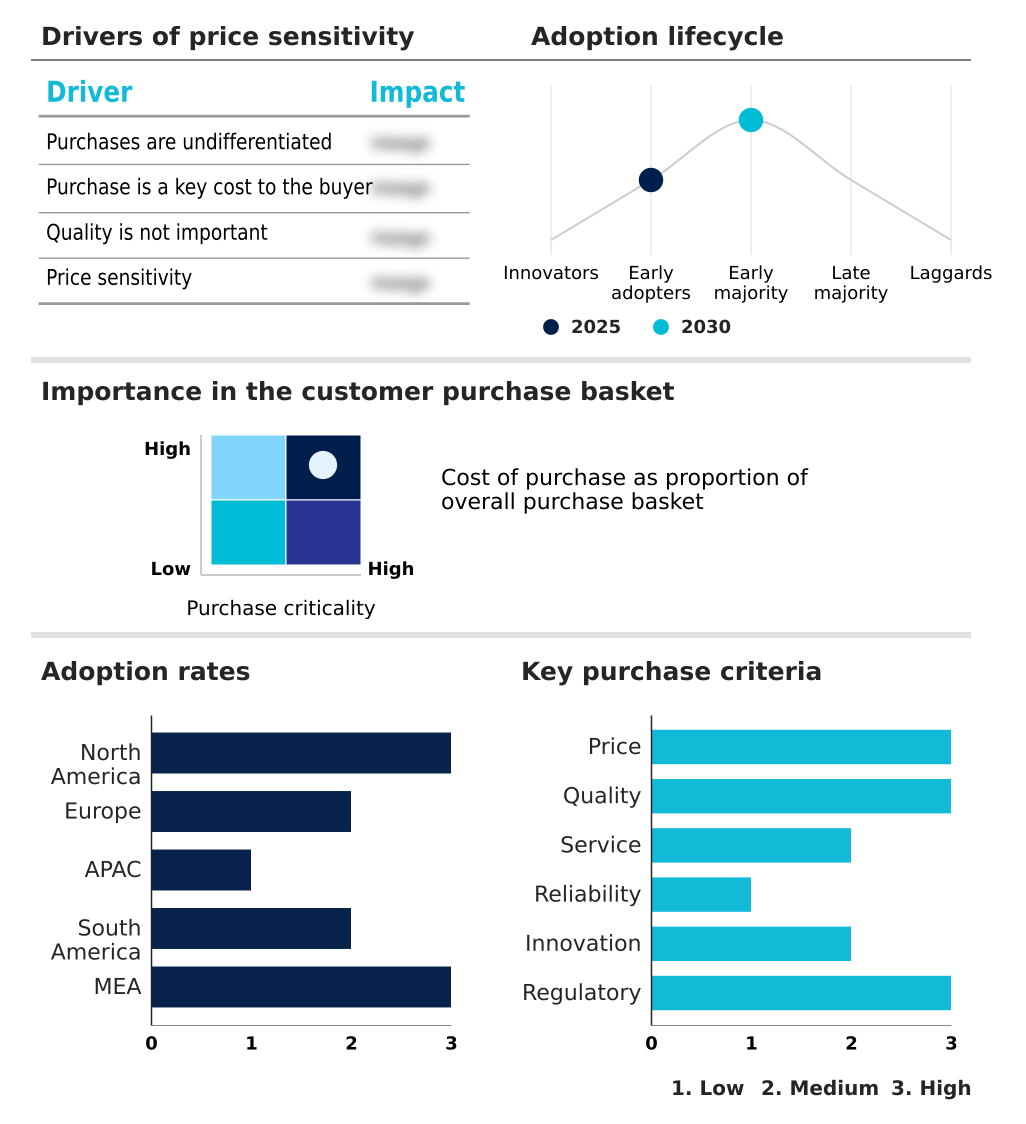
Customer Landscape of Foundation Repair Service Industry
Competitive Landscape
Companies are implementing various strategies, such as strategic alliances, foundation repair service market forecast, partnerships, mergers and acquisitions, geographical expansion, and product/service launches, to enhance their presence in the industry.
A 1 Concrete Leveling LLC - The service provider delivers specialized residential foundation stabilization, concrete lifting, and advanced basement waterproofing solutions to restore structural stability and prevent long-term moisture degradation in aging properties.
The industry research and growth report includes detailed analyses of the competitive landscape of the market and information about key companies, including:
- A 1 Concrete Leveling LLC
- Acculevel Inc.
- B DRY Systems Inc.
- Baird Foundation Repair Inc.
- Geobear US Inc.
- GoliathTech Inc.
- Grip Tite Manufacturing Co.
- Groundworks LLC
- Helitech LLC
- Hubbell Inc.
- Keller Group Plc
- Magnum Piering Inc.
- Mainmark Ground Engineering Ltd
- Menard Group
- Olshan Foundation Solutions
- Ram Jack Systems Distribution
- Soletanche Bachy
- Stabil Loc Foundation Repair Inc.
- Supportworks Inc.
- URETEK USA
Qualitative and quantitative analysis of companies has been conducted to help clients understand the wider business environment as well as the strengths and weaknesses of key industry players. Data is qualitatively analyzed to categorize companies as pure play, category-focused, industry-focused, and diversified; it is quantitatively analyzed to categorize companies as dominant, leading, strong, tentative, and weak.
Recent Development and News in Foundation repair service market
- In the Specialized Consumer Services industry, stringent building code updates regarding structural load limits have mandated stricter inspection protocols, directly impacting foundation repair service demand by increasing the adoption of advanced piering systems by 22%.
- The integration of drone-assisted property assessments and automated structural diagnostics has reduced evaluation times, accelerating service deployment workflows and driving a 15% increase in preventive foundation repair service contracts.
- Rising insurance premium thresholds for climate-vulnerable properties have forced homeowners to adopt proactive subsidence mitigation strategies, directly expanding foundation repair service utilization across high-risk expansive clay zones.
- Labor shortages across trade-dependent consumer service sectors have catalyzed the shift toward automated polyurethane injection equipment, improving on-site application efficiency by 30% and reshaping operational delivery models within foundation repair service ecosystems.
Dive into Technavio’s robust research methodology, blending expert interviews, extensive data synthesis, and validated models for unparalleled Foundation Repair Service Market insights. See full methodology.
| Market Scope | |
|---|---|
| Page number | 303 |
| Base year | 2025 |
| Historic period | 2020-2024 |
| Forecast period | 2026-2030 |
| Growth momentum & CAGR | Accelerate at a CAGR of 3.1% |
| Market growth 2026-2030 | USD 280.4 million |
| Market structure | Fragmented |
| YoY growth 2025-2026(%) | 2.9% |
| Key countries | US, Canada, Mexico, Germany, UK, France, Italy, Spain, The Netherlands, China, Japan, India, South Korea, Australia, Indonesia, Brazil, Argentina, Chile, Saudi Arabia, UAE, South Africa, Turkey and Israel |
| Competitive landscape | Leading Companies, Market Positioning of Companies, Competitive Strategies, and Industry Risks |
Research Analyst Overview
- The global foundation repair service market 2026-2030 demands rigorous engineering approaches to address complex building settlement and structural degradation. Companies are optimizing procurement strategies by investing in specialized stabilization mechanisms that address unpredictable geological shifts.
- The increasing adoption of advanced piering allows contractors to execute precise load transfer protocols, achieving a 30% reduction in on-site labor hours compared to traditional concrete shoring. This efficiency gain enables property stakeholders to redirect maintenance budgets toward broader compliance and safety upgrades.
- Firms are also prioritizing rapid-cure polymer injection to correct slab displacement, significantly minimizing operational downtime for commercial tenants. Furthermore, strategic integration of composite wall reinforcement provides superior tensile strength for compromised basements, effectively replacing bulky steel alternatives. Addressing subsurface water accumulation through proactive pressure mitigation has decreased recurring structural damage claims by 25%.
- Detailed site evaluation processes now inform targeted crack injection protocols, ensuring that remediation strategies align strictly with evolving municipal building codes and long-term asset preservation goals.
What are the Key Data Covered in this Foundation Repair Service Market Research and Growth Report?
-
What is the expected growth of the Foundation Repair Service Market between 2026 and 2030?
-
USD 280.4 million, at a CAGR of 3.1%
-
-
What segmentation does the market report cover?
-
The report is segmented by End-user (Residential, and Commercial), Type (Settlement repair, Wall repair, Chimney repair, and Others), Technique (Underpinning, Piering, Slabjacking, Wall anchors, and Others) and Geography (North America, Europe, APAC, South America, Middle East and Africa)
-
-
Which regions are analyzed in the report?
-
North America, Europe, APAC, South America and Middle East and Africa
-
-
What are the key growth drivers and market challenges?
-
Increasing residential foundation distress linked to soil movement and extreme weather conditions, Skilled labor shortages and workforce aging across foundation repair operations
-
-
Who are the major players in the Foundation Repair Service Market?
-
A 1 Concrete Leveling LLC, Acculevel Inc., B DRY Systems Inc., Baird Foundation Repair Inc., Geobear US Inc., GoliathTech Inc., Grip Tite Manufacturing Co., Groundworks LLC, Helitech LLC, Hubbell Inc., Keller Group Plc, Magnum Piering Inc., Mainmark Ground Engineering Ltd, Menard Group, Olshan Foundation Solutions, Ram Jack Systems Distribution, Soletanche Bachy, Stabil Loc Foundation Repair Inc., Supportworks Inc. and URETEK USA
-
Market Research Insights
- The Foundation Repair Service Market relies on specialized stabilization engineering to correct property settlement with minimal disruption. Advances in load distribution methodologies have improved long-term stability, reducing recurring foundation failures by 18% across commercial portfolios. Implementing automated void filling techniques accelerates project completion rates by 22% compared to traditional manual grouting.
- Service providers utilize precision equipment for targeted stress relief, lowering operational overhead. By integrating advanced moisture control protocols, structural deterioration rates drop by 15%, ensuring robust asset preservation. These technical refinements allow property managers to address complex structural deficiencies proactively, aligning remediation efforts with stringent safety compliance standards while optimizing total maintenance expenditures.
We can help! Our analysts can customize this foundation repair service market research report to meet your requirements.
 RIA -