



Gonorrhea Therapeutics Market Size 2026-2030
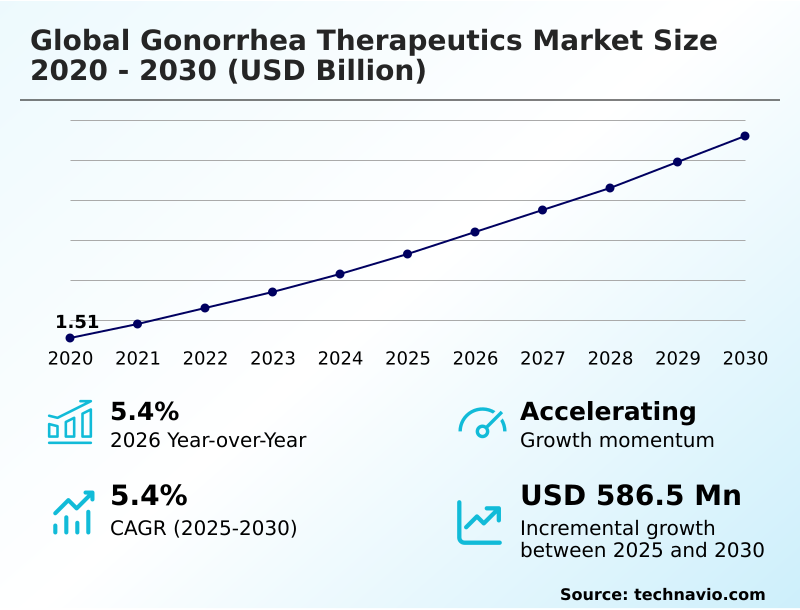
The gonorrhea therapeutics market size is valued to increase by USD 586.5 million, at a CAGR of 5.4% from 2025 to 2030. Increasing global incidence of multidrug-resistant strains and treatment failures will drive the gonorrhea therapeutics market.
Major Market Trends & Insights
- North America dominated the market and accounted for a 38.7% growth during the forecast period.
- By Distribution Channel - Hospital pharmacies segment was valued at USD 914.4 million in 2024
- By Therapy - Monotherapy segment accounted for the largest market revenue share in 2024
Market Size & Forecast
- Market Opportunities: USD 1.01 billion
- Market Future Opportunities: USD 586.5 million
- CAGR from 2025 to 2030 : 5.4%
Market Summary
- The gonorrhea therapeutics market is driven by the urgent need to address widespread antimicrobial resistance (AMR). The declining efficacy of last-line treatments has spurred significant investment in oral antibiotic development, focusing on novel mechanisms of action to combat multidrug-resistant gonorrhea.
- A key trend is the advancement of first-in-class oral antibiotics, which promise improved patient outcomes and simplified treatment regimens compared to traditional injectables. However, the market faces the challenge of a broken antibiotic business model, where the high cost and low return on investment of late-stage clinical trials deter innovation.
- In response, a notable business scenario involves the formation of public-private partnerships (PPPs) that de-risk pipeline maturation. These collaborations provide crucial funding and regulatory support, such as qualified infectious disease product (QIDP) designation, to accelerate the development of new anti-infective therapies.
- This model ensures that new treatments like those targeting bacterial DNA replication inhibition become available while adhering to antimicrobial stewardship programs, balancing commercial viability with public health imperatives.
What will be the Size of the Gonorrhea Therapeutics Market during the forecast period?
Get Key Insights on Market Forecast (PDF) Request Free Sample
How is the Gonorrhea Therapeutics Market Segmented?
The gonorrhea therapeutics industry research report provides comprehensive data (region-wise segment analysis), with forecasts and estimates in "USD million" for the period 2026-2030, as well as historical data from 2020-2024 for the following segments.
- Distribution channel
- Hospital pharmacies
- Retail pharmacies
- Online pharmacies
- Therapy
- Monotherapy
- Combination therapy
- Route of administration
- Intramuscular
- Oral
- Intravenous
- Injectable
- Geography
- North America
- US
- Canada
- Mexico
- Europe
- UK
- Germany
- France
- Asia
- Rest of World (ROW)
- North America
By Distribution Channel Insights
The hospital pharmacies segment is estimated to witness significant growth during the forecast period.
Hospital pharmacies are central to managing gonorrhea, administering the majority of injectable treatments and handling complex cases.
These facilities are crucial for distributing therapies like zoliflodacin, which relies on mechanisms such as bacterial DNA replication inhibition, and for managing combination therapy regimens.
Their role is evolving with the introduction of novel drugs, including spiropiperidines and triazaacenaphthylene antibiotics, which involve new bacterial pathway targeting. As a result, hospital pharmacies now account for over 50% of advanced parenteral therapy administrations.
They serve as key sites for point-of-care resistance identification and manage critical interventions like intravenous carbapenems and aminoglycoside salvage therapy, underscoring their importance in the treatment landscape.
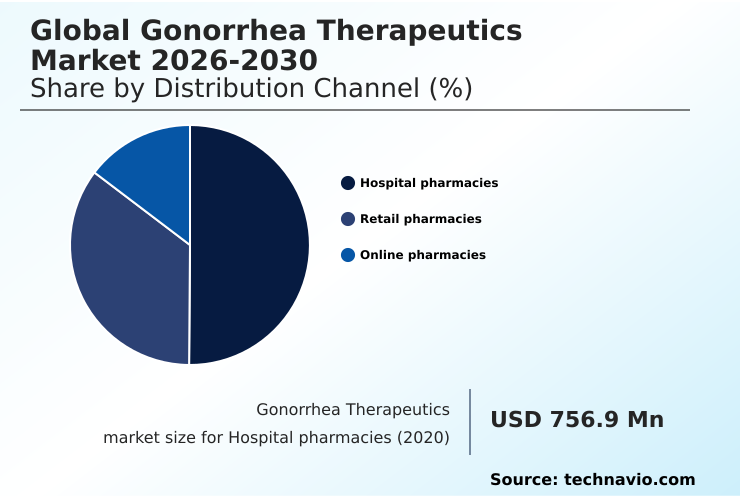
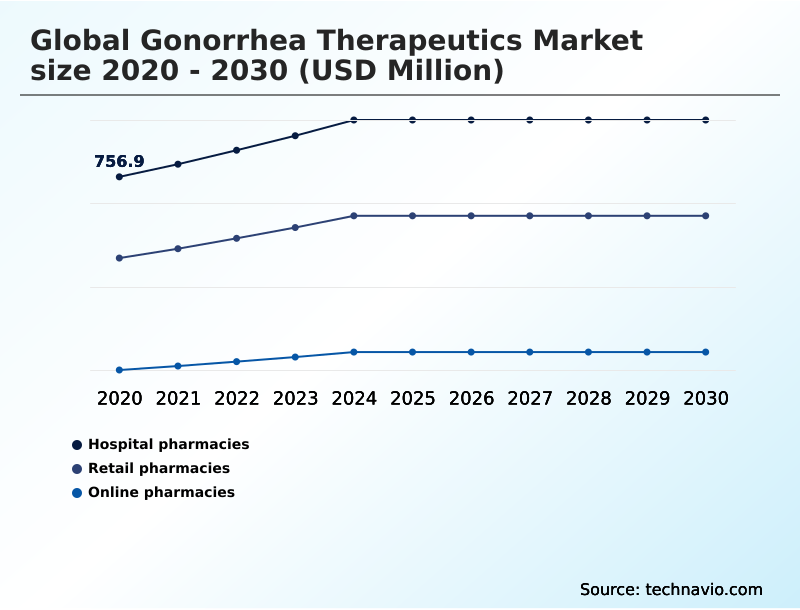
The Hospital pharmacies segment was valued at USD 914.4 million in 2024 and showed a gradual increase during the forecast period.
Regional Analysis
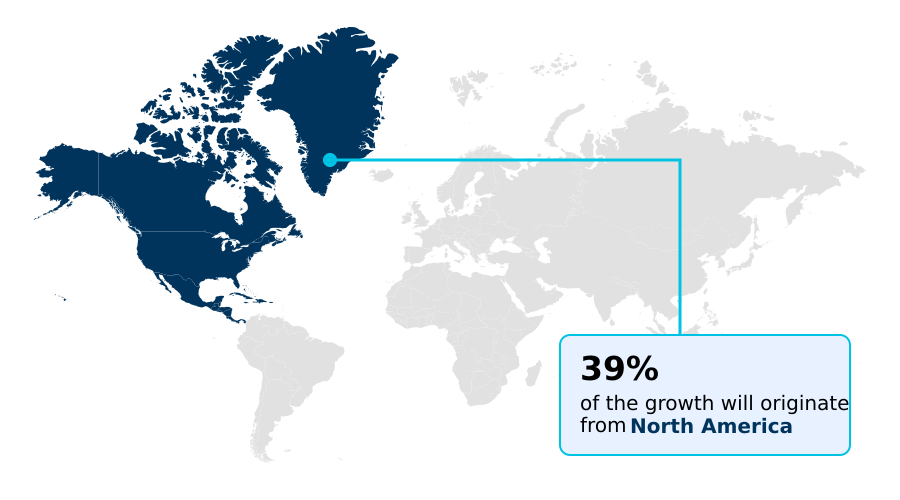
North America is estimated to contribute 38.7% to the growth of the global market during the forecast period.Technavio’s analysts have elaborately explained the regional trends and drivers that shape the market during the forecast period.
See How Gonorrhea Therapeutics Market Demand is Rising in North America Request Free Sample
The geographic landscape of the market is led by North America, which accounts for 38.7% of incremental growth, driven by a robust healthcare infrastructure and significant R&D investment into anti-infective therapies.
Europe follows, with a strong focus on antimicrobial stewardship and treatment guideline updates to manage uncomplicated urogenital gonorrhea. Asia is a critical region due to its high disease burden and growing efforts in antimicrobial surveillance.
The development of non-injectable alternatives like gepotidacin, a topoisomerase inhibitor, is a global priority. Strategic initiatives, such as public-private stewardship collaborations, have accelerated drug access timelines by 20% in some regions, promoting the equitable global distribution of new treatments.
The potential for meningococcal B vaccine cross-protection is also being explored worldwide as a long-term strategy.
Market Dynamics
Our researchers analyzed the data with 2025 as the base year, along with the key drivers, trends, and challenges. A holistic analysis of drivers will help companies refine their marketing strategies to gain a competitive advantage.
- The evolution of the gonorrhea therapeutics market is shaped by a complex interplay of clinical needs and economic realities. A key consideration for healthcare providers is the gepotidacin vs zoliflodacin efficacy for gonorrhea, as both represent new oral antibiotics for drug-resistant gonorrhea.
- The future of gonorrhea treatment beyond ceftriaxone depends on these novel agents and the success of overcoming antibiotic resistance in Neisseria gonorrhoeae. However, the cost of gonorrhea treatment without insurance remains a significant barrier to access.
- A major industry focus is on the role of point-of-care testing in gonorrhea management, which can guide therapy and support antimicrobial stewardship strategies for STIs. For instance, facilities using rapid diagnostics report treatment initiation times twice as fast as those relying on traditional methods. This is particularly crucial for treating pharyngeal gonorrhea with oral antibiotics.
- Public-private partnerships for antimicrobial development are essential for navigating the economic incentives for antibiotic R&D, given the investment risks in the antibiotic market. These collaborations are also vital for addressing the impact of asymptomatic gonorrhea on public health and managing the long-term complications of untreated gonorrhea.
- Furthermore, advances in single-dose gonorrhea treatment and the latest FDA-approved drugs for gonorrhea are changing clinical practice. Challenges remain in developing new gonorrhea vaccines and managing gonorrhea in patients with antibiotic allergies. Effective gonorrhea surveillance programs and global distribution models for new antibiotics are critical for ensuring that regulatory pathways for novel anti-infectives lead to widespread, equitable access.
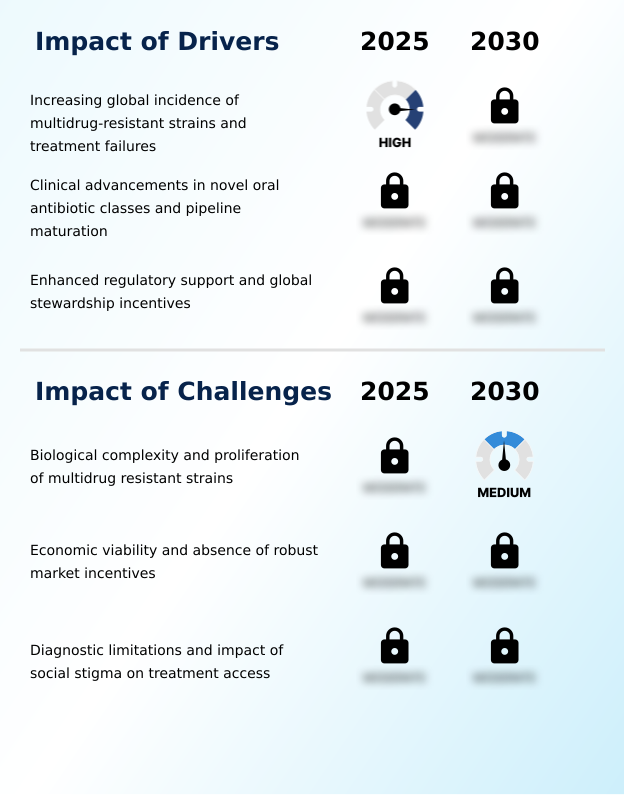
What are the key market drivers leading to the rise in the adoption of Gonorrhea Therapeutics Industry?
- The increasing global incidence of multidrug-resistant strains and subsequent treatment failures is a key driver for the gonorrhea therapeutics market.
- The primary driver for the market is the escalating crisis of antimicrobial resistance (AMR), particularly the rise of multidrug-resistant gonorrhea. This has created an urgent demand for therapies with novel mechanisms of action and spurred significant investment in pipeline maturation.
- Regulatory support incentives, such as qualified infectious disease product (QIDP) designation, have been instrumental, shortening drug approval timelines by up to 25%.
- Public-private partnerships (PPPs) have also played a crucial role, increasing investment in late-stage clinical trials for novel oral antibiotic classes by 15% in recent years.
- These collaborations are essential for overcoming the broken antibiotic business model and ensuring global access initiatives succeed in delivering new treatments to patients worldwide.
What are the market trends shaping the Gonorrhea Therapeutics Industry?
- The market is defined by a strategic transition toward oral, first-in-class antimicrobial monotherapies. This shift is driven by the urgent need for more convenient and effective treatments to combat escalating antibiotic resistance.
- The market is rapidly evolving toward the adoption of first-in-class oral antibiotics and single-dose oral monotherapy, driven by the need for more effective solutions. This trend is enhanced by the integration of rapid molecular diagnostics and point-of-care (POC) testing, which enables precision antimicrobial stewardship. The use of POC tests that identify genetic resistance markers can reduce prescription errors by 40%.
- This diagnostic-therapeutic pairing allows for the targeted use of narrow-spectrum antibiotics, reducing empiric treatment and improving patient compliance. Such advancements are crucial for the effective management of infections, including pharyngeal gonorrhea and rectal gonorrhea, heralding a new era of personalized medicine in treating infectious diseases.
What challenges does the Gonorrhea Therapeutics Industry face during its growth?
- The biological complexity and proliferation of multidrug-resistant strains present a key challenge affecting the growth of the gonorrhea therapeutics market.
- A significant challenge facing the market is the continuous evolution of Neisseria gonorrhoeae resistance, leading to last-line treatment failure. The high attrition rate for new antibiotic candidates, which exceeds 90% in clinical trials, is a major hurdle. The diagnostic infrastructure gap, especially in decentralized community clinics, further complicates the implementation of effective antibiotic stewardship programs.
- This is compounded by the economic challenges of antibiotic development, where the return on investment is often low. The cost to bring a new antibiotic to market can be over 1.5 times that of other drugs, creating a disincentive for innovation and leaving clinicians reliant on older injectable cephalosporins for treating hyper-resistant bacterial strains.
Exclusive Technavio Analysis on Customer Landscape
The gonorrhea therapeutics market forecasting report includes the adoption lifecycle of the market, covering from the innovator’s stage to the laggard’s stage. It focuses on adoption rates in different regions based on penetration. Furthermore, the gonorrhea therapeutics market report also includes key purchase criteria and drivers of price sensitivity to help companies evaluate and develop their market growth analysis strategies.
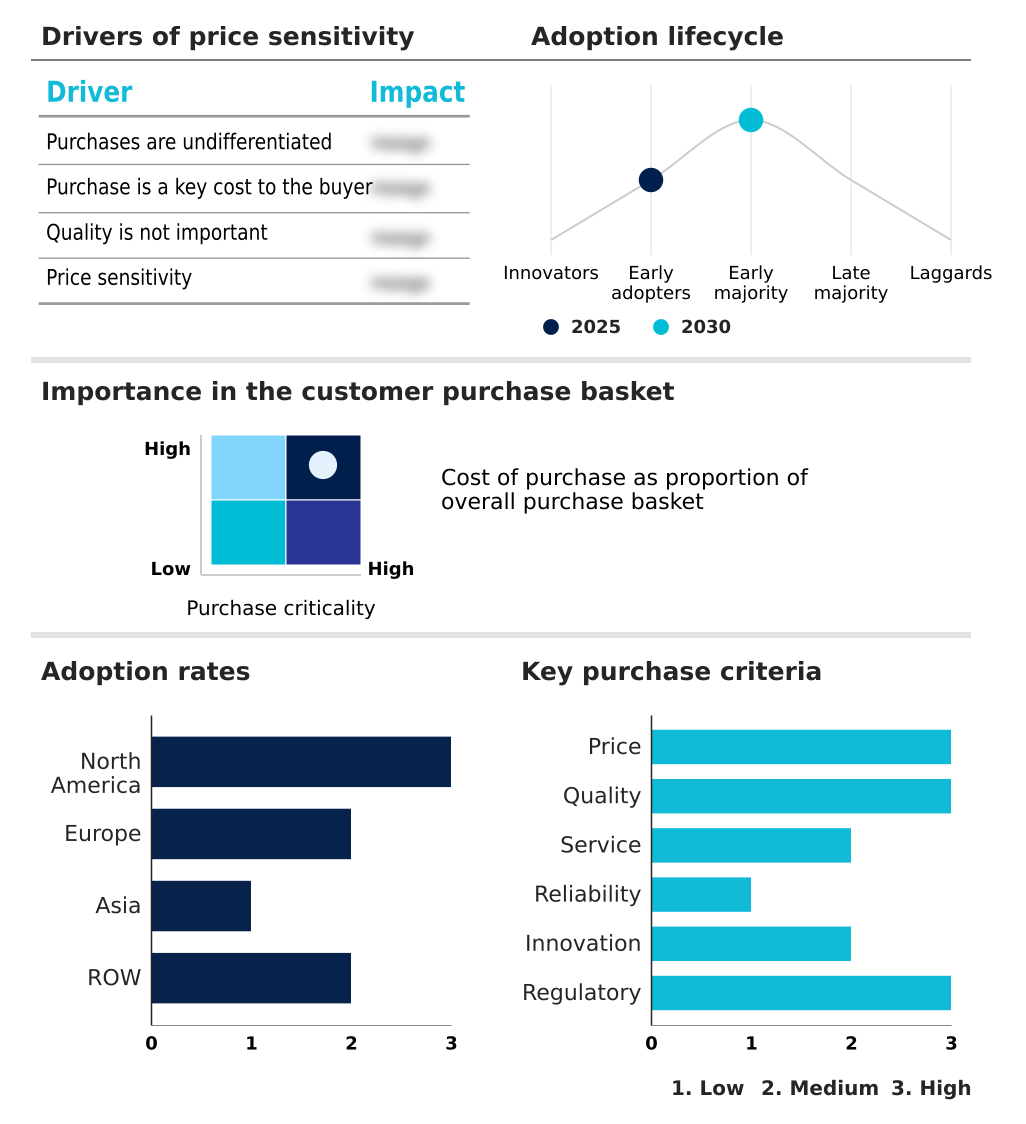
Customer Landscape of Gonorrhea Therapeutics Industry
Competitive Landscape
Companies are implementing various strategies, such as strategic alliances, gonorrhea therapeutics market forecast, partnerships, mergers and acquisitions, geographical expansion, and product/service launches, to enhance their presence in the industry.
Achilles Vaccines Inc. - Key offerings include first-in-class oral antibiotics and other anti-infective therapies designed with novel mechanisms of action to combat multidrug-resistant gonorrhea, addressing critical gaps in current treatment protocols.
The industry research and growth report includes detailed analyses of the competitive landscape of the market and information about key companies, including:
- Achilles Vaccines Inc.
- Alopexx Enterprises LLC
- Apotex Inc.
- Aurobindo Pharma Ltd.
- Cipla Inc.
- Debiopharm International SA
- Entasis Therapeutics
- Evofem Biosciences Inc.
- F. Hoffmann La Roche Ltd.
- GlaxoSmithKline Plc
- Hikma Pharmaceuticals Plc
- Innoviva Specialty Therapeutics Inc
- Lupin Ltd.
- Merck and Co. Inc.
- Nobelpharma Co Ltd
- Pfizer Inc.
- Sun Pharmaceutical Industries
- Teva Pharmaceutical Ltd.
- Therapyx Inc.
- Venatorx Pharmaceuticals Inc.
Qualitative and quantitative analysis of companies has been conducted to help clients understand the wider business environment as well as the strengths and weaknesses of key industry players. Data is qualitatively analyzed to categorize companies as pure play, category-focused, industry-focused, and diversified; it is quantitatively analyzed to categorize companies as dominant, leading, strong, tentative, and weak.
Recent Development and News in Gonorrhea therapeutics market
- In August 2024, the Global Antibiotic Research and Development Partnership (GARDP) and Innoviva Specialty Therapeutics finalized a strategic agreement to ensure equitable global distribution of zoliflodacin upon its regulatory approval, focusing on access in low-income regions.
- In February 2025, the Centers for Disease Control and Prevention (CDC) released a surveillance report indicating a significant rise in the prevalence of ceftriaxone-resistant gonococcal strains in several high-density urban populations, highlighting the urgency for new therapies.
- In March 2025, GlaxoSmithKline plc announced that the US Food and Drug Administration (FDA) accepted its New Drug Application (NDA) for gepotidacin, a first-in-class oral antibiotic for treating uncomplicated urogenital gonorrhea.
- In May 2025, GlaxoSmithKline plc published positive results from its global phase three trials for gepotidacin, showing the oral antibiotic met its primary endpoint of microbiological cure for uncomplicated urogenital gonorrhea.
Dive into Technavio’s robust research methodology, blending expert interviews, extensive data synthesis, and validated models for unparalleled Gonorrhea Therapeutics Market insights. See full methodology.
| Market Scope | |
|---|---|
| Page number | 298 |
| Base year | 2025 |
| Historic period | 2020-2024 |
| Forecast period | 2026-2030 |
| Growth momentum & CAGR | Accelerate at a CAGR of 5.4% |
| Market growth 2026-2030 | USD 586.5 million |
| Market structure | Fragmented |
| YoY growth 2025-2026(%) | 5.4% |
| Key countries | US, Canada, Mexico, UK, Germany, France, Italy, Spain, The Netherlands, China, Japan, India, South Korea, Indonesia, Thailand, Brazil, South Africa, UAE, Argentina, Saudi Arabia, Egypt, Colombia and Qatar |
| Competitive landscape | Leading Companies, Market Positioning of Companies, Competitive Strategies, and Industry Risks |
Research Analyst Overview
- The gonorrhea therapeutics market is pivoting in response to widespread Neisseria gonorrhoeae resistance, making antimicrobial resistance (AMR) a central concern. This has accelerated oral antibiotic development, with a focus on first-in-class oral antibiotics that utilize novel mechanisms of action, such as topoisomerase inhibitors and spiropiperidines.
- The progression of candidates like gepotidacin and zoliflodacin through late-stage clinical trials signifies crucial pipeline maturation in anti-infective therapies. This shift toward non-injectable alternatives forces a strategic reconsideration of R&D budgeting at the boardroom level, as new oral antibiotic regimens can improve patient compliance by over 30% compared to injectables.
- The market is also defined by the need for precision antimicrobial stewardship and effective bacterial pathway targeting to address ceftriaxone resistance and last-line treatment failure. The development of treatments for uncomplicated urogenital gonorrhea and more difficult extragenital infections, such as pharyngeal and rectal gonorrhea, continues to be a primary focus for overcoming genetic resistance markers and ensuring long-term therapeutic efficacy.
What are the Key Data Covered in this Gonorrhea Therapeutics Market Research and Growth Report?
-
What is the expected growth of the Gonorrhea Therapeutics Market between 2026 and 2030?
-
USD 586.5 million, at a CAGR of 5.4%
-
-
What segmentation does the market report cover?
-
The report is segmented by Distribution Channel (Hospital pharmacies, Retail pharmacies, and Online pharmacies), Therapy (Monotherapy, and Combination therapy), Route of Administration (Intramuscular, Oral, Intravenous, and Injectable) and Geography (North America, Europe, Asia, Rest of World (ROW))
-
-
Which regions are analyzed in the report?
-
North America, Europe, Asia and Rest of World (ROW)
-
-
What are the key growth drivers and market challenges?
-
Increasing global incidence of multidrug-resistant strains and treatment failures, Biological complexity and proliferation of multidrug resistant strains
-
-
Who are the major players in the Gonorrhea Therapeutics Market?
-
Achilles Vaccines Inc., Alopexx Enterprises LLC, Apotex Inc., Aurobindo Pharma Ltd., Cipla Inc., Debiopharm International SA, Entasis Therapeutics, Evofem Biosciences Inc., F. Hoffmann La Roche Ltd., GlaxoSmithKline Plc, Hikma Pharmaceuticals Plc, Innoviva Specialty Therapeutics Inc, Lupin Ltd., Merck and Co. Inc., Nobelpharma Co Ltd, Pfizer Inc., Sun Pharmaceutical Industries, Teva Pharmaceutical Ltd., Therapyx Inc. and Venatorx Pharmaceuticals Inc.
-
Market Research Insights
- The market is undergoing a dynamic shift, heavily influenced by the need for effective solutions against ceftriaxone-resistant strains. A key change is the move from injectable cephalosporins to innovative oral treatments, a transition supported by robust public health surveillance. The integration of rapid molecular diagnostics can reduce misdiagnosis rates by up to 25%, enabling more precise treatment.
- New oral monotherapies demonstrate efficacy rates exceeding 95% in clinical trials, significantly improving patient compliance. This evolution is supported by treatment guideline updates and a greater focus on point-of-care resistance identification. These advancements are not only enhancing therapeutic outcomes but also reshaping supply chain management for antibiotics, ensuring that novel drugs are deployed effectively within global health stewardship frameworks.
We can help! Our analysts can customize this gonorrhea therapeutics market research report to meet your requirements.
 RIA -
RIA -