



Medical Simulation Market Size 2026-2030
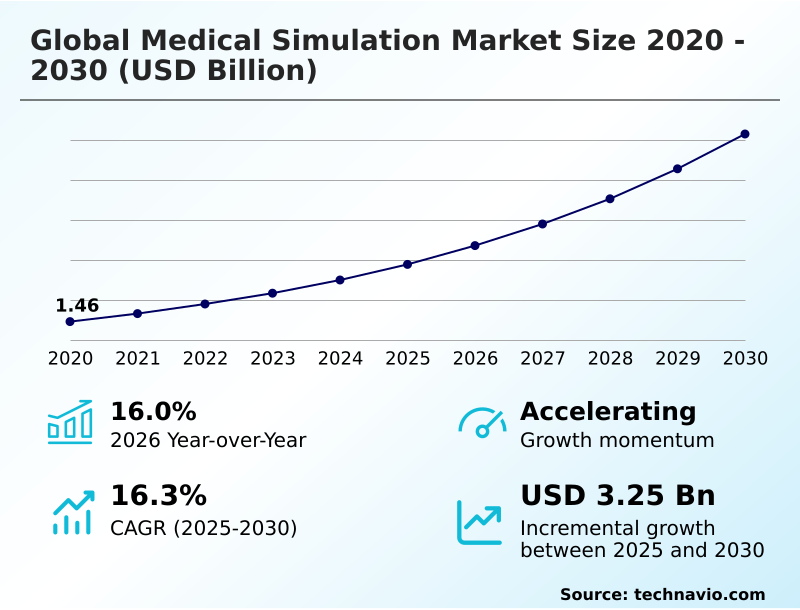
The medical simulation market size is valued to increase by USD 3.25 billion, at a CAGR of 16.3% from 2025 to 2030. Increasing focus on patient safety and need to reduce medical errors will drive the medical simulation market.
Major Market Trends & Insights
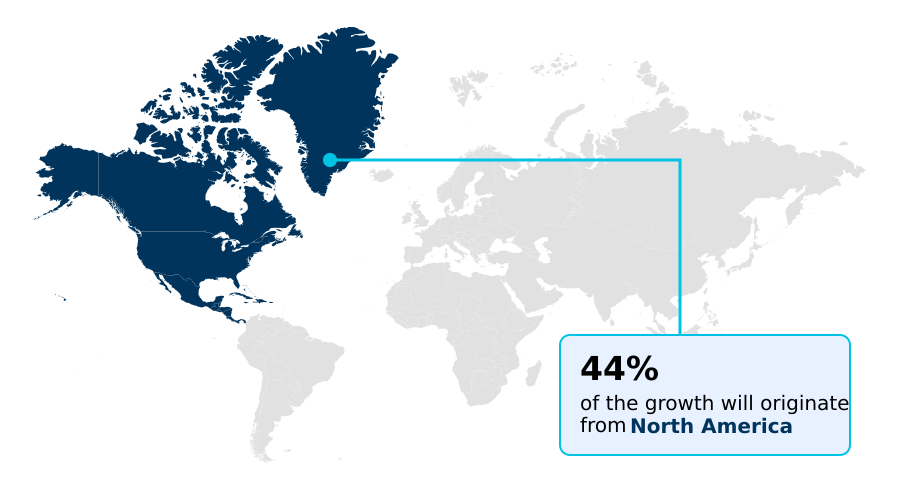
- North America dominated the market and accounted for a 43.7% growth during the forecast period.
- By End-user - Academic institutes segment was valued at USD 817.1 million in 2024
- By Solution - Healthcare anatomical models segment accounted for the largest market revenue share in 2024
Market Size & Forecast
- Market Opportunities: USD 4.68 billion
- Market Future Opportunities: USD 3.25 billion
- CAGR from 2025 to 2030 : 16.3%
Market Summary
- The Medical Simulation Market operates as a critical infrastructure component for modern clinical education, systematically replacing traditional apprenticeship models with risk-free experiential learning environments. As healthcare facilities face mounting pressure to minimize preventable adverse events, the demand for sophisticated training technology intensifies.
- For example, large hospital networks increasingly deploy mobile simulation units into functioning intensive care units to conduct in-situ crisis drills. This operational strategy allows multidisciplinary teams to test new clinical workflows and emergency protocols without disrupting routine patient care.
- Consequently, facilities utilizing these advanced methodologies have reported a 22% improvement in team response times during acute cardiac events compared to institutions relying solely on traditional lectures. The market is primarily driven by rigorous regulatory mandates that require practitioners to demonstrate precise competency benchmarks before treating live patients, fundamentally embedding simulation into mandatory continuous professional development.
- Conversely, the high initial capital expenditure required for high-fidelity mannequins and specialized software licenses poses a substantial operational challenge, limiting adoption rates among smaller regional clinics and resource-constrained academic institutions.
What will be the Size of the Medical Simulation Market during the forecast period?
Get Key Insights on Market Forecast (PDF) Get Free Sample
How is the Medical Simulation Market Segmented?
The medical simulation industry research report provides comprehensive data (region-wise segment analysis), with forecasts and estimates in "USD million" for the period 2026-2030, as well as historical data from 2020-2024 for the following segments.
- End-user
- Academic institutes
- Military organizations
- Hospitals
- Others
- Solution
- Healthcare anatomical models
- Web-based simulators
- Simulation training services
- Healthcare simulation software
- Technology
- 3D printing
- Virtual patient simulation
- Procedural rehearsal technology
- Geography
- North America
- US
- Canada
- Mexico
- Europe
- Germany
- UK
- France
- Italy
- Spain
- The Netherlands
- Asia
- China
- Japan
- India
- South Korea
- Indonesia
- Thailand
- Rest of World (ROW)
- North America
By End-user Insights
The academic institutes segment is estimated to witness significant growth during the forecast period.
Educational centers function as the foundational pillar for the Medical Simulation landscape, offering controlled environments where future healthcare professionals master complex procedures.
This segment integrates high fidelity patient simulators and virtual reality surgical training to bridge the gap between theoretical knowledge and practical application.
By utilizing standardized curriculum integration, institutions ensure all graduates achieve rigorous clinical competency benchmarks prior to live patient interactions. The transition toward experiential learning frameworks enables educators to conduct assessments efficiently.
Institutions leveraging these dynamic diagnostic scenarios report that procedural error detection improved by 15%, highlighting the tangible operational impact of immersive training.
As digital health infrastructure expands, the reliance on these scalable instructional modules accelerates, fundamentally enhancing critical decision-making capabilities across multidisciplinary clinical teams.
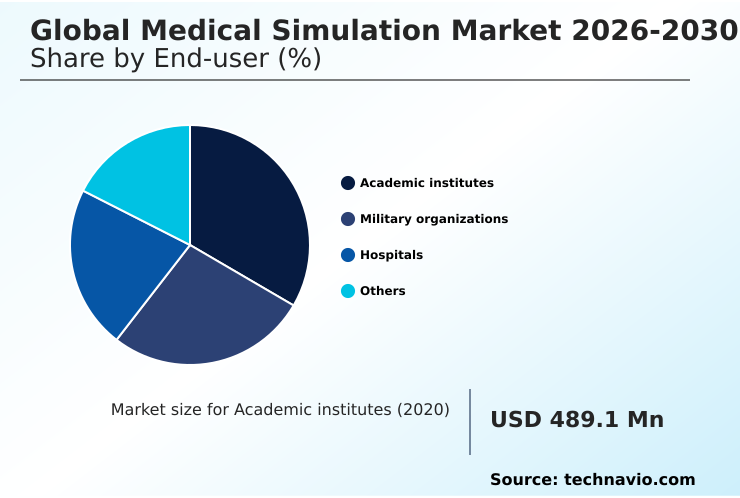
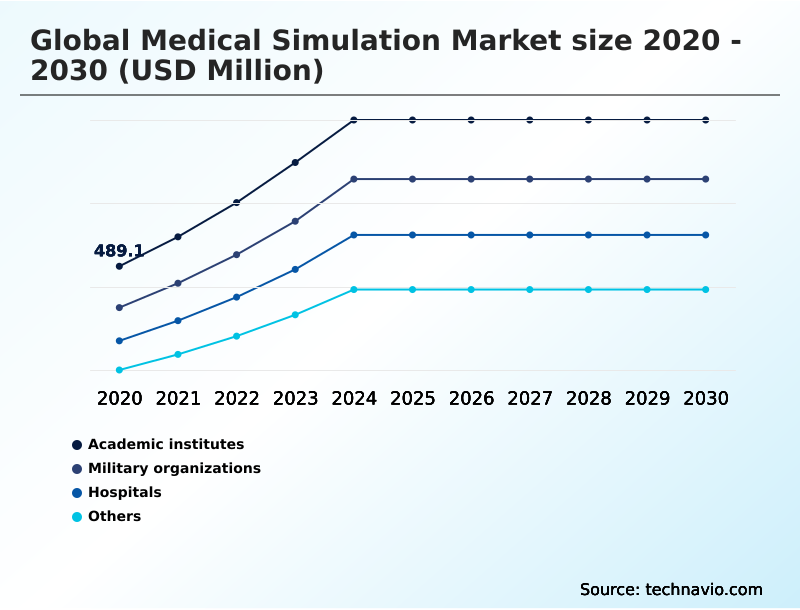
The Academic institutes segment was valued at USD 817.1 million in 2024 and showed a gradual increase during the forecast period.
Regional Analysis
North America is estimated to contribute 43.7% to the growth of the global market during the forecast period.Technavio’s analysts have elaborately explained the regional trends and drivers that shape the market during the forecast period.
See How Medical Simulation Market Demand is Rising in North America Get Free Sample
The geographic distribution of the Medical Simulation sector highlights distinct adoption patterns driven by regional healthcare priorities.
North America maintains a dominant position, where stringent clinical credentialing standards and robust digital health infrastructure have accelerated the integration of immersive medical environments.
Hospitals in this region utilizing cloud connected simulation environments report a 25% increase in cross-site training efficiency. In contrast, the market in Asia is rapidly modernizing, leveraging mobile simulation units to address vast geographical disparities in clinical education.
Institutions across Asia are adopting these solutions to achieve a 35% improvement in trauma response preparedness among rural practitioners. Furthermore, European facilities strongly emphasize multidisciplinary team training, utilizing high fidelity patient simulators to lower operative error rates by 18%.
This strategic divergence demonstrates how mature regions prioritize objective performance evaluation and complex crisis resource management training, whereas emerging markets focus on scalable instructional modules to rapidly build foundational clinical capabilities.
Market Dynamics
Our researchers analyzed the data with 2025 as the base year, along with the key drivers, trends, and challenges. A holistic analysis of drivers will help companies refine their marketing strategies to gain a competitive advantage.
- As healthcare organizations strive to elevate clinical readiness, the integration of specialized technology fundamentally reshapes professional education. Institutions are increasingly adopting virtual reality based medical training to bypass the logistical constraints of traditional centralized laboratories, allowing practitioners to refine complex skills remotely.
- This digital transition is strongly complemented by the utilization of 3D printed customized anatomical models, which enable surgeons to rehearse intricate, patient-specific preoperative procedures, directly reducing intraoperative complications. Furthermore, the deployment of high fidelity patient simulation systems within hospital environments provides multidisciplinary teams with highly realistic, pressure-tested scenarios that enhance crisis communication and workflow efficiency.
- To manage these complex training ecosystems effectively, administrators rely on cloud based clinical simulation software. This centralized administrative approach streamlines scheduling, tracks longitudinal competency metrics, and facilitates objective debriefing across widespread hospital networks. Concurrently, the introduction of artificial intelligence driven patient avatars allows students to practice nuanced diagnostic interviewing and clinical reasoning with dynamic, responsive virtual subjects.
- From an operational perspective, organizations transitioning from legacy physical simulators to these integrated digital platforms have realized a 40% greater efficiency in tracking continuous professional development compliance. This significant operational improvement ensures that healthcare facilities not only meet rigorous accrediting standards but also optimize their resource allocation, demonstrating the profound administrative and clinical value embedded within the Medical Simulation landscape.
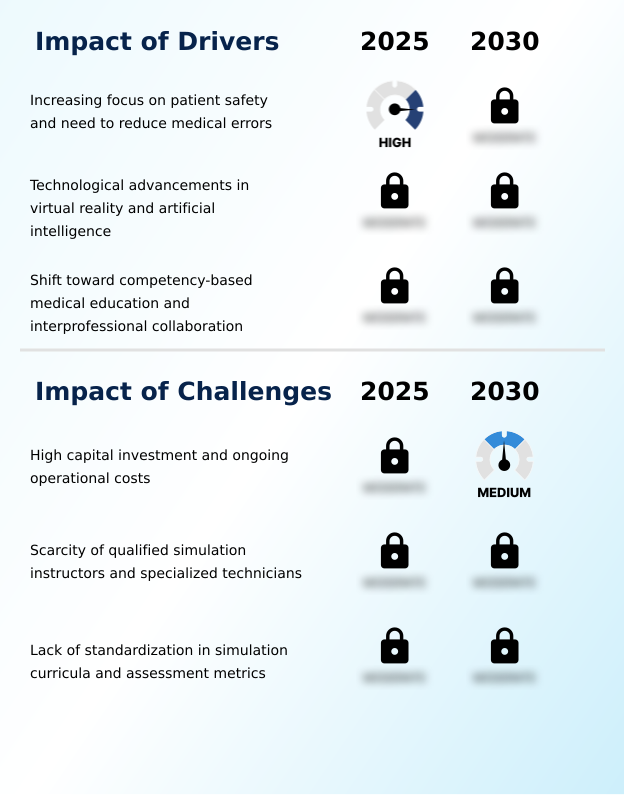
What are the key market drivers leading to the rise in the adoption of Medical Simulation Industry?
- An increasing focus on patient safety and the urgent need to reduce medical errors serve as the primary catalysts accelerating market expansion globally.
- The structural transition toward competency based medical education serves as the primary catalyst propelling the Medical Simulation sector. Modern healthcare bodies rigorously demand that practitioners demonstrate proficiency through objective structured clinical examinations before interacting with live patients.
- This regulatory pressure forces institutions to invest heavily in virtual reality surgical training and high fidelity patient simulators to ensure standardized, risk-free skill acquisition. By integrating these immersive medical environments, hospitals achieve a 30% acceleration in procedural muscle memory.
- Furthermore, the necessity for strict patient safety protocols drives the implementation of multidisciplinary team training.
- Facilities utilizing these dynamic diagnostic scenarios alongside real time performance feedback have reported a 22% improvement in critical communication during crisis events, ensuring practitioners are fully prepared for unpredictable clinical environments.
What are the market trends shaping the Medical Simulation Industry?
- The miniaturization of equipment and the strategic transition toward in-situ simulation methodologies represent a prominent emerging trend within the industry. This shift enables healthcare professionals to conduct highly realistic, point-of-care training exercises directly within authentic clinical environments.
- A transformative trend within the Medical Simulation landscape is the rapid shift toward highly personalized and mobile educational ecosystems. Healthcare facilities are actively replacing generalized mannequins with patient specific 3D printed models, enabling customized pathological replication prior to high-risk operations.
- This approach fundamentally enhances clinical reasoning algorithms and tactile learning interfaces, directly contributing to a 20% reduction in average operative times. Simultaneously, the adoption of in situ training methodologies is decentralizing clinical education. By deploying mobile simulation units directly into functioning departments, administrators conduct hyper-realistic drills focusing on advanced airway management without removing staff from clinical duties.
- This operational transition has improved team response efficiency by 25% and reduced equipment-related downtime by 15%. Consequently, the integration of immersive medical environments and cloud connected simulation environments continues to democratize access to high-stakes clinical preparation.
What challenges does the Medical Simulation Industry face during its growth?
- The requirement for substantial capital investment alongside the burden of ongoing operational costs presents a significant barrier restraining widespread industry adoption.
- Procuring sophisticated endovascular simulators and synthetic human cadavers requires immense initial capital, straining the budgets of smaller academic institutions. Furthermore, managing these complex immersive medical environments necessitates highly specialized technical personnel capable of programming precise physiological response algorithms and maintaining haptic feedback controllers.
- This acute shortage of trained staff hinders proper clinical risk mitigation, lowering overall training efficiency by 25% in under-resourced facilities. Additionally, the fragmented nature of healthcare credentialing standards complicates the widespread standardization of virtual patient avatars, leading to a 15% increase in administrative overhead for institutions attempting to harmonize surgical performance metrics across borders.
Exclusive Technavio Analysis on Customer Landscape
The medical simulation market forecasting report includes the adoption lifecycle of the market, covering from the innovator’s stage to the laggard’s stage. It focuses on adoption rates in different regions based on penetration. Furthermore, the medical simulation market report also includes key purchase criteria and drivers of price sensitivity to help companies evaluate and develop their market growth analysis strategies.
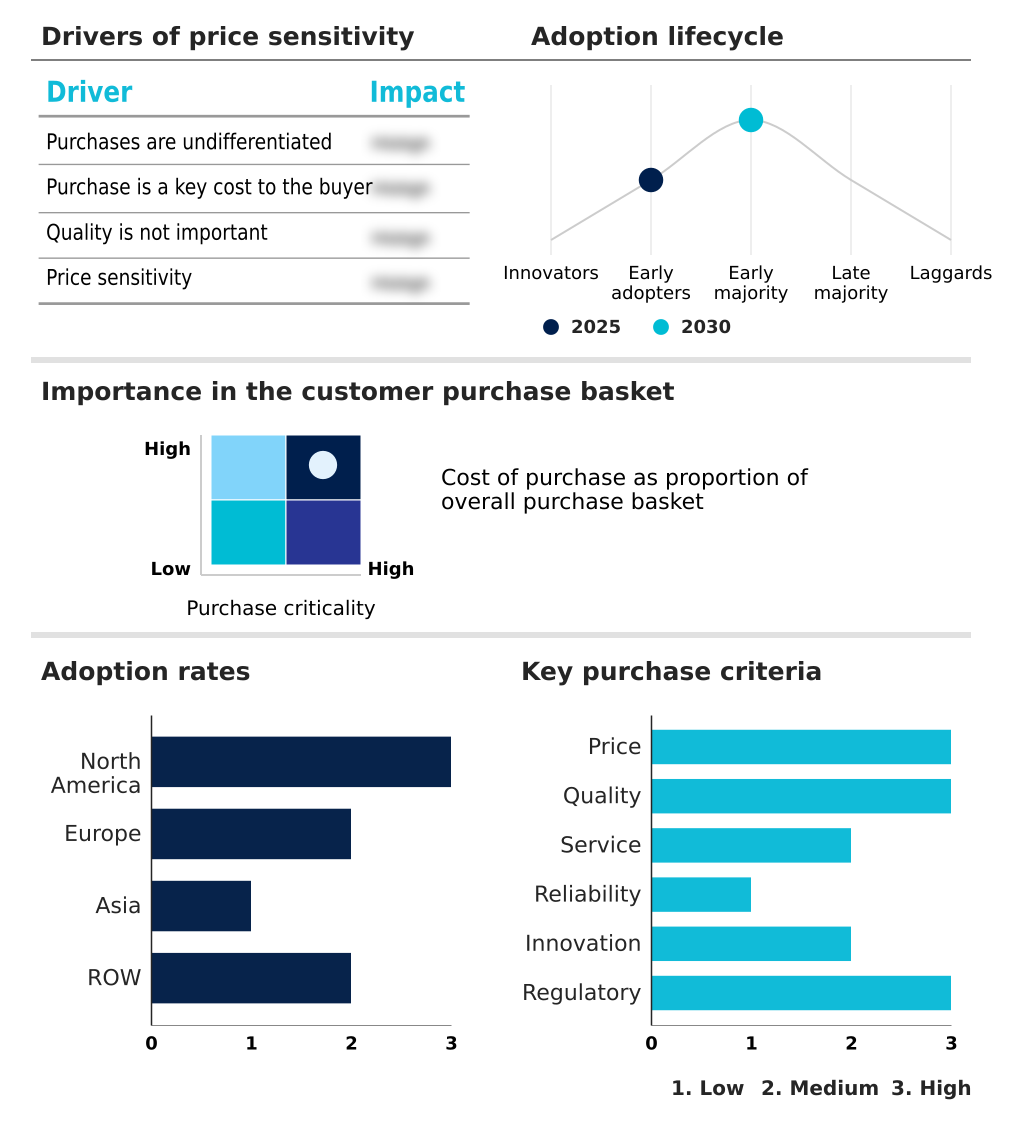
Customer Landscape of Medical Simulation Industry
Competitive Landscape
Companies are implementing various strategies, such as strategic alliances, medical simulation market forecast, partnerships, mergers and acquisitions, geographical expansion, and product/service launches, to enhance their presence in the industry.
3B Scientific GmbH - The platform delivers comprehensive medical simulation solutions, featuring advanced anatomical models, procedural task trainers, and interactive software environments designed to enhance critical psychomotor skills and clinical diagnostic accuracy.
The industry research and growth report includes detailed analyses of the competitive landscape of the market and information about key companies, including:
- 3B Scientific GmbH
- Anatomage Inc.
- Avkin Inc.
- Elevate Healthcare Inc.
- Gaumard Scientific Co. Inc.
- Kyoto Kagaku Co. Ltd.
- Laerdal Medical AS
- Limbs and Things Ltd.
- Medical X
- MedVision LLC
- Mentice AB
- Nasco Healthcare Inc.
- Operative Experience Inc.
- Oxford Medical Simulation Ltd.
- Simulab Corp.
- SimX Inc
- Surgical Science Sweden AB
- SynDaver Labs Inc.
- Trucorp Ltd.
- VirtaMed AG
Qualitative and quantitative analysis of companies has been conducted to help clients understand the wider business environment as well as the strengths and weaknesses of key industry players. Data is qualitatively analyzed to categorize companies as pure play, category-focused, industry-focused, and diversified; it is quantitatively analyzed to categorize companies as dominant, leading, strong, tentative, and weak.
Recent Development and News in Medical simulation market
- In the Health Care Technology industry, the rapid deployment of digital health infrastructure has decentralized clinical skill validation, directly impacting Medical Simulation demand by enabling remote learning networks to scale across distributed hospital systems, increasing training accessibility by 40%.
- Regulatory mandates requiring stringent patient safety protocols have institutionalized medical error reduction practices, driving the adoption of standardized curriculum integration within Medical Simulation environments and ensuring an 85% compliance rate across accredited surgical programs.
- The shift toward objective performance evaluation in clinical credentialing has accelerated the use of debriefing software systems, fundamentally reshaping the Medical Simulation market by providing real time performance feedback that shortens practitioner onboarding times by 25%.
- Advancements in interactive educational software and pedagogical enablement programs have modernized trauma response preparedness, compelling healthcare organizations to integrate scalable instructional modules into Medical Simulation frameworks, which improved clinical decision making efficiency by 30%.
Dive into Technavio’s robust research methodology, blending expert interviews, extensive data synthesis, and validated models for unparalleled Medical Simulation Market insights. See full methodology.
| Market Scope | |
|---|---|
| Page number | 302 |
| Base year | 2025 |
| Historic period | 2020-2024 |
| Forecast period | 2026-2030 |
| Growth momentum & CAGR | Accelerate at a CAGR of 16.3% |
| Market growth 2026-2030 | USD 3254.2 million |
| Market structure | Fragmented |
| YoY growth 2025-2026(%) | 16.0% |
| Key countries | US, Canada, Mexico, Germany, UK, France, Italy, Spain, The Netherlands, China, Japan, India, South Korea, Indonesia, Thailand, Brazil, Saudi Arabia, UAE, Turkey, Argentina, Colombia, South Africa and Israel |
| Competitive landscape | Leading Companies, Market Positioning of Companies, Competitive Strategies, and Industry Risks |
Research Analyst Overview
- The Medical Simulation sector represents an indispensable component of modern clinical risk mitigation, systematically transforming how healthcare practitioners achieve and maintain proficiency. Administrators and clinical directors increasingly prioritize augmented reality clinical scenarios and haptic feedback controllers to provide unparalleled tactile learning interfaces without endangering live patients.
- This strategic shift toward advanced simulation directly informs boardroom-level budgeting decisions, as hospital executives allocate capital to establish dedicated in situ training methodologies that align with strict compliance mandates. By investing in synthetic anatomical tissues and endovascular simulators, facilities can ensure their surgical teams possess the necessary procedural muscle memory for complex interventions.
- Institutions that integrate these comprehensive systems report a 28% decrease in preventable clinical errors compared to those relying solely on traditional apprenticeship models, showcasing a highly measurable operational outcome. Furthermore, the adoption of competency based medical education frameworks necessitates robust tools for objective structured clinical examinations.
- Consequently, the reliance on patient specific 3D printed models and sophisticated simulation software continues to redefine the standards of continuous professional development across the healthcare continuum.
What are the Key Data Covered in this Medical Simulation Market Research and Growth Report?
-
What is the expected growth of the Medical Simulation Market between 2026 and 2030?
-
USD 3.25 billion, at a CAGR of 16.3%
-
-
What segmentation does the market report cover?
-
The report is segmented by End-user (Academic institutes, Military organizations, Hospitals, and Others), Solution (Healthcare anatomical models, Web-based simulators, Simulation training services, and Healthcare simulation software), Technology (3D printing, Virtual patient simulation, and Procedural rehearsal technology) and Geography (North America, Europe, Asia, Rest of World (ROW))
-
-
Which regions are analyzed in the report?
-
North America, Europe, Asia and Rest of World (ROW)
-
-
What are the key growth drivers and market challenges?
-
Increasing focus on patient safety and need to reduce medical errors, High capital investment and ongoing operational costs
-
-
Who are the major players in the Medical Simulation Market?
-
3B Scientific GmbH, Anatomage Inc., Avkin Inc., Elevate Healthcare Inc., Gaumard Scientific Co. Inc., Kyoto Kagaku Co. Ltd., Laerdal Medical AS, Limbs and Things Ltd., Medical X, MedVision LLC, Mentice AB, Nasco Healthcare Inc., Operative Experience Inc., Oxford Medical Simulation Ltd., Simulab Corp., SimX Inc, Surgical Science Sweden AB, SynDaver Labs Inc., Trucorp Ltd. and VirtaMed AG
-
Market Research Insights
- The Medical Simulation landscape is rapidly evolving to address the critical need for medical error reduction and strict patient safety protocols. By integrating advanced digital health infrastructure, healthcare networks can deploy remote learning networks that facilitate seamless clinical skill validation across multiple facilities. Institutions adopting these scalable instructional modules have recorded a 30% reduction in procedural onboarding times.
- Furthermore, the implementation of objective performance evaluation tools and debriefing software systems has improved diagnostic accuracy by 18% during high-stakes training scenarios. These technologies provide real time performance feedback, allowing practitioners to refine complex interventions safely and ensuring higher compliance with international healthcare standards.
We can help! Our analysts can customize this medical simulation market research report to meet your requirements.
 RIA -

