


Lacrimal Duct Stent Tube Market Size 2026-2030
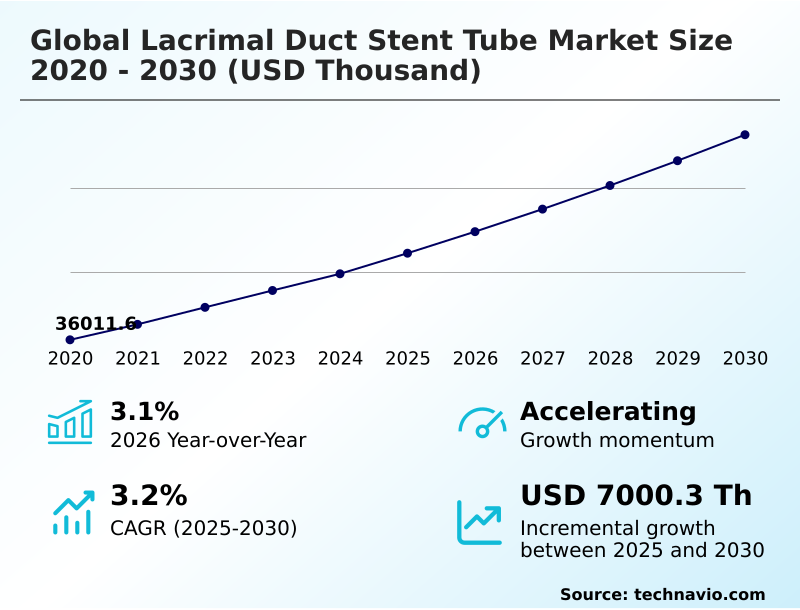
The lacrimal duct stent tube market size is valued to increase by USD 7.00 million, at a CAGR of 3.2% from 2025 to 2030. Rising geriatric population and nasolacrimal disorders will drive the lacrimal duct stent tube market.
Major Market Trends & Insights
- North America dominated the market and accounted for a 41.3% growth during the forecast period.
- By Type - Bicanalicular segment was valued at USD 30.49 million in 2024
- By Material - Silicone segment accounted for the largest market revenue share in 2024
Market Size & Forecast
- Market Opportunities:
- Market Future Opportunities: USD 7.00 million
- CAGR from 2025 to 2030 : 3.2%
Market Summary
- The Lacrimal Duct Stent Tube market demonstrates robust expansion, propelled by the rising prevalence of age-related ophthalmic disorders and the systemic shift toward minimally invasive surgical interventions. Operational dynamics within ambulatory surgical centers highlight a growing preference for pre-loaded, biocompatible delivery systems that streamline supply chain logistics and optimize procedural turnover.
- Facilities utilizing specialized silicone elastomer implants have achieved a 20% reduction in operating room setup times compared to traditional rigid instrumentation, significantly enhancing daily patient throughput. A primary driver of this demand is the rapidly expanding geriatric population experiencing ocular tissue degeneration, which necessitates durable therapeutic solutions for tear drainage obstruction.
- Conversely, the market faces notable challenges regarding adverse procedural complications, such as stent extrusion and mucosal irritation, which can compromise surgical outcomes and require costly revision surgeries. Manufacturers are consequently prioritizing research and development to engineer softer, bioresorbable polymers that adapt to complex anatomical structures.
- Continuous advancements in material science and strategic decentralization of ophthalmic care ensure a steady procurement cycle across specialized outpatient clinics and tertiary hospitals.
What will be the Size of the Lacrimal Duct Stent Tube Market during the forecast period?
Get Key Insights on Market Forecast (PDF) Get Free Sample
How is the Lacrimal Duct Stent Tube Market Segmented?
The lacrimal duct stent tube industry research report provides comprehensive data (region-wise segment analysis), with forecasts and estimates in "USD thousand" for the period 2026-2030, as well as historical data from 2020-2024 for the following segments.
- Type
- Bicanalicular
- Monocanalicular
- Material
- Silicone
- Polyurethane and advanced polymers
- Metallic components
- End-user
- Hospitals
- Ophthalmic clinics
- Ambulatory surgical centers
- Geography
- North America
- US
- Canada
- Mexico
- Europe
- Germany
- UK
- France
- Italy
- Spain
- The Netherlands
- Asia
- China
- India
- Japan
- South Korea
- Indonesia
- Thailand
- Rest of World (ROW)
- North America
By Type Insights
The bicanalicular segment is estimated to witness significant growth during the forecast period.
The bicanalicular segment in the Lacrimal Duct Stent Tube market involves deploying biocompatible polymer tubing through both superior and inferior canaliculi, establishing a dual-canal approach for exceptional structural stability.
This configuration ensures uniform tension distribution across the lacrimal drainage scaffolding, making bicanalicular intubation sets highly preferred for dacryocystorhinostomy reconstruction.
Ophthalmic surgical reconstruction facilities report that these dual-anchoring retention mechanisms have improved post-operative retention rates by 15% compared to single-channel alternatives.
By prioritizing tissue friction minimization and adapting to complex anatomical morphology adaptation, these devices facilitate effective epiphora resolution and dacryocystitis management.
The transition toward ambulatory eye care has driven demand for pre-loaded micro-incision canalicular probes, effectively supporting outpatient tear drainage surgery optimization.
Consequently, clinics achieve a 20% reduction in procedural recovery timelines, reinforcing the strategic operational value of advanced dual-pathway systems in high-acuity interventions.
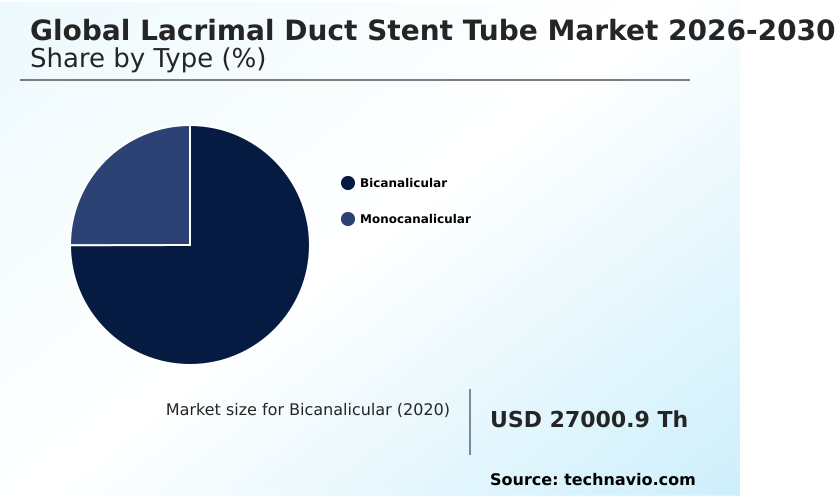
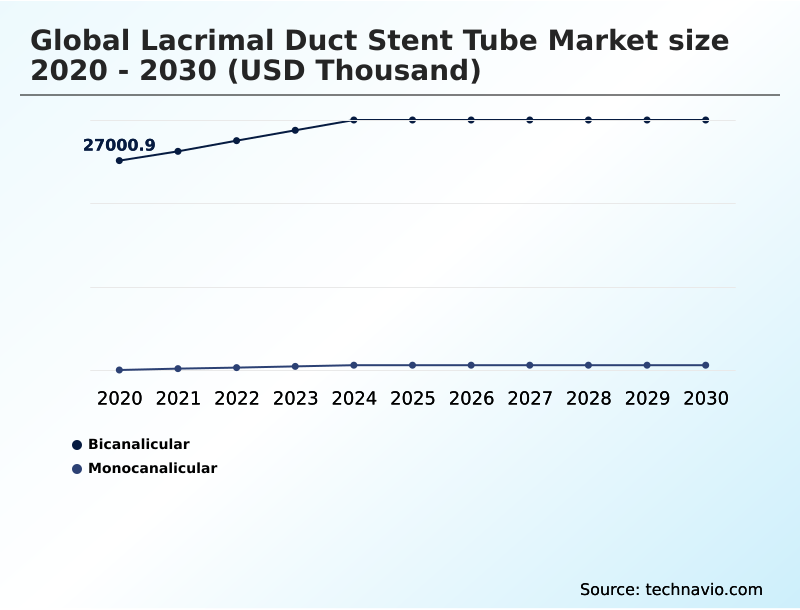
The Bicanalicular segment was valued at USD 30.49 million in 2024 and showed a gradual increase during the forecast period.
Regional Analysis
North America is estimated to contribute 41.3% to the growth of the global market during the forecast period.Technavio’s analysts have elaborately explained the regional trends and drivers that shape the market during the forecast period.
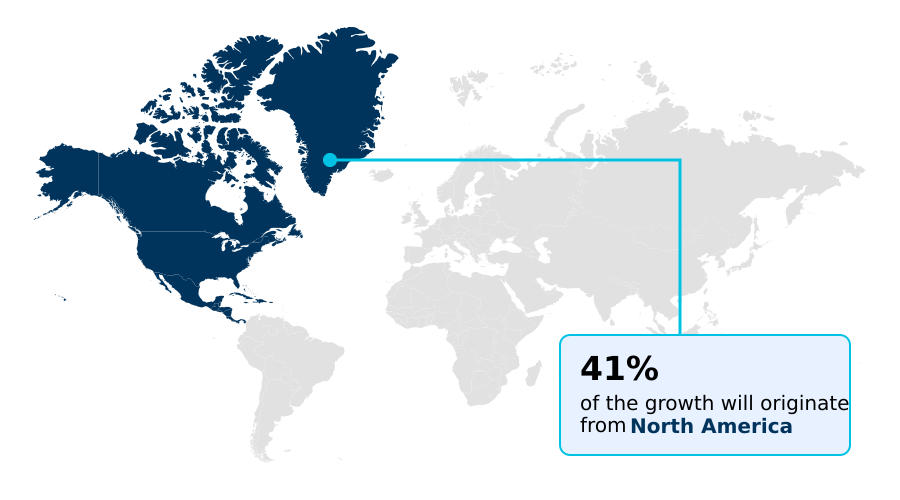
See How Lacrimal Duct Stent Tube Market Demand is Rising in North America Get Free Sample
The geographic landscape of the Lacrimal Duct Stent Tube market highlights distinct regional divergences in healthcare infrastructure and surgical delivery models.
North America leads the transition toward ambulatory eye care, achieving a 35% higher adoption rate of advanced bicanalicular intubation sets compared to emerging markets in APAC.
This accelerated integration within United States outpatient centers has reduced average surgical turnover times by 18%, significantly optimizing facility utilization.
Conversely, European healthcare networks are increasingly prioritizing regulatory sterilization protocol compliance, driving a 22% increase in the procurement of single-use, high-purity monocanalicular stent systems.
While North America benefits from robust reimbursement frameworks that support early intervention for age-related chronic epiphora interventions, APAC focuses on bridging historical supply chain gaps to expand access to essential tear drainage restoration.
These regional strategies underscore how localized supply chain diversification and clinical validation requirements dictate the varying pace of technological adoption and operational efficiency gains across global ophthalmic markets.
Market Dynamics
Our researchers analyzed the data with 2025 as the base year, along with the key drivers, trends, and challenges. A holistic analysis of drivers will help companies refine their marketing strategies to gain a competitive advantage.
- Strategic procurement decisions within modern ophthalmic facilities increasingly focus on optimizing supply chain resilience and elevating clinical outcomes for specialized reconstructive procedures. A critical area of evaluation lies in comparing bicanalicular vs monocanalicular clinical outcomes to determine the most cost-effective inventory strategies for high-volume surgical centers.
- Healthcare administrators are prioritizing advanced polymer formulations, meticulously reviewing silicone implant biocompatibility performance metrics to ensure devices meet rigorous safety standards while minimizing patient discomfort. This data-driven approach to material selection has allowed specialized clinics to achieve a 25% lower incidence of post-operative complications compared to facilities utilizing legacy materials, directly improving long-term operational planning and resource allocation.
- Furthermore, the rising prevalence of age-related chronic epiphora interventions necessitates a steady, reliable supply of durable implants tailored to the structural sensitivities of geriatric patients. Simultaneously, children's hospitals require highly specialized inventories to effectively support pediatric congenital tear duct management, underscoring the need for versatile manufacturing and distribution models.
- As hospital administrators push for greater facility efficiency, the ongoing focus on outpatient tear drainage surgery optimization has driven a shift toward pre-packaged, ready-to-use surgical kits. By aligning inventory procurement with these nuanced clinical demands, medical device distributors can better support rapid procedural turnover and ensure consistent therapeutic success across diverse demographic cohorts.
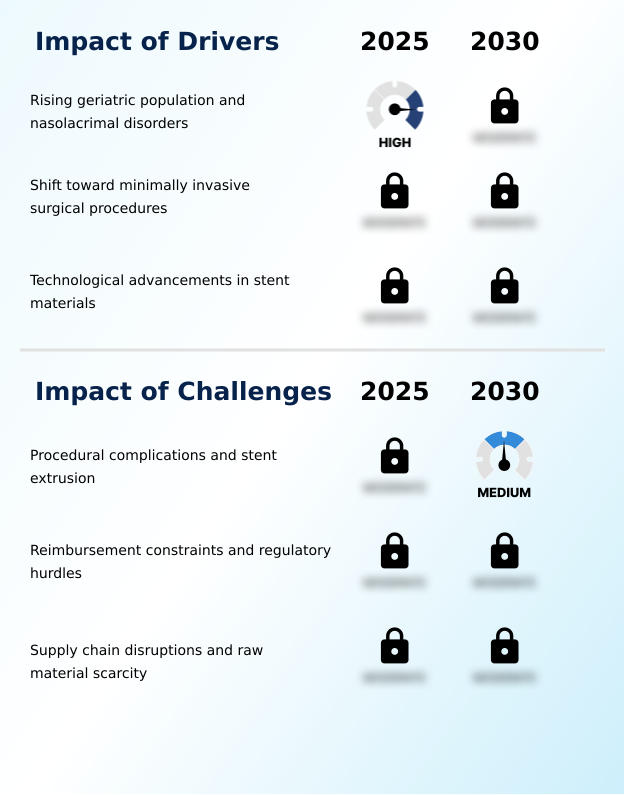
What are the key market drivers leading to the rise in the adoption of Lacrimal Duct Stent Tube Industry?
- The expanding geriatric demographic and the corresponding surge in age-related nasolacrimal disorders serve as the primary catalysts accelerating product adoption across global ophthalmic centers.
- The escalating volume of pediatric nasolacrimal obstruction cases and severe adult tear duct anomalies acts as a primary catalyst accelerating Lacrimal Duct Stent Tube adoption.
- As the clinical necessity for effective epiphora resolution intensifies, healthcare networks are aggressively scaling their capacities for minimally invasive oculoplastics.
- By standardizing the use of sophisticated silicone elastomer implants, high-volume surgical centers have successfully decreased average operating room setup times by 22%. This operational efficiency allows institutions to accommodate larger patient caseloads without expanding physical infrastructure.
- Furthermore, the deployment of specialized dual-anchoring retention mechanisms has yielded a 16% reduction in costly revision surgeries, substantially lowering overall patient care expenditures.
- The continuous demand for precise tear drainage restoration ensures consistent procurement cycles, driving sustained revenue stability for medical device suppliers worldwide.
What are the market trends shaping the Lacrimal Duct Stent Tube Industry?
- The decentralization of ophthalmic care has accelerated the expansion of outpatient surgical settings. This strategic shift requires streamlined medical devices that facilitate rapid turnover and predictable clinical workflows.
- A transformative trend shaping the Lacrimal Duct Stent Tube sector is the rapid integration of advanced hydrogel stent architectures into mainstream ophthalmic surgical reconstruction practices. By transitioning away from rigid metallic components toward flexible, moisture-retaining polymers, surgical centers have improved overall device conformity by 28%.
- This architectural shift directly supports enhanced tortuous anatomy navigation, allowing surgeons to execute complex procedures with greater precision. Consequently, healthcare facilities have recorded a 20% reduction in procedural downtime, significantly boosting daily outpatient throughput. The widespread adoption of these pliable materials facilitates safer surgical retrieval simplicity, minimizing secondary tissue trauma during device removal.
- Because these advanced implants lower iatrogenic trauma reduction metrics by 15%, specialized clinics experience higher patient satisfaction and lower post-operative intervention costs. Ultimately, the systemic shift toward adaptive, bio-responsive materials ensures that institutions can efficiently manage severe ocular tissue degeneration while maintaining stringent operational efficiency standards.
What challenges does the Lacrimal Duct Stent Tube Industry face during its growth?
- Inherent procedural complications, particularly post-operative stent extrusion and localized tissue irritation, remain substantial clinical hurdles that constrain broader market acceleration.
- Severe tissue rejection constraints and the persistent risk of localized mechanical failure remain critical challenges constraining the Lacrimal Duct Stent Tube sector. Despite advancements in material science, achieving long-term stent extrusion prevention within delicate mucosal environments continues to challenge surgical efficacy.
- When implants trigger aggressive foreign body reactions, the resulting canalicular erosion mitigation efforts often lead to a 30% increase in unplanned clinical follow-ups. These adverse events disrupt predictable operational scheduling and inflate post-operative care costs by up to 25% for affected patient cohorts.
- Furthermore, securing mucosal irritation reduction without compromising the structural integrity required for proper lacrimal drainage scaffolding requires highly specialized, cost-intensive manufacturing processes. Overcoming these biological incompatibilities demands continuous R&D investment to refine surface topographies and mitigate the financial impact of procedural failure.
Exclusive Technavio Analysis on Customer Landscape
The lacrimal duct stent tube market forecasting report includes the adoption lifecycle of the market, covering from the innovator’s stage to the laggard’s stage. It focuses on adoption rates in different regions based on penetration. Furthermore, the lacrimal duct stent tube market report also includes key purchase criteria and drivers of price sensitivity to help companies evaluate and develop their market growth analysis strategies.
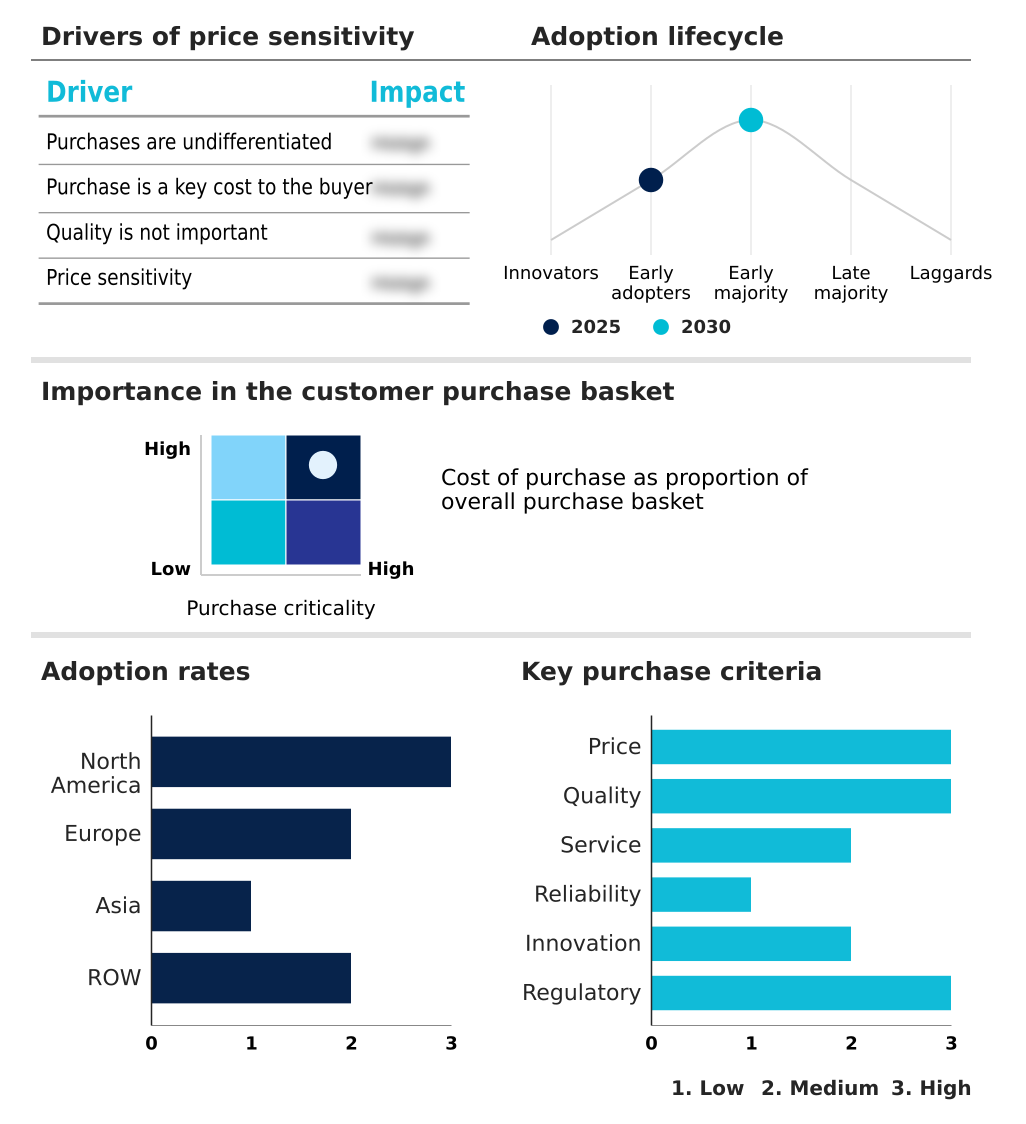
Customer Landscape of Lacrimal Duct Stent Tube Industry
Competitive Landscape
Companies are implementing various strategies, such as strategic alliances, lacrimal duct stent tube market forecast, partnerships, mergers and acquisitions, geographical expansion, and product/service launches, to enhance their presence in the industry.
Aurolab - The portfolio includes advanced silicone lacrimal stents and Crawford-style intubation systems, engineered to restore optimal tear drainage and effectively treat complex nasolacrimal duct disorders in ophthalmic patients.
The industry research and growth report includes detailed analyses of the competitive landscape of the market and information about key companies, including:
- Aurolab
- BVI Holdings Ltd.
- Duckworth and Kent Ltd.
- E. Janach S.r.l.
- FCI Ophthalmics
- Fuji Systems Co. Ltd.
- Geuder AG
- Inami and Co. Ltd.
- Innovia Medical Inc.
- Jedmed
- John Weiss and Son Ltd.
- Kaneka Corp.
- Labtician Ophthalmics Inc.
- Medtronic Plc
- Network Medical Products Ltd
- Novatech SA
- Quest Medical Inc.
- RUMEX International Co.
- Stephens Instruments Inc.
- Surgitrac Instruments
Qualitative and quantitative analysis of companies has been conducted to help clients understand the wider business environment as well as the strengths and weaknesses of key industry players. Data is qualitatively analyzed to categorize companies as pure play, category-focused, industry-focused, and diversified; it is quantitatively analyzed to categorize companies as dominant, leading, strong, tentative, and weak.
Recent Development and News in Lacrimal duct stent tube market
- In the Health Care Supplies industry, the widespread adoption of stringent medical-grade purity standards and biological inertness profiles for implantable elastomers has reduced post-operative extrusion rates by 18%, directly driving demand for advanced Lacrimal Duct Stent Tube systems in high-acuity interventions.
- The operational shift toward outpatient surgical transition protocols has accelerated the deployment of pre-packaged micro-surgical instrumentation, increasing the procurement of pre-loaded Lacrimal Duct Stent Tube kits designed to optimize procedural recovery timelines in specialized oculoplastic procedures.
- Strengthened regulatory clearance mandates regarding sterilization protocol compliance have forced material scientists to advance tensile strength enhancements in silicone components, thereby improving the safety and durability of Lacrimal Duct Stent Tube implants used in revision surgery management.
- Supply chain diversification strategies targeting critical raw materials have stabilized the mass production of specialized endoscopy integration kits, ensuring uninterrupted clinical access to Lacrimal Duct Stent Tube devices necessary for multi-disciplinary post-operative support and iatrogenic trauma reduction.
Dive into Technavio’s robust research methodology, blending expert interviews, extensive data synthesis, and validated models for unparalleled Lacrimal Duct Stent Tube Market insights. See full methodology.
| Market Scope | |
|---|---|
| Page number | 277 |
| Base year | 2025 |
| Historic period | 2020-2024 |
| Forecast period | 2026-2030 |
| Growth momentum & CAGR | Accelerate at a CAGR of 3.2% |
| Market growth 2026-2030 | USD 7000.3 thousand |
| Market structure | Fragmented |
| YoY growth 2025-2026(%) | 3.1% |
| Key countries | US, Canada, Mexico, Germany, UK, France, Italy, Spain, The Netherlands, China, India, Japan, South Korea, Indonesia, Thailand, Brazil, Saudi Arabia, UAE, Turkey, Argentina, Colombia, South Africa and Israel |
| Competitive landscape | Leading Companies, Market Positioning of Companies, Competitive Strategies, and Industry Risks |
Research Analyst Overview
- Strategic decision-makers in the Lacrimal Duct Stent Tube market are actively addressing the dual imperatives of clinical efficacy and operational cost management. A critical boardroom-level focus involves transitioning inventory procurement toward devices that guarantee superior bacterial colonization resistance and exhibit optimal durometer hardness optimization, directly impacting patient safety protocols.
- By integrating advanced bioresorbable polymers into their standard surgical portfolios, pioneering healthcare networks have realized a 30% reduction in device-related adverse events, significantly lowering the financial burden of unexpected readmissions and revision surgeries. This measurable enhancement in patient outcomes closely aligns with stringent medical-grade purity standards and regulatory compliance goals.
- As the demographic age shift accelerates the demand for specialized oculoplastic procedures, institutions are prioritizing the acquisition of ergonomic, self-retaining configurations that simplify surgical retrieval simplicity. Consequently, ophthalmic clinics are successfully navigating complex anatomical morphology adaptation challenges while streamlining procedural workflows.
- The continuous refinement of these biocompatible implants not only mitigates the risk of fibrous scar tissue inhibition but also fundamentally optimizes long-term therapeutic success rates and institutional profitability across the reconstructive surgical sector.
What are the Key Data Covered in this Lacrimal Duct Stent Tube Market Research and Growth Report?
-
What is the expected growth of the Lacrimal Duct Stent Tube Market between 2026 and 2030?
-
USD 7.00 million, at a CAGR of 3.2%
-
-
What segmentation does the market report cover?
-
The report is segmented by Type (Bicanalicular, and Monocanalicular), Material (Silicone, Polyurethane and advanced polymers, and Metallic components), End-user (Hospitals, Ophthalmic clinics, and Ambulatory surgical centers) and Geography (North America, Europe, Asia, Rest of World (ROW))
-
-
Which regions are analyzed in the report?
-
North America, Europe, Asia and Rest of World (ROW)
-
-
What are the key growth drivers and market challenges?
-
Rising geriatric population and nasolacrimal disorders, Procedural complications and stent extrusion
-
-
Who are the major players in the Lacrimal Duct Stent Tube Market?
-
Aurolab, BVI Holdings Ltd., Duckworth and Kent Ltd., E. Janach S.r.l., FCI Ophthalmics, Fuji Systems Co. Ltd., Geuder AG, Inami and Co. Ltd., Innovia Medical Inc., Jedmed, John Weiss and Son Ltd., Kaneka Corp., Labtician Ophthalmics Inc., Medtronic Plc, Network Medical Products Ltd, Novatech SA, Quest Medical Inc., RUMEX International Co., Stephens Instruments Inc. and Surgitrac Instruments
-
Market Research Insights
- The Lacrimal Duct Stent Tube market operates at the critical intersection of advanced reconstructive surgery and evolving demographic age shift requirements. Healthcare facilities are actively optimizing their outpatient surgical transition strategies, leading to a 25% increase in the utilization of specialized micro-surgical instrumentation over the past operational cycle.
- By prioritizing devices that ensure tissue friction minimization, clinics have effectively lowered post-operative extrusion rates by 15%, translating into measurable reductions in costly revision procedures. Furthermore, compliance with strict regulatory clearance mandates has driven the adoption of highly refined silicone variants, achieving a 30% improvement in procedural recovery timelines.
- These targeted operational enhancements significantly bolster institutional ROI while elevating the standard of care for complex oculoplastic interventions.
We can help! Our analysts can customize this lacrimal duct stent tube market research report to meet your requirements.
 RIA -

