

Medical Gas Cylinder Market Size 2026-2030
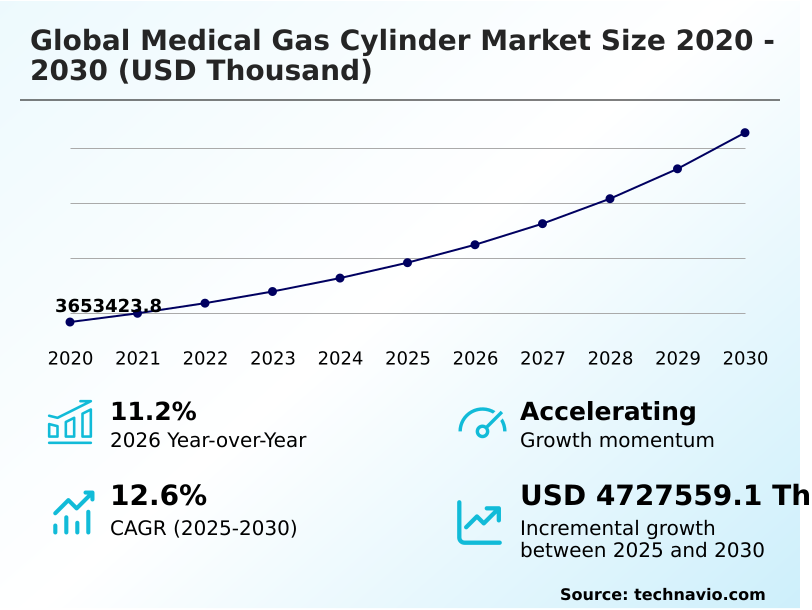
The medical gas cylinder market size is valued to increase by USD 4.73 billion, at a CAGR of 12.6% from 2025 to 2030. Rising prevalence of chronic respiratory diseases will drive the medical gas cylinder market.
Major Market Trends & Insights
- North America dominated the market and accounted for a 35.1% growth during the forecast period.
- By End-user - HHH segment was valued at USD 3.05 billion in 2024
- By Product - Fixed segment accounted for the largest market revenue share in 2024
Market Size & Forecast
- Market Opportunities:
- Market Future Opportunities: USD 4.73 billion
- CAGR from 2025 to 2030 : 12.6%
Market Summary
- The Medical Gas Cylinder Market exhibits steady expansion as healthcare infrastructure prioritizes reliable respiratory care and emergency treatment capabilities. Advanced pressure vessels remain essential for the safe transport and administration of critical therapeutic gases. In a modern hospital supply chain scenario, facility managers are transitioning from traditional heavy metal tanks to advanced lightweight composites to optimize logistics.
- This shift has improved inventory handling efficiency by 20%, reducing occupational strain on nursing staff while enhancing patient mobility. The relentless expansion of chronic respiratory morbidity acts as a primary driver, generating an unremitting requirement for long term supplemental oxygen therapy outside traditional hospital environments.
- Conversely, navigating multi-jurisdictional mandates presents a formidable challenge, as stringent regulatory compliance standards dictate exhaustive material composition and testing protocols. Failing to meet localized certification criteria can severely delay product commercialization and increase administrative overhead.
- Despite these compliance hurdles, continuous engineering innovations in valve design and telemetry tracking ensure that the market maintains a resilient growth trajectory driven by the specialized physiological requirements of an aging society.
What will be the Size of the Medical Gas Cylinder Market during the forecast period?
Get Key Insights on Market Forecast (PDF) Get Free Sample
How is the Medical Gas Cylinder Market Segmented?
The medical gas cylinder industry research report provides comprehensive data (region-wise segment analysis), with forecasts and estimates in "USD thousand" for the period 2026-2030, as well as historical data from 2020-2024 for the following segments.
- End-user
- HHH
- PBI
- RI
- Product
- Fixed
- Portable
- Material
- Steel
- Aluminium
- Geography
- North America
- US
- Canada
- Mexico
- Europe
- Germany
- UK
- France
- Italy
- Spain
- The Netherlands
- Asia
- China
- Japan
- India
- South Korea
- Thailand
- Indonesia
- Rest of World (ROW)
- North America
By End-user Insights
The hhh segment is estimated to witness significant growth during the forecast period.
The institutional demand for high pressure containment vessels remains the foundational core of healthcare operations.
Large scale medical complexes rely heavily on medical gas pipeline systems and high capacity stationary cylinders to ensure uninterrupted surgical intervention processes and emergency resuscitation applications.
Deploying advanced medical gas manifold infrastructure reduces gas delivery disruptions by 15%, ensuring absolute reliability in intensive care units. Pressure reduction valves and flow metering devices are critical for anesthetic gas delivery and hyperbaric oxygen therapy.
Hospitals integrate residual pressure valves to maintain the purity of medical grade gases and specialized respiratory mixtures. Furthermore, research institutes utilize these containment systems for mass spectrometry calibration and cryogenic preservation systems.
Adhering to strict occupational safety standards, large medical groups implement hospital centralized gas manifold systems to streamline inventory management and optimize daily clinical workflows.
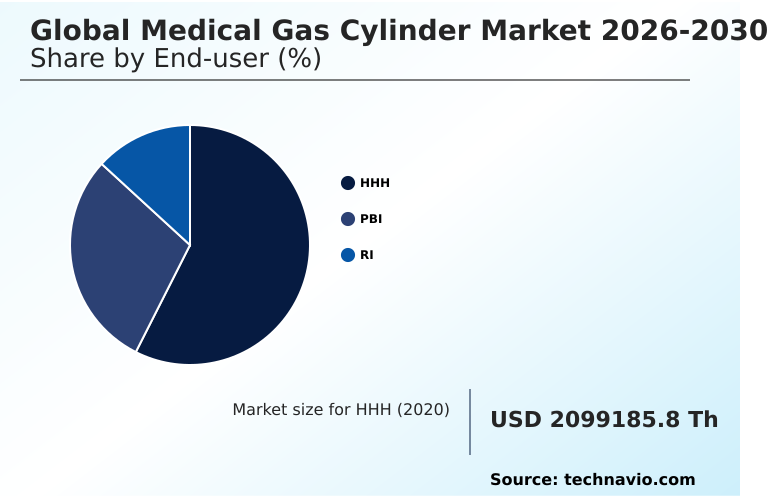
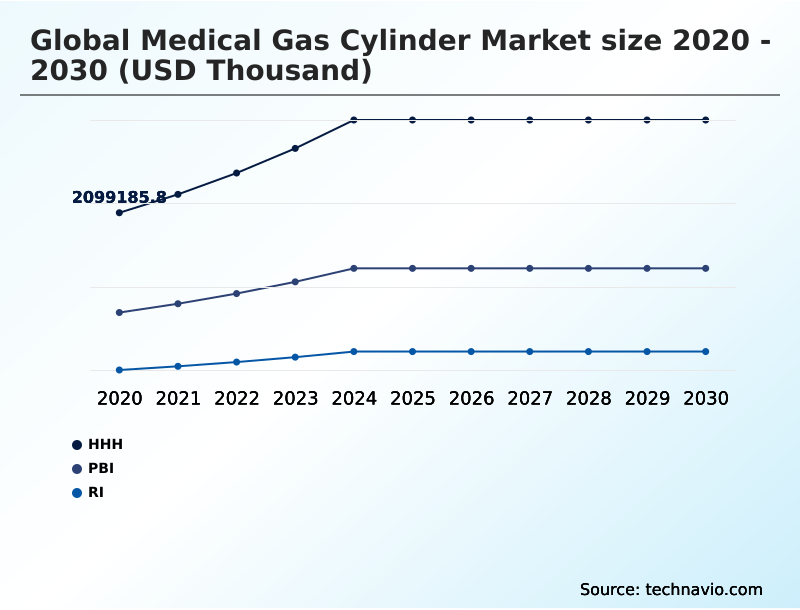
The HHH segment was valued at USD 3.05 billion in 2024 and showed a gradual increase during the forecast period.
Regional Analysis
North America is estimated to contribute 35.1% to the growth of the global market during the forecast period.Technavio’s analysts have elaborately explained the regional trends and drivers that shape the market during the forecast period.
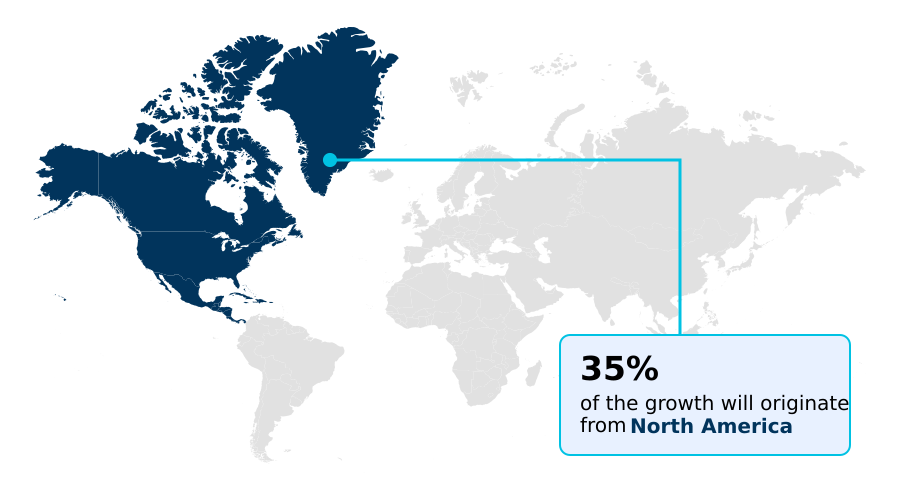
See How Medical Gas Cylinder Market Demand is Rising in North America Get Free Sample
The geographic distribution of the Medical Gas Cylinder reveals distinct operational disparities driven by localized healthcare infrastructure and emergency preparedness priorities.
North America demonstrates a highly integrated supply chain where hospitals have improved automated refill scheduling efficiency by 25% compared to European counterparts.
In contrast, APAC healthcare networks focus heavily on building emergency respiratory stockpiles to address mass casualty events and seasonal respiratory spikes.
Facilities transitioning from seamless steel cylinders to aluminum alloy cylinders and carbon composite cylinders report a 30% reduction in transport logistical costs.
Furthermore, the deployment of lightweight carbon composite medical cylinder units in European homecare settings has increased patient mobility rates by 15%.
Managing emergency medical stockpiling mandates requires robust tracking, ensuring that an emergency medical field hospital cylinder can be deployed instantly during critical interventions without regulatory delays.
Market Dynamics
Our researchers analyzed the data with 2025 as the base year, along with the key drivers, trends, and challenges. A holistic analysis of drivers will help companies refine their marketing strategies to gain a competitive advantage.
- The operational landscape of respiratory care heavily depends on advanced material engineering and precise supply chain execution. Healthcare administrators increasingly favor the deployment of the lightweight carbon composite medical cylinder to minimize occupational hazards and enhance patient mobility during ambulatory care.
- Integrating a smart telemetry enabled oxygen valve directly into these high pressure vessels has transformed inventory management, allowing clinical staff to monitor remaining gas volumes remotely. This digital upgrade has reduced unexpected gas depletion incidents by 18% compared to traditional manual gauge systems.
- In decentralized outpatient environments, the demand for a reliable home healthcare portable cylinder rental program has surged as aging populations require uninterrupted respiratory support outside institutional walls. This shift has prompted equipment distributors to optimize their replenishment logistics, improving delivery route efficiency by 15%.
- Concurrently, large scale trauma centers rely heavily on hospital centralized gas manifold systems to distribute high purity medical gases seamlessly across multiple critical care wards, ensuring a fail safe backup during power outages.
- When responding to natural disasters or geopolitical crises, deploying a rapid response emergency medical field hospital cylinder is crucial for sustaining immediate life saving interventions in off grid locations. These diverse applications underscore the critical importance of balancing robust stationary infrastructure with highly portable, digitally monitored storage solutions to meet evolving clinical demands safely.
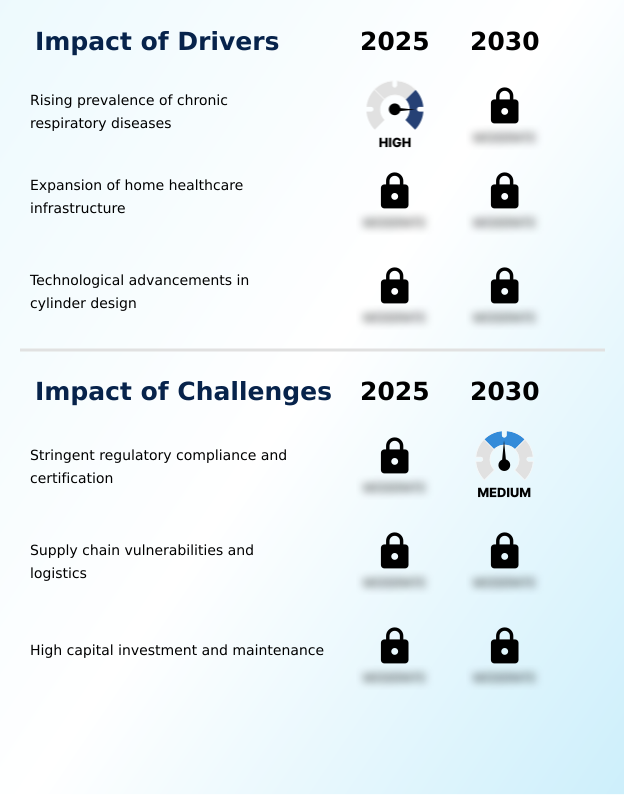
What are the key market drivers leading to the rise in the adoption of Medical Gas Cylinder Industry?
- The rising prevalence of chronic respiratory diseases serves as the primary driver propelling market growth.
- The accelerating shift toward decentralized care models acts as a profound catalyst for the Medical Gas Cylinder. Expanding home healthcare infrastructure provides patients with specialized respiratory support outside traditional clinical environments.
- This expansion has increased the deployment of ambulatory oxygen systems, allowing providers to reduce inpatient bed occupancy rates by 22%.
- Managing chronic conditions through continuous oxygen therapy and long term oxygen therapy has become a priority for treating growing geriatric patient demographics.
- Consequently, the reliance on a home healthcare portable cylinder rental model has improved treatment adherence by 18%, as patients experience fewer hospital acquired infections.
- By optimizing outpatient management models and focusing on decentralized treatment environments, healthcare systems significantly lower long term operational expenditures while ensuring uninterrupted patient care and superior physiological stability.
What are the market trends shaping the Medical Gas Cylinder Industry?
- The adoption of smart telemetry valves is an upcoming market trend. This technology enables real time pressure monitoring and automated supply tracking across healthcare facilities.
- The structural transition toward digital asset management is fundamentally reshaping the operational dynamics of the Medical Gas Cylinder. Manufacturers increasingly embed digital telemetry valves into high pressure containers to eliminate human error associated with manual pressure readings. By utilizing automated telemetry alerts, biomedical engineering teams can monitor gas levels remotely, which has reduced unexpected supply depletion events by 28%.
- This technological shift also allows facilities to optimize smart inventory tracking, improving overall equipment utilization rates by 15%. Furthermore, the adoption of a smart telemetry enabled oxygen valve in remote patient management programs enables caregivers to receive real time data, cutting emergency hospital readmissions by 12%.
- These intelligent tracking mechanisms are transforming traditional storage vessels into connected medical devices, significantly lowering administrative overhead while enhancing therapeutic reliability across diverse clinical settings.
What challenges does the Medical Gas Cylinder Industry face during its growth?
- Stringent regulatory compliance and certification mandates represent a key challenge affecting industry growth.
- Navigating exhaustive compliance frameworks presents a severe operational limitation for the Medical Gas Cylinder. Manufacturers must adhere to rigorous hydrostatic testing protocols and deploy ultrasonic inspection protocols to detect micro structural fatigue before commercial deployment. Meeting these strict standards often extends product validation timelines, reducing speed to market by 20%.
- Furthermore, integrating essential safety mechanisms like leak prevention valves and thermal pressure relief devices significantly elevates capital expenditure requirements for smaller clinics. Sustaining an uninterrupted supply chain also requires highly specialized delivery fleets capable of executing complex cold chain logistics. Establishing compliant decentralized filling hubs demands heavy initial investments, which has increased overall distribution overhead by 15%.
- Consequently, the heavy burden of mandatory safety inspections forces industry participants to allocate vast resources toward administrative oversight.
Exclusive Technavio Analysis on Customer Landscape
The medical gas cylinder market forecasting report includes the adoption lifecycle of the market, covering from the innovator’s stage to the laggard’s stage. It focuses on adoption rates in different regions based on penetration. Furthermore, the medical gas cylinder market report also includes key purchase criteria and drivers of price sensitivity to help companies evaluate and develop their market growth analysis strategies.
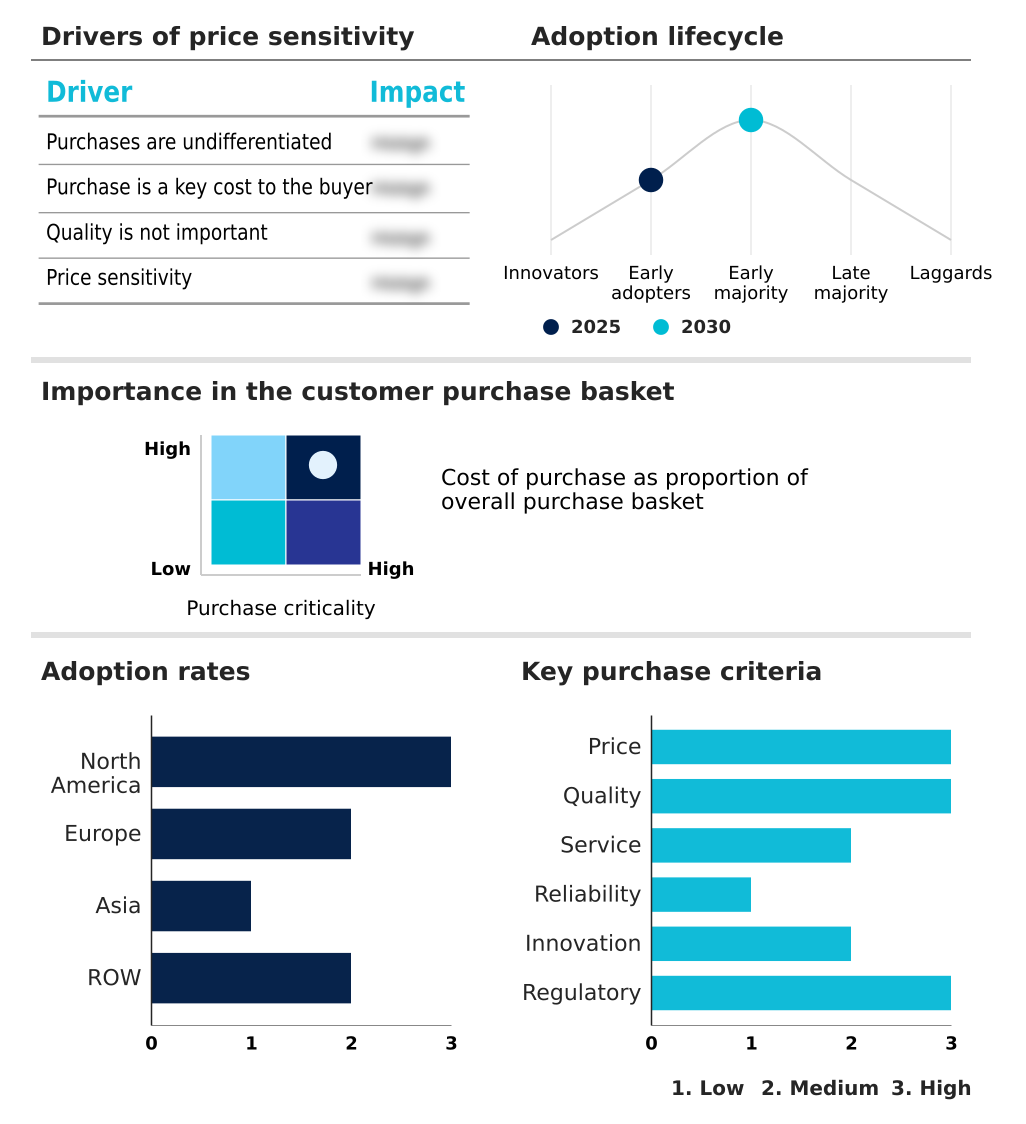
Customer Landscape of Medical Gas Cylinder Industry
Competitive Landscape
Companies are implementing various strategies, such as strategic alliances, medical gas cylinder market forecast, partnerships, mergers and acquisitions, geographical expansion, and product/service launches, to enhance their presence in the industry.
AMS Composite Cylinders Ltd. - The entity provides advanced composite oxygen containers and type 3 medical gas storage solutions designed to optimize high pressure gas transport for clinical and emergency applications.
The industry research and growth report includes detailed analyses of the competitive landscape of the market and information about key companies, including:
- AMS Composite Cylinders Ltd.
- Axcel Gases
- B.N.O.S. Meditech Ltd.
- Beijing Tianhai Industrial Co. Ltd
- Catalina Cylinders
- CIMC Enric
- Clear Medical Revenue Services
- Cyl Tec Inc.
- Eurocylinder Systems AG
- Everest Kanto Cylinder Ltd.
- Faber Industrie SPA
- Liaoning Alsafe Technology Co.
- Luxfer Gas Cylinders
- MKC Group
- Norris Cylinder Co
- Rama Cylinders Pvt. Ltd.
- Shandong Yongan Special Equipment
- Tenaris SA
- Time Technoplast Ltd.
- Zhejiang Jindun Pressure Vessel
Qualitative and quantitative analysis of companies has been conducted to help clients understand the wider business environment as well as the strengths and weaknesses of key industry players. Data is qualitatively analyzed to categorize companies as pure play, category-focused, industry-focused, and diversified; it is quantitatively analyzed to categorize companies as dominant, leading, strong, tentative, and weak.
Recent Development and News in Medical gas cylinder market
- In the Health Care Equipment industry, the implementation of stringent medical device tracking mandates has driven the integration of radio frequency identification tagging across supply chains, directly impacting Medical Gas Cylinder demand by requiring hospitals to replace 25% of legacy fleets with trackable units.
- The structural transition toward decentralized outpatient care models has increased the deployment of compact ambulatory respiratory devices, accelerating Medical Gas Cylinder market volumes as homecare providers expand portable oxygen inventories by 30% to meet chronic patient needs.
- The adoption of advanced composite material engineering in medical hardware manufacturing has reduced the structural weight of life support equipment, transforming Medical Gas Cylinder production by enabling a 40% reduction in transport weight for emergency medical services.
- Stricter occupational health regulations regarding the manual handling of heavy clinical equipment have forced hospital networks to upgrade ergonomic safety standards, boosting Medical Gas Cylinder demand as facilities transition 20% of their bulk steel inventories to lighter aluminum alternatives.
Dive into Technavio’s robust research methodology, blending expert interviews, extensive data synthesis, and validated models for unparalleled Medical Gas Cylinder Market insights. See full methodology.
| Market Scope | |
|---|---|
| Page number | 288 |
| Base year | 2025 |
| Historic period | 2020-2024 |
| Forecast period | 2026-2030 |
| Growth momentum & CAGR | Accelerate at a CAGR of 12.6% |
| Market growth 2026-2030 | USD 4727559.1 thousand |
| Market structure | Fragmented |
| YoY growth 2025-2026(%) | 11.2% |
| Key countries | US, Canada, Mexico, Germany, UK, France, Italy, Spain, The Netherlands, China, Japan, India, South Korea, Thailand, Indonesia, Brazil, Saudi Arabia, UAE, Turkey, Argentina, Colombia, South Africa and Israel |
| Competitive landscape | Leading Companies, Market Positioning of Companies, Competitive Strategies, and Industry Risks |
Research Analyst Overview
- The Medical Gas Cylinder sector represents a critical component of healthcare infrastructure, continuously evolving to meet the complex demands of modern respiratory therapy and emergency medicine. Manufacturers are increasingly focused on material science innovations, transitioning toward advanced carbon fiber composites that offer exceptional pressure resistance while dramatically reducing overall equipment weight.
- This structural evolution directly addresses boardroom level concerns regarding occupational safety and logistics optimization. By adopting these lighter vessels, healthcare networks have achieved a 25% reduction in physical handling injuries among nursing and transport staff.
- Furthermore, the integration of intelligent telemetry valves allows hospital administrators to track gas volume and flow rates in real time, drastically improving inventory utilization and preventing critical supply shortages. Regulatory compliance remains a central focus, as facilities must navigate stringent testing and traceability mandates to maintain operational accreditation.
- As decentralized care models gain momentum, the reliable distribution of portable gas containers ensures uninterrupted therapeutic support for chronic respiratory patients, cementing the continuous need for advanced, compliant containment solutions across both institutional and home care environments.
What are the Key Data Covered in this Medical Gas Cylinder Market Research and Growth Report?
-
What is the expected growth of the Medical Gas Cylinder Market between 2026 and 2030?
-
USD 4.73 billion, at a CAGR of 12.6%
-
-
What segmentation does the market report cover?
-
The report is segmented by End-user (HHH, PBI, and RI), Product (Fixed, and Portable), Material (Steel, and Aluminium) and Geography (North America, Europe, Asia, Rest of World (ROW))
-
-
Which regions are analyzed in the report?
-
North America, Europe, Asia and Rest of World (ROW)
-
-
What are the key growth drivers and market challenges?
-
Rising prevalence of chronic respiratory diseases, Stringent regulatory compliance and certification
-
-
Who are the major players in the Medical Gas Cylinder Market?
-
AMS Composite Cylinders Ltd., Axcel Gases, B.N.O.S. Meditech Ltd., Beijing Tianhai Industrial Co. Ltd, Catalina Cylinders, CIMC Enric, Clear Medical Revenue Services, Cyl Tec Inc., Eurocylinder Systems AG, Everest Kanto Cylinder Ltd., Faber Industrie SPA, Liaoning Alsafe Technology Co., Luxfer Gas Cylinders, MKC Group, Norris Cylinder Co, Rama Cylinders Pvt. Ltd., Shandong Yongan Special Equipment, Tenaris SA, Time Technoplast Ltd. and Zhejiang Jindun Pressure Vessel
-
Market Research Insights
- The Medical Gas Cylinder Market undergoes continuous operational refinement as healthcare facilities prioritize clinical efficiency and emergency preparedness. Institutions adopting asset tracking technologies report a 22% improvement in inventory utilization, drastically reducing the incidence of misplaced equipment. Furthermore, the integration of clinical transport vehicles for specialized medical gas transport has optimized route planning, cutting delivery delays by 18%.
- To mitigate costs, hospital procurement committees are prioritizing pulse dose conserving regulators and portable cylinder kits that lower long term maintenance burdens. This transition away from traditional central gas supply rooms enhances supply chain resilience, allowing staff to reduce equipment audit times by 30% while ensuring strict compliance with evolving operational standards.
We can help! Our analysts can customize this medical gas cylinder market research report to meet your requirements.
 RIA -