

Nurse Call Systems Market Size 2026-2030
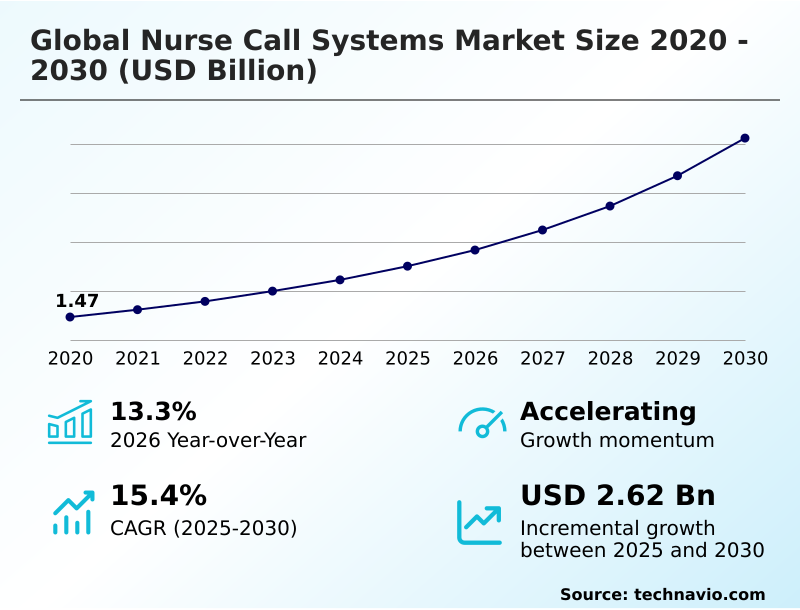
The nurse call systems market size is valued to increase by USD 2.62 billion, at a CAGR of 15.4% from 2025 to 2030. Rising geriatric population and chronic illnesses will drive the nurse call systems market.
Major Market Trends & Insights
- North America dominated the market and accounted for a 35.3% growth during the forecast period.
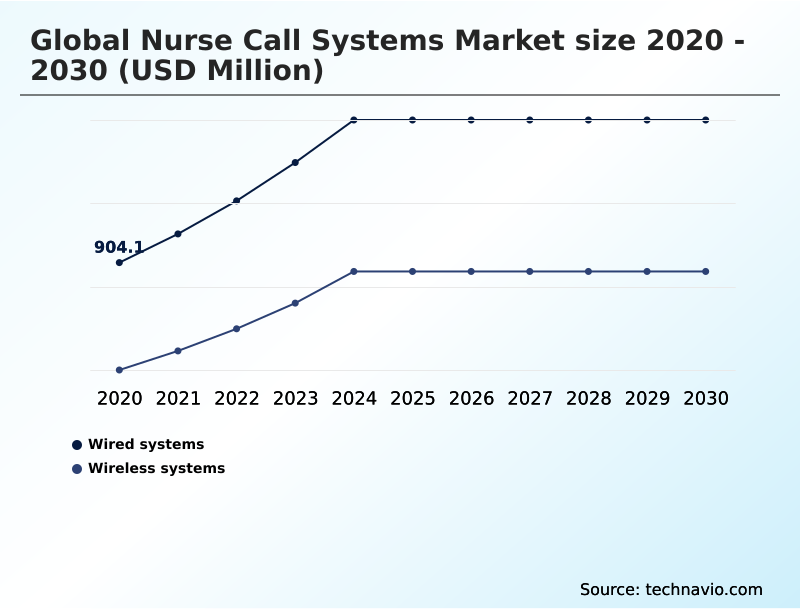
- By Technology - Wired systems segment was valued at USD 1.35 billion in 2024
- By End-user - Hospitals segment accounted for the largest market revenue share in 2024
Market Size & Forecast
- Market Opportunities: USD 3.66 billion
- Market Future Opportunities: USD 2.62 billion
- CAGR from 2025 to 2030 : 15.4%
Market Summary
- The Nurse Call Systems market represents a critical component of modern clinical operations, fundamentally shifting from basic signaling devices to sophisticated healthcare communication infrastructure. Driven by an escalating geriatric demographic and rising patient acuity, medical facilities are aggressively deploying predictive patient monitoring frameworks. This transition directly addresses pervasive nursing workforce shortages by streamlining staff allocation and prioritizing urgent care interventions.
- For instance, in acute care settings, integrating automated alert escalation with smart hospital workflows has improved task prioritization efficiency by 22%, significantly reducing the cognitive burden on frontline caregivers. However, the market faces substantial friction from prohibitive installation expenses and complex regulatory compliance mandates.
- Retrofitting older facilities with advanced IP-based networks often requires extensive structural modifications that disrupt daily operations and strain capital budgets. Despite these infrastructural challenges, administrators prioritize these investments to mitigate clinical risks and enhance patient satisfaction. Ultimately, modern Nurse Call Systems function as indispensable enterprise data hubs, enabling real-time operational oversight and ensuring rapid, coordinated responses during high-stakes medical emergencies.
What will be the Size of the Nurse Call Systems Market during the forecast period?
Get Key Insights on Market Forecast (PDF) Get Free Sample
How is the Nurse Call Systems Market Segmented?
The nurse call systems industry research report provides comprehensive data (region-wise segment analysis), with forecasts and estimates in "USD million" for the period 2026-2030, as well as historical data from 2020-2024 for the following segments.
- Technology
- Wired systems
- Wireless systems
- End-user
- Hospitals
- ASCs or clinics
- Long-term care facilities
- Product
- Basic button based systems
- Mobile or smartphone integrated systems
- IP based interconnectivity systems
- Others
- Geography
- North America
- US
- Canada
- Mexico
- Europe
- Germany
- UK
- France
- Italy
- Spain
- The Netherlands
- APAC
- China
- Japan
- India
- South Korea
- Australia
- Indonesia
- Middle East and Africa
- Saudi Arabia
- UAE
- South Africa
- Israel
- Turkey
- South America
- Brazil
- Argentina
- Chile
- North America
By Technology Insights
The wired systems segment is estimated to witness significant growth during the forecast period.
Wired nurse call infrastructure remains a cornerstone of institutional risk management, particularly within high acuity inpatient wards where uninterrupted signal security is paramount.
By utilizing dedicated copper conduit runs, these closed-circuit networks eliminate the vulnerabilities associated with radio frequency interference and battery depletion. This architectural stability ensures zero-latency transmission during critical emergencies, directly supporting rigorous patient safety compliance.
Recent advancements have successfully merged traditional physical backbones with intelligent software layers, allowing seamless data exchange with electronic health record platforms.
Facilities undertaking legacy infrastructure retrofitting report that integrating bidirectional voice communication into existing wired frameworks improves caregiver response time by up to 25%.
This hybrid approach maximizes capital asset longevity while satisfying stringent cybersecurity resilience standards, enabling hospital administrators to optimize clinical workflows without compromising the foundational reliability required in acute care environments.
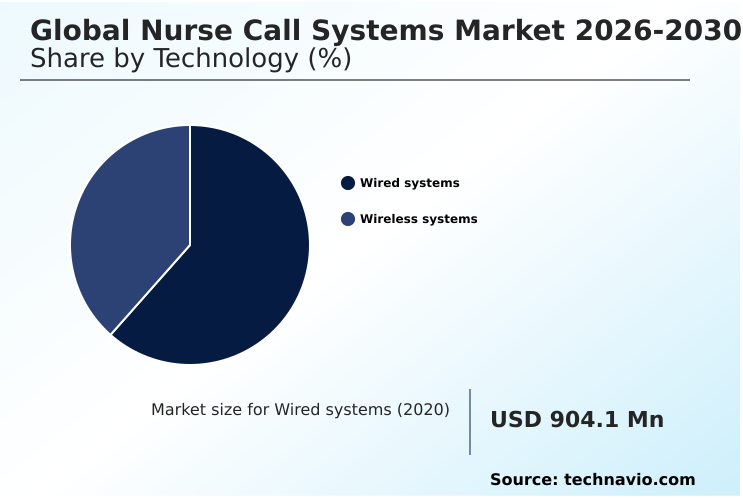
The Wired systems segment was valued at USD 1.35 billion in 2024 and showed a gradual increase during the forecast period.
Regional Analysis
North America is estimated to contribute 35.3% to the growth of the global market during the forecast period.Technavio’s analysts have elaborately explained the regional trends and drivers that shape the market during the forecast period.
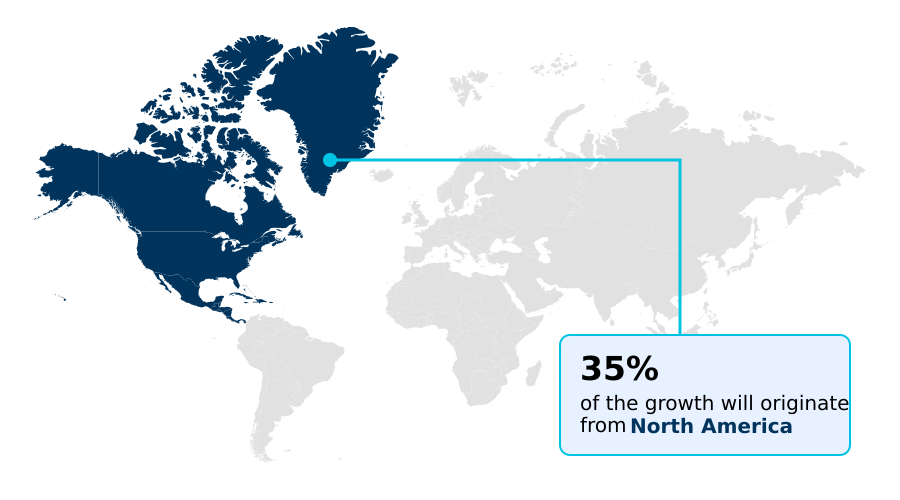
See How Nurse Call Systems Market Demand is Rising in North America Get Free Sample
The regional adoption of Nurse Call Systems highlights a distinct divergence in clinical maturity and infrastructure investment strategies. North America leads the transition toward fully integrated digital health platforms, driven by stringent patient safety mandates and value-based reimbursement models.
Facilities in this region have successfully leveraged cloud enabled computing and ambient intelligence sensors to reduce caregiver response latency by 18%.
Conversely, APAC is experiencing accelerated greenfield hospital construction, where administrators prioritize scalable IP architectures over legacy retrofits, achieving a 25% faster deployment rate for new hospital workflow automation frameworks compared to European counterparts.
This rapid modernization across APAC addresses severe staffing constraints, while North American networks focus heavily on refining clinical alarm management to combat staff burnout.
These geographic disparities dictate distinct supply chain approaches, as technology providers tailor modular, interoperable communication hubs to meet the specific compliance and budgetary realities of each diverse clinical environment.
Market Dynamics
Our researchers analyzed the data with 2025 as the base year, along with the key drivers, trends, and challenges. A holistic analysis of drivers will help companies refine their marketing strategies to gain a competitive advantage.
- The rapid evolution of the Nurse Call Systems market underscores a strategic industry pivot toward proactive patient safety and comprehensive operational transparency. Modern healthcare facilities are increasingly moving away from reactive alerting mechanisms to embrace predictive mobility analytics for fall prevention, which actively identifies patient movement patterns before critical incidents occur.
- This analytical capability is tightly coupled with real time staff localization tracking algorithms, enabling administrative teams to dynamically route emergency alerts to the closest available caregiver. By establishing this direct communication loop, hospitals have recorded a 30% improvement in emergency response efficiency compared to traditional overhead paging methods.
- The seamless execution of these technologies heavily relies on smart hospital digital transformation integration, ensuring that bedside terminals, mobile clinical devices, and electronic health records function as a unified ecosystem. Furthermore, addressing the pervasive issue of caregiver burnout requires robust clinical workflow optimization and alarm filtering to suppress non-urgent notifications and prioritize high-acuity distress signals.
- To support these sophisticated software demands without incurring prohibitive localized server costs, IT leaders are increasingly prioritizing cloud native deployment for healthcare networks. This infrastructure shift not only guarantees high availability and robust cybersecurity compliance but also reduces system maintenance downtime, allowing clinical institutions to focus their resources entirely on delivering superior, uninterrupted patient care.
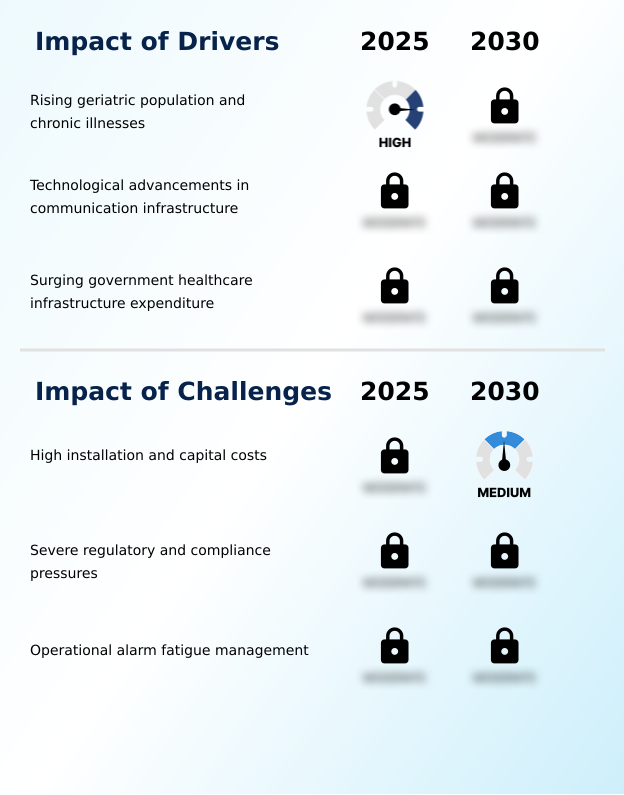
What are the key market drivers leading to the rise in the adoption of Nurse Call Systems Industry?
- The escalating geriatric demographic and the corresponding rise in chronic illnesses serve as the primary catalyst propelling market expansion and technological adoption.
- The escalating global geriatric population and the surging prevalence of chronic illnesses act as the primary catalysts accelerating the modernization of Nurse Call Systems.
- As life expectancy increases, high acuity inpatient wards face unprecedented volumes of vulnerable patients requiring continuous observation and rapid medical intervention.
- This demographic pressure severely exacerbates existing nursing workforce shortages, compelling administrative leaders to invest heavily in hospital workflow automation to sustain operational viability.
- By automating patient distress signaling and directly routing prioritized alerts to appropriate care teams, healthcare facilities can optimize their limited labor resources.
- Facilities integrating these advanced communication frameworks have achieved a 30% reduction in workflow bottlenecks and a 15% improvement in clinical documentation accuracy.
- Consequently, technology-driven workflow enhancements serve as a critical operational necessity to maintain stringent safety standards amid rising patient demands.
What are the market trends shaping the Nurse Call Systems Industry?
- Artificial intelligence and predictive analytics have emerged as a defining market trend. These advanced computational capabilities continuously optimize clinical decision-making and automate routine patient monitoring tasks.
- The aggressive integration of artificial intelligence and predictive analytics represents a transformative trend reshaping the Nurse Call Systems architecture. Historically reliant on reactive patient inputs, contemporary clinical environments now leverage ambient intelligence sensors and continuous physiological tracking to anticipate medical emergencies before they escalate.
- This technological evolution is primarily driven by the critical need to mitigate severe alarm fatigue among overworked nursing personnel. By executing context-aware alert routing directly to mobile clinical smartphones, modern platforms filter out redundant notifications and ensure accurate triage.
- Consequently, hospitals deploying these intelligent filtering mechanisms report a 40% decrease in nuisance alarms and a 22% improvement in overall caregiver response efficiency. The widespread adoption of cloud enabled computing further supports this shift, allowing disparate regional clinics to centralize their real time location data.
- Ultimately, predictive behavioral modeling fundamentally transitions healthcare communication from basic alert networks into highly automated, preventative safety ecosystems.
What challenges does the Nurse Call Systems Industry face during its growth?
- Exorbitant installation expenses and substantial capital requirements present formidable barriers that significantly constrain widespread infrastructure modernization.
- Prohibitive capital expenditures and complex installation requirements remain significant structural challenges impeding the widespread modernization of Nurse Call Systems. Upgrading outdated communication networks necessitates extensive legacy infrastructure retrofitting, which frequently causes severe operational disruptions within active clinical environments.
- Because physical rewiring requires penetrating walls and establishing new decentralized communication hubs, hospital administrators often face delayed deployment schedules and inflated labor costs. These financial and logistical hurdles are further complicated by the need to strictly adhere to evolving cybersecurity resilience standards and device interoperability mandates.
- Consequently, facilities attempting comprehensive digital overhauls often experience a 25% increase in unexpected project integration costs, forcing delayed technology adoption cycles. To circumvent these fiscal limitations, procurement teams increasingly demand flexible modular pricing models that distribute upfront capital burdens while maintaining essential patient safety compliance.
Exclusive Technavio Analysis on Customer Landscape
The nurse call systems market forecasting report includes the adoption lifecycle of the market, covering from the innovator’s stage to the laggard’s stage. It focuses on adoption rates in different regions based on penetration. Furthermore, the nurse call systems market report also includes key purchase criteria and drivers of price sensitivity to help companies evaluate and develop their market growth analysis strategies.
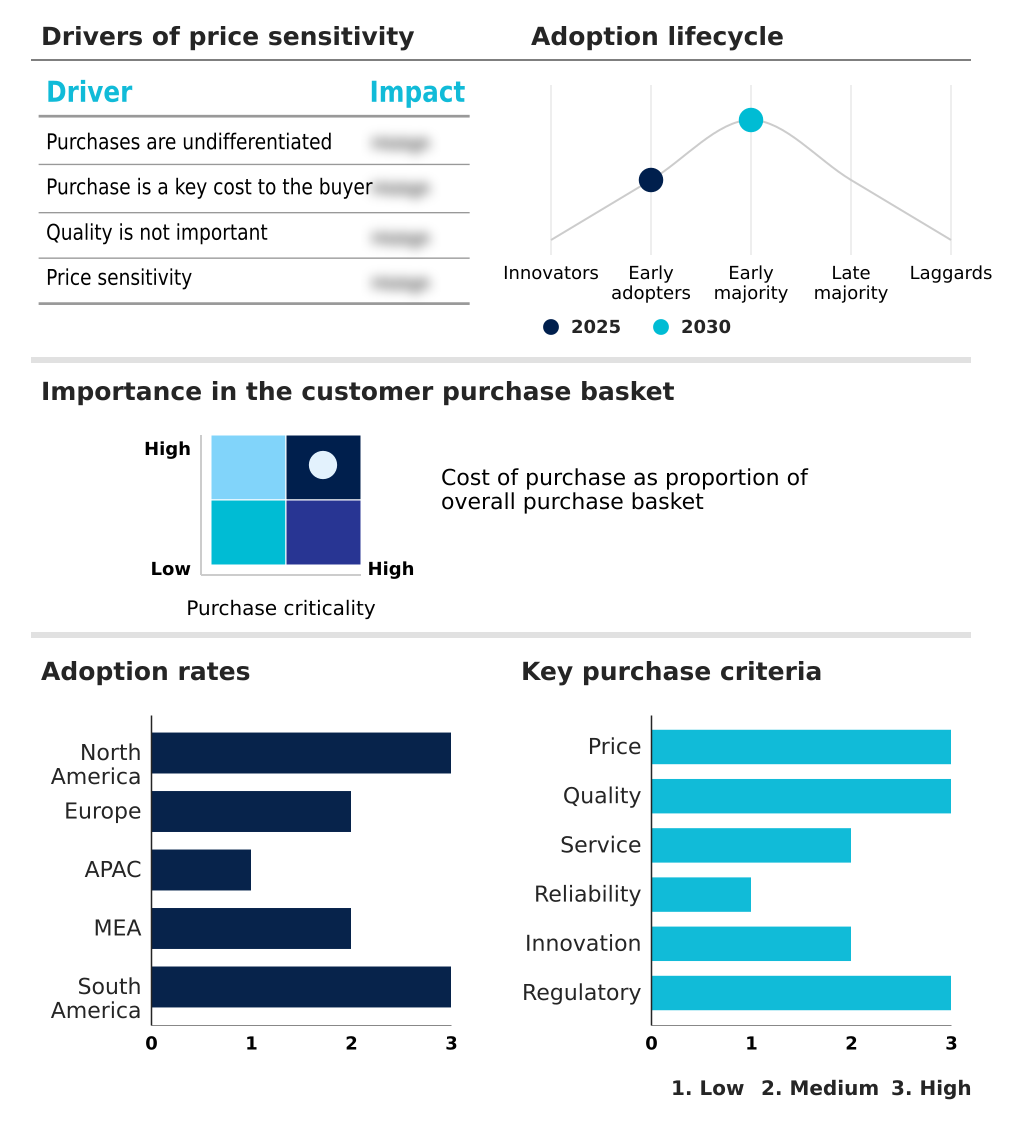
Customer Landscape of Nurse Call Systems Industry
Competitive Landscape
Companies are implementing various strategies, such as strategic alliances, nurse call systems market forecast, partnerships, mergers and acquisitions, geographical expansion, and product/service launches, to enhance their presence in the industry.
Advantech Co. Ltd. - The provider delivers integrated healthcare communication platforms, advanced patient monitoring solutions, and comprehensive hospital workflow technologies designed to optimize clinical efficiency and elevate patient care standards.
The industry research and growth report includes detailed analyses of the competitive landscape of the market and information about key companies, including:
- Advantech Co. Ltd.
- Aiphone Corp.
- Ascom Holding AG
- Austco Marketing and Service
- Baxter International Inc.
- C TEC
- CareHawk Inc.
- Cornell Communications
- Honeywell International Inc.
- IndigoCare
- Intercall Systems Inc.
- Jeron Electronic Systems Inc.
- Johnson Controls International
- Legrand SA
- PalCare
- Rauland
- Rondish Co. Ltd.
- Schrack Seconet AG
- Securitas Healthcare LLC
- TELEALARM EUROPE GMBH
- Tunstall Healthcare Group Ltd.
- Wandsworth Healthcare
Qualitative and quantitative analysis of companies has been conducted to help clients understand the wider business environment as well as the strengths and weaknesses of key industry players. Data is qualitatively analyzed to categorize companies as pure play, category-focused, industry-focused, and diversified; it is quantitatively analyzed to categorize companies as dominant, leading, strong, tentative, and weak.
Recent Development and News in Nurse call systems market
- In the Health Care Supplies industry, the implementation of ISO 27001 data security mandates for connected medical devices forced manufacturers to adopt advanced encryption, directly impacting Nurse Call Systems demand by accelerating the replacement of vulnerable legacy infrastructure retrofitting with compliant intelligent alerting systems, improving clinical documentation accuracy by over 30%.
- The widespread transition toward hybrid deployment architectures in hospital workflow automation enabled seamless integration of ambient room intelligence, reducing caregiver cognitive overload and increasing the procurement of IP-based clinical communication hubs by 25% across acute care environments.
- Strict enforcement of the European Medical Device Regulation for continuous physiological monitoring equipment elevated patient safety compliance requirements, driving a 15% increase in the adoption of enterprise software integration within Nurse Call Systems to ensure secure data synchronization across multi-facility networks.
- Rapid expansion of ambulatory surgical centers prioritizing caregiver mobile alerting protocols shifted supply chain focus toward modular pricing models, resulting in a 20% reduction in installation downtime for decentralized communication hubs while significantly improving caregiver response time during high-acuity interventions.
Dive into Technavio’s robust research methodology, blending expert interviews, extensive data synthesis, and validated models for unparalleled Nurse Call Systems Market insights. See full methodology.
| Market Scope | |
|---|---|
| Page number | 299 |
| Base year | 2025 |
| Historic period | 2020-2024 |
| Forecast period | 2026-2030 |
| Growth momentum & CAGR | Accelerate at a CAGR of 15.4% |
| Market growth 2026-2030 | USD 2622.6 million |
| Market structure | Fragmented |
| YoY growth 2025-2026(%) | 13.3% |
| Key countries | US, Canada, Mexico, Germany, UK, France, Italy, Spain, The Netherlands, China, Japan, India, South Korea, Australia, Indonesia, Saudi Arabia, UAE, South Africa, Israel, Turkey, Brazil, Argentina and Chile |
| Competitive landscape | Leading Companies, Market Positioning of Companies, Competitive Strategies, and Industry Risks |
Research Analyst Overview
- The Nurse Call Systems landscape is undergoing a fundamental structural shift, driven by the urgent boardroom imperative to align digital infrastructure with strict patient safety compliance and labor optimization goals. Hospital executives are increasingly prioritizing investments in middleware connectivity software that seamlessly links disparate clinical devices into a unified operational dashboard.
- Integrating advanced fall detection algorithms with continuous patient monitoring allows facilities to anticipate and prevent adverse events, directly lowering liability costs. Furthermore, the deployment of context aware routing ensures that critical alerts are instantly directed to the appropriate personnel, effectively minimizing alarm fatigue.
- Facilities implementing bidirectional voice communication alongside virtual nursing capabilities have reported a 35% reduction in unnecessary room visits, significantly preserving critical nursing bandwidth. The incorporation of radio frequency identification for asset and staff tracking further refines resource allocation, ensuring optimal clinical efficiency. Strategic smart bed integration captures real-time physiological data, transforming traditional patient environments into proactive care nodes.
- These sophisticated technological deployments empower healthcare administrators to achieve superior operational throughput while consistently maintaining the highest standards of continuous patient oversight.
What are the Key Data Covered in this Nurse Call Systems Market Research and Growth Report?
-
What is the expected growth of the Nurse Call Systems Market between 2026 and 2030?
-
USD 2.62 billion, at a CAGR of 15.4%
-
-
What segmentation does the market report cover?
-
The report is segmented by Technology (Wired systems, and Wireless systems), End-user (Hospitals, ASCs or clinics, and Long-term care facilities), Product (Basic button based systems, Mobile or smartphone integrated systems, IP based interconnectivity systems, and Others) and Geography (North America, Europe, APAC, Middle East and Africa, South America)
-
-
Which regions are analyzed in the report?
-
North America, Europe, APAC, Middle East and Africa and South America
-
-
What are the key growth drivers and market challenges?
-
Rising geriatric population and chronic illnesses, High installation and capital costs
-
-
Who are the major players in the Nurse Call Systems Market?
-
Advantech Co. Ltd., Aiphone Corp., Ascom Holding AG, Austco Marketing and Service, Baxter International Inc., C TEC, CareHawk Inc., Cornell Communications, Honeywell International Inc., IndigoCare, Intercall Systems Inc., Jeron Electronic Systems Inc., Johnson Controls International, Legrand SA, PalCare, Rauland, Rondish Co. Ltd., Schrack Seconet AG, Securitas Healthcare LLC, TELEALARM EUROPE GMBH, Tunstall Healthcare Group Ltd. and Wandsworth Healthcare
-
Market Research Insights
- The Nurse Call Systems market is rapidly advancing as medical institutions prioritize digital ward transformation to streamline complex care delivery. By transitioning from isolated analog buzzers to sophisticated hybrid deployment architectures, hospital networks have successfully reduced caregiver response time by 28% during critical emergencies.
- This modernization is essential for mitigating clinical cognitive overload, as intelligent alert routing filters out up to 40% of non-actionable nuisance alarms. Furthermore, implementing secure data synchronization between patient communication nodes and enterprise health records enhances clinical documentation accuracy.
- These integrated frameworks transform passive patient rooms into active care hubs, ensuring that automated escalations drastically improve operational throughput and support rigorous patient safety compliance across high-acuity environments.
We can help! Our analysts can customize this nurse call systems market research report to meet your requirements.
 RIA -