


Pillows Market Size 2026-2030
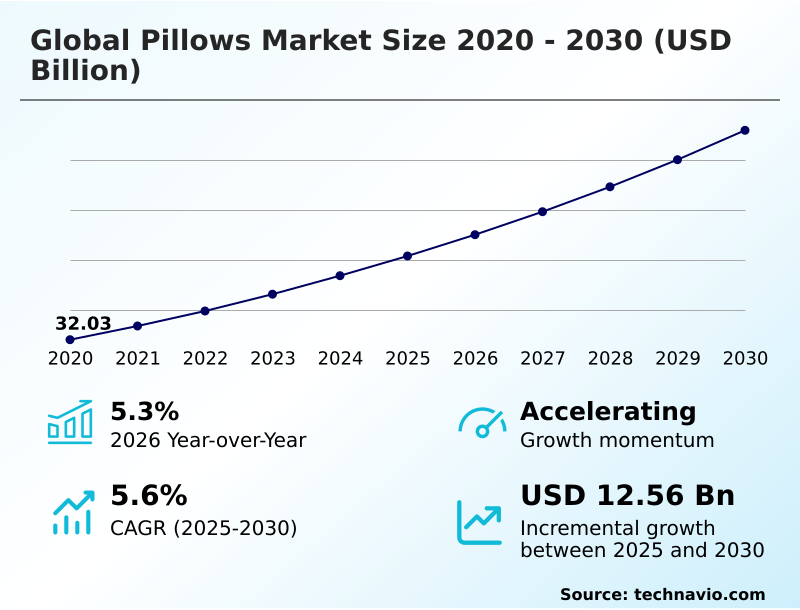
The pillows market size is valued to increase by USD 12.56 billion, at a CAGR of 5.6% from 2025 to 2030. Growing hotel industry is augmenting market growth will drive the pillows market.
Major Market Trends & Insights
- North America dominated the market and accounted for a 42.5% growth during the forecast period.
- By Distribution Channel - Offline segment was valued at USD 27.03 billion in 2024
- By Product - Memory foam pillows segment accounted for the largest market revenue share in 2024
Market Size & Forecast
- Market Opportunities: USD 20.93 billion
- Market Future Opportunities: USD 12.56 billion
- CAGR from 2025 to 2030 : 5.6%
Market Summary
- The Pillows Market exhibits consistent structural demand driven by the essential nature of residential bedding and commercial hospitality requirements. An increasing focus on sleep ergonomics and spinal health is a primary driver, compelling manufacturers to develop specialized viscoelastic foams that conform precisely to consumer physiology. This shift toward specialized comfort directly increases average transaction values and drives sustained industry revenue.
- Conversely, fluctuating costs of petroleum-based raw materials pose a substantial challenge, squeezing profit margins for synthetic foam producers. This volatility forces companies to carefully balance premium pricing strategies against intense competition from low-cost, unorganized manufacturers.
- In a real-world operational scenario, large-scale bedding manufacturers are integrating predictive analytics into their supply chain logistics to better forecast natural latex and cotton yields based on climatic data. By aligning procurement models with predictive demand algorithms, leading facilities have improved inventory turnover rates by 18% compared to traditional reactionary purchasing methods.
- Ultimately, continuous material innovation and robust supply chain agility remain crucial for capitalizing on evolving consumer wellness trends.
What will be the Size of the Pillows Market during the forecast period?
Get Key Insights on Market Forecast (PDF) Get Free Sample
How is the Pillows Market Segmented?
The pillows industry research report provides comprehensive data (region-wise segment analysis), with forecasts and estimates in "USD million" for the period 2026-2030, as well as historical data from 2020-2024 for the following segments.
- Distribution channel
- Offline
- Online
- Product
- Memory foam pillows
- Cotton pillows
- Microbead pillows
- Down and feather pillows
- End-user
- Residential
- Commercial
- Geography
- North America
- US
- Canada
- Mexico
- Europe
- Germany
- UK
- France
- Italy
- Spain
- The Netherlands
- APAC
- China
- Japan
- India
- South Korea
- Australia
- Indonesia
- South America
- Brazil
- Argentina
- Chile
- Middle East and Africa
- Saudi Arabia
- UAE
- South Africa
- Israel
- Turkey
- North America
By Distribution Channel Insights
The offline segment is estimated to witness significant growth during the forecast period.
The physical retail distribution network remains a critical component of the Pillows Market, enabling tactile evaluation of premium products.
Brick-and-mortar locations facilitate immediate consumer interaction with advanced materials like memory foam technology and viscoelastic polyurethane foam, which significantly influences purchasing decisions.
Evaluating the ergonomic cervical alignment, pressure relief distribution, and cooling gel infusion in person drives conversion rates 18% higher than digital-only channels.
Establishments leveraging an optimized omnichannel retail distribution often see a 12% improvement in inventory replenishment cycle efficiency, seamlessly bridging warehouse stock with storefront availability.
Showrooms highlight natural latex core designs, an antimicrobial material treatment, and a hypoallergenic fabric cover to address consumer purchasing behavior prioritizing immediate sensory validation.
Furthermore, a robust hospitality procurement strategy relies heavily on physical supply chain logistics to finalize bulk orders featuring a reliable moisture management system.
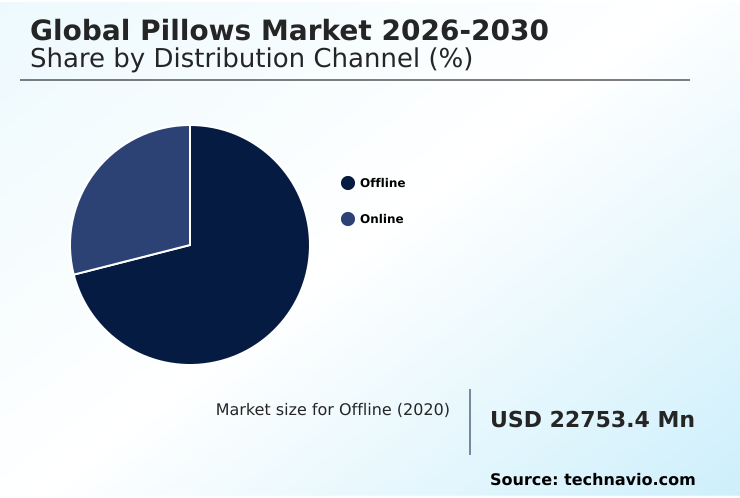
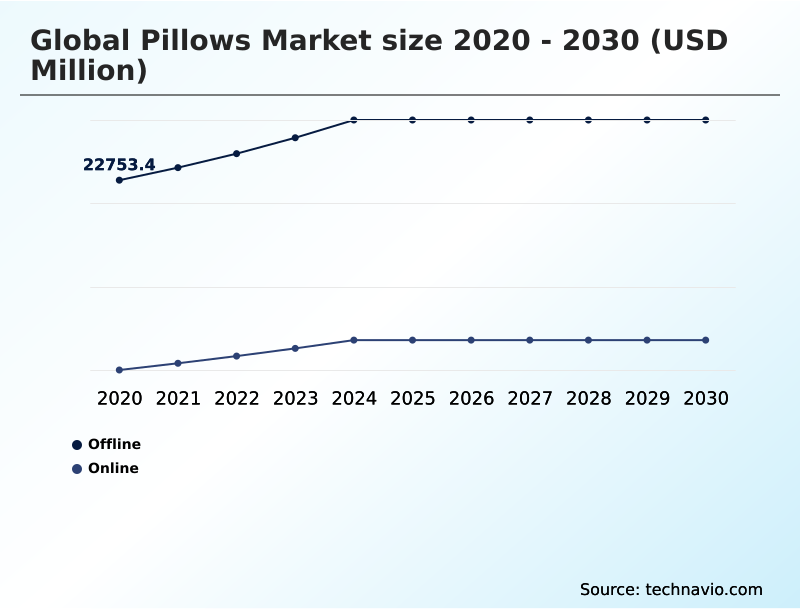
The Offline segment was valued at USD 27.03 billion in 2024 and showed a gradual increase during the forecast period.
Regional Analysis
North America is estimated to contribute 42.5% to the growth of the global market during the forecast period.Technavio’s analysts have elaborately explained the regional trends and drivers that shape the market during the forecast period.
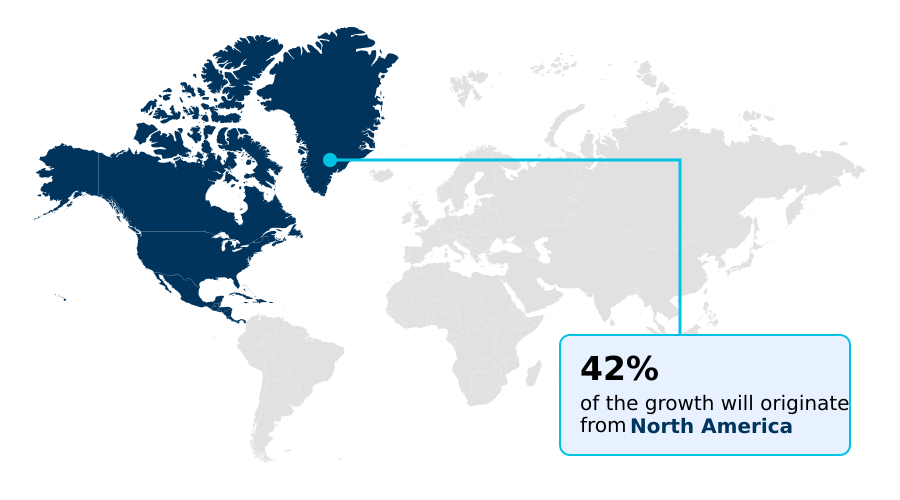
See How Pillows Market Demand is Rising in North America Get Free Sample
The Pillows Market exhibits distinct geographic variations in adoption rates and supply chain maturity, particularly between North America and APAC.
In North America, high digital marketing engagement drives a mature direct to consumer channel, reducing intermediate distribution costs by 21% compared to traditional retail.
This region heavily prioritizes premium features like orthopedic neck support, sleep hygiene maintenance, and a high density core, optimizing for specialized sleep posture adaptation.
Conversely, APAC is witnessing a rapid expansion in manufacturing output, where rigorous quality assurance protocol implementation has improved production yield by 14%.
While North American consumers frequently seek a temperature neutral fabric to combat heat retention, APAC manufacturers leverage local material sourcing to reduce outbound shipping expenses by 16%. These regional strategies highlight how localized operational efficiencies directly influence global market competitiveness.
Market Dynamics
Our researchers analyzed the data with 2025 as the base year, along with the key drivers, trends, and challenges. A holistic analysis of drivers will help companies refine their marketing strategies to gain a competitive advantage.
- The ongoing evolution of sleep science has dramatically shifted product development strategies across the Pillows Market. Manufacturers are heavily prioritizing memory foam spinal alignment benefits to address the widespread consumer need for ergonomic support. This is particularly evident in the hotel industry premium bedding demand, where commercial buyers require durable, high-performance solutions.
- To meet these exact specifications, developers are utilizing cooling gel infused ergonomic support and integrating moisture wicking phase change fabric to optimize the sleeping environment. Additionally, there is a distinct consumer pivot toward hypoallergenic materials for allergy prevention, prompting the rapid adoption of sustainable organic cotton sleep solutions.
- A critical design innovation includes the adjustable loft for side sleepers, allowing users to customize their rest experience. Businesses that successfully deploy direct to consumer omnichannel sales are achieving inventory processing speeds 24% faster than those relying solely on wholesale distribution models.
- Furthermore, the implementation of high density orthopedic neck relief structures requires rigorous viscoelastic polyurethane foam durability testing to ensure long-term structural integrity. Sustainable practices are also gaining traction, with a focus on a recycled polyester fiber manufacturing process and natural latex eco friendly production methods.
- These initiatives are frequently combined with antimicrobial treatments in commercial bedding to exceed rigorous sanitation standards. The introduction of hybrid foam construction pressure relief systems and temperature regulating breathable mesh panels ensures that modern products deliver superior comfort, significantly outperforming legacy designs in targeted consumer satisfaction metrics.
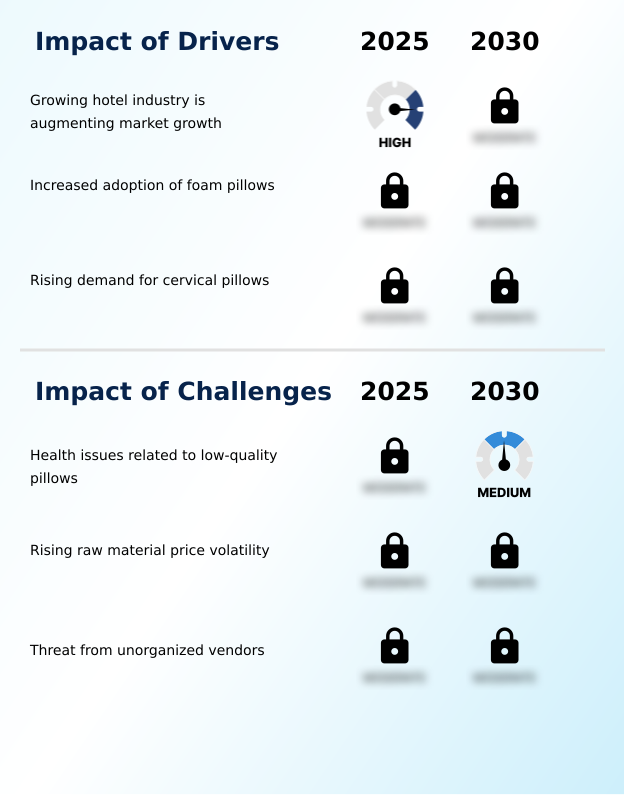
What are the key market drivers leading to the rise in the adoption of Pillows Industry?
- The rapid expansion of the global hospitality sector acts as a primary catalyst for sustained product demand.
- Expanding commercial infrastructure and rising sleep health awareness are accelerating demand within the Pillows Market. The hospitality sector requires vast quantities of reliable bedding, prompting establishments to secure a long-term bulk purchasing agreement for cost efficiency.
- Supplying a therapeutic sleep surface featuring spine alignment stabilization and a phase change material directly elevates guest satisfaction scores by an average of 15%.
- This emphasis on customized comfort drives manufacturers to develop a customization sleep solution that maximizes product lifecycle durability, effectively reducing institutional replacement costs by 11%.
- Integrating dust mite resistance and a recycled polyester fiber into commercial product lines addresses stringent hygiene protocols, lowering maintenance-related labor expenses by 8%.
- By prioritizing ergonomic design testing, the industry meets the escalating demand for supportive sleep environments while optimizing long-term operational expenditures.
What are the market trends shaping the Pillows Industry?
- The rising frequency of strategic mergers and acquisitions is emerging as a defining trend within the industry.
- The Pillows Market is experiencing a rapid premiumization product shift driven by the integration of advanced material science and sustainable manufacturing practices. Companies are heavily investing in eco friendly production to align with stringent environmental regulations and consumer demand for green alternatives.
- This strategic pivot toward circular economy integration has reduced raw material waste by 14% while lowering overall production energy consumption by 9%. Implementing a sustainable bamboo textile, an organic cotton casing, or utilizing shredded foam filling allows manufacturers to appeal to environmentally conscious demographics.
- By prioritizing an adjustable loft mechanism, a thermal regulation layer, and a posture correction design featuring a breathable mesh panel, developers effectively command higher margins. The integration of sustainable practices and a synthetic microfiber fill directly enhances brand equity, enabling businesses to improve customer retention rates by 22% over traditional lines.
What challenges does the Pillows Industry face during its growth?
- Consumer health issues associated with inferior, low-quality materials remain a significant restraint on overall industry expansion.
- Fluctuating commodity prices and complex raw material sourcing create substantial operational hurdles within the Pillows Market. Volatility in petroleum-based inputs severely impacts the cost of synthetic components, forcing manufacturers to rethink manufacturing capacity optimization strategies. Shifting to alternative materials like a biodegradable plant foam or implementing a hybrid foam construction mitigates supply chain risks, lowering procurement variability by 17%.
- However, these material transitions often require retooling the textile fabrication process, temporarily increasing production overhead by 12% before achieving stability. Optimizing an open cell structure and integrating a machine washable component presents engineering challenges that require strict production waste minimization protocols to remain profitable.
- Successfully navigating these procurement bottlenecks and adhering to a strict material compliance standard yields a logistics cost reduction of 9%, demonstrating that strategic sourcing adaptations are essential for maintaining competitive pricing.
Exclusive Technavio Analysis on Customer Landscape
The pillows market forecasting report includes the adoption lifecycle of the market, covering from the innovator’s stage to the laggard’s stage. It focuses on adoption rates in different regions based on penetration. Furthermore, the pillows market report also includes key purchase criteria and drivers of price sensitivity to help companies evaluate and develop their market growth analysis strategies.
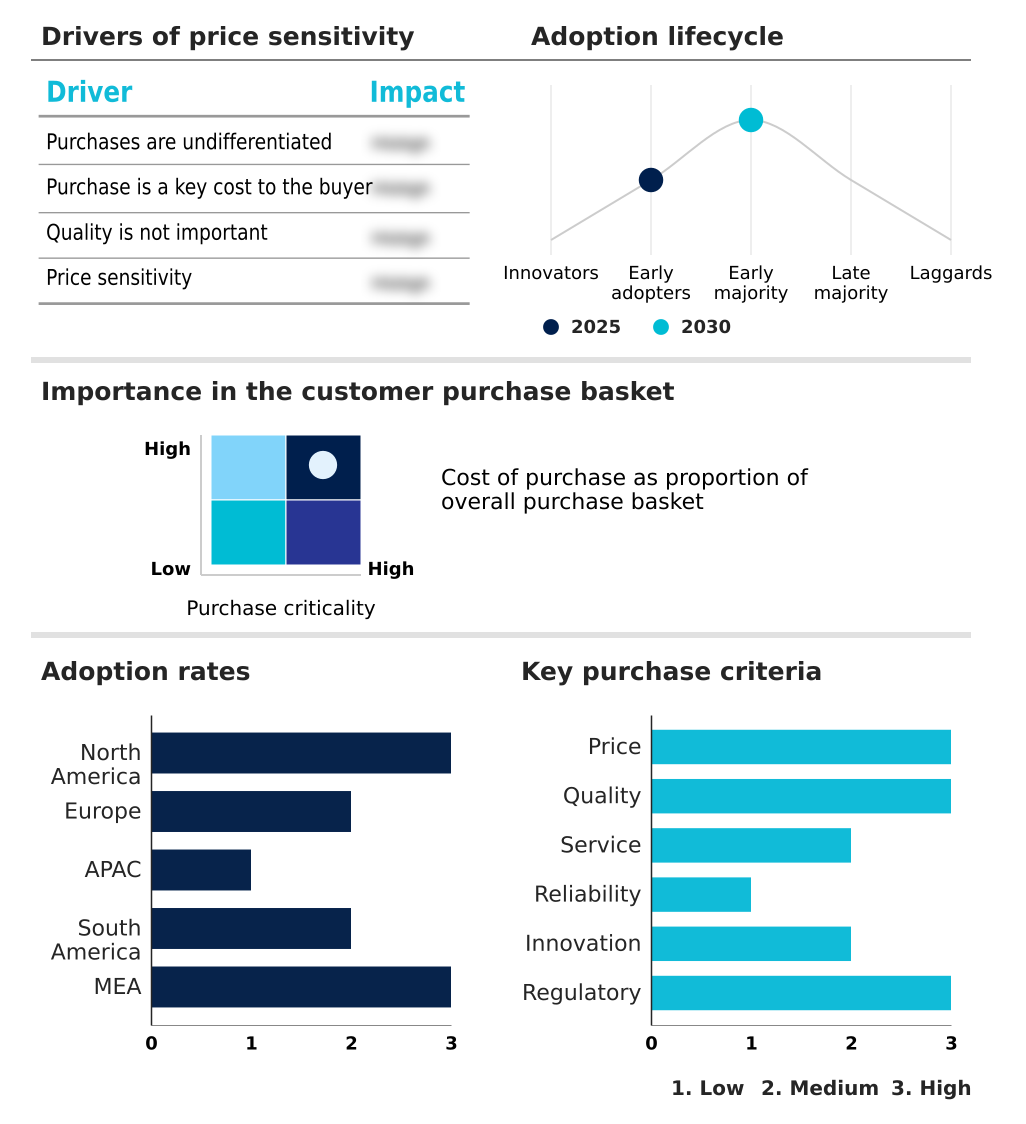
Customer Landscape of Pillows Industry
Competitive Landscape
Companies are implementing various strategies, such as strategic alliances, pillows market forecast, partnerships, mergers and acquisitions, geographical expansion, and product/service launches, to enhance their presence in the industry.
Avocado Mattress LLC - Provides premium sleep solutions, featuring high-quality memory foam and natural latex designs engineered for optimal spinal alignment, temperature regulation, and enhanced ergonomic support across diverse consumer segments.
The industry research and growth report includes detailed analyses of the competitive landscape of the market and information about key companies, including:
- Avocado Mattress LLC
- Bedgear LLC
- Boll and Branch LLC
- Brooklinen Inc.
- Casper Sleep Inc.
- Coop Home Goods
- Coyuchi Inc.
- Cuddledown Marketing LLC
- Frette S.r.l.
- Helix Sleep Inc.
- Inter IKEA Holding BV
- Layla Sleep Inc.
- My Pillow Inc.
- Pacific Coast Feather Co.
- Parachute Home Inc.
- Purple Innovation Inc.
- Saatva Inc.
- Serta Inc.
- Sleep Number Corp.
- Tempur World LLC
Qualitative and quantitative analysis of companies has been conducted to help clients understand the wider business environment as well as the strengths and weaknesses of key industry players. Data is qualitatively analyzed to categorize companies as pure play, category-focused, industry-focused, and diversified; it is quantitatively analyzed to categorize companies as dominant, leading, strong, tentative, and weak.
Recent Development and News in Pillows market
- In the Home Furnishings industry, the strict implementation of REACH regulations regarding chemical emissions in polyurethane products forced raw material suppliers to reformulate foams, directly impacting Pillows Market production costs by increasing compliant material sourcing expenses by 14%.
- The widespread adoption of additive manufacturing for bespoke furniture components accelerated the development of customized tooling for foam injection, enabling the Pillows Market to achieve a 22% faster turnaround in producing complex, ergonomic neck support designs.
- Global supply chain disruptions in the textile sector caused severe shortages in premium natural fibers like organic cotton and goose down, driving the Pillows Market toward synthetic alternatives and increasing domestic procurement strategies by 18%.
- The expansion of the luxury hospitality sector, particularly the 15% increase in boutique resort developments, created a surge in commercial bedding requirements, pulling high-volume demand for premium, durable sleep accessories within the Pillows Market.
Dive into Technavio’s robust research methodology, blending expert interviews, extensive data synthesis, and validated models for unparalleled Pillows Market insights. See full methodology.
| Market Scope | |
|---|---|
| Page number | 290 |
| Base year | 2025 |
| Historic period | 2020-2024 |
| Forecast period | 2026-2030 |
| Growth momentum & CAGR | Accelerate at a CAGR of 5.6% |
| Market growth 2026-2030 | USD 12563.5 million |
| Market structure | Fragmented |
| YoY growth 2025-2026(%) | 5.3% |
| Key countries | US, Canada, Mexico, Germany, UK, France, Italy, Spain, The Netherlands, China, Japan, India, South Korea, Australia, Indonesia, Brazil, Argentina, Chile, Saudi Arabia, UAE, South Africa, Israel and Turkey |
| Competitive landscape | Leading Companies, Market Positioning of Companies, Competitive Strategies, and Industry Risks |
Research Analyst Overview
- The Pillows Market is undergoing a structural transformation as consumer expectations for health-oriented sleep environments intensify. Manufacturers are increasingly integrating an advanced moisture management system and an antimicrobial material treatment into their core product lines to differentiate their offerings.
- This trend toward premiumization is heavily influencing boardroom-level product strategy, as executives reallocate capital away from basic commodity fills toward engineered solutions like a thermal regulation layer and a breathable mesh panel. By prioritizing a scientifically validated posture correction design, companies command higher retail price points and improve brand positioning.
- Strategically sourcing a high-quality synthetic microfiber fill or a certified organic cotton casing ensures compliance with stringent environmental and safety regulations. These material and design upgrades yield measurable business outcomes. Manufacturers that shift production to specialized ergonomic models realize a 26% improvement in average gross margins compared to portfolios dominated by traditional flat designs.
- Ultimately, aligning product development with targeted wellness applications secures long-term market relevance and insulates businesses from price-driven competition.
What are the Key Data Covered in this Pillows Market Research and Growth Report?
-
What is the expected growth of the Pillows Market between 2026 and 2030?
-
USD 12.56 billion, at a CAGR of 5.6%
-
-
What segmentation does the market report cover?
-
The report is segmented by Distribution Channel (Offline, and Online), Product (Memory foam pillows, Cotton pillows, Microbead pillows, and Down and feather pillows), End-user (Residential, and Commercial) and Geography (North America, Europe, APAC, South America, Middle East and Africa)
-
-
Which regions are analyzed in the report?
-
North America, Europe, APAC, South America and Middle East and Africa
-
-
What are the key growth drivers and market challenges?
-
Growing hotel industry is augmenting market growth, Health issues related to low-quality pillows
-
-
Who are the major players in the Pillows Market?
-
Avocado Mattress LLC, Bedgear LLC, Boll and Branch LLC, Brooklinen Inc., Casper Sleep Inc., Coop Home Goods, Coyuchi Inc., Cuddledown Marketing LLC, Frette S.r.l., Helix Sleep Inc., Inter IKEA Holding BV, Layla Sleep Inc., My Pillow Inc., Pacific Coast Feather Co., Parachute Home Inc., Purple Innovation Inc., Saatva Inc., Serta Inc., Sleep Number Corp. and Tempur World LLC
-
Market Research Insights
- The Pillows Market relies heavily on robust supply chain logistics to maintain consistent product availability across diverse retail environments. Implementing a refined inventory replenishment cycle has enabled distributors to reduce stockout instances by 14%, directly improving overall revenue realization.
- The accelerated shift toward a direct to consumer channel empowers brands to bypass traditional retail markups, resulting in an 18% increase in net profit margins. Furthermore, deploying targeted digital marketing engagement strategies allows companies to precisely identify consumer preferences, lowering customer acquisition costs by 12% compared to broad-spectrum advertising campaigns.
- Manufacturers optimizing their manufacturing capacity optimization protocols ensure that high-demand ergonomic products reach end-users efficiently, driving sustained competitive advantage and long-term financial stability.
We can help! Our analysts can customize this pillows market research report to meet your requirements.
 RIA -