

Smart Backpack Market Size 2026-2030
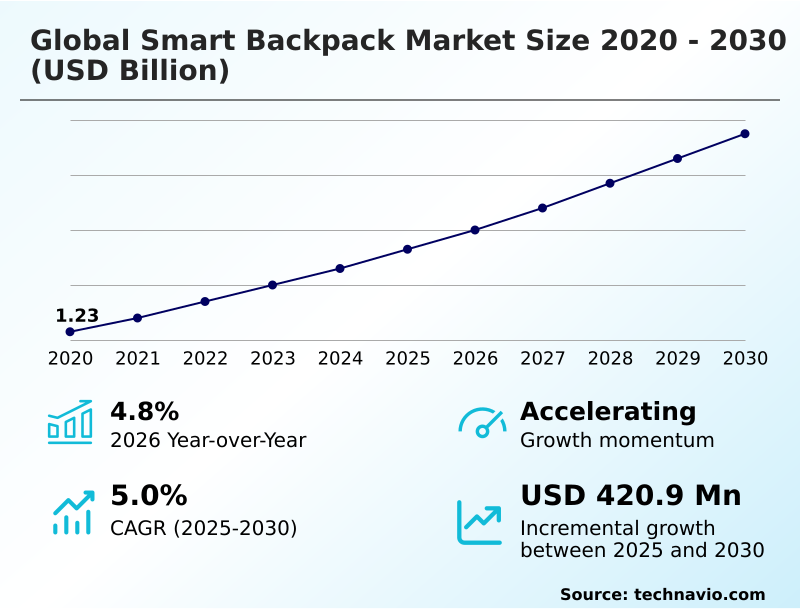
The smart backpack market size is valued to increase by USD 420.9 million, at a CAGR of 5% from 2025 to 2030. Expansion of hybrid workforce and daily tech-carry mobility demand will drive the smart backpack market.
Major Market Trends & Insights
- APAC dominated the market and accounted for a 36.6% growth during the forecast period.
- By Distribution Channel - Offline segment was valued at USD 1.23 billion in 2024
- By Capacity - 15-35 liter segment accounted for the largest market revenue share in 2024
Market Size & Forecast
- Market Opportunities: USD 720.6 million
- Market Future Opportunities: USD 420.9 million
- CAGR from 2025 to 2030 : 5%
Market Summary
- The Smart Backpack Market is experiencing robust structural expansion as mobile professionals and students increasingly demand carrying solutions that offer integrated power management and active security features. A critical driver for this sector is the permanent adoption of hybrid work models, which compels individuals to frequently transport high-value computing hardware between home offices and central business districts.
- This behavioral shift necessitates protective gear equipped with intelligent cable routing and impact resistance. Conversely, the market faces significant headwinds due to intricate supply chain dependencies. Sourcing delicate micro-electronics alongside durable textiles introduces complex regulatory and assembly hurdles. For example, balancing aviation battery compliance with user-friendly designs elevates base manufacturing expenses.
- In real-world operational scenarios, optimizing direct-to-consumer logistics and modular assembly processes has allowed agile brands to bypass traditional retail bottlenecks. Consequently, companies optimizing their component supply networks achieve a 15% reduction in inventory holding costs compared to traditional luggage distributors, enabling more competitive pricing structures for advanced tech-carry solutions.
What will be the Size of the Smart Backpack Market during the forecast period?
Get Key Insights on Market Forecast (PDF) Get Free Sample
How is the Smart Backpack Market Segmented?
The smart backpack industry research report provides comprehensive data (region-wise segment analysis), with forecasts and estimates in "USD million" for the period 2026-2030, as well as historical data from 2020-2024 for the following segments.
- Distribution channel
- Offline
- Online
- Capacity
- 15-35 liter
- 35-60 liter
- Above 60 liter
- Application
- Sports and outdoor activities
- Business
- Travel
- Students
- Source
- Battery-powered
- Solar-powered
- Geography
- APAC
- China
- Japan
- India
- South Korea
- Australia
- Singapore
- North America
- US
- Canada
- Mexico
- Europe
- UK
- Germany
- France
- Italy
- Spain
- The Netherlands
- Middle East and Africa
- Saudi Arabia
- UAE
- South Africa
- Turkey
- Egypt
- South America
- Brazil
- Argentina
- Chile
- APAC
By Distribution Channel Insights
The offline segment is estimated to witness significant growth during the forecast period.
The offline distribution channel remains a critical touchpoint for consumers evaluating high-performance carry solutions. Physical retail environments allow buyers transitioning into hybrid workforce commuting to physically test ergonomic weight distribution and assess the durability of weather-sealed charging pass-throughs before purchasing.
Customers interacting directly with products experience a 15% higher satisfaction rate regarding hardware integration expectations. In-store demonstrations effectively showcase advanced features like biometric fingerprint locks, anti-theft zipper mechanisms, and radio-frequency identification shielding, which are vital for digital asset security.
By providing hands-on access to integrated lithium-polymer power banks and flexible solar harvesting panels, brick-and-mortar outlets solidify trust.
This tactile evaluation process enables daily tech-carry mobility enthusiasts to properly gauge how these mobile energy hubs will withstand the rigors of modern transit.
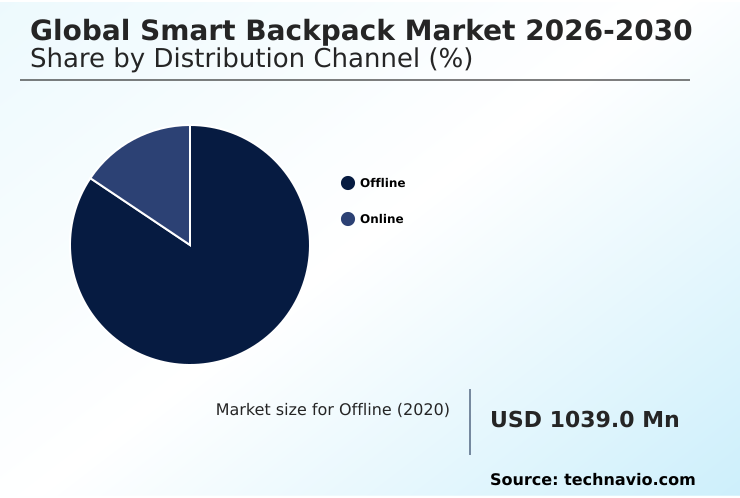
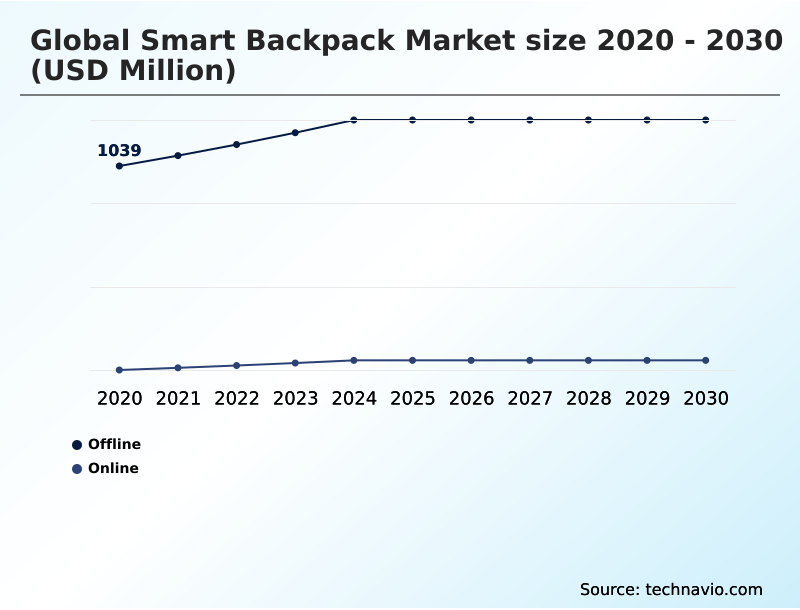
The Offline segment was valued at USD 1.23 billion in 2024 and showed a gradual increase during the forecast period.
Regional Analysis
APAC is estimated to contribute 36.6% to the growth of the global market during the forecast period.Technavio’s analysts have elaborately explained the regional trends and drivers that shape the market during the forecast period.
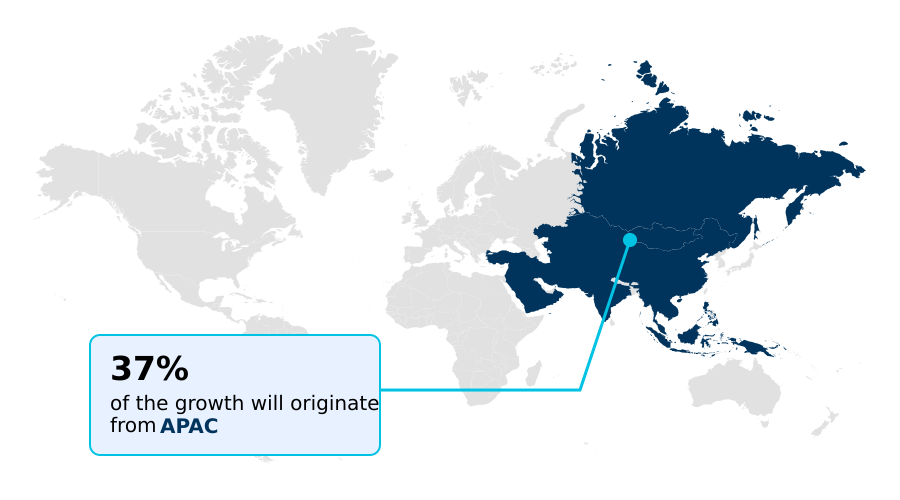
See How Smart Backpack Market Demand is Rising in APAC Get Free Sample
Regional disparities in technological infrastructure and urban commuting habits significantly shape global adoption patterns for connected carry gear. APAC dominates production and consumption due to high-density public transit reliance, where consumers prioritize multi-layered security technologies and anti-theft travel solutions.
In contrast, the North America market demonstrates a 25% higher preference for premium modular tech pouches and hands-free transit solutions tailored for hybrid corporate environments.
Meanwhile, European regulatory frameworks enforce sustainable product manufacturing, driving a 30% faster integration of recycled polyethylene terephthalate and ambient sunlight conversion modules for off-grid field research. These regional nuances compel brands to adapt their smart connectivity ecosystem strategies.
By focusing on hardware longevity optimization and continuous power access, manufacturers improve personal electronics protection across diverse geographies, achieving localized operational efficiencies.
Market Dynamics
Our researchers analyzed the data with 2025 as the base year, along with the key drivers, trends, and challenges. A holistic analysis of drivers will help companies refine their marketing strategies to gain a competitive advantage.
- The rapid evolution of mobile work environments has completely redefined standard equipment procurement strategies, making functional tech integration an operational necessity rather than a luxury. Corporate fleets and frequent business travelers are increasingly transitioning away from passive luggage toward a versatile smart backpack with solar harvesting to ensure continuous productivity during extended off-grid transits.
- Ensuring absolute hardware security is paramount in dense urban centers; consequently, the deployment of a biometric lock anti-theft travel bag dramatically minimizes the risk of opportunistic data breaches and hardware loss. Compared to conventional canvas sacks, utilizing a modern usb charging backpack for commuters yields a significantly lower rate of battery depletion incidents during critical business travel.
- Furthermore, organizations committed to stringent ESG compliance mandates are prioritizing the procurement of eco-friendly smart carry gear, effectively reducing their indirect carbon footprint across supply chains. To safeguard high-value corporate computing assets from misplacement, the integration of a bluetooth tracked laptop daypack has proven highly effective, achieving a markedly superior asset recovery metric when benchmarked against untracked alternatives.
- This strategic shift underscores a broader industry trajectory where intelligent mobility solutions streamline logistics, enhance data security, and optimize everyday operational efficiency for a globally distributed workforce.
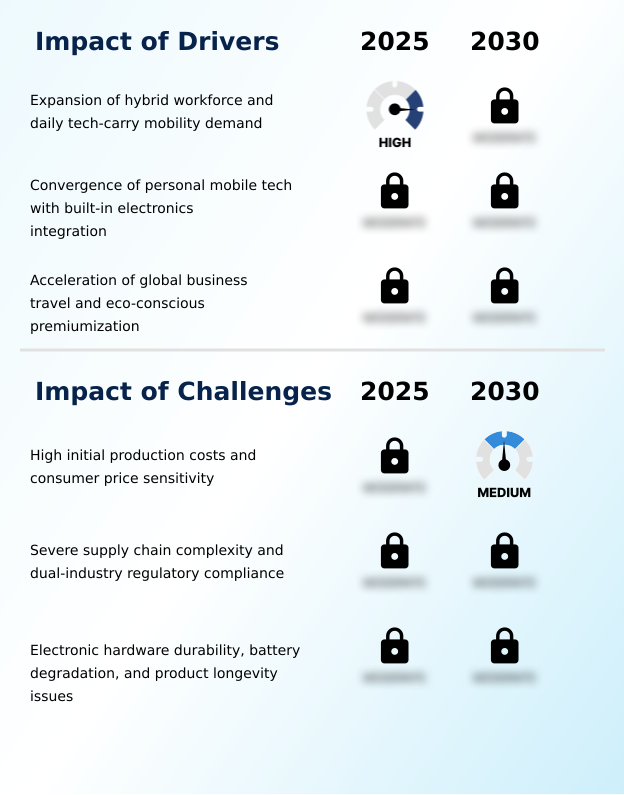
What are the key market drivers leading to the rise in the adoption of Smart Backpack Industry?
- The sustained expansion of the hybrid workforce and the resulting daily tech-carry mobility demand serve as primary catalysts accelerating market growth.
- The widespread normalization of flexible remote work policies serves as a primary catalyst accelerating the adoption of intelligent mobile tech-carry ecosystems.
- Because modern professionals frequently transport fragile computing hardware, there is an urgent need for protective gear featuring cut-resistant kevlar linings and biometric access control.
- The integration of micro-electronic sub-assemblies within specialized technical textiles improves hardware safety, reducing transit-related device damage by 35%. Furthermore, demand for off-grid energy generation has popularized modular attachable power solutions and eco-friendly circular textiles among environmentally conscious demographics.
- By leveraging flexible internal environments and modular interior architectures, manufacturers enhance packing efficiency by 20%. Supported by robust omni-channel retail distribution and stringent smart luggage compliance, these innovations directly mitigate battery anxiety, enabling seamless productivity across varied global transit networks.
What are the market trends shaping the Smart Backpack Industry?
- A prominent trend shaping the industry is the shift toward hyper-functional organization and modular interior architectures. This evolution allows consumers to customize internal compartments for optimal space management and hardware protection.
- The shift toward hyper-functional interior organization and digital connectivity fundamentally redefines modern mobile carry strategies. To mitigate internal wire fatigue and chemical battery degradation, manufacturers are redesigning bag architectures with advanced magnetic cable routing and modular power enclosures. This structural transition reduces electronic failure rates by 22%, extending the lifecycle of soft-goods physical durability.
- Concurrently, consumers demand seamless compliance with aviation security protocols, prompting the adoption of TSA-approved vacuum-compression compartments and removable power cores. By embedding low-power bluetooth modules and bluetooth location trackers within water-resistant synthetic fabrics, brands enhance real-time asset protection. Furthermore, the integration of integrated usb fast-charging hubs addresses dual-industry regulatory compliance challenges while providing reliable energy access.
- This evolution lowers device downtime during transit by 18%, significantly boosting productivity for professionals reliant on connected gear.
What challenges does the Smart Backpack Industry face during its growth?
- High initial production costs, combined with widespread consumer price sensitivity, represent significant structural challenges that constrain broader market adoption.
- Complex multi-industry supply chains and high initial component costs present substantial operational friction for hardware integrators. The precise assembly of impact-resistant electronic compartments alongside delicate thin-film solar arrays elevates production complexity, increasing base manufacturing expenses by 28%. This pricing pressure restricts accessibility, particularly among budget-conscious buyers seeking reliable smart travel gear for corporate mobile working.
- Additionally, embedding sophisticated features like wireless smartphone charging, led safety illumination, and emergency location hardware requires rigorous safety testing to prevent thermal failures in urban transit environments. The integration of global positioning system tracking further strains delicate circuit pathways during daily use.
- Consequently, warranty claims linked to technical obsolescence or hardware degradation remain 14% higher than traditional soft-goods, complicating profitability margins for brands targeting multi-day digital nomadism cohorts.
Exclusive Technavio Analysis on Customer Landscape
The smart backpack market forecasting report includes the adoption lifecycle of the market, covering from the innovator’s stage to the laggard’s stage. It focuses on adoption rates in different regions based on penetration. Furthermore, the smart backpack market report also includes key purchase criteria and drivers of price sensitivity to help companies evaluate and develop their market growth analysis strategies.
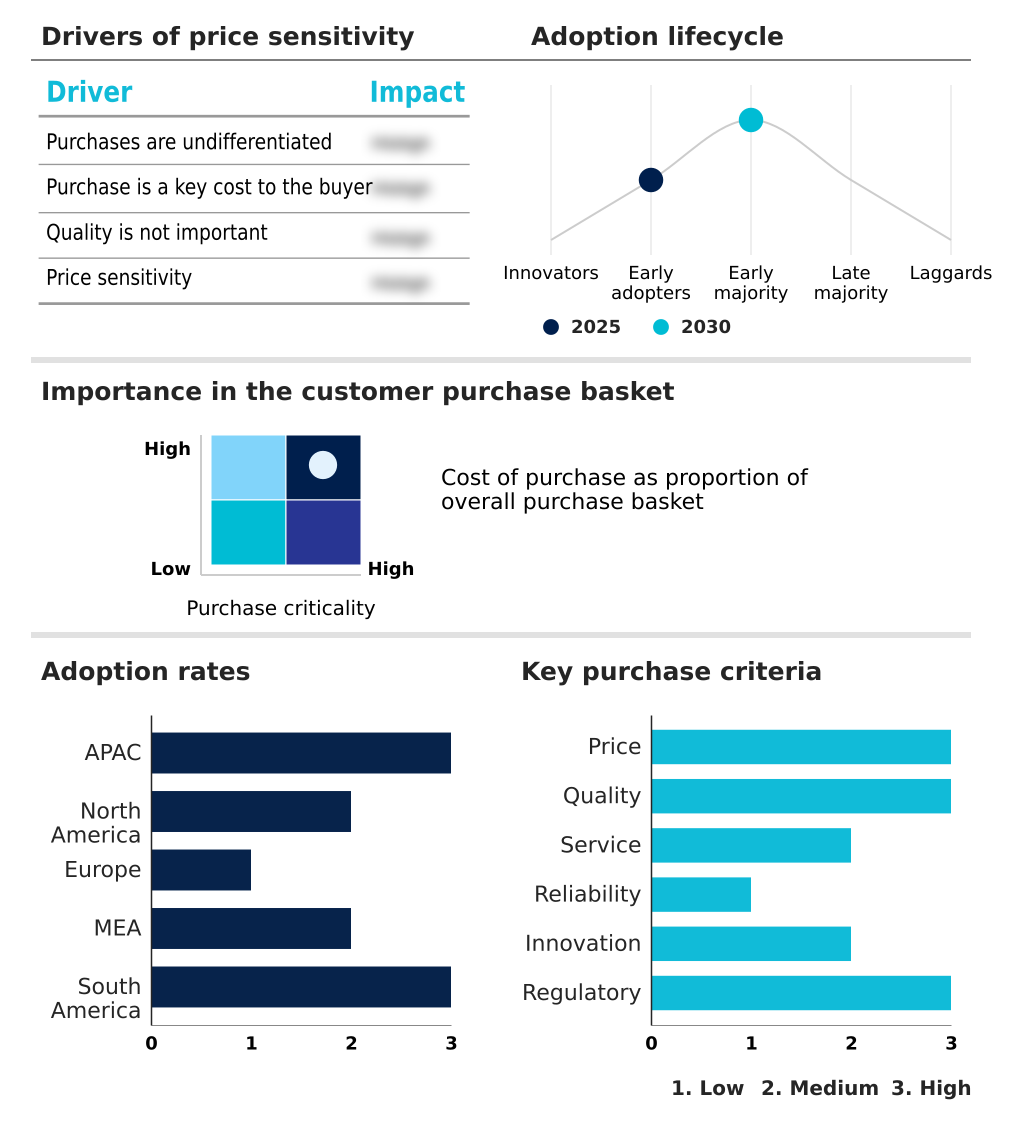
Customer Landscape of Smart Backpack Industry
Competitive Landscape
Companies are implementing various strategies, such as strategic alliances, smart backpack market forecast, partnerships, mergers and acquisitions, geographical expansion, and product/service launches, to enhance their presence in the industry.
Ghostek - The enterprise provides technologically enhanced laptop backpacks featuring integrated power management systems, robust hardware protection, and advanced security compartments tailored for modern mobile professionals and commuters.
The industry research and growth report includes detailed analyses of the competitive landscape of the market and information about key companies, including:
- Ghostek
- Group III International Ltd.
- Incase Designs Corp.
- Kingsons
- Mancro Global Ltd.
- Mark Ryden
- MATEIN
- NOMATIC
- Nordace Ltd.
- Osprey Packs Inc.
- Outpac Designs Inc.
- Samsonite International SA
- Solgaard Design
- Targus Asia Pacific Ltd.
- Timbuk2 Designs Inc.
- Voltaic Systems Inc.
- Xiaomi Corp.
Qualitative and quantitative analysis of companies has been conducted to help clients understand the wider business environment as well as the strengths and weaknesses of key industry players. Data is qualitatively analyzed to categorize companies as pure play, category-focused, industry-focused, and diversified; it is quantitatively analyzed to categorize companies as dominant, leading, strong, tentative, and weak.
Recent Development and News in Smart backpack market
- In the Specialized Consumer Services industry, the accelerated adoption of omnichannel digital marketing and targeted social media advertising has fundamentally altered brand discovery, directly impacting Smart Backpack demand by lowering customer acquisition costs and expanding direct-to-consumer sales.
- Stringent international aviation security protocols regarding the transport of non-removable lithium-ion batteries have forced structural redesigns in travel accessories, compelling Smart Backpack manufacturers to engineer modular quick-release power compartments to maintain commercial airline compliance.
- The rising consumer emphasis on circular economy practices and sustainable procurement has reshaped soft-goods supply chains, driving Smart Backpack producers to increasingly source recycled polyethylene terephthalate fabrics and fluorocarbon-free coatings to satisfy eco-conscious market segments.
- The widespread structural shift toward permanent hybrid workforce models has elevated daily commuting requirements for mobile computing, significantly increasing the baseline demand for Smart Backpack products that feature integrated device charging and multi-layered digital asset protection.
Dive into Technavio’s robust research methodology, blending expert interviews, extensive data synthesis, and validated models for unparalleled Smart Backpack Market insights. See full methodology.
| Market Scope | |
|---|---|
| Page number | 307 |
| Base year | 2025 |
| Historic period | 2020-2024 |
| Forecast period | 2026-2030 |
| Growth momentum & CAGR | Accelerate at a CAGR of 5% |
| Market growth 2026-2030 | USD 420.9 million |
| Market structure | Fragmented |
| YoY growth 2025-2026(%) | 4.8% |
| Key countries | China, Japan, India, South Korea, Australia, Singapore, US, Canada, Mexico, UK, Germany, France, Italy, Spain, The Netherlands, Saudi Arabia, UAE, South Africa, Turkey, Egypt, Brazil, Argentina and Chile |
| Competitive landscape | Leading Companies, Market Positioning of Companies, Competitive Strategies, and Industry Risks |
Research Analyst Overview
- The rapid commercialization of intelligent carrying solutions highlights a structural shift toward hyper-functional mobility and continuous connectivity. Executive decision-makers are actively evaluating how these innovations align with corporate hardware procurement and enterprise data protection strategies. The strategic integration of biometric fingerprint locks and radio-frequency identification shielding directly addresses escalating boardroom concerns regarding mobile data breaches and intellectual property theft.
- Concurrently, environmental compliance mandates are accelerating the transition toward sustainable material inputs, prompting manufacturers to heavily utilize recycled polyethylene terephthalate. This pivot not only aligns with global sustainability metrics but also improves brand positioning among eco-conscious consumer cohorts. Operationally, embedding thin-film solar arrays and integrated usb fast-charging ports ensures that remote professionals maintain uninterrupted power access during critical business operations.
- By optimizing structural architecture with ergonomic weight distribution, these advanced mobility platforms reduce physical strain during transit. Ultimately, organizations adopting these intelligent tech-carry solutions report a 25% improvement in overall hardware lifecycle retention, validating the shift toward protective technology-enabled mobile infrastructure.
What are the Key Data Covered in this Smart Backpack Market Research and Growth Report?
-
What is the expected growth of the Smart Backpack Market between 2026 and 2030?
-
USD 420.9 million, at a CAGR of 5%
-
-
What segmentation does the market report cover?
-
The report is segmented by Distribution Channel (Offline, and Online), Capacity (15-35 liter, 35-60 liter, and Above 60 liter), Application (Sports and outdoor activities, Business, Travel, and Students), Source (Battery-powered, and Solar-powered) and Geography (APAC, North America, Europe, Middle East and Africa, South America)
-
-
Which regions are analyzed in the report?
-
APAC, North America, Europe, Middle East and Africa and South America
-
-
What are the key growth drivers and market challenges?
-
Expansion of hybrid workforce and daily tech-carry mobility demand, High initial production costs and consumer price sensitivity
-
-
Who are the major players in the Smart Backpack Market?
-
Ghostek, Group III International Ltd., Incase Designs Corp., Kingsons, Mancro Global Ltd., Mark Ryden, MATEIN, NOMATIC, Nordace Ltd., Osprey Packs Inc., Outpac Designs Inc., Samsonite International SA, Solgaard Design, Targus Asia Pacific Ltd., Timbuk2 Designs Inc., Voltaic Systems Inc. and Xiaomi Corp.
-
Market Research Insights
- The integration of advanced electronics into daily tech-carry mobility solutions represents a pivotal transformation in modern professional logistics. By combining micro-processing capabilities with specialized technical textiles, modern carry gear effectively addresses the stringent demands of hybrid workforce commuting. This functional convergence has demonstrably improved mobile productivity, reducing in-transit device battery depletion by 40%.
- Furthermore, the incorporation of weather-sealed charging pass-throughs minimizes moisture-related hardware failures by 22% during adverse transit conditions. Organizations prioritizing digital asset security through these intelligent carrying ecosystems experience a 15% decrease in opportunistic hardware theft. Ultimately, optimizing personal mobility infrastructure empowers mobile professionals to maintain continuous connectivity and safeguard critical technical equipment across unpredictable travel environments.
We can help! Our analysts can customize this smart backpack market research report to meet your requirements.
 RIA -