


Telemedicine Market Size 2026-2030
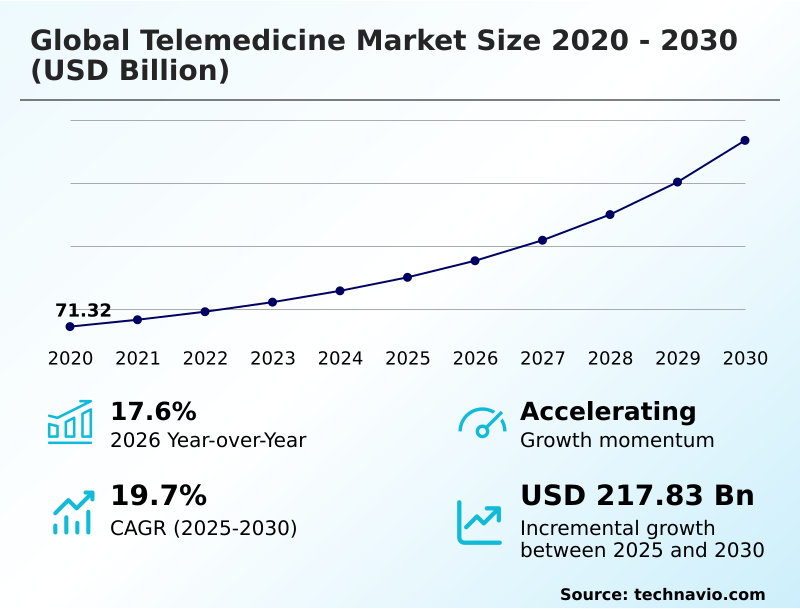
The telemedicine market size is valued to increase by USD 217.83 billion, at a CAGR of 19.7% from 2025 to 2030. Integration of AI and ML algorithms will drive the telemedicine market.
Major Market Trends & Insights
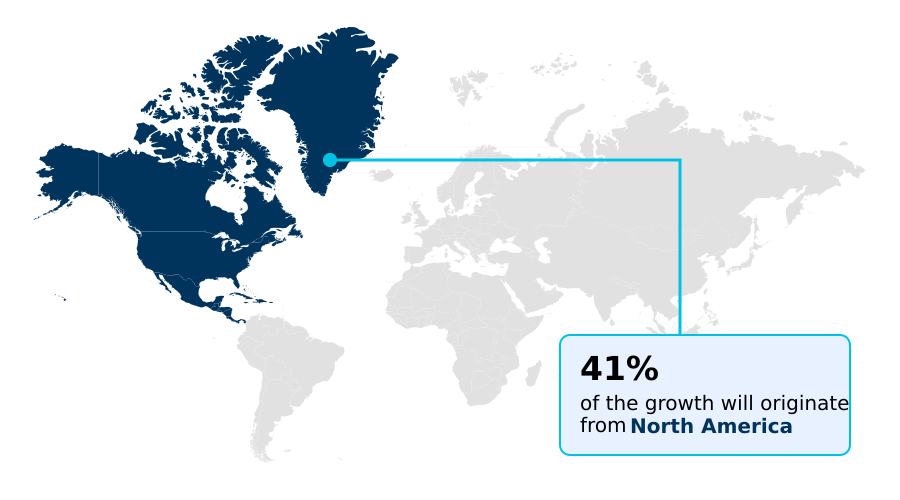
- North America dominated the market and accounted for a 40.9% growth during the forecast period.
- By Application - Telehospital and teleclinic segment was valued at USD 87.90 billion in 2024
- By Product - Services segment accounted for the largest market revenue share in 2024
Market Size & Forecast
- Market Opportunities: USD 296.23 billion
- Market Future Opportunities: USD 217.83 billion
- CAGR from 2025 to 2030 : 19.7%
Market Summary
- The Telemedicine Market is undergoing a rapid structural transformation, shifting from emergency supplementary communications into a foundational pillar of continuous, decentralized healthcare delivery. This evolution is fundamentally propelled by the integration of ambient artificial intelligence, which automates intelligent patient triage and reduces clinical specialty routing errors by an estimated 25% compared to manual scheduling processes.
- As health networks deploy these advanced virtual care applications, primary care physicians can manage higher patient volumes while maintaining diagnostic accuracy. However, this expansion confronts significant operational bottlenecks stemming from rigorous cross border medical practice regulations. Differing regional compliance mandates force telehealth platforms to invest heavily in specialized auditing frameworks, stalling rapid geographic scalability.
- In a real-world operational scenario, a multi-state hospital system implementing continuous remote physiological data feeds must continuously reconcile differing state-level data localization laws, adding substantial administrative overhead.
- Despite these compliance frictions, the sustained demand for evidence based digital therapeutics interventions ensures that remote healthcare infrastructure remains critical for managing escalating chronic disease burdens and mitigating the persistent shortage of licensed medical professionals worldwide.
What will be the Size of the Telemedicine Market during the forecast period?
Get Key Insights on Market Forecast (PDF) Get Free Sample
How is the Telemedicine Market Segmented?
The telemedicine industry research report provides comprehensive data (region-wise segment analysis), with forecasts and estimates in "USD million" for the period 2026-2030, as well as historical data from 2020-2024 for the following segments.
- Application
- Telehospital and teleclinic
- Telehome
- Product
- Services
- Solutions
- Type
- Real time
- Store and forward
- Others
- Geography
- North America
- US
- Canada
- Mexico
- Europe
- Germany
- UK
- France
- Italy
- Spain
- The Netherlands
- Asia
- China
- India
- Japan
- South Korea
- Indonesia
- Thailand
- Rest of World (ROW)
- North America
By Application Insights
The telehospital and teleclinic segment is estimated to witness significant growth during the forecast period.
The telehospital and teleclinic segment revolutionizes institutional healthcare by projecting advanced clinical expertise across expansive geographic networks. This architecture relies on robust cloud based infrastructure to seamlessly manage high volume secure video conferencing between major medical centers and remote outposts.
By deploying virtual nursing models and interconnected teleradiology reading networks, health systems significantly advance administrative burden reduction strategies tied to patient transfers and staff misallocation.
Consequently, operational efficiency increases, with some networks demonstrating a 15% reduction in preventable emergency department admissions due to timely specialist interventions. Integrating these platforms with existing interoperable electronic health record software ensures seamless patient data continuity and compliance.
Ultimately, this segment transforms traditional care paradigms into scalable, technology-driven ecosystems that maximize critical care resource utilization while minimizing geographic access barriers.
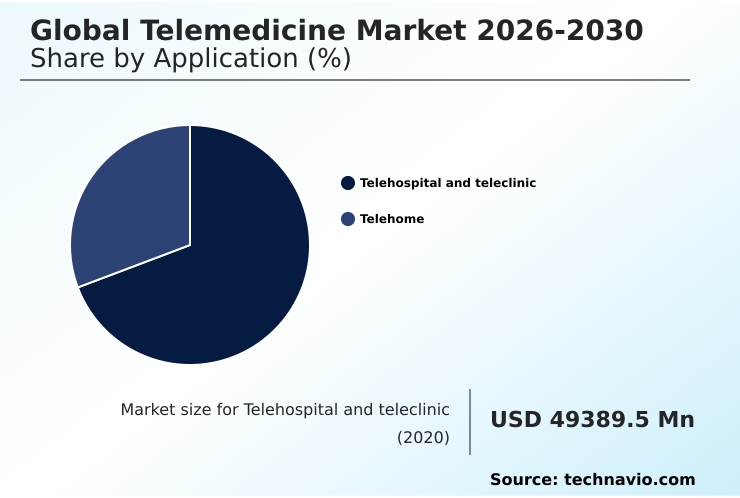
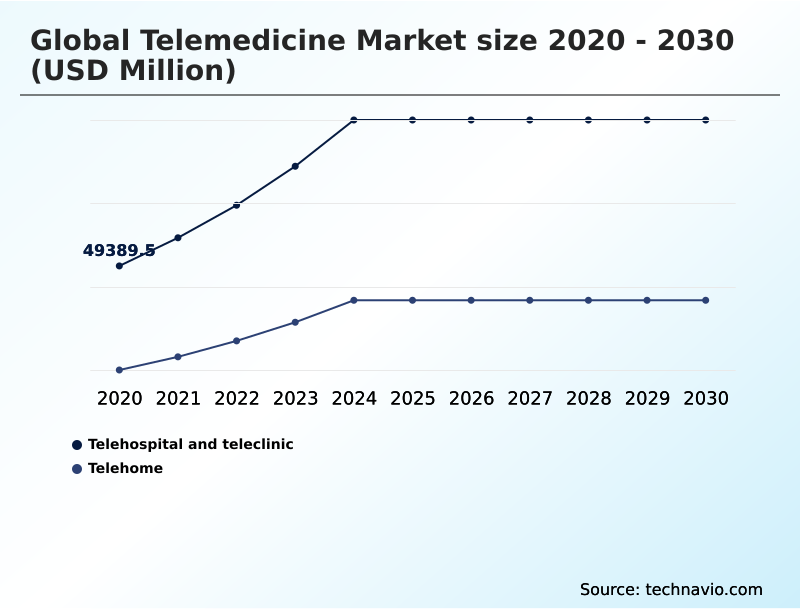
The Telehospital and teleclinic segment was valued at USD 87.90 billion in 2024 and showed a gradual increase during the forecast period.
Regional Analysis
North America is estimated to contribute 40.9% to the growth of the global market during the forecast period.Technavio’s analysts have elaborately explained the regional trends and drivers that shape the market during the forecast period.
See How Telemedicine Market Demand is Rising in North America Get Free Sample
The geographic landscape of the Telemedicine Market reveals stark variations in adoption driven by regional infrastructure readiness and regulatory maturity.
North America maintains an 18% higher virtual care penetration rate than Europe, propelled by entrenched reimbursement frameworks and advanced cloud based infrastructure that enables widespread use of wearable electrocardiogram patches and telepsychiatry platforms.
In contrast, the APAC region is accelerating at an unprecedented pace due to rapid high speed cellular capabilities expansion, reducing rural diagnostic wait times by an estimated 35% compared to historical averages.
While North American providers prioritize cognitive behavioral tools to manage behavioral health crises, APAC stakeholders focus on scaling mobile health diagnostic imaging algorithms to bridge urban-rural clinical divides.
Ultimately, European systems report a 20% improvement in chronic disease management costs by embedding strict cross border medical practice protocols into their preventative health analytics, highlighting how distinct regional compliance strategies actively shape targeted technological deployments and long-term virtual care investments.
Market Dynamics
Our researchers analyzed the data with 2025 as the base year, along with the key drivers, trends, and challenges. A holistic analysis of drivers will help companies refine their marketing strategies to gain a competitive advantage.
- The ongoing evolution of the Telemedicine Market relies heavily on the strategic implementation of AI powered triage and care coordination to fundamentally streamline clinical workflows. As healthcare institutions transition from episodic visits to hybrid integrated virtual care ecosystems, administrators prioritize robust platforms capable of processing continuous remote physiological data feeds without overwhelming bedside nursing staff.
- This operational shift mirrors advanced supply chain logistics, where predictive analytics optimize resource allocation; similarly, modern health networks utilize these continuous data streams to deploy clinical personnel precisely when biometric thresholds are breached. Consequently, institutions adopting interoperable electronic health record software report significantly lower documentation errors compared to those relying on fragmented, legacy data silos.
- Furthermore, the rise of retail pharmacy based virtual clinics democratizes basic healthcare access by offering immediate diagnostic capabilities within familiar commercial footprints. To support these decentralized nodes, organizations require secure asynchronous clinical workflows and reliable cloud based medical data transmission protocols that protect sensitive patient information from emerging cyber threats.
- Simultaneously, the behavioral health sector has witnessed explosive adoption of digital psychiatric behavioral counseling platforms coupled with evidence based digital therapeutics interventions. These digital therapies provide continuous cognitive support, ensuring superior patient adherence outside of traditional clinical hours.
- As digital health portfolios expand, executives must meticulously navigate cross state telehealth licensing compliance to avoid costly legal disruptions, ensuring that their technological investments yield sustainable, scalable operational efficiencies across diverse demographic landscapes.
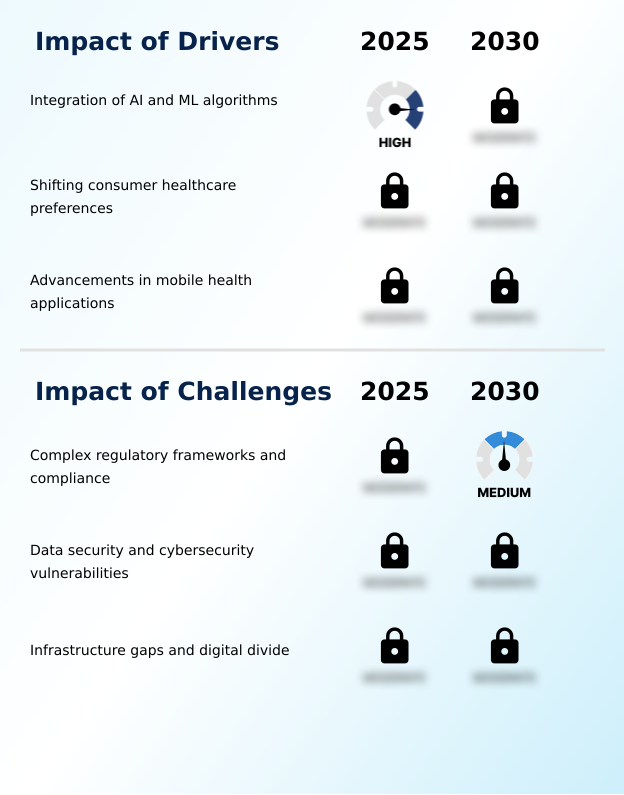
What are the key market drivers leading to the rise in the adoption of Telemedicine Industry?
- The sophisticated integration of artificial intelligence and machine learning algorithms acts as a primary catalyst, significantly enhancing diagnostic precision and automating administrative workflows across virtual care platforms.
- The fundamental catalyst propelling the Telemedicine Market is the surging demand for consumer centric digital experiences that eliminate traditional healthcare friction. Modern patients increasingly utilize omnichannel loyalty ecosystems and frictionless appointment booking interfaces to bypass lengthy administrative delays.
- This behavioral shift forces clinical networks to adopt hybrid care models that seamlessly blend physical interventions with continuous virtual oversight.
- Implementing these streamlined digital front doors has improved patient retention rates by nearly 30% while reducing clinical no-show occurrences by 22%. By leveraging advanced patient telemetry data and asynchronous data transmission, providers can deliver highly personalized, on-demand medical guidance.
- Consequently, healthcare systems heavily invest in robust digital architectures to satisfy consumer expectations, permanently cementing virtual care platforms as primary engines for sustainable operational growth.
What are the market trends shaping the Telemedicine Industry?
- The proliferation of retail and pharmacy-led virtual clinics represents a transformative trend within the industry. This decentralized approach leverages accessible commercial footprints to deliver immediate, technology-enabled preliminary diagnostics and specialist consultations.
- A defining trend within the Telemedicine Market is the rapid transition toward retail pharmacy based virtual clinics that democratize preliminary healthcare access. Commercial supermarket chains are actively deploying virtual consultation stations equipped with connected medical peripherals, allowing patients to undergo immediate biometric screenings.
- This strategic decentralization significantly reduces acute operational pressures, decreasing avoidable emergency department visits by up to 25% within participating suburban networks. Furthermore, the integration of automated clinical generation tools into these decentralized nodes improves diagnostic turnaround times by an estimated 18%, enabling swift specialist referrals.
- By seamlessly linking these retail hubs to broader teleradiology reading networks, healthcare organizations fundamentally restructure how low-acuity conditions are managed, ensuring rapid, cost-effective interventions while expanding their total addressable consumer base across geographically dispersed populations.
What challenges does the Telemedicine Industry face during its growth?
- Navigating complex, fragmented regulatory frameworks and strict data privacy compliance mandates continues to present a formidable barrier to the seamless cross-border expansion of digital health services.
- The rapid expansion of the Telemedicine Market is severely constrained by escalating vulnerabilities related to data privacy and the rising threat of ransomware syndicates targeting vulnerable clinical databases. As remote patient monitoring systems continuously stream protected health information across dispersed networks, the digital attack surface expands exponentially.
- A single cybersecurity breach can compromise patient trust and incur devastating financial penalties, forcing healthcare IT departments to increase security compliance expenditures by an average of 40% year-over-year. Additionally, fragmented interoperability among legacy systems hinders seamless API data exchange, resulting in a 15% reduction in overall workflow efficiency during cross-network specialty referrals.
- Overcoming these fundamental infrastructure deficits requires immense capital investment in zero-trust architectures to ensure that digital health innovations scale securely without jeopardizing sensitive medical data.
Exclusive Technavio Analysis on Customer Landscape
The telemedicine market forecasting report includes the adoption lifecycle of the market, covering from the innovator’s stage to the laggard’s stage. It focuses on adoption rates in different regions based on penetration. Furthermore, the telemedicine market report also includes key purchase criteria and drivers of price sensitivity to help companies evaluate and develop their market growth analysis strategies.
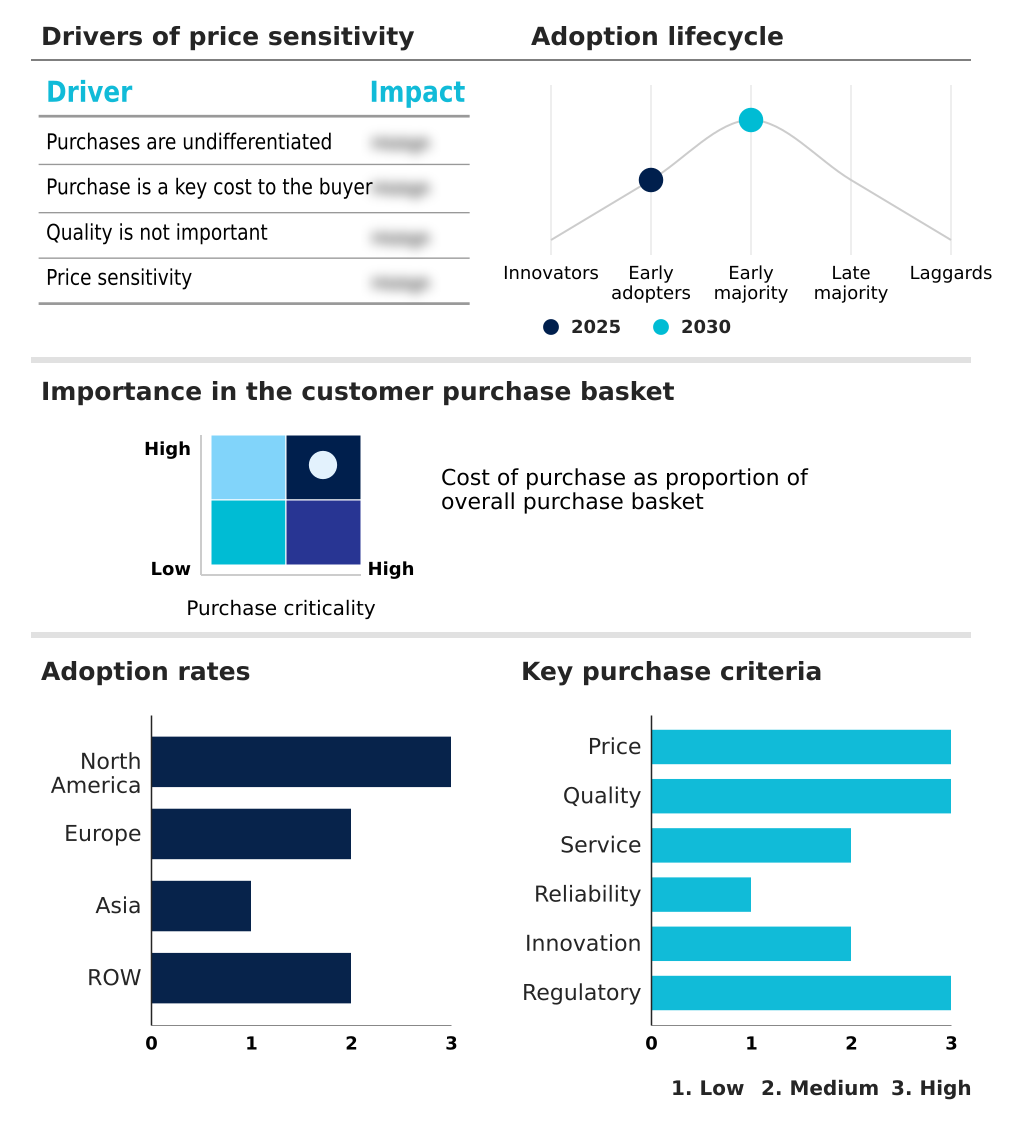
Customer Landscape of Telemedicine Industry
Competitive Landscape
Companies are implementing various strategies, such as strategic alliances, telemedicine market forecast, partnerships, mergers and acquisitions, geographical expansion, and product/service launches, to enhance their presence in the industry.
AMD Global Telemedicine Inc. - Providing comprehensive virtual care applications, the platform seamlessly integrates real time diagnostic support and remote patient monitoring to enhance clinical workflows and optimize continuous patient engagement across care continuums.
The industry research and growth report includes detailed analyses of the competitive landscape of the market and information about key companies, including:
- AMD Global Telemedicine Inc.
- American Well Corp.
- Cisco Systems Inc.
- Doxy.me Inc
- eClinicalWorks LLC
- Epic Systems Corp.
- GE HealthCare Technologies
- Hicuity Health
- Honeywell International Inc.
- Koninklijke Philips NV
- Medtronic Plc
- Oracle Corp.
- Pager Inc.
- Resideo Technologies Inc.
- Rula Health
- SHL Telemedicine Ltd.
- Siemens Healthineers AG
- Teladoc Health Inc.
- Zoom Communications Inc.
Qualitative and quantitative analysis of companies has been conducted to help clients understand the wider business environment as well as the strengths and weaknesses of key industry players. Data is qualitatively analyzed to categorize companies as pure play, category-focused, industry-focused, and diversified; it is quantitatively analyzed to categorize companies as dominant, leading, strong, tentative, and weak.
Recent Development and News in Telemedicine market
- In the Health Care Technology industry, the rapid deployment of ambient artificial intelligence for automated clinical generation has drastically reduced documentation time, directly impacting Telemedicine demand by allowing remote physicians to handle higher virtual consultation volumes without administrative fatigue.
- The broad standardization of API data exchange protocols across national health systems has eliminated critical interoperability barriers, directly impacting Telemedicine demand by enabling seamless integration of remote patient monitoring tools with legacy hospital databases.
- The increasing frequency of ransomware syndicates targeting protected health information has mandated the adoption of advanced zero-trust cloud based infrastructure, directly impacting Telemedicine demand by forcing virtual care providers to upgrade diagnostic imaging algorithms and secure asynchronous clinical workflows.
- The widespread integration of continuous glucose monitors and smart insulin pens into corporate wellness packages has accelerated preventative health analytics, directly impacting Telemedicine demand by driving consumer reliance on connected medical peripherals for continuous metabolic tracking.
Dive into Technavio’s robust research methodology, blending expert interviews, extensive data synthesis, and validated models for unparalleled Telemedicine Market insights. See full methodology.
| Market Scope | |
|---|---|
| Page number | 291 |
| Base year | 2025 |
| Historic period | 2020-2024 |
| Forecast period | 2026-2030 |
| Growth momentum & CAGR | Accelerate at a CAGR of 19.7% |
| Market growth 2026-2030 | USD 217829.2 million |
| Market structure | Fragmented |
| YoY growth 2025-2026(%) | 17.6% |
| Key countries | US, Canada, Mexico, Germany, UK, France, Italy, Spain, The Netherlands, China, India, Japan, South Korea, Indonesia, Thailand, Brazil, Australia, Saudi Arabia, UAE, South Africa, Argentina, Israel and Turkey |
| Competitive landscape | Leading Companies, Market Positioning of Companies, Competitive Strategies, and Industry Risks |
Research Analyst Overview
- The Telemedicine Market reflects a permanent structural shift toward data-driven, decentralized clinical management. Health networks are aggressively deploying advanced telehealth software suites equipped with ambient artificial intelligence to automate clinical documentation and optimize intelligent patient triage. This strategic technological integration addresses acute physician shortages by enabling practitioners to manage complex diagnostic imaging algorithms remotely.
- Consequently, healthcare organizations utilizing these integrated digital platforms achieve a 30% reduction in patient processing time compared to traditional manual triage workflows. The widespread adoption of remote patient monitoring through connected medical peripherals allows providers to maintain continuous oversight of chronic conditions, intercepting physiological anomalies before they necessitate emergency interventions.
- Boardroom strategies increasingly prioritize the acquisition of digital therapeutics software to expand service portfolios and capture new revenue streams within behavioral health.
- As healthcare administrators refine hybrid care models, securing robust API data exchange protocols becomes essential to ensure uninterrupted interoperability and strict regulatory compliance across disparate clinical networks, ultimately solidifying virtual care as an indispensable component of modern medical infrastructure.
What are the Key Data Covered in this Telemedicine Market Research and Growth Report?
-
What is the expected growth of the Telemedicine Market between 2026 and 2030?
-
USD 217.83 billion, at a CAGR of 19.7%
-
-
What segmentation does the market report cover?
-
The report is segmented by Application (Telehospital and teleclinic, and Telehome), Product (Services, and Solutions), Type (Real time, Store and forward, and Others) and Geography (North America, Europe, Asia, Rest of World (ROW))
-
-
Which regions are analyzed in the report?
-
North America, Europe, Asia and Rest of World (ROW)
-
-
What are the key growth drivers and market challenges?
-
Integration of AI and ML algorithms, Complex regulatory frameworks and compliance
-
-
Who are the major players in the Telemedicine Market?
-
AMD Global Telemedicine Inc., American Well Corp., Cisco Systems Inc., Doxy.me Inc, eClinicalWorks LLC, Epic Systems Corp., GE HealthCare Technologies, Hicuity Health, Honeywell International Inc., Koninklijke Philips NV, Medtronic Plc, Oracle Corp., Pager Inc., Resideo Technologies Inc., Rula Health, SHL Telemedicine Ltd., Siemens Healthineers AG, Teladoc Health Inc. and Zoom Communications Inc.
-
Market Research Insights
- The Telemedicine Market operates within a highly dynamic ecosystem driven by healthcare digital transformation and the urgent need for administrative burden reduction. By transitioning toward consumer centric digital experiences, modern clinical networks have successfully decreased specialist referral wait times by nearly 40% across integrated platforms.
- Furthermore, the deployment of frictionless appointment booking and secure patient telemetry data analysis improves overall workflow efficiency by 25% compared to traditional legacy systems. These measurable operational enhancements empower the multidisciplinary care team to deliver timely interventions, optimizing resource allocation while significantly reducing unnecessary emergency department utilization through proactive digital oversight.
We can help! Our analysts can customize this telemedicine market research report to meet your requirements.
 RIA -