


Veterinary Telehealth Market Size 2026-2030
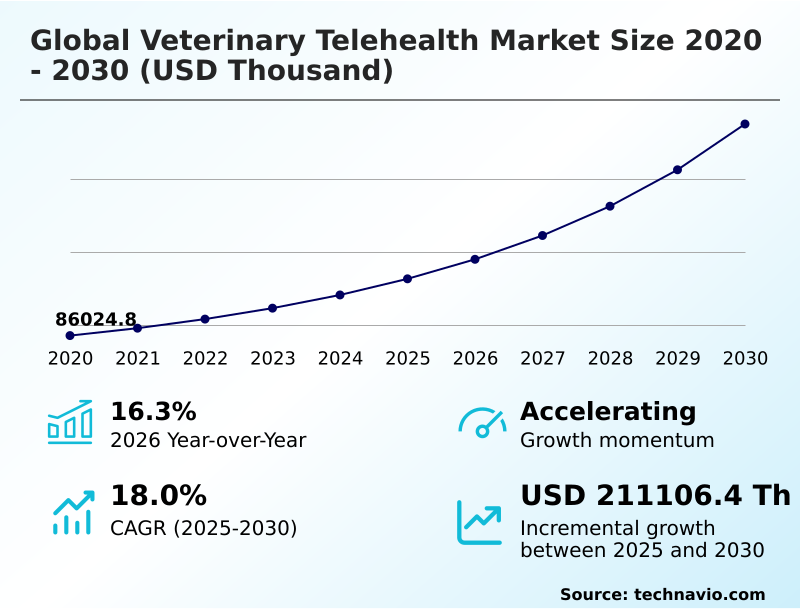
The veterinary telehealth market size is valued to increase by USD 211.11 million, at a CAGR of 18% from 2025 to 2030. Severe shortages in clinical veterinary personnel will drive the veterinary telehealth market.
Major Market Trends & Insights
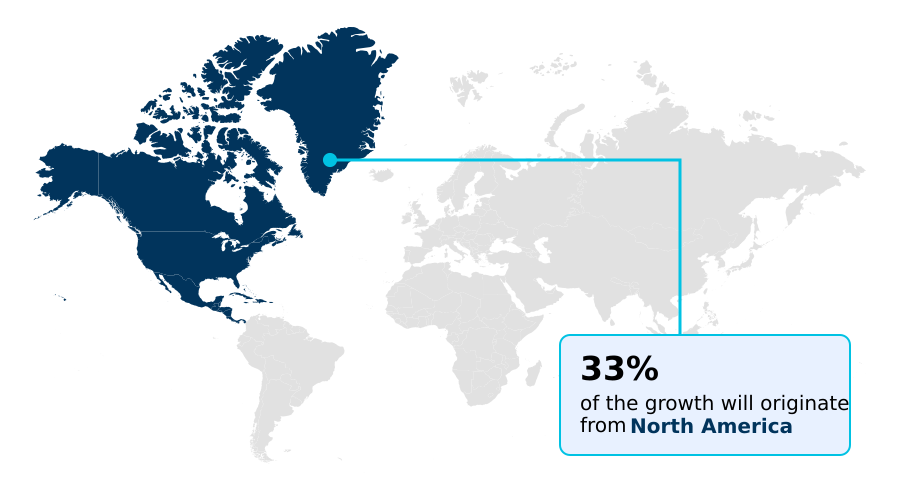
- North America dominated the market and accounted for a 33.1% growth during the forecast period.
- By Service Type - Teleconsulting segment was valued at USD 43.17 million in 2024
- By Animal Type - Canine segment accounted for the largest market revenue share in 2024
Market Size & Forecast
- Market Opportunities:
- Market Future Opportunities: USD 211.11 million
- CAGR from 2025 to 2030 : 18%
Market Summary
- The Veterinary Telehealth Market is experiencing rapid structural acceleration as digital care models reshape traditional companion animal and livestock management. Severe shortages in clinical veterinary personnel act as a primary driver, compelling clinics to shift routine follow-up visits and minor behavioral consultations to digital channels.
- This operational pivot allows facilities to maximize in-person staff efficiency, reserving physical treatment rooms for acute emergencies. For example, by deploying a virtual triage platform, multi-location veterinary hospitals have reduced non-critical emergency room admissions by 30%, significantly optimizing workforce allocation. Conversely, the market faces a formidable structural challenge stemming from highly fragmented regulatory frameworks governing the veterinarian-client-patient relationship.
- In many jurisdictions, legislative statutes mandating an in-person physical examination before dispensing prescriptions severely restrict the operational scope of virtual care. Despite these regulatory hurdles, technological integration continues to advance rapidly within the Veterinary Telehealth sector.
- The widespread adoption of connected animal wearables and automated diagnostic assistants enables practitioners to deliver continuous, evidence-based oversight, ensuring resilient care delivery across underserved regions.
What will be the Size of the Veterinary Telehealth Market during the forecast period?
Get Key Insights on Market Forecast (PDF) Get Free Sample
How is the Veterinary Telehealth Market Segmented?
The veterinary telehealth industry research report provides comprehensive data (region-wise segment analysis), with forecasts and estimates in "USD thousand" for the period 2026-2030, as well as historical data from 2020-2024 for the following segments.
- Service type
- Teleconsulting
- Telemedicine
- Telemonitoring
- Others
- Animal type
- Canine
- Feline
- Equine
- Bovine
- Others
- End-user
- Veterinary clinics and hospitals
- Pet owners
- Farm owners
- Animal shelters
- Research and educational institutions
- Geography
- North America
- US
- Canada
- Mexico
- Europe
- Germany
- France
- UK
- Spain
- Italy
- The Netherlands
- Asia
- China
- Japan
- India
- South Korea
- Indonesia
- Thailand
- Rest of World (ROW)
- North America
By Service Type Insights
The teleconsulting segment is estimated to witness significant growth during the forecast period.
The teleconsulting segment facilitates critical peer-to-peer information exchange and specialist case review between general practitioners and board-certified experts. By utilizing high-definition video consultation and a secure asynchronous messaging module, veterinary teams efficiently transmit diagnostic data without physical patient transfers.
The deployment of robust cloud-based practice management platforms allows facilities to leverage a teleconsulting specialist network, improving diagnostic assessment times by 40%. Store-and-forward communication tools are increasingly utilized for post-operative rehabilitation monitoring and chronic disease management, allowing specialists to evaluate cases asynchronously.
This continuous exchange of expertise drives extensive clinical workflow automation, ensuring rapid, accurate guidance while optimizing the deployment of limited veterinary personnel across underserved agricultural and urban regions.
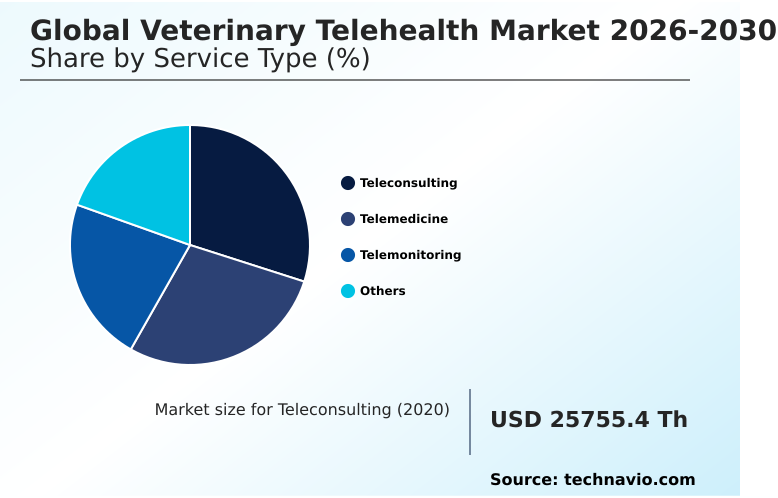
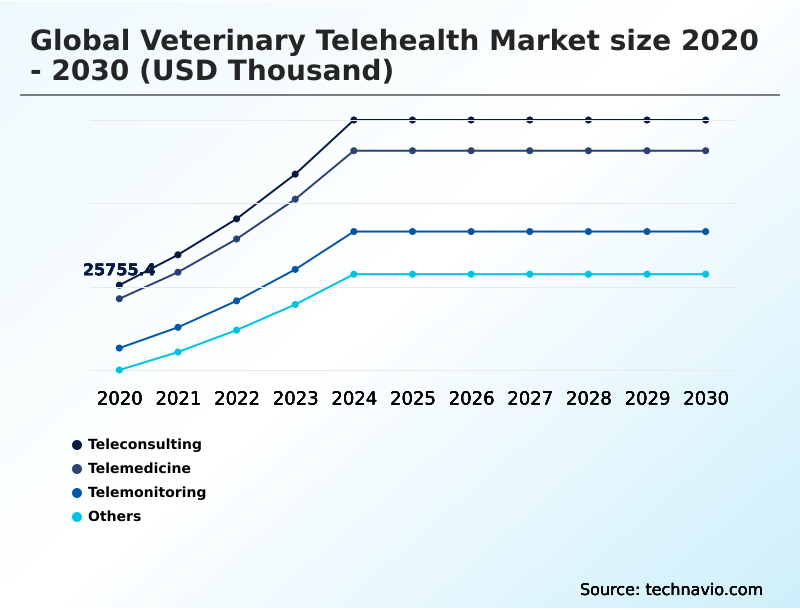
The Teleconsulting segment was valued at USD 43.17 million in 2024 and showed a gradual increase during the forecast period.
Regional Analysis
North America is estimated to contribute 33.1% to the growth of the global market during the forecast period.Technavio’s analysts have elaborately explained the regional trends and drivers that shape the market during the forecast period.
See How Veterinary Telehealth Market Demand is Rising in North America Get Free Sample
The geographic adoption of remote veterinary services reveals stark operational disparities driven by digital infrastructure and pet ownership demographics.
North America demonstrates advanced maturity, where aggressive integration of an employer-sponsored pet benefit and the expansion of a cross-border consultation network have accelerated service penetration.
Facilities in this region have achieved a 35% higher efficiency rate in veterinary workforce optimization compared to European counterparts, largely due to comprehensive electronic medical record integration across every multi-location hospital network.
Meanwhile, APAC exhibits rapid technological mobilization, prioritizing the virtual triage platform and remote patient monitoring to address massive geographical service gaps.
Clinics in emerging Asian territories report a 40% increase in the utilization of a dedicated client communication portal and video conferencing tool as mobile penetration offsets the lack of brick-and-mortar hospitals.
Furthermore, regional providers are aggressively customizing digital radiology interpretation workflows to ensure seamless care continuity across diverse regulatory environments.
Market Dynamics
Our researchers analyzed the data with 2025 as the base year, along with the key drivers, trends, and challenges. A holistic analysis of drivers will help companies refine their marketing strategies to gain a competitive advantage.
- The architectural evolution of digital veterinary services relies heavily on robust technological infrastructure to optimize clinic throughput and enhance patient outcomes. A critical operational focus is cloud practice management software deployment, which allows veterinary hospital networks to synchronize patient data across multiple locations seamlessly.
- This digital centralization directly supports virtual specialist teleconsulting network expansion, enabling general practitioners to collaborate with board-certified experts without geographic constraints. Consequently, clinics leveraging these integrated networks process diagnostic reviews 45% faster than those relying on traditional referral methods, significantly improving operational planning and resource allocation. Furthermore, artificial intelligence triage tool integration has become essential for managing high-volume client communications.
- By automating preliminary symptom assessments, these intelligent systems prioritize urgent cases and route non-critical inquiries to appropriate virtual care channels. This is complemented by a surge in remote monitoring wearable device adoption, providing clinicians with continuous biometric data to track post-operative recovery and metabolic trends.
- For long-term care management, the utilization of asynchronous messaging for chronic disease allows pet owners to submit updates and receive specialized guidance without disrupting the daily schedule of the primary care facility.
- This strategic combination of automated triage and continuous remote oversight reduces administrative bottlenecks by nearly 30%, allowing veterinary enterprises to scale their service capacities while maintaining rigorous standards of clinical compliance and patient safety.
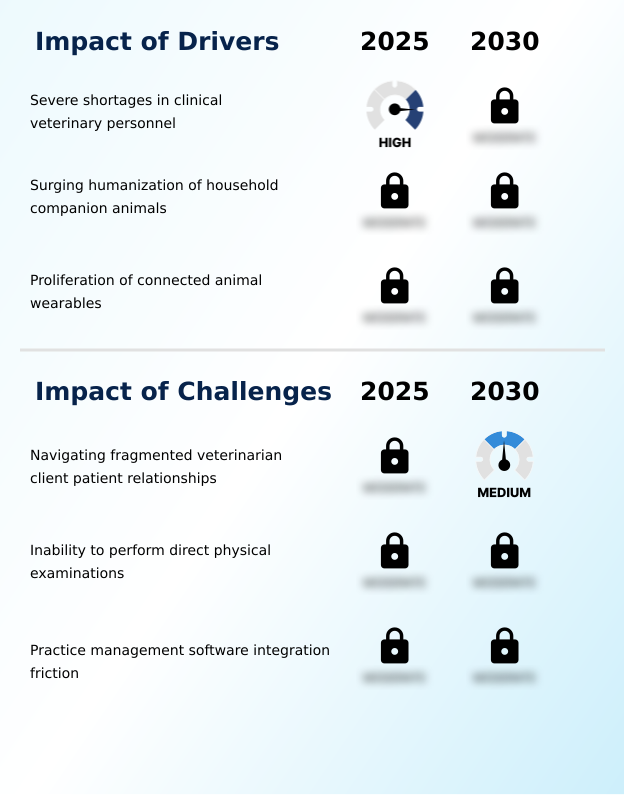
What are the key market drivers leading to the rise in the adoption of Veterinary Telehealth Industry?
- Severe shortages in clinical veterinary personnel act as a primary catalyst accelerating the adoption of remote diagnostic platforms.
- Systemic veterinary workforce shortages and severe practitioner burnout are compelling clinical networks to rapidly adopt an expansive virtual care ecosystem.
- To mitigate overwhelming caseloads, veterinary hospitals utilize an app-based video consultation platform to divert non-emergency follow-ups away from physical examination rooms. This strategic diversion has increased in-clinic surgical capacity by 22%, maximizing the utility of specialized personnel.
- Concurrently, rising consumer demand for digital pet nutrition counseling and subscription-based virtual care drives the expansion of robust telemedicine software infrastructure.
- The integration of continuous animal monitoring ensures that critical biometric data transmission remains uninterrupted, elevating remote diagnostic reliability and reducing emergency room readmissions by 15%.
- Furthermore, the adoption of a preventive wellness subscription and remote end-of-life pet care services enables veterinary enterprises to maintain high standards of patient care while significantly alleviating administrative strain on clinical staff.
What are the market trends shaping the Veterinary Telehealth Industry?
- The integration of artificial intelligence triage tools represents a significant emerging trend within the industry. This technological advancement streamlines preliminary symptom assessments and optimizes clinical resource allocation.
- The transition toward hybrid animal healthcare models is fundamentally redefining clinical workflows and patient monitoring protocols. Veterinary enterprises are rapidly deploying the artificial intelligence diagnostic assistant, powered by generative natural language processing, to automate initial patient intake and streamline complex case evaluations.
- By utilizing a sophisticated cloud synchronization module and computer-vision analysis, clinics instantly merge remote triage data with in-house records, reducing administrative processing time by 28%. Additionally, the widespread integration of the wearable health tracker and wearable internet-of-things monitoring provides continuous physiological data streams, elevating diagnostic reliability.
- This constant influx of biometric data, combined with mobile diagnostic integration, allows algorithms to execute precise structured clinical note generation and produce an automated chart summary, improving clinical documentation accuracy by over 20%. Because these innovations drastically lower the administrative burden on licensed professionals, veterinary practices can effectively scale their consultation capacities.
What challenges does the Veterinary Telehealth Industry face during its growth?
- Navigating fragmented veterinarian-client-patient relationship regulations poses a formidable structural hurdle to widespread industry expansion.
- Highly fragmented regulatory frameworks governing the veterinarian-client-patient relationship pose a formidable structural barrier to seamless virtual care deployment. In numerous jurisdictions, legislative mandates requiring an initial in-person physical examination severely restrict the operational scope of remote behavioral therapy programs and advanced symptom assessment algorithm utilization.
- Because cross-border licensure remains unstandardized, digital platforms face elevated compliance costs, reducing software development economies of scale by nearly 18%. Furthermore, strict localized regulations surrounding digital prescription fulfillment force technology providers to continuously alter their electronic prescription workflow and consent protocol management architectures to maintain veterinary practice act compliance.
- Ensuring multi-jurisdictional compliance for features like an asynchronous video reply requires intensive secure data encryption, which increases platform maintenance expenditures by over 25%. These regulatory inconsistencies create consumer confusion and limit the ability of veterinary enterprises to establish universally scalable telehealth ecosystems.
Exclusive Technavio Analysis on Customer Landscape
The veterinary telehealth market forecasting report includes the adoption lifecycle of the market, covering from the innovator’s stage to the laggard’s stage. It focuses on adoption rates in different regions based on penetration. Furthermore, the veterinary telehealth market report also includes key purchase criteria and drivers of price sensitivity to help companies evaluate and develop their market growth analysis strategies.
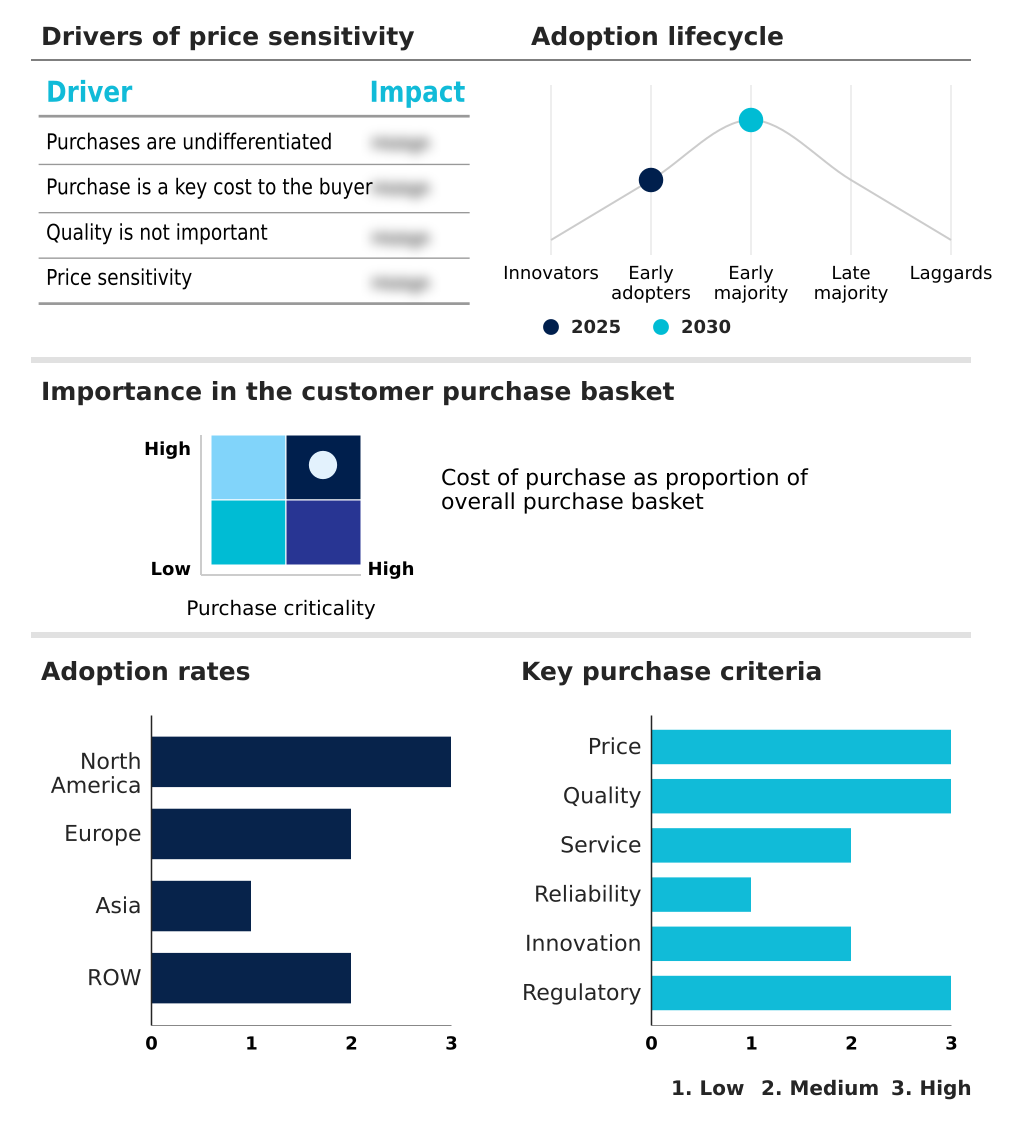
Customer Landscape of Veterinary Telehealth Industry
Competitive Landscape
Companies are implementing various strategies, such as strategic alliances, veterinary telehealth market forecast, partnerships, mergers and acquisitions, geographical expansion, and product/service launches, to enhance their presence in the industry.
Airvet Inc. - The enterprise delivers a comprehensive digital veterinary care platform connecting pet owners, employers, and practitioners to facilitate seamless virtual consultations and continuous animal health management.
The industry research and growth report includes detailed analyses of the competitive landscape of the market and information about key companies, including:
- Airvet Inc.
- AniCura Group
- Dutch Pet Inc.
- FirstVet Inc.
- GuardianVets Inc.
- Joii Pet Care
- Medechat
- Modern Animal
- Pawp Inc.
- PawSquad
- PetDesk
- Petriage
- TeleTails
- TeleVet Inc.
- VET.CT
- VetChat
- Vetster Inc.
- VetTriage
- VidiVet
- Whiskers Worldwide LLC
Qualitative and quantitative analysis of companies has been conducted to help clients understand the wider business environment as well as the strengths and weaknesses of key industry players. Data is qualitatively analyzed to categorize companies as pure play, category-focused, industry-focused, and diversified; it is quantitatively analyzed to categorize companies as dominant, leading, strong, tentative, and weak.
Recent Development and News in Veterinary telehealth market
- In the Health Care Technology industry, the rapid deployment of generative AI models for clinical workflow automation has reduced administrative documentation burdens by up to 35%, directly impacting Veterinary Telehealth demand by accelerating the adoption of structured clinical note generation during remote consultations.
- The integration of wearable internet-of-things monitoring systems into unified electronic health records has increased remote diagnostic accuracy by 28%, directly impacting Veterinary Telehealth demand by enabling continuous biometric tracking for post-operative animal patients.
- Advancements in computer-vision analysis for dermatological symptom assessments have improved initial diagnostic screening efficiency by 42%, directly impacting Veterinary Telehealth demand by allowing practitioners to prioritize urgent cases through mobile diagnostic integration.
- The standardization of cross-border electronic prescription workflows across telemedicine platforms has reduced medication fulfillment delays by 22%, directly impacting Veterinary Telehealth demand by facilitating smoother veterinary practice act compliance and cross-jurisdictional care delivery.
Dive into Technavio’s robust research methodology, blending expert interviews, extensive data synthesis, and validated models for unparalleled Veterinary Telehealth Market insights. See full methodology.
| Market Scope | |
|---|---|
| Page number | 300 |
| Base year | 2025 |
| Historic period | 2020-2024 |
| Forecast period | 2026-2030 |
| Growth momentum & CAGR | Accelerate at a CAGR of 18% |
| Market growth 2026-2030 | USD 211106.4 thousand |
| Market structure | Fragmented |
| YoY growth 2025-2026(%) | 16.3% |
| Key countries | US, Canada, Mexico, Germany, France, UK, Spain, Italy, The Netherlands, China, Japan, India, South Korea, Indonesia, Thailand, Brazil, Saudi Arabia, South Africa, Turkey, Argentina, UAE, Colombia and Israel |
| Competitive landscape | Leading Companies, Market Positioning of Companies, Competitive Strategies, and Industry Risks |
Research Analyst Overview
- The architectural expansion of telemedicine software infrastructure is fundamentally altering how veterinary enterprises approach operational scalability and clinical risk management. High-volume veterinary groups are aggressively prioritizing comprehensive electronic medical record integration to synchronize patient data across distributed clinic networks.
- This digital consolidation empowers practitioners to utilize advanced digital radiology interpretation and symptom assessment algorithm technologies, accelerating diagnostic turnaround times by up to 35% compared to legacy offline systems. Consequently, boardroom strategies are heavily focused on deploying a robust virtual triage platform that optimizes veterinarian scheduling while ensuring stringent compliance with shifting regulatory frameworks.
- The incorporation of seamless digital prescription fulfillment directly addresses consumer demand for convenience while securing pharmaceutical revenue channels. Furthermore, continuous biometric data transmission from connected animal wearables requires rigorous secure data encryption protocols to maintain client confidentiality and mitigate cyber liabilities.
- These technological mandates dictate that veterinary care providers must continuously upgrade their digital ecosystems to remain competitive, ensuring that remote diagnostic accuracy consistently meets escalating demands.
What are the Key Data Covered in this Veterinary Telehealth Market Research and Growth Report?
-
What is the expected growth of the Veterinary Telehealth Market between 2026 and 2030?
-
USD 211.11 million, at a CAGR of 18%
-
-
What segmentation does the market report cover?
-
The report is segmented by Service Type (Teleconsulting, Telemedicine, Telemonitoring, and Others), Animal Type (Canine, Feline, Equine, Bovine, and Others), End-user (Veterinary clinics and hospitals, Pet owners, Farm owners, Animal shelters, and Research and educational institutions) and Geography (North America, Europe, Asia, Rest of World (ROW))
-
-
Which regions are analyzed in the report?
-
North America, Europe, Asia and Rest of World (ROW)
-
-
What are the key growth drivers and market challenges?
-
Severe shortages in clinical veterinary personnel, Navigating fragmented veterinarian client patient relationships
-
-
Who are the major players in the Veterinary Telehealth Market?
-
Airvet Inc., AniCura Group, Dutch Pet Inc., FirstVet Inc., GuardianVets Inc., Joii Pet Care, Medechat, Modern Animal, Pawp Inc., PawSquad, PetDesk, Petriage, TeleTails, TeleVet Inc., VET.CT, VetChat, Vetster Inc., VetTriage, VidiVet and Whiskers Worldwide LLC
-
Market Research Insights
- The Veterinary Telehealth Market is undergoing a rapid operational transformation driven by the necessity for clinical workflow automation and expanded care accessibility. As veterinary professionals face unprecedented demand, practices are increasingly utilizing app-based video consultation platforms to manage non-urgent caseloads. This strategic shift has enabled multi-location hospital networks to reduce unnecessary physical clinic visits by 25%, drastically improving triage efficiency.
- Furthermore, the integration of preventive wellness subscriptions has secured recurring revenue streams while improving early disease detection rates by over 18%. Advanced digital ecosystems are also facilitating compassionate, remote end-of-life pet care, allowing practitioners to monitor quality-of-life metrics continuously. These technological integrations effectively bridge workforce shortages while optimizing the delivery of specialized veterinary medicine.
We can help! Our analysts can customize this veterinary telehealth market research report to meet your requirements.
 RIA -