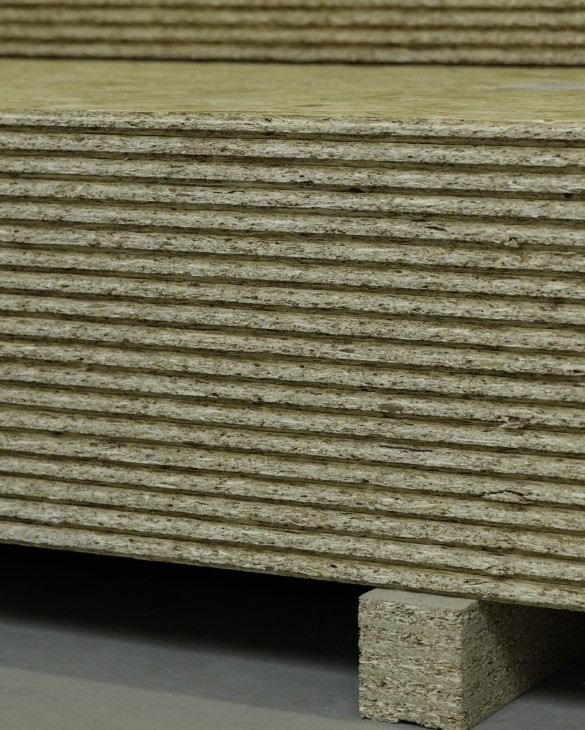
Wood Fiber Insulation Market Analysis, Size, and Forecast 2026-2030: Europe (Germany, France, and UK), North America (US, Canada, and Mexico), APAC (China, Japan, and South Korea), South America (Brazil, Argentina, and Chile), Middle East and Africa (Saudi Arabia, UAE, and South Africa), and Rest of World (ROW)

Wood Fiber Insulation Market Analysis, Size, and Forecast 2026-2030:
Europe (Germany, France, and UK), North America (US, Canada, and Mexico), APAC (China, Japan, and South Korea), South America (Brazil, Argentina, and Chile), Middle East and Africa (Saudi Arabia, UAE, and South Africa), and Rest of World (ROW)

Published: Oct 2026 290 Pages SKU: IRTNTR80485

Market Overview at a Glance

$1.01 B
Market Opportunity
6.4%
CAGR 2025 - 2030
40.9%
Europe Growth
$1.54 B
Commercial segment 2024

Wood Fiber Insulation Market Size 2026-2030

The wood fiber insulation market size is valued to increase by USD 1.01 billion, at a CAGR of 6.4% from 2025 to 2030. Growing focus on sustainable building materials will drive the wood fiber insulation market.

Major Market Trends & Insights

  • Europe dominated the market and accounted for a 40.9% growth during the forecast period.
  • By Application - Commercial segment was valued at USD 1.54 billion in 2024
  • By Type - Rigid board insulation segment accounted for the largest market revenue share in 2024

Market Size & Forecast

  • Market Opportunities: USD 1.72 billion
  • Market Future Opportunities: USD 1.01 billion
  • CAGR from 2025 to 2030 : 6.4%

Market Summary

  • The Wood Fiber Insulation Market is experiencing sustained expansion as the construction sector transitions toward ecologically responsible and energy efficient building envelopes. Regulatory frameworks mandating reduced embodied carbon serve as a powerful driver, compelling developers to substitute petrochemical foams with renewable bio based alternatives.
  • This transition improves overall building thermal stability, yielding up to a 20% reduction in long term mechanical cooling expenditures. In a practical supply chain scenario, localizing timber procurement enables manufacturers to bypass international shipping bottlenecks, shortening raw material delivery cycles by 15% and ensuring uninterrupted production.
  • Despite these advancements, raw material supply volatility remains a formidable challenge, as fluctuating forestry yields disrupt inventory planning and elevate input costs. Companies are mitigating these limitations by optimizing manufacturing processes to utilize secondary wood residues, thereby stabilizing production outlays.
  • As sustainability benchmarks become universally enforced, renewable insulation materials will continue to redefine structural performance standards, offering critical pathways for minimizing lifecycle energy consumption across modern architectural developments.

What will be the Size of the Wood Fiber Insulation Market during the forecast period?
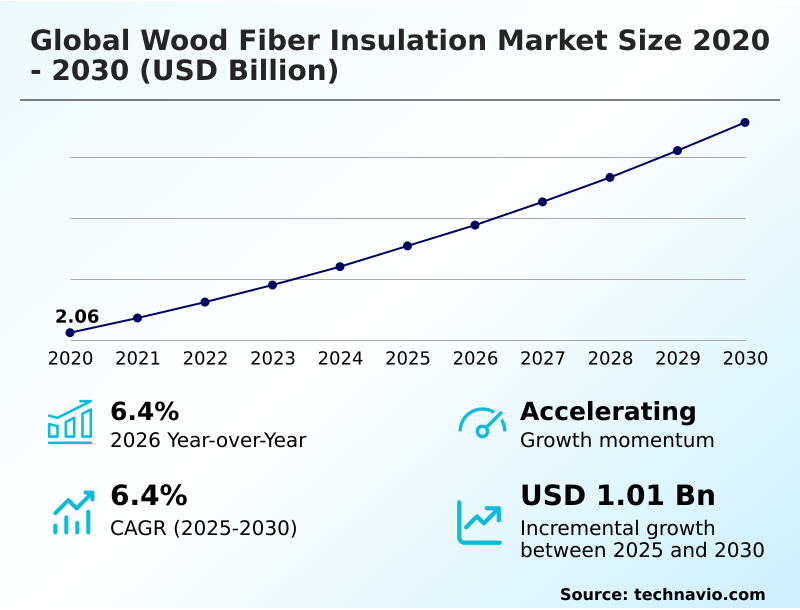
Get Key Insights on Market Forecast (PDF) Get Free Sample

How is the Wood Fiber Insulation Market Segmented?

The wood fiber insulation industry research report provides comprehensive data (region-wise segment analysis), with forecasts and estimates in "USD million" for the period 2026-2030, as well as historical data from 2020-2024 for the following segments.

  • Application
    • Commercial
    • Residential
  • Type
    • Rigid board insulation
    • Flexible insulation
    • Loose-fill insulation
  • Solution
    • Thermal insulation
    • Acoustic insulation
    • Electrical/fire-protection linings
  • Geography
    • Europe
      • Germany
      • France
      • UK
      • Italy
      • Spain
      • The Netherlands
    • North America
      • US
      • Canada
      • Mexico
    • APAC
      • China
      • Japan
      • South Korea
      • India
      • Australia
      • Indonesia
    • South America
      • Brazil
      • Argentina
      • Chile
    • Middle East and Africa
      • Saudi Arabia
      • UAE
      • South Africa
      • Israel
      • Turkey

By Application Insights

The commercial segment is estimated to witness significant growth during the forecast period.

Commercial applications within the Global Wood Fiber Insulation Market 2026-2030 demonstrate robust expansion as developers prioritize a high performance building fabric to meet strict building code compliance.

Offices and institutional facilities require optimal heat transfer resistance to maintain stable internal conditions, lowering mechanical cooling reliance by up to 18%. This operational shift toward sustainable architectural design directly supports corporate green targets while improving overall asset valuation.

The integration of loose fill wood insulation and rigid wood fiberboards ensures resilient structural performance over long lifecycles. Utilizing robust supply chain localization reduces procurement delays by 14%, accelerating project timelines.

Rising demand for commercial green buildings drives the need for enhanced indoor air quality, making advanced insulation a critical factor in mitigating energy waste and optimizing residential retrofitting crossovers.
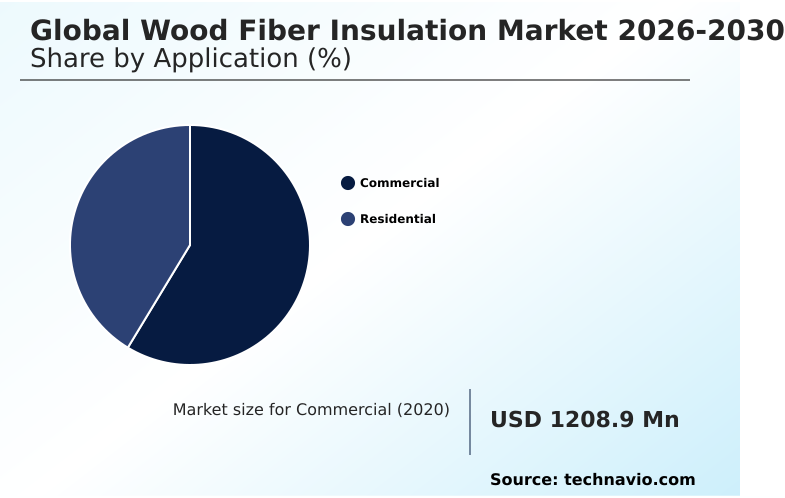
Get Free Sample

The Commercial segment was valued at USD 1.54 billion in 2024 and showed a gradual increase during the forecast period.
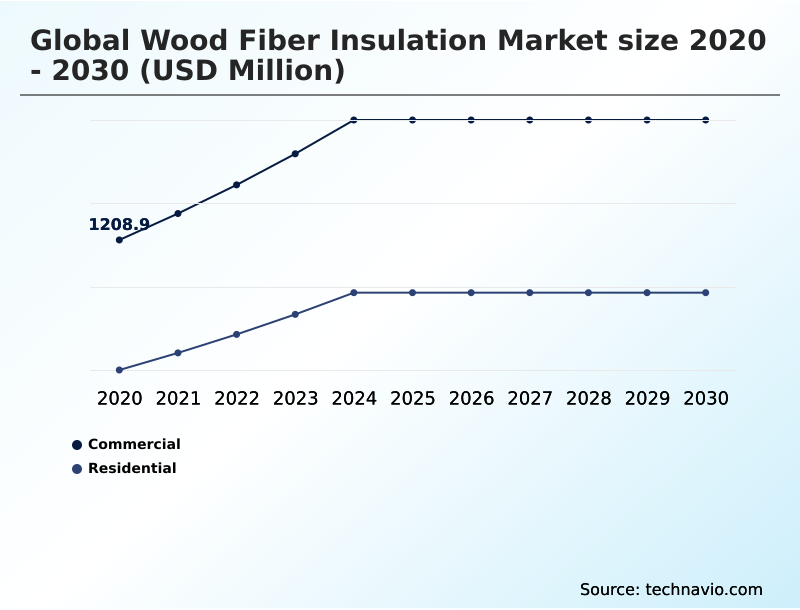
Get Free Sample

Regional Analysis

Europe is estimated to contribute 40.9% to the growth of the global market during the forecast period.Technavio’s analysts have elaborately explained the regional trends and drivers that shape the market during the forecast period.
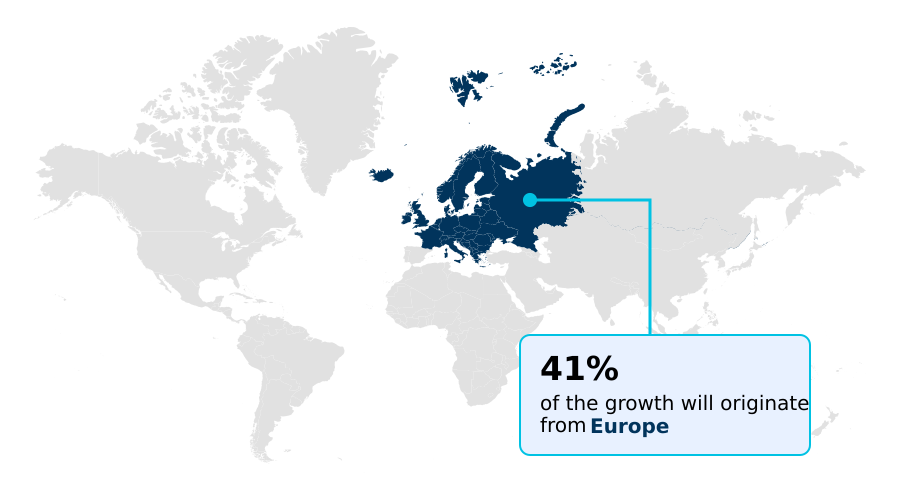
See How Wood Fiber Insulation Market Demand is Rising in Europe Get Free Sample

The geographic landscape of the Global Wood Fiber Insulation Market 2026-2030 reveals distinct regional adoption patterns driven by varying climate requirements and legislative mandates.

Europe maintains a dominant position through aggressive circular economy construction policies, achieving a 28% higher adoption rate of natural fiber batts compared to North America. This disparity stems from stringent European regulations prioritizing embodied carbon reduction and advanced processing technologies.

European builders leverage high vapor permeability and acoustic dampening properties to improve indoor comfort, reducing HVAC energy loads by up to 16%.

Meanwhile, North America accelerates its integration of these materials for natural climate regulation, utilizing specialized fire retardant treatments to meet local safety codes.

The utilization of resource efficient manufacturing across both regions has improved production yields by 12%, ensuring that acoustic control applications remain economically viable globally.

Market Dynamics

Our researchers analyzed the data with 2025 as the base year, along with the key drivers, trends, and challenges. A holistic analysis of drivers will help companies refine their marketing strategies to gain a competitive advantage.

  • As the construction industry fundamentally shifts toward environmentally accountable architecture, the deployment of sustainable wood fiber thermal insulation has become a standard practice for forward looking developers. Building professionals increasingly specify breathable natural building envelope materials to mitigate internal condensation risks, ensuring long term structural integrity without compromising energy efficiency.
  • This strategic transition directly enhances operational planning by reducing the frequency of moisture related maintenance interventions by 18% compared to traditional synthetic alternatives. Procurement teams are actively sourcing low embodied carbon rigid boards to satisfy demanding green certification requirements, aligning project execution with broader corporate sustainability targets.
  • The integration of eco friendly moisture regulating panels into commercial properties significantly elevates occupant comfort while stabilizing ambient indoor temperatures. Furthermore, the adoption of renewable circular economy insulation solutions allows supply chain managers to optimize resource utilization and minimize job site waste by up to 15%.
  • This measurable improvement in material efficiency supports more accurate budgeting and streamlined logistics during large scale structural developments. By prioritizing bio based resources, construction firms not only navigate complex environmental compliance frameworks but also achieve superior thermal performance, establishing a robust foundation for modern, energy resilient infrastructure.
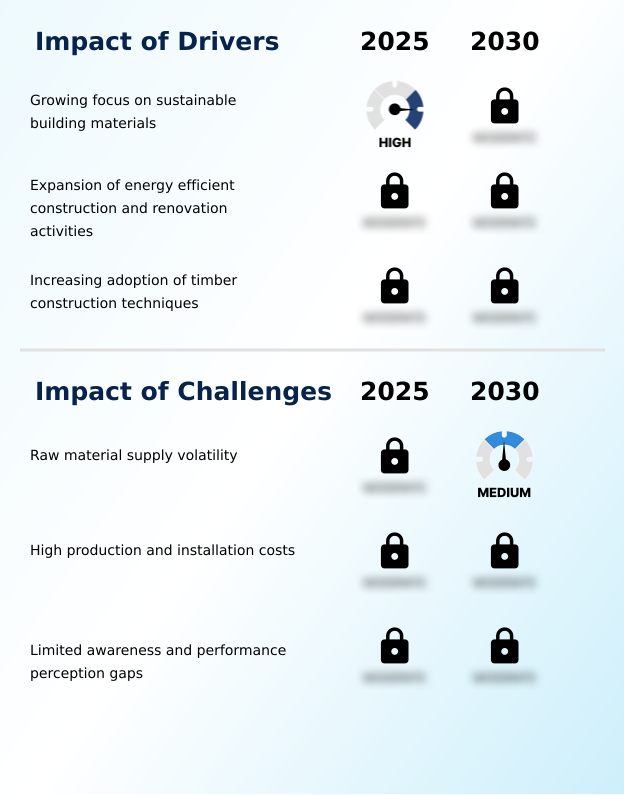
What are the key market drivers leading to the rise in the adoption of Wood Fiber Insulation Industry?

  • A growing focus on sustainable building materials acts as the primary catalyst propelling expansion within the Global Wood Fiber Insulation Market 2026-2030.

  • Stringent energy efficiency mandates are acting as the primary catalyst propelling the Global Wood Fiber Insulation Market 2026-2030 toward rapid structural modernization.
  • This demand shift is caused by the urgent need for low carbon construction methodologies that align with corporate net zero emissions pledges.
  • The resulting effect is a massive transition toward bio based building materials, which improve overall thermal mass regulation and reduce facility heating expenditures by 19%.
  • Developers increasingly specify breathable insulation systems because their inherent moisture management capabilities prevent structural degradation over extended lifecycles. Furthermore, excellent timber frame compatibility simplifies installation procedures, reducing on site labor time by 12%.
  • Leveraging a robust domestic timber supply ensures uninterrupted material availability, allowing sustainable urbanization projects to proceed without the logistical delays associated with imported synthetic alternatives.

What are the market trends shaping the Wood Fiber Insulation Industry?

  • The integration of circular economy principles into insulation solutions serves as a prominent emerging trend shaping the Global Wood Fiber Insulation Market 2026-2030.

  • The integration of carbon neutral manufacturing processes is revolutionizing the Global Wood Fiber Insulation Market 2026-2030 as producers seek to eliminate industrial emissions. This transition is caused by regulatory pressures demanding sustainable infrastructure development, compelling manufacturers to utilize renewable forestry resources efficiently.
  • The operational effect is substantial, as these refined production methods reduce energy waste by 22% while enhancing the hygrothermal performance of the final materials. Builders increasingly apply bio based architectural components to structural wall assemblies to achieve superior building envelope optimization, effectively lowering ambient heat loss by 17%.
  • Furthermore, the exceptional thermal management of these systems supports zero emission building designs, ensuring stable moisture levels in ecological renovation projects. By implementing strict waste reduction strategies, the industry successfully aligns high performance requirements with long term environmental preservation.

What challenges does the Wood Fiber Insulation Industry face during its growth?

  • Raw material supply volatility remains a significant challenge constraining operational consistency across the Global Wood Fiber Insulation Market 2026-2030.

  • Supply chain volatility regarding high quality raw materials presents a formidable operational limitation within the Global Wood Fiber Insulation Market 2026-2030. This bottleneck is caused by unpredictable forestry yields and intensifying competition for biomass resources. The direct effect is a notable disruption in production scheduling, which occasionally increases material procurement costs by up to 15% for manufacturers.
  • Constructing properties with superior thermal inertia performance requires consistent material densities to guarantee optimal phase shift characteristics, making supply inconsistencies highly problematic. Furthermore, navigating complex environmental product declarations demands extensive data collection, elevating administrative overhead by 11%. Assessing accurate lifecycle assessment metrics to validate carbon sequestration potential remains technically demanding for smaller enterprises.
  • Despite these hurdles, maintaining healthy indoor environments is essential to secure prestigious green building certification during modern eco friendly retrofitting initiatives.

Exclusive Technavio Analysis on Customer Landscape

The wood fiber insulation market forecasting report includes the adoption lifecycle of the market, covering from the innovator’s stage to the laggard’s stage. It focuses on adoption rates in different regions based on penetration. Furthermore, the wood fiber insulation market report also includes key purchase criteria and drivers of price sensitivity to help companies evaluate and develop their market growth analysis strategies.
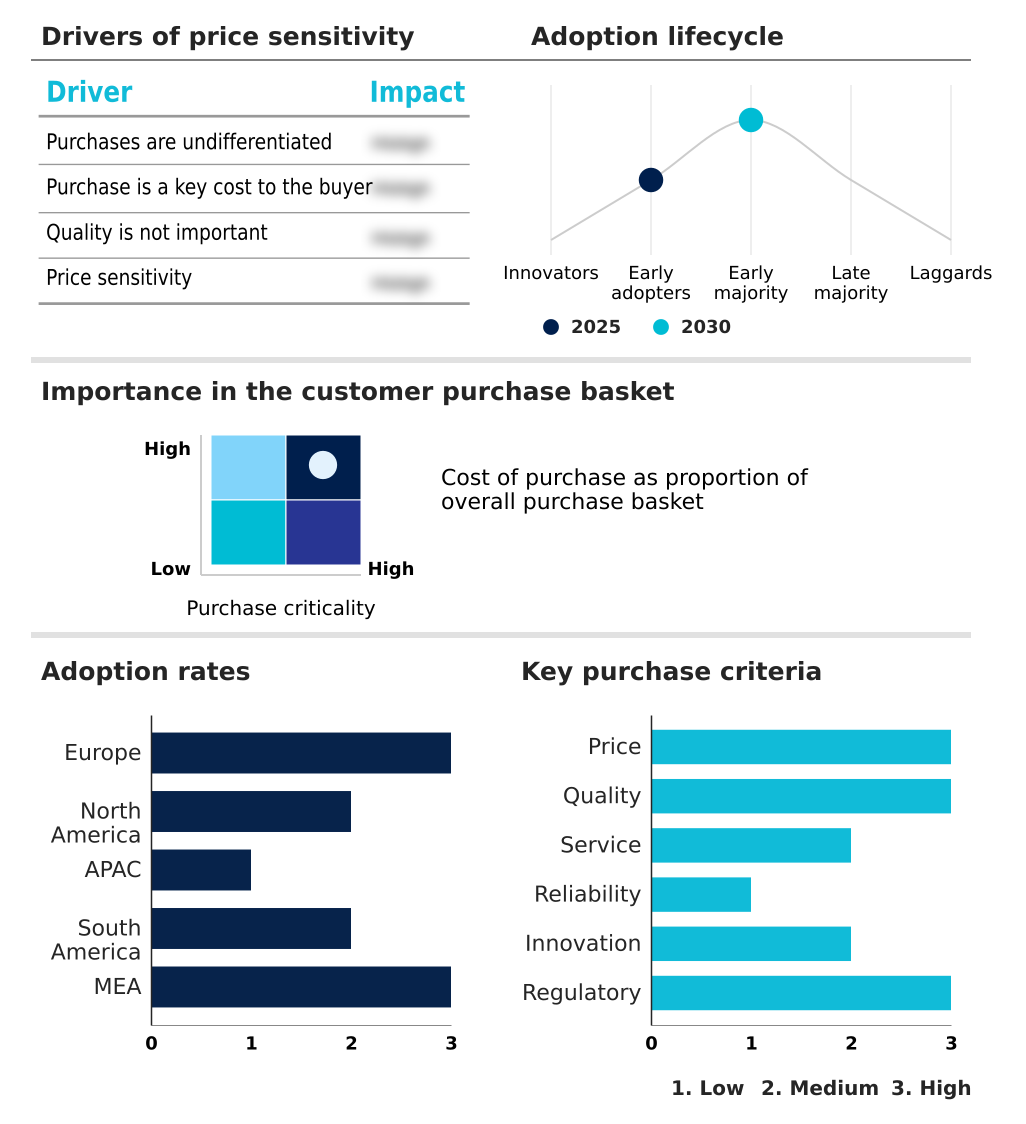
Customer Landscape of Wood Fiber Insulation Industry

Competitive Landscape

Companies are implementing various strategies, such as strategic alliances, wood fiber insulation market forecast, partnerships, mergers and acquisitions, geographical expansion, and product/service launches, to enhance their presence in the industry.

CELENIT S.p.A. - The provider delivers natural thermal and acoustic insulation boards manufactured from wood wool bound with Portland cement, optimizing building energy efficiency and sound management capabilities.

The industry research and growth report includes detailed analyses of the competitive landscape of the market and information about key companies, including:

  • CELENIT S.p.A.
  • CEWOOD SIA
  • Ecovilla Ltd
  • Egger Group
  • Fiberwood Oy
  • Fibris S.A.
  • Fibrolith Dammstoffe GmbH
  • GUTEX Holzfaserplattenwerk H.
  • Hunton Fiber AS
  • Isonat SAS
  • Knauf Insulation
  • Kronospan Ltd.
  • Naturheld GmbH
  • Nordic Fibreboard AS
  • Sonae Arauco
  • SOPREMA SAS
  • Steico Groups
  • SWISS KRONO Tec AG
  • TimberHP
  • Traullit AB
  • VestaEco Sp. z o.o.

Qualitative and quantitative analysis of companies has been conducted to help clients understand the wider business environment as well as the strengths and weaknesses of key industry players. Data is qualitatively analyzed to categorize companies as pure play, category-focused, industry-focused, and diversified; it is quantitatively analyzed to categorize companies as dominant, leading, strong, tentative, and weak.

Recent Development and News in Wood fiber insulation market

  • In the Building Products industry, the implementation of stringent environmental product declarations has forced architects to prioritize materials with documented carbon sequestration potential, directly increasing Wood Fiber Insulation demand for commercial green buildings by up to 22%.
  • The transition toward low carbon construction methods has reduced assembly times by 15%, creating a structural requirement for bio based architectural components and driving higher specification rates for Wood Fiber Insulation.
  • Regulatory shifts mandating strict building code compliance for acoustic control applications in high density urban housing have compelled developers to abandon synthetic foams, accelerating Wood Fiber Insulation adoption by 18% across residential retrofitting projects.
  • Advancements in resource efficient manufacturing and supply chain localization have lowered the waste of natural materials by 12%, significantly improving the cost competitiveness of Wood Fiber Insulation against conventional alternatives.

Dive into Technavio’s robust research methodology, blending expert interviews, extensive data synthesis, and validated models for unparalleled Wood Fiber Insulation Market insights. See full methodology.

Market Scope
Page number 290
Base year 2025
Historic period 2020-2024
Forecast period 2026-2030
Growth momentum & CAGR Accelerate at a CAGR of 6.4%
Market growth 2026-2030 USD 1010.1 million
Market structure Fragmented
YoY growth 2025-2026(%) 6.4%
Key countries Germany, France, UK, Italy, Spain, The Netherlands, US, Canada, Mexico, China, Japan, South Korea, India, Australia, Indonesia, Brazil, Argentina, Chile, Saudi Arabia, UAE, South Africa, Israel and Turkey
Competitive landscape Leading Companies, Market Positioning of Companies, Competitive Strategies, and Industry Risks

Request Free Sample

Research Analyst Overview

  • The Global Wood Fiber Insulation Market 2026-2030 is undergoing a profound structural transformation as regulatory pressures compel commercial developers to rethink material procurement strategies. Strategic boardroom decisions now heavily prioritize sustainable architectural design to secure prestigious green building certification, directly influencing the specification of rigid wood fiberboards for external wall assemblies.
  • This shift in product strategy addresses the critical need for enhanced heat transfer resistance, lowering mechanical energy dependence by up to 24% relative to conventional fiberglass installations. The increasing deployment of loose fill wood insulation across eco friendly retrofitting initiatives effectively eliminates thermal bridging in complex roof structures, optimizing thermal inertia performance throughout changing seasonal conditions.
  • Furthermore, the natural composition of these materials significantly improves indoor air quality by preventing the off gassing of synthetic chemicals, aligning with stringent corporate health compliance mandates. By integrating these advanced bio based solutions, construction enterprises achieve superior building envelope efficiency, seamlessly bridging the gap between mandatory environmental accountability and measurable operational cost reductions.

What are the Key Data Covered in this Wood Fiber Insulation Market Research and Growth Report?

  • What is the expected growth of the Wood Fiber Insulation Market between 2026 and 2030?

    • USD 1.01 billion, at a CAGR of 6.4%

  • What segmentation does the market report cover?

    • The report is segmented by Application (Commercial, and Residential), Type (Rigid board insulation, Flexible insulation, and Loose-fill insulation), Solution (Thermal insulation, Acoustic insulation, and Electrical/fire-protection linings) and Geography (Europe, North America, APAC, South America, Middle East and Africa)

  • Which regions are analyzed in the report?

    • Europe, North America, APAC, South America and Middle East and Africa

  • What are the key growth drivers and market challenges?

    • Growing focus on sustainable building materials, Raw material supply volatility

  • Who are the major players in the Wood Fiber Insulation Market?

    • CELENIT S.p.A., CEWOOD SIA, Ecovilla Ltd, Egger Group, Fiberwood Oy, Fibris S.A., Fibrolith Dammstoffe GmbH, GUTEX Holzfaserplattenwerk H., Hunton Fiber AS, Isonat SAS, Knauf Insulation, Kronospan Ltd., Naturheld GmbH, Nordic Fibreboard AS, Sonae Arauco, SOPREMA SAS, Steico Groups, SWISS KRONO Tec AG, TimberHP, Traullit AB and VestaEco Sp. z o.o.

Market Research Insights

  • The Wood Fiber Insulation Market is evolving rapidly as structural engineers prioritize a high performance building fabric to meet stringent energy conservation targets. Developers are increasingly relying on environmental product declarations to validate material sustainability, improving compliance approval rates by 22%.
  • This operational shift leverages the inherent carbon sequestration potential of natural materials, enhancing overall lifecycle assessment metrics for modern real estate portfolios. Supply chain localization strategies have further optimized material availability, reducing inbound logistics costs by 14% and minimizing project delays.
  • By integrating these advanced solutions, commercial construction firms routinely achieve a 19% improvement in thermal efficiency, proving that ecological accountability seamlessly aligns with measurable operational profitability.

We can help! Our analysts can customize this wood fiber insulation market research report to meet your requirements.

Get in touch

1. Executive Summary

1.1 Market overview

Executive Summary - Chart on Market Overview
Executive Summary - Data Table on Market Overview
Executive Summary - Chart on Global Market Characteristics
Executive Summary - Chart on Market by Geography
Executive Summary - Chart on Market Segmentation by Application
Executive Summary - Chart on Market Segmentation by Type
Executive Summary - Chart on Market Segmentation by Solution
Executive Summary - Chart on Incremental Growth
Executive Summary - Data Table on Incremental Growth
Executive Summary - Chart on Company Market Positioning

2. Technavio Analysis

2.1 Analysis of price sensitivity, lifecycle, customer purchase basket, adoption rates, and purchase criteria

2.2 Criticality of inputs and Factors of differentiation

Chart on Overview on criticality of inputs and factors of differentiation

2.3 Factors of disruption

Chart on Overview on factors of disruption

2.4 Impact of drivers and challenges

Chart on Impact of drivers and challenges in 2025 and 2030

3. Market Landscape

3.1 Market ecosystem

Chart on Parent Market
Data Table on - Parent Market

3.2 Market characteristics

Chart on Market characteristics analysis

3.3 Value chain analysis

Chart on Value chain analysis

4. Market Sizing

4.1 Market definition

Data Table on Offerings of companies included in the market definition

4.2 Market segment analysis

Market segments

4.3 Market size 2025

4.4 Market outlook: Forecast for 2025-2030

Chart on Global - Market size and forecast 2025-2030 ($ million)
Data Table on Global - Market size and forecast 2025-2030 ($ million)
Chart on Global Market: Year-over-year growth 2025-2030 (%)
Data Table on Global Market: Year-over-year growth 2025-2030 (%)

5. Historic Market Size

5.1 Global Wood Fiber Insulation Market 2020 - 2024

Historic Market Size - Data Table on Global Wood Fiber Insulation Market 2020 - 2024 ($ million)

5.2 Application segment analysis 2020 - 2024

Historic Market Size - Application Segment 2020 - 2024 ($ million)

5.3 Type segment analysis 2020 - 2024

Historic Market Size - Type Segment 2020 - 2024 ($ million)

5.4 Solution segment analysis 2020 - 2024

Historic Market Size - Solution Segment 2020 - 2024 ($ million)

5.5 Geography segment analysis 2020 - 2024

Historic Market Size - Geography Segment 2020 - 2024 ($ million)

5.6 Country segment analysis 2020 - 2024

Historic Market Size - Country Segment 2020 - 2024 ($ million)

6. Qualitative Analysis

6.1 Impact of AI on Global Wood Fiber Insulation Market

6.2 Impact of geopolitical conflicts on Global Wood Fiber Insulation Market

7. Five Forces Analysis

7.1 Five forces summary

Five forces analysis - Comparison between 2025 and 2030

7.2 Bargaining power of buyers

Bargaining power of buyers - Impact of key factors 2025 and 2030

7.3 Bargaining power of suppliers

Bargaining power of suppliers - Impact of key factors in 2025 and 2030

7.4 Threat of new entrants

Threat of new entrants - Impact of key factors in 2025 and 2030

7.5 Threat of substitutes

Threat of substitutes - Impact of key factors in 2025 and 2030

7.6 Threat of rivalry

Threat of rivalry - Impact of key factors in 2025 and 2030

7.7 Market condition

Chart on Market condition - Five forces 2025 and 2030

8. Market Segmentation by Application

8.1 Market segments

Chart on Application - Market share 2025-2030 (%)
Data Table on Application - Market share 2025-2030 (%)

8.2 Comparison by Application

Chart on Comparison by Application
Data Table on Comparison by Application

8.3 Commercial - Market size and forecast 2025-2030

Chart on Commercial - Market size and forecast 2025-2030 ($ million)
Data Table on Commercial - Market size and forecast 2025-2030 ($ million)
Chart on Commercial - Year-over-year growth 2025-2030 (%)
Data Table on Commercial - Year-over-year growth 2025-2030 (%)

8.4 Residential - Market size and forecast 2025-2030

Chart on Residential - Market size and forecast 2025-2030 ($ million)
Data Table on Residential - Market size and forecast 2025-2030 ($ million)
Chart on Residential - Year-over-year growth 2025-2030 (%)
Data Table on Residential - Year-over-year growth 2025-2030 (%)

8.5 Market opportunity by Application

Market opportunity by Application ($ million)
Data Table on Market opportunity by Application ($ million)

9. Market Segmentation by Type

9.1 Market segments

Chart on Type - Market share 2025-2030 (%)
Data Table on Type - Market share 2025-2030 (%)

9.2 Comparison by Type

Chart on Comparison by Type
Data Table on Comparison by Type

9.3 Rigid board insulation - Market size and forecast 2025-2030

Chart on Rigid board insulation - Market size and forecast 2025-2030 ($ million)
Data Table on Rigid board insulation - Market size and forecast 2025-2030 ($ million)
Chart on Rigid board insulation - Year-over-year growth 2025-2030 (%)
Data Table on Rigid board insulation - Year-over-year growth 2025-2030 (%)

9.4 Flexible insulation - Market size and forecast 2025-2030

Chart on Flexible insulation - Market size and forecast 2025-2030 ($ million)
Data Table on Flexible insulation - Market size and forecast 2025-2030 ($ million)
Chart on Flexible insulation - Year-over-year growth 2025-2030 (%)
Data Table on Flexible insulation - Year-over-year growth 2025-2030 (%)

9.5 Loose-fill insulation - Market size and forecast 2025-2030

Chart on Loose-fill insulation - Market size and forecast 2025-2030 ($ million)
Data Table on Loose-fill insulation - Market size and forecast 2025-2030 ($ million)
Chart on Loose-fill insulation - Year-over-year growth 2025-2030 (%)
Data Table on Loose-fill insulation - Year-over-year growth 2025-2030 (%)

9.6 Market opportunity by Type

Market opportunity by Type ($ million)
Data Table on Market opportunity by Type ($ million)

10. Market Segmentation by Solution

10.1 Market segments

Chart on Solution - Market share 2025-2030 (%)
Data Table on Solution - Market share 2025-2030 (%)

10.2 Comparison by Solution

Chart on Comparison by Solution
Data Table on Comparison by Solution

10.3 Thermal insulation - Market size and forecast 2025-2030

Chart on Thermal insulation - Market size and forecast 2025-2030 ($ million)
Data Table on Thermal insulation - Market size and forecast 2025-2030 ($ million)
Chart on Thermal insulation - Year-over-year growth 2025-2030 (%)
Data Table on Thermal insulation - Year-over-year growth 2025-2030 (%)

10.4 Acoustic insulation - Market size and forecast 2025-2030

Chart on Acoustic insulation - Market size and forecast 2025-2030 ($ million)
Data Table on Acoustic insulation - Market size and forecast 2025-2030 ($ million)
Chart on Acoustic insulation - Year-over-year growth 2025-2030 (%)
Data Table on Acoustic insulation - Year-over-year growth 2025-2030 (%)

10.5 Electrical/fire-protection linings - Market size and forecast 2025-2030

Chart on Electrical/fire-protection linings - Market size and forecast 2025-2030 ($ million)
Data Table on Electrical/fire-protection linings - Market size and forecast 2025-2030 ($ million)
Chart on Electrical/fire-protection linings - Year-over-year growth 2025-2030 (%)
Data Table on Electrical/fire-protection linings - Year-over-year growth 2025-2030 (%)

10.6 Market opportunity by Solution

Market opportunity by Solution ($ million)
Data Table on Market opportunity by Solution ($ million)

11. Customer Landscape

11.1 Customer landscape overview

Analysis of price sensitivity, lifecycle, customer purchase basket, adoption rates, and purchase criteria

12. Geographic Landscape

12.1 Geographic segmentation

Chart on Market share by geography 2025-2030 (%)
Data Table on Market share by geography 2025-2030 (%)

12.2 Geographic comparison

Chart on Geographic comparison
Data Table on Geographic comparison

12.3 Europe - Market size and forecast 2025-2030

Chart on Europe - Market size and forecast 2025-2030 ($ million)
Data Table on Europe - Market size and forecast 2025-2030 ($ million)
Chart on Europe - Year-over-year growth 2025-2030 (%)
Data Table on Europe - Year-over-year growth 2025-2030 (%)
Chart on Regional Comparison - Europe
Data Table on Regional Comparison - Europe

12.3.1 Germany - Market size and forecast 2025-2030

Chart on Germany - Market size and forecast 2025-2030 ($ million)
Data Table on Germany - Market size and forecast 2025-2030 ($ million)
Chart on Germany - Year-over-year growth 2025-2030 (%)
Data Table on Germany - Year-over-year growth 2025-2030 (%)

12.3.2 France - Market size and forecast 2025-2030

Chart on France - Market size and forecast 2025-2030 ($ million)
Data Table on France - Market size and forecast 2025-2030 ($ million)
Chart on France - Year-over-year growth 2025-2030 (%)
Data Table on France - Year-over-year growth 2025-2030 (%)

12.3.3 UK - Market size and forecast 2025-2030

Chart on UK - Market size and forecast 2025-2030 ($ million)
Data Table on UK - Market size and forecast 2025-2030 ($ million)
Chart on UK - Year-over-year growth 2025-2030 (%)
Data Table on UK - Year-over-year growth 2025-2030 (%)

12.3.4 Italy - Market size and forecast 2025-2030

Chart on Italy - Market size and forecast 2025-2030 ($ million)
Data Table on Italy - Market size and forecast 2025-2030 ($ million)
Chart on Italy - Year-over-year growth 2025-2030 (%)
Data Table on Italy - Year-over-year growth 2025-2030 (%)

12.3.5 Spain - Market size and forecast 2025-2030

Chart on Spain - Market size and forecast 2025-2030 ($ million)
Data Table on Spain - Market size and forecast 2025-2030 ($ million)
Chart on Spain - Year-over-year growth 2025-2030 (%)
Data Table on Spain - Year-over-year growth 2025-2030 (%)

12.3.6 The Netherlands - Market size and forecast 2025-2030

Chart on The Netherlands - Market size and forecast 2025-2030 ($ million)
Data Table on The Netherlands - Market size and forecast 2025-2030 ($ million)
Chart on The Netherlands - Year-over-year growth 2025-2030 (%)
Data Table on The Netherlands - Year-over-year growth 2025-2030 (%)

12.4 North America - Market size and forecast 2025-2030

Chart on North America - Market size and forecast 2025-2030 ($ million)
Data Table on North America - Market size and forecast 2025-2030 ($ million)
Chart on North America - Year-over-year growth 2025-2030 (%)
Data Table on North America - Year-over-year growth 2025-2030 (%)
Chart on Regional Comparison - North America
Data Table on Regional Comparison - North America

12.4.1 US - Market size and forecast 2025-2030

Chart on US - Market size and forecast 2025-2030 ($ million)
Data Table on US - Market size and forecast 2025-2030 ($ million)
Chart on US - Year-over-year growth 2025-2030 (%)
Data Table on US - Year-over-year growth 2025-2030 (%)

12.4.2 Canada - Market size and forecast 2025-2030

Chart on Canada - Market size and forecast 2025-2030 ($ million)
Data Table on Canada - Market size and forecast 2025-2030 ($ million)
Chart on Canada - Year-over-year growth 2025-2030 (%)
Data Table on Canada - Year-over-year growth 2025-2030 (%)

12.4.3 Mexico - Market size and forecast 2025-2030

Chart on Mexico - Market size and forecast 2025-2030 ($ million)
Data Table on Mexico - Market size and forecast 2025-2030 ($ million)
Chart on Mexico - Year-over-year growth 2025-2030 (%)
Data Table on Mexico - Year-over-year growth 2025-2030 (%)

12.5 APAC - Market size and forecast 2025-2030

Chart on APAC - Market size and forecast 2025-2030 ($ million)
Data Table on APAC - Market size and forecast 2025-2030 ($ million)
Chart on APAC - Year-over-year growth 2025-2030 (%)
Data Table on APAC - Year-over-year growth 2025-2030 (%)
Chart on Regional Comparison - APAC
Data Table on Regional Comparison - APAC

12.5.1 China - Market size and forecast 2025-2030

Chart on China - Market size and forecast 2025-2030 ($ million)
Data Table on China - Market size and forecast 2025-2030 ($ million)
Chart on China - Year-over-year growth 2025-2030 (%)
Data Table on China - Year-over-year growth 2025-2030 (%)

12.5.2 Japan - Market size and forecast 2025-2030

Chart on Japan - Market size and forecast 2025-2030 ($ million)
Data Table on Japan - Market size and forecast 2025-2030 ($ million)
Chart on Japan - Year-over-year growth 2025-2030 (%)
Data Table on Japan - Year-over-year growth 2025-2030 (%)

12.5.3 South Korea - Market size and forecast 2025-2030

Chart on South Korea - Market size and forecast 2025-2030 ($ million)
Data Table on South Korea - Market size and forecast 2025-2030 ($ million)
Chart on South Korea - Year-over-year growth 2025-2030 (%)
Data Table on South Korea - Year-over-year growth 2025-2030 (%)

12.5.4 India - Market size and forecast 2025-2030

Chart on India - Market size and forecast 2025-2030 ($ million)
Data Table on India - Market size and forecast 2025-2030 ($ million)
Chart on India - Year-over-year growth 2025-2030 (%)
Data Table on India - Year-over-year growth 2025-2030 (%)

12.5.5 Australia - Market size and forecast 2025-2030

Chart on Australia - Market size and forecast 2025-2030 ($ million)
Data Table on Australia - Market size and forecast 2025-2030 ($ million)
Chart on Australia - Year-over-year growth 2025-2030 (%)
Data Table on Australia - Year-over-year growth 2025-2030 (%)

12.5.6 Indonesia - Market size and forecast 2025-2030

Chart on Indonesia - Market size and forecast 2025-2030 ($ million)
Data Table on Indonesia - Market size and forecast 2025-2030 ($ million)
Chart on Indonesia - Year-over-year growth 2025-2030 (%)
Data Table on Indonesia - Year-over-year growth 2025-2030 (%)

12.6 South America - Market size and forecast 2025-2030

Chart on South America - Market size and forecast 2025-2030 ($ million)
Data Table on South America - Market size and forecast 2025-2030 ($ million)
Chart on South America - Year-over-year growth 2025-2030 (%)
Data Table on South America - Year-over-year growth 2025-2030 (%)
Chart on Regional Comparison - South America
Data Table on Regional Comparison - South America

12.6.1 Brazil - Market size and forecast 2025-2030

Chart on Brazil - Market size and forecast 2025-2030 ($ million)
Data Table on Brazil - Market size and forecast 2025-2030 ($ million)
Chart on Brazil - Year-over-year growth 2025-2030 (%)
Data Table on Brazil - Year-over-year growth 2025-2030 (%)

12.6.2 Argentina - Market size and forecast 2025-2030

Chart on Argentina - Market size and forecast 2025-2030 ($ million)
Data Table on Argentina - Market size and forecast 2025-2030 ($ million)
Chart on Argentina - Year-over-year growth 2025-2030 (%)
Data Table on Argentina - Year-over-year growth 2025-2030 (%)

12.6.3 Chile - Market size and forecast 2025-2030

Chart on Chile - Market size and forecast 2025-2030 ($ million)
Data Table on Chile - Market size and forecast 2025-2030 ($ million)
Chart on Chile - Year-over-year growth 2025-2030 (%)
Data Table on Chile - Year-over-year growth 2025-2030 (%)

12.7 Middle East and Africa - Market size and forecast 2025-2030

Chart on Middle East and Africa - Market size and forecast 2025-2030 ($ million)
Data Table on Middle East and Africa - Market size and forecast 2025-2030 ($ million)
Chart on Middle East and Africa - Year-over-year growth 2025-2030 (%)
Data Table on Middle East and Africa - Year-over-year growth 2025-2030 (%)
Chart on Regional Comparison - Middle East and Africa
Data Table on Regional Comparison - Middle East and Africa

12.7.1 Saudi Arabia - Market size and forecast 2025-2030

Chart on Saudi Arabia - Market size and forecast 2025-2030 ($ million)
Data Table on Saudi Arabia - Market size and forecast 2025-2030 ($ million)
Chart on Saudi Arabia - Year-over-year growth 2025-2030 (%)
Data Table on Saudi Arabia - Year-over-year growth 2025-2030 (%)

12.7.2 UAE - Market size and forecast 2025-2030

Chart on UAE - Market size and forecast 2025-2030 ($ million)
Data Table on UAE - Market size and forecast 2025-2030 ($ million)
Chart on UAE - Year-over-year growth 2025-2030 (%)
Data Table on UAE - Year-over-year growth 2025-2030 (%)

12.7.3 South Africa - Market size and forecast 2025-2030

Chart on South Africa - Market size and forecast 2025-2030 ($ million)
Data Table on South Africa - Market size and forecast 2025-2030 ($ million)
Chart on South Africa - Year-over-year growth 2025-2030 (%)
Data Table on South Africa - Year-over-year growth 2025-2030 (%)

12.7.4 Israel - Market size and forecast 2025-2030

Chart on Israel - Market size and forecast 2025-2030 ($ million)
Data Table on Israel - Market size and forecast 2025-2030 ($ million)
Chart on Israel - Year-over-year growth 2025-2030 (%)
Data Table on Israel - Year-over-year growth 2025-2030 (%)

12.7.5 Turkey - Market size and forecast 2025-2030

Chart on Turkey - Market size and forecast 2025-2030 ($ million)
Data Table on Turkey - Market size and forecast 2025-2030 ($ million)
Chart on Turkey - Year-over-year growth 2025-2030 (%)
Data Table on Turkey - Year-over-year growth 2025-2030 (%)

12.8 Market opportunity by geography

Market opportunity by geography ($ million)
Data Tables on Market opportunity by geography ($ million)

13. Drivers, Challenges, and Opportunity

13.1 Market drivers

Growing focus on sustainable building materials
Expansion of energy efficient construction and renovation activities
Increasing adoption of timber construction techniques

13.2 Market challenges

Raw material supply volatility
High production and installation costs
Limited awareness and performance perception gaps

13.3 Impact of drivers and challenges

Impact of drivers and challenges in 2025 and 2030

13.4 Market opportunities

Integration of circular economy principles in insulation solutions
Advancement of high-performance building envelope systems
Digitalization of design and specification processes

14. Competitive Landscape

14.1 Overview

14.2

Overview on criticality of inputs and factors of differentiation

14.3 Landscape disruption

Overview on factors of disruption

14.4 Industry risks

Impact of key risks on business

15. Competitive Analysis

15.1 Companies profiled

Companies covered

15.2 Company ranking index

15.3 Market positioning of companies

Matrix on companies position and classification

15.4 CELENIT S.p.A.

CELENIT S.p.A. - Overview
CELENIT S.p.A. - Product / Service
CELENIT S.p.A. - Key offerings
SWOT

15.5 Ecovilla Ltd

Ecovilla Ltd - Overview
Ecovilla Ltd - Product / Service
Ecovilla Ltd - Key offerings
SWOT

15.6 Egger Group

Egger Group - Overview
Egger Group - Product / Service
Egger Group - Key offerings
SWOT

15.7 Fibris S.A.

Fibris S.A. - Overview
Fibris S.A. - Product / Service
Fibris S.A. - Key offerings
SWOT

15.8 Fibrolith Dammstoffe GmbH

Fibrolith Dammstoffe GmbH - Overview
Fibrolith Dammstoffe GmbH - Product / Service
Fibrolith Dammstoffe GmbH - Key offerings
SWOT

15.9 GUTEX Holzfaserplattenwerk H.

GUTEX Holzfaserplattenwerk H. - Overview
GUTEX Holzfaserplattenwerk H. - Product / Service
GUTEX Holzfaserplattenwerk H. - Key offerings
SWOT

15.10 Hunton Fiber AS

Hunton Fiber AS - Overview
Hunton Fiber AS - Product / Service
Hunton Fiber AS - Key offerings
SWOT

15.11 Knauf Insulation

Knauf Insulation - Overview
Knauf Insulation - Product / Service
Knauf Insulation - Key offerings
SWOT

15.12 Kronospan Ltd.

Kronospan Ltd. - Overview
Kronospan Ltd. - Product / Service
Kronospan Ltd. - Key offerings
SWOT

15.13 Nordic Fibreboard AS

Nordic Fibreboard AS - Overview
Nordic Fibreboard AS - Business segments
Nordic Fibreboard AS - Key offerings
Nordic Fibreboard AS - Segment focus
SWOT

15.14 Sonae Arauco

Sonae Arauco - Overview
Sonae Arauco - Product / Service
Sonae Arauco - Key offerings
SWOT

15.15 SOPREMA SAS

SOPREMA SAS - Overview
SOPREMA SAS - Product / Service
SOPREMA SAS - Key offerings
SWOT

15.16 Steico Groups

Steico Groups - Overview
Steico Groups - Business segments
Steico Groups - Key offerings
Steico Groups - Segment focus
SWOT

15.17 SWISS KRONO Tec AG

SWISS KRONO Tec AG - Overview
SWISS KRONO Tec AG - Product / Service
SWISS KRONO Tec AG - Key offerings
SWOT

15.18 TimberHP

TimberHP - Overview
TimberHP - Product / Service
TimberHP - Key offerings
SWOT

16. Appendix

16.1 Scope of the report

Market definition
Objectives
Notes and caveats

16.2 Inclusions and exclusions checklist

Inclusions checklist
Exclusions checklist

16.3 Currency conversion rates for US$

16.4 Research methodology

16.5 Data procurement

Information sources

16.6 Data validation

16.7 Validation techniques employed for market sizing

16.8 Data synthesis

16.9 360 degree market analysis

16.10 List of abbreviations

Research Methodology

Technavio presents a detailed picture of the market by way of study, synthesis, and summation of data from multiple sources. The analysts have presented the various facets of the market with a particular focus on identifying the key industry influencers. The data thus presented is comprehensive, reliable, and the result of extensive research, both primary and secondary.

INFORMATION SOURCES

Primary sources

  • Manufacturers and suppliers
  • Channel partners
  • Industry experts
  • Strategic decision makers

Secondary sources

  • Industry journals and periodicals
  • Government data
  • Financial reports of key industry players
  • Historical data
  • Press releases

DATA ANALYSIS

Data Synthesis

  • Collation of data
  • Estimation of key figures
  • Analysis of derived insights

Data Validation

  • Triangulation with data models
  • Reference against proprietary databases
  • Corroboration with industry experts

REPORT WRITING

Qualitative

  • Market drivers
  • Market challenges
  • Market trends
  • Five forces analysis

Quantitative

  • Market size and forecast
  • Market segmentation
  • Geographical insights
  • Competitive landscape

Interested in this report?

Get your sample now to see our research methodology and insights!

Download Now

Frequently Asked Questions

Wood Fiber Insulation market growth will increase by USD 1010.1 million during 2026-2030.

The Wood Fiber Insulation market is expected to grow at a CAGR of 6.4% during 2026-2030.

Wood Fiber Insulation market is segmented by Application (Commercial, Residential) Type (Rigid board insulation, Flexible insulation, Loose-fill insulation) Solution (Thermal insulation, Acoustic insulation, Electrical/fire-protection linings)

CELENIT S.p.A., CEWOOD SIA, Ecovilla Ltd, Egger Group, Fiberwood Oy, Fibris S.A., Fibrolith Dammstoffe GmbH, GUTEX Holzfaserplattenwerk H., Hunton Fiber AS, Isonat SAS, Knauf Insulation, Kronospan Ltd., Naturheld GmbH, Nordic Fibreboard AS, Sonae Arauco, SOPREMA SAS, Steico Groups, SWISS KRONO Tec AG, TimberHP, Traullit AB, VestaEco Sp. z o.o. are a few of the key vendors in the Wood Fiber Insulation market.

Europe will register the highest growth rate of 40.9% among the other regions. Therefore, the Wood Fiber Insulation market in Europe is expected to garner significant business opportunities for the vendors during the forecast period.

Germany, France, UK, Italy, Spain, The Netherlands, US, Canada, Mexico, China, Japan, South Korea, India, Australia, Indonesia, Brazil, Argentina, Chile, Saudi Arabia, UAE, South Africa, Israel, Turkey

  • Growing focus on sustainable building materials is the driving factor this market.

The Wood Fiber Insulation market vendors should focus on grabbing business opportunities from the Application segment as it accounted for the largest market share in the base year.
RIA - Research AI Assistant
Ask RIA
